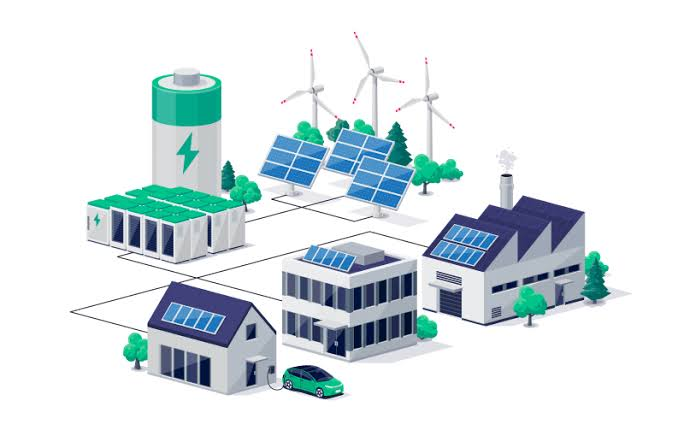
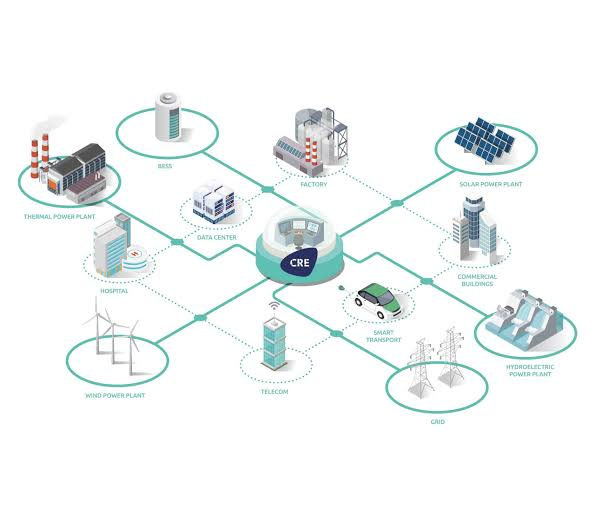
As energy costs continue to rise, businesses are looking beyond efficient equipment and renewable energy to reduce long-term operating expenses. Modern microgrids generate electricity from multiple sources, including solar power, wind energy, Battery Energy Storage Systems (BESS), and backup generators. However, without intelligent coordination, these resources cannot operate at their highest efficiency. This is where microgrid controls become essential. By continuously monitoring electricity demand and automatically managing energy resources, advanced control systems improve operational efficiency while helping organisations reduce unnecessary energy costs.
Unlike traditional power management systems that rely on manual intervention or fixed operating schedules, microgrid controls make real-time decisions based on changing electrical conditions. They collect data from generators, batteries, renewable energy systems, utility connections, and electrical loads before determining the most efficient operating strategy. This intelligent automation reduces fuel consumption, minimises electricity purchased from the grid, optimises battery performance, and ensures critical loads always receive reliable power.
For industrial facilities, manufacturing plants, commercial campuses, remote operations, and critical infrastructure, energy costs extend beyond monthly electricity bills. Fuel consumption, equipment maintenance, peak demand charges, and unplanned downtime all contribute to the total cost of operating an energy system. Intelligent microgrid controls address these challenges by coordinating every energy resource as a single integrated system, allowing businesses to improve reliability while lowering overall operating expenses through smart energy management.
This article explains how microgrid controls work, explores the different ways they reduce energy costs, examines the industries that benefit most from intelligent energy management, and highlights the key features businesses should consider when selecting a control system for a future-ready energy infrastructure.
What Are Microgrid Controls?
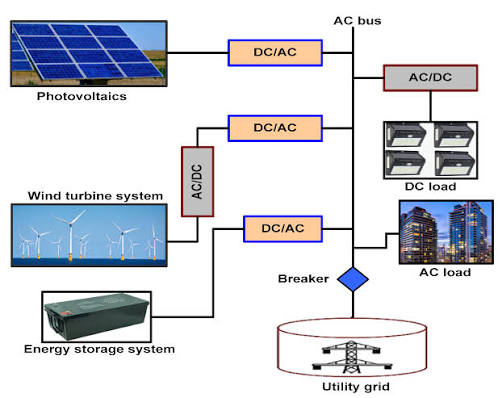
Modern microgrids rely on multiple energy resources that must operate together efficiently to deliver reliable and cost-effective electricity. Microgrid controls are the intelligent hardware and software systems responsible for monitoring, coordinating, and managing these resources in real time. Rather than allowing generators, batteries, renewable energy sources, and utility connections to operate independently, the control system integrates them into a single, unified energy network. This centralised management improves system efficiency while ensuring electricity is supplied in the most economical and reliable way possible.
Microgrid controls collect operational data from every connected asset, including solar panels, wind turbines, Battery Energy Storage Systems (BESS), diesel or gas generators, utility grid connections, and facility loads. Using this information, the control system continuously evaluates electricity demand, available generation capacity, battery state of charge, and utility conditions. It then determines the most efficient combination of energy sources to meet current requirements while maintaining system stability.
Beyond simple monitoring, microgrid controls automate critical decisions that would otherwise require manual intervention. They can prioritise renewable energy, schedule battery charging and discharging, start or stop backup generators, balance electrical loads, and seamlessly transition the microgrid between grid-connected and islanded operation. By intelligently coordinating every energy asset, these systems reduce operating costs, improve reliability, and create a smart power management framework.
How Microgrid Controls Work
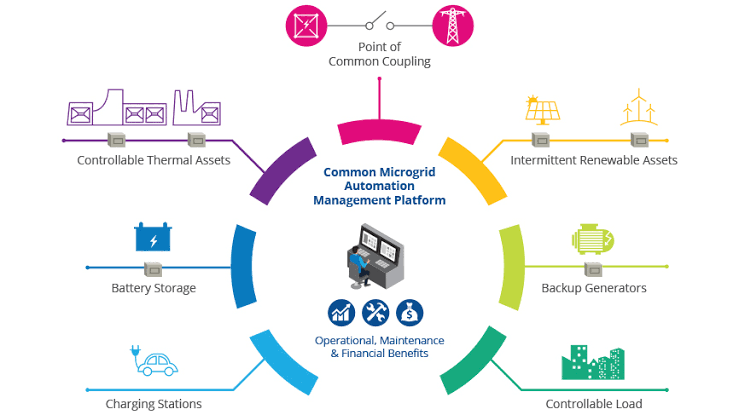
Effective microgrid controls operate through continuous monitoring, data analysis, and automated decision-making. Every second, the control system receives information from sensors and connected equipment throughout the microgrid, allowing it to respond immediately to changing operating conditions. This real-time intelligence enables businesses to maximise energy efficiency while maintaining continuous reliability across the entire electrical system.
Data Collection and System Monitoring
The first step is gathering operational data from every energy source and electrical load. Microgrid controls monitor renewable energy production, generator output, battery capacity, electricity demand, utility grid conditions, weather forecasts, and equipment status. This constant flow of information provides complete visibility into the performance of the microgrid and forms the foundation for informed operational decisions.
Real-Time Decision Making and Automated Control
After analysing incoming data, the control system automatically determines the most efficient operating strategy. It may prioritise solar generation during daylight hours, discharge batteries during peak electricity pricing, reduce generator operation when renewable energy is available, or shift non-essential loads to lower-demand periods. These actions occur automatically without requiring operator intervention, allowing the microgrid to reduce operating costs, improve energy utilisation, and maintain dependable performance through intelligent energy management.
How Microgrid Controls Reduce Energy Costs?
Reducing energy costs requires more than generating electricity efficiently. Businesses must also determine when to use renewable energy, when to charge or discharge batteries, how to minimise generator runtime, and how to respond to changing electricity prices. Microgrid controls bring all of these decisions together through intelligent automation, allowing every energy resource to operate as part of a coordinated system. This integrated approach improves energy optimisation while lowering both direct and indirect operating costs.
Instead of relying on fixed operating schedules, microgrid controls continuously evaluate electricity demand, available generation, battery capacity, fuel consumption, and utility conditions. They automatically select the most cost-effective energy source at any given moment, ensuring renewable energy is prioritised whenever possible and conventional generators are used only when necessary. This dynamic management reduces wasted energy and maximises the value of existing infrastructure.
The following sections explore the primary ways microgrid controls help businesses reduce energy expenses while improving reliability, equipment performance, and long-term operational efficiency through intelligent energy management.
1. Optimising Renewable Energy Usage
One of the most effective ways microgrid controls reduce energy costs is by maximising the use of renewable energy sources such as solar and wind power. Renewable electricity has little to no fuel cost after installation, making it the most economical source of energy whenever it is available. Intelligent control systems continuously monitor renewable generation and facility demand to ensure this clean energy is utilised before drawing electricity from the utility grid or starting backup generators. This strategy improves renewable utilisation while lowering daily operating expenses.
Renewable energy production naturally fluctuates due to changing weather conditions and daylight availability. Without intelligent controls, excess solar or wind generation may be wasted, while facilities may unnecessarily purchase electricity from the grid during periods of lower renewable output. Microgrid controls solve this challenge by automatically balancing renewable generation with battery storage, generators, and facility loads to maximise energy efficiency throughout the day.
When renewable production exceeds current demand, the control system directs surplus electricity to Battery Energy Storage Systems (BESS) for later use. During periods of lower renewable generation, stored energy is discharged before relying on generators or purchasing additional electricity from the grid. By continuously coordinating every available energy source, microgrid controls reduce electricity costs, improve renewable energy utilisation, and contribute to a future-ready energy infrastructure.
2. Reducing Generator Fuel Consumption
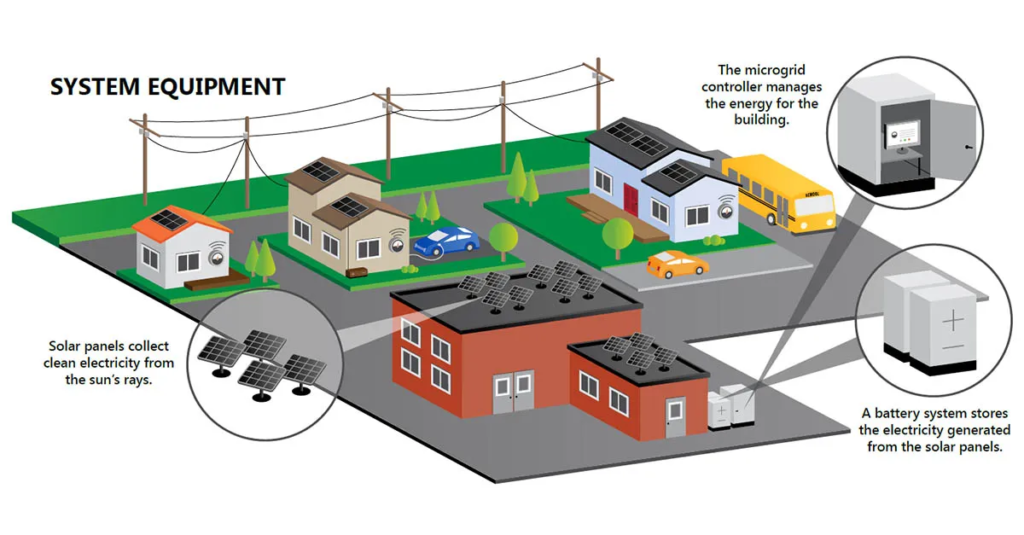
Backup generators remain essential for many industrial microgrids, particularly in remote locations and facilities requiring uninterrupted power. However, operating generators continuously can significantly increase fuel costs, maintenance requirements, and equipment wear. Microgrid controls minimise these expenses by ensuring generators operate only when necessary, creating a more fuel-efficient operation without compromising reliability.
Rather than running generators at fixed schedules or full capacity, intelligent control systems analyse real-time electricity demand, renewable energy availability, battery charge levels, and utility conditions. If solar panels and battery storage can meet current demand, the control system delays generator operation or reduces its output. When additional power is required, generators are dispatched at the most efficient operating point instead of running inefficiently under light loads.
Microgrid controls also optimise generator start-stop sequences and coordinate multiple generators when higher power output is needed. This intelligent scheduling reduces unnecessary operating hours, lowers fuel consumption, decreases maintenance costs, and extends equipment lifespan. By ensuring every generator operates only when it delivers the greatest value, businesses achieve lower operating costs while maintaining a reliable industrial energy solution.
3. Peak Shaving and Demand Charge Management
For many commercial and industrial facilities, electricity costs are influenced not only by total energy consumption but also by the highest level of power drawn from the utility grid during a billing period. These peak demand charges can account for a significant portion of monthly electricity expenses. Microgrid controls help reduce these costs by intelligently managing when and how electricity is consumed, improving cost efficiency without affecting normal business operations.
The control system continuously monitors facility demand and predicts when electricity consumption is approaching peak levels. Instead of drawing additional power from the utility grid, it automatically dispatches stored energy from Battery Energy Storage Systems (BESS), increases renewable energy utilisation, or adjusts non-critical electrical loads. This coordinated response reduces peak demand while maintaining uninterrupted power for essential operations.
By preventing sudden spikes in electricity usage, microgrid controls help businesses lower demand charges, reduce dependence on expensive peak-rate electricity, and improve the overall efficiency of the energy system. Over time, these savings contribute significantly to lower operating costs while supporting a smart power management framework.
4. Battery Energy Storage Optimisation
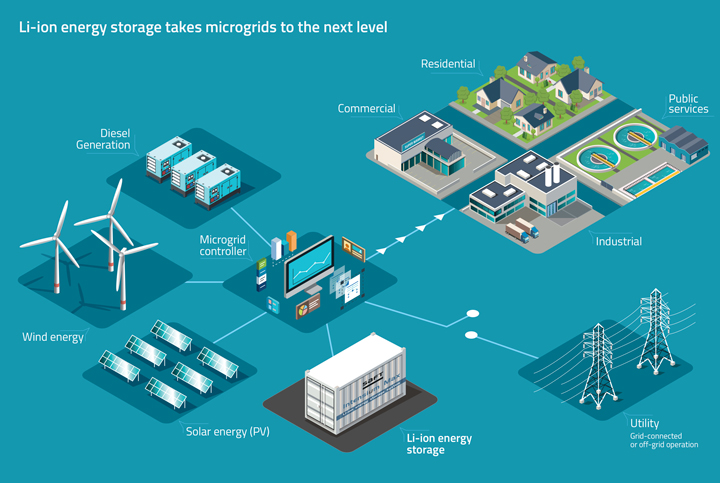
Battery Energy Storage Systems (BESS) deliver the greatest financial value when they are charged and discharged at the right time. Without intelligent management, batteries may cycle unnecessarily, reducing efficiency and shortening their operational lifespan. Microgrid controls optimise every stage of battery operation by analysing electricity demand, renewable energy production, utility pricing, and battery health in real time. This intelligent coordination improves battery performance while maximising long-term cost savings.
During periods of surplus solar or wind generation, the control system directs excess electricity into battery storage instead of allowing renewable energy to go unused. When electricity prices rise or renewable generation decreases, the batteries discharge stored energy to support facility loads before purchasing additional electricity from the grid. This strategy reduces energy costs while increasing the value of renewable energy investments.
Microgrid controls also protect battery health by preventing excessive charging, deep discharging, and unnecessary cycling. Continuous monitoring of temperature, state of charge, and operating conditions allows the system to extend battery lifespan while maintaining reliable performance. By balancing operational efficiency with long-term asset protection, businesses achieve greater returns on their battery investment and build a future-ready energy infrastructure.
5. Load Balancing and Demand Response
Electrical demand changes constantly throughout the day as equipment starts, stops, or operates at varying capacities. If these fluctuations are not managed properly, businesses may experience higher energy costs, equipment overloads, and reduced system efficiency. Microgrid controls continuously balance electricity supply and demand by distributing available energy resources where they are needed most. This dynamic management improves load efficiency while ensuring stable operation across the entire microgrid.
The control system identifies critical and non-critical electrical loads and automatically adjusts energy distribution based on operational priorities. During periods of high demand, non-essential loads can be temporarily shifted or reduced, while critical systems continue receiving uninterrupted power. At the same time, batteries, renewable energy sources, and generators work together to satisfy demand without placing unnecessary stress on the utility grid.
Many utilities also offer demand response programmes that reward businesses for reducing electricity consumption during periods of grid congestion. Microgrid controls automatically respond to these signals by adjusting energy usage and increasing reliance on on-site generation or battery storage. This intelligent coordination helps businesses lower electricity costs, improve system flexibility, and strengthen overall performance through intelligent energy management.
6. Predictive Maintenance and Operational Efficiency
Unexpected equipment failures can significantly increase operating costs through emergency repairs, production downtime, and lost productivity. Modern microgrid controls help prevent these issues by continuously monitoring the health and performance of connected assets, allowing operators to identify potential problems before they become critical. This proactive approach improves equipment reliability while reducing maintenance expenses and operational disruptions.
The control system gathers real-time data from generators, batteries, inverters, transformers, and other critical equipment. It monitors operating temperatures, voltage levels, fuel consumption, battery health, runtime, and system performance to detect unusual operating patterns. When abnormal conditions are identified, maintenance teams receive early alerts that allow repairs to be scheduled before failures occur.
Predictive maintenance also enables businesses to optimise maintenance schedules based on actual equipment condition rather than fixed service intervals. This reduces unnecessary inspections while ensuring critical components receive attention when they truly need it. By improving asset performance, extending equipment lifespan, and minimising costly downtime, microgrid controls deliver lasting operational savings and contribute to a reliable industrial energy solution.
Industries That Benefit Most from Microgrid Controls
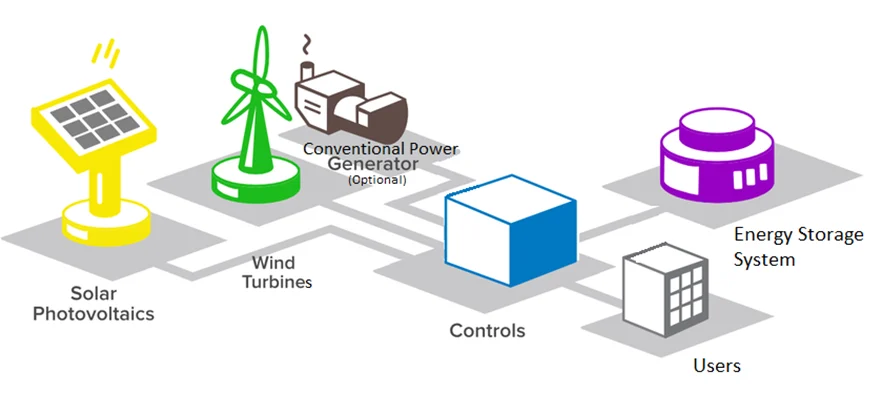
While every facility can benefit from improved energy management, some industries achieve particularly significant savings through microgrid controls because of their high energy consumption, continuous operations, and strict reliability requirements. Intelligent control systems optimise electricity generation, storage, and distribution while reducing fuel usage, peak demand charges, and maintenance costs. This results in greater operational resilience across a wide range of applications.
Manufacturing facilities use microgrid controls to maintain stable production while managing energy-intensive equipment more efficiently. Mining operations and remote industrial sites reduce diesel generator runtime by integrating renewable energy and battery storage. Data centres and hospitals depend on intelligent controls to ensure uninterrupted power while protecting sensitive equipment from voltage fluctuations and utility outages.
Commercial campuses, universities, airports, military installations, and utility-scale renewable energy projects also benefit from automated energy management. These facilities often operate multiple distributed energy resources that require continuous coordination to maximise efficiency and minimise operating costs. By intelligently balancing electricity demand and supply, microgrid controls improve reliability while supporting long-term sustainability and creating a future-ready energy infrastructure.
Build Smarter Energy Systems with ALEO Microgrid Controls
Intelligent microgrid controls help businesses reduce energy costs by optimising renewable energy, battery storage, generators, and utility power in real time. The result is lower fuel consumption, reduced demand charges, improved system reliability, and greater operational efficiency.
ALEO delivers customised 100 kW to 1 MW microgrid solutions with advanced Energy Management Systems (EMS) and intelligent microgrid controls. With UL-certified products from the USA, direct shipment, professional on-site installation and debugging support, and a 5-year warranty, ALEO provides dependable solutions tailored to your energy needs.
Visit our website and connect with us to build a smarter, more efficient microgrid with reliable industrial energy solutions.