Modern energy needs are changing as industries, communities, and businesses look for power systems that provide greater reliability, flexibility, and independence. Traditional grids are not always able to meet growing energy demands, especially in locations where outages or unstable supply affect daily operations. This has increased interest in decentralised systems that offer a more reliable power infrastructure for different applications.
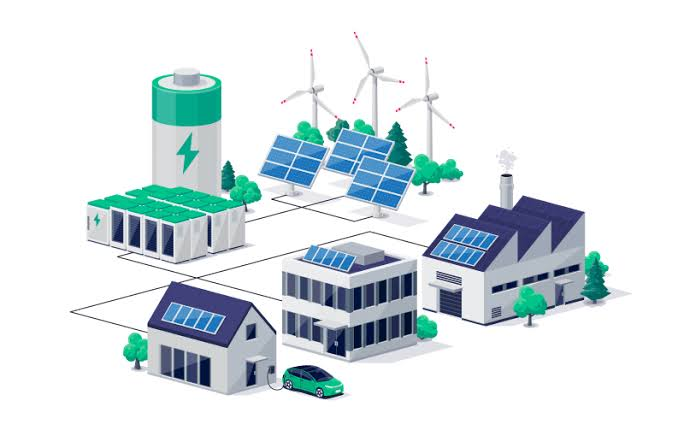
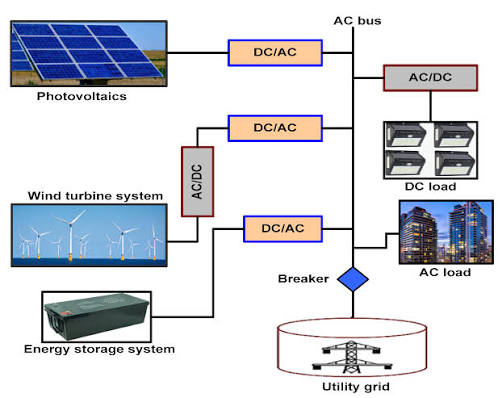
Microgrids are designed to produce and manage electricity locally using different energy sources such as generators, solar systems, wind power, and battery storage. The amount of microgrid energy produced depends on system size, technology selection, and the specific power requirements of the users it supports.
From small systems powering individual buildings to large installations supporting industrial facilities or communities, microgrids can be customised according to demand. Their flexible design allows users to improve efficiency, strengthen backup capability, and create a scalable energy production model for future requirements.
Understanding microgrid capacity is important when planning a reliable power system because output can range from a few kilowatts to hundreds of megawatts. In this article, we will explore how much power microgrids can produce, what affects microgrid energy generation, renewable possibilities, capacity examples, and the limitations of these systems.
What Determines How Much Power a Microgrid Can Produce?
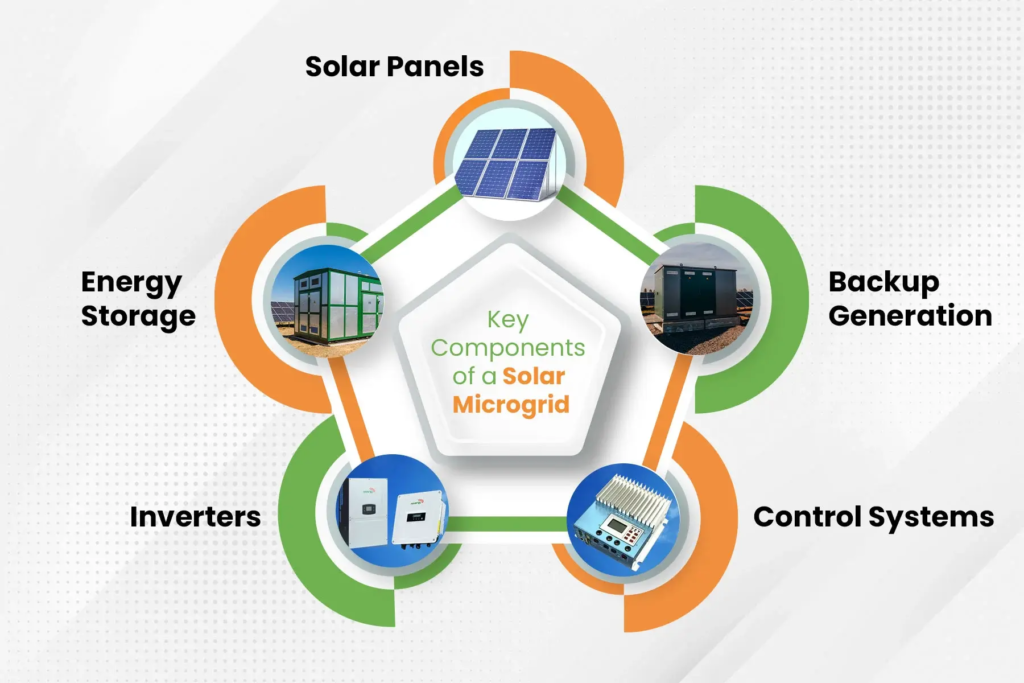
The power output of a microgrid depends on its design, energy sources, storage capacity, and the demand it is built to support. Unlike traditional power plants with fixed generation levels, microgrids can be customised for small facilities, large industries, or entire communities. This creates a flexible power generation structure based on specific energy needs.
The type and size of generation sources play the biggest role in determining total output. A microgrid using only solar panels may have different production limits compared to one combining generators, renewable sources, and battery storage. Proper planning ensures that microgrid energy production matches real operational requirements.
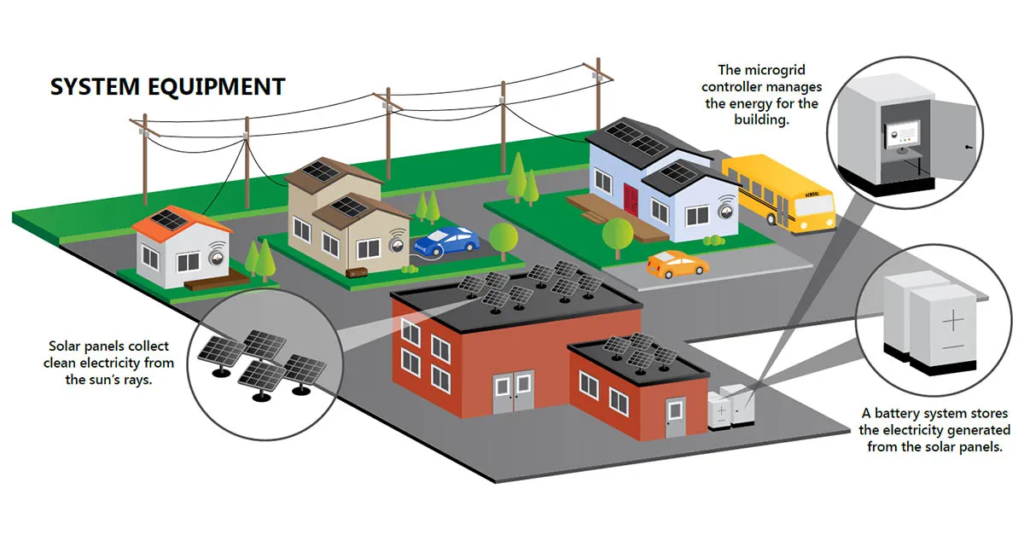
Energy storage and control systems also influence how effectively a microgrid delivers power. Batteries help store extra electricity, while advanced controllers manage when and how energy is distributed. This creates a balanced energy management process that improves efficiency and reliability.
Another important factor is load demand. A microgrid designed for a small building will require much less capacity than one supporting a manufacturing plant or remote industrial operation. By analysing current and future energy needs, users can design systems that provide stable and scalable power output.
What Is the Capacity of a Microgrid?
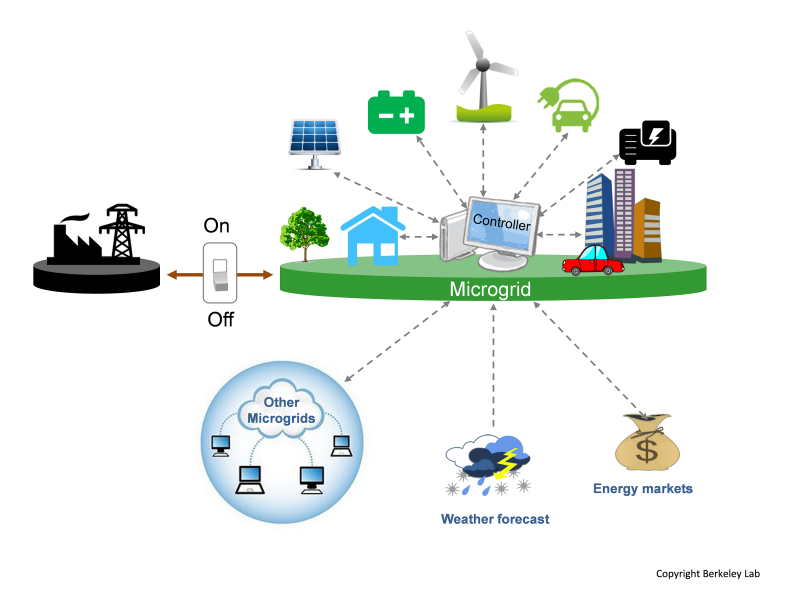
The capacity of a microgrid can vary widely depending on its purpose, location, and the type of users it supports. Small residential microgrids may produce only a few kilowatts of power, while commercial, industrial, or community-level systems can generate several megawatts. This creates a wide capacity range for different applications.
A microgrid designed for homes or small facilities usually focuses on powering essential loads such as lighting, appliances, and communication systems. Larger systems used by factories, hospitals, data centres, and industrial sites require significantly higher capacity to support continuous operations. These applications depend on reliable microgrid energy output to prevent downtime and maintain productivity.
Industrial microgrids can range from a few megawatts to hundreds of megawatts, depending on project requirements. Their capacity is determined by generation equipment, energy storage, and peak demand calculations. This creates a customised power capacity design rather than a fixed system size.
The advantage of microgrids is scalability. Additional generators, renewable sources, or storage units can be added as energy needs grow, allowing businesses and communities to expand their power infrastructure over time. This flexibility makes microgrids suitable for both current and future energy demands.
Key Factors That Influence Microgrid Energy Production
The amount of power a microgrid can produce depends on multiple factors, including generation sources, storage capacity, system design, and operating requirements. Since every project has different energy needs, microgrids are engineered according to specific load demands instead of following a single standard capacity. This creates a customised energy production approach for different applications.
A well-designed system focuses on balancing power generation and consumption to ensure reliable operation. Proper planning helps maximise microgrid energy output while improving efficiency, reducing waste, and maintaining a stable electricity supply during changing conditions.
Power Generation Sources
Power generation sources are the foundation of every microgrid because they determine the total amount of electricity available. Microgrids can combine different technologies, including diesel generators, natural gas generators, solar panels, wind turbines, and other renewable systems. This creates a diverse generation resource mix for reliable power production.
Industrial microgrids often use generators because they provide consistent output and can support heavy electrical loads. Renewable sources may be added to reduce fuel dependency and improve sustainability, but their production depends on weather and environmental conditions.
The combination of multiple sources allows a microgrid to maintain better reliability compared to depending on a single energy supply. This hybrid approach ensures that power remains available even when one source produces less energy.
Energy Storage Capacity
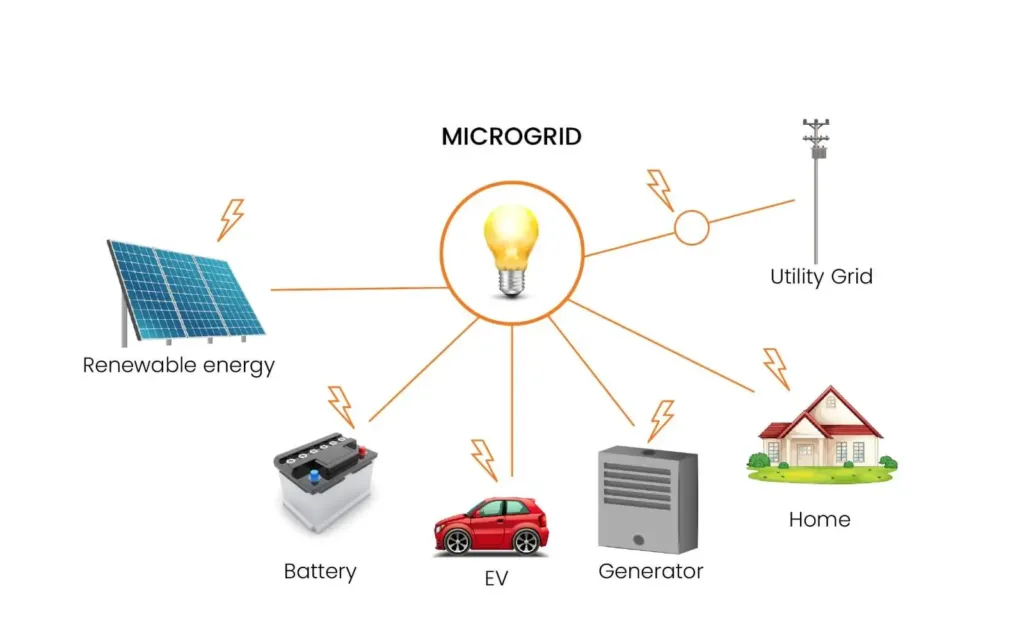
Energy storage plays a major role in determining how effectively a microgrid can use the electricity it generates. Battery systems store excess energy during periods of low demand and supply it when generation decreases or consumption increases. This provides a stable energy availability advantage for users.
Storage capacity is especially important in microgrids that rely heavily on renewable energy. Solar and wind production can fluctuate throughout the day, so batteries help balance supply and demand by providing backup power when generation is limited.
Larger storage systems increase reliability and allow more flexible operation, but they also increase overall project costs. The correct storage size depends on backup requirements, load demand, and expected operating conditions.
System Design and Load Demand
System design has a major impact on how much power a microgrid can produce and deliver consistently. Engineers must evaluate peak demand, daily consumption patterns, and future expansion needs before selecting generation and storage capacity. This creates a demand-based system planning approach for reliable operation.
A small commercial facility may only require limited power support, while large industrial operations need significantly higher capacity to operate machinery, production lines, and critical equipment. Properly designed systems ensure that microgrid energy production matches actual usage requirements without unnecessary waste or shortages.
Load management is also essential because electricity demand changes throughout the day. Advanced controls help balance available power resources and distribute energy efficiently according to priority loads. This improves performance and prevents system overload during high-demand periods.
Grid Connection and Operating Mode
A microgrid’s connection type also influences its overall power capability and reliability. Some microgrids operate while connected to the main utility grid, while others are designed to function independently in remote or off-grid locations. This provides a flexible operation capability for different energy requirements.
Grid-connected microgrids can use external electricity when needed and supply local generation when available. This improves efficiency and allows better management of energy resources during normal operation.
In island mode, a microgrid disconnects from the main grid and relies completely on its own generation sources and storage systems. This function is especially important for critical facilities that require continuous power during outages or emergencies.
The ability to switch between operating modes allows microgrids to provide reliable energy support in different conditions. A properly managed system ensures stable microgrid energy production while improving independence and resilience.
How Many Homes Can 100 Megawatts Power?
The number of homes that 100 megawatts (MW) can power depends on average electricity consumption, location, and energy usage patterns. In general, 100 MW can supply electricity to tens of thousands of homes, but the exact number changes based on household demand and regional energy efficiency. This creates a consumption-based power calculation rather than one fixed estimate.
A home with higher electricity usage, heating systems, or multiple appliances will require more power compared to an energy-efficient household. Because of these differences, the same 100 MW capacity may support different numbers of homes in different regions.
For comparison, industrial facilities often consume much larger amounts of electricity than residential areas. A large-scale microgrid may dedicate its capacity to factories, commercial buildings, or critical infrastructure instead of homes. This creates a usage-dependent capacity distribution in energy planning.
Understanding these capacity differences helps engineers design systems that match real demand. Whether supporting communities or industries, effective planning ensures that available microgrid energy is used efficiently and reliably.
Can a House Run 100% on Solar?
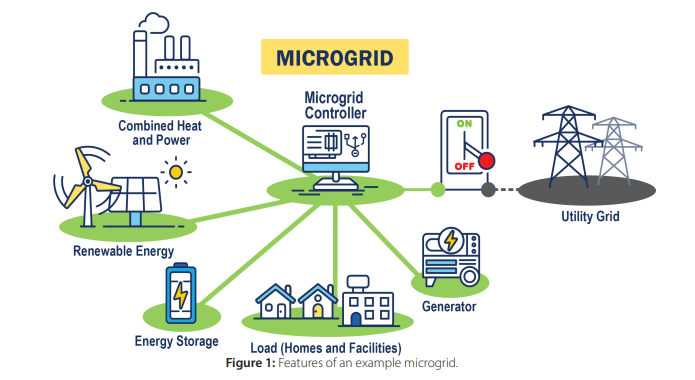
Yes, a house can run completely on solar power if the system is properly designed with enough solar panels, battery storage, and energy management equipment. However, the ability to operate fully on solar depends on electricity demand, available sunlight, and backup requirements. This creates a self-sufficient energy system design for homeowners.
Solar panels only generate electricity when sunlight is available, which means energy storage is necessary for nighttime use or cloudy conditions. Without sufficient batteries, a fully solar-powered home may still require support from the grid or another backup source.
A microgrid-style setup can improve solar reliability by combining renewable energy with storage and backup generation. This approach allows better control over energy availability and supports continuous operation during changing conditions.
While running fully on solar is possible, proper system sizing is essential. Users must calculate daily consumption, peak loads, and storage requirements to ensure reliable performance throughout the year. This creates a balanced renewable energy strategy for long-term independence.
What Country Generates 100% Electricity From Renewable Sources?
Several countries have achieved or come close to generating nearly all of their electricity from renewable sources, depending on available natural resources and energy infrastructure. Countries with strong hydropower, geothermal, wind, or solar resources are often able to maintain a much higher renewable energy share. This creates a resource-based energy transition model for cleaner electricity production.
For example, countries such as Iceland and Paraguay are known for producing almost all of their electricity from renewable sources, mainly through geothermal and hydropower generation. Their success depends on unique geographic advantages and long-term investment in renewable infrastructure.
The growth of renewable energy is also increasing interest in decentralised systems that combine multiple power sources. Advanced microgrids can integrate solar, wind, generators, and storage technologies to improve reliability while supporting cleaner power generation. This strengthens the role of microgrid energy in future electricity systems.
However, achieving 100% renewable electricity depends on location, demand, technology, and storage availability. Many countries use a combination of renewable and conventional systems to maintain a stable power supply while transitioning toward cleaner energy models.
What are the Disadvantages of a microgrid?
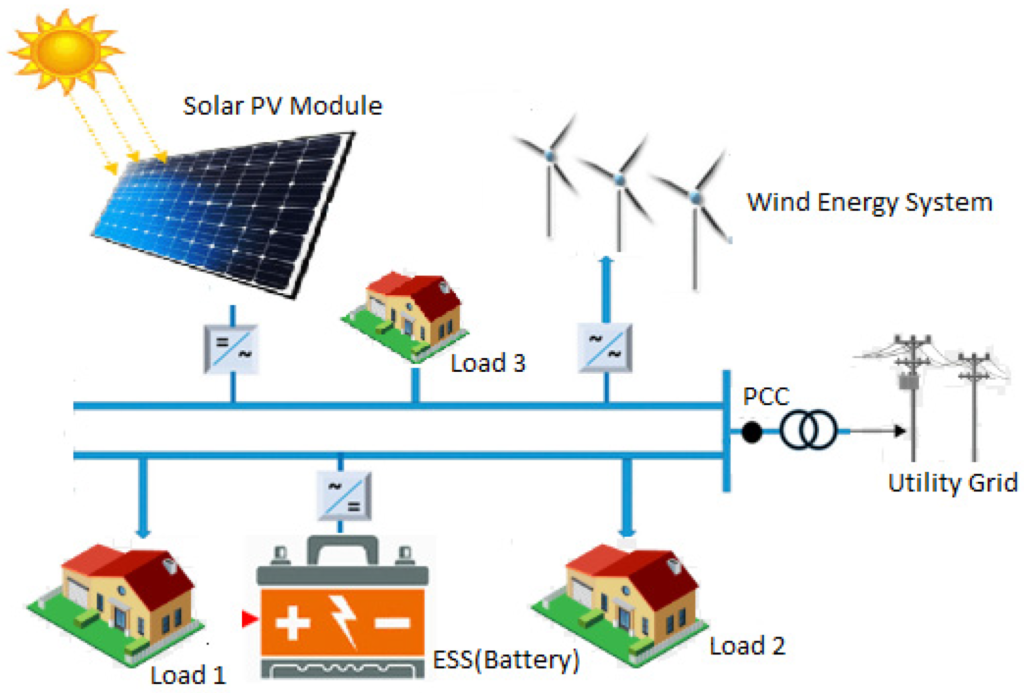
Although microgrids provide improved reliability and energy independence, they also have some limitations that should be considered during planning. One of the main challenges is the higher initial investment required for equipment, engineering, installation, and control systems. This creates a higher upfront cost challenge compared to simpler power solutions.
Microgrid systems can also be technically complex because they combine multiple components such as generators, renewable sources, batteries, and monitoring systems. Proper design and integration are necessary to ensure all parts work together efficiently.
Maintenance requirements may also increase because different technologies within the system require regular inspection and servicing. Batteries, generators, and control systems must all be monitored to maintain stable microgrid energy production over time.
Another limitation is that renewable-based microgrids may depend on weather conditions if they do not have sufficient backup or storage capacity. However, with proper engineering and system planning, these challenges can be reduced, allowing microgrids to deliver reliable long-term performance.
Why Industries Are Investing in Microgrid Energy Systems
Industries are investing in microgrid systems because reliable electricity has become essential for maintaining productivity, safety, and continuous operations. Traditional grid dependency can expose businesses to outages, voltage issues, and unexpected disruptions that directly impact performance. This creates a stronger energy reliability strategy for modern industrial facilities.
One of the biggest advantages of microgrid energy systems is the ability to generate and manage power locally. By using generators, renewable sources, and storage systems together, industries can reduce dependence on external grids while maintaining better control over their electricity supply.
Microgrids also help reduce downtime by providing backup capability during power interruptions. For manufacturing plants, data centres, hospitals, and remote operations, even short outages can result in significant losses. This makes microgrids a critical operational support system for high-demand environments.
Another reason industries adopt microgrids is scalability. As energy requirements grow, businesses can expand their systems by adding more generation capacity or storage solutions. This flexibility allows companies to prepare for future growth without completely replacing existing infrastructure.
Get Reliable Microgrid Energy Systems with ALEO!
Understanding microgrid energy capacity is essential for designing a power system that matches real operational demands. From small facilities to large industrial sites, microgrids can be customised to deliver reliable electricity through the right combination of generation sources, storage, and control technologies. This creates a flexible energy infrastructure solution for long-term reliability.
At ALEO, we provide industrial power solutions designed to support businesses that require stable performance, high-capacity output, and dependable energy systems. Our solutions help industries reduce downtime risks, improve operational continuity, and build stronger power infrastructure for critical applications. This supports a reliable industrial energy approach in demanding environments.
Each unit comes with UL certification from the USA, ensuring compliance with international safety and quality standards. With direct shipment from the United States, businesses benefit from reliable delivery timelines, while our on-site installation and debugging support ensures smooth integration and optimised performance from the beginning.
Backed by a 1-year warranty, ALEO solutions provide businesses with confidence, stability, and long-term operational support. Visit our website and connect with us today to build efficient and dependable energy systems for your future power requirements.