The history of microgrids reflects the evolution of electricity itself. Long before large utility networks connected cities and industries, communities generated and managed their own power using localised energy systems. These early power networks supplied electricity to factories, campuses, and remote settlements, operating independently because centralised transmission infrastructure did not yet exist. Although technology has advanced dramatically over the past century, the fundamental concept of producing and managing electricity close to where it is consumed remains the foundation of today’s distributed energy systems.
As centralised power grids expanded, they became the dominant method of electricity distribution due to their ability to deliver reliable power across vast regions. However, growing energy demand, ageingg infrastructure, extreme weather events, and the rapid adoption of renewable energy have exposed the limitations of relying solely ocentraliseded grids. These challenges have renewed interest in microgrids as flexible, resilient, and efficient energy solutions capable of operating independently or alongside the utility network.
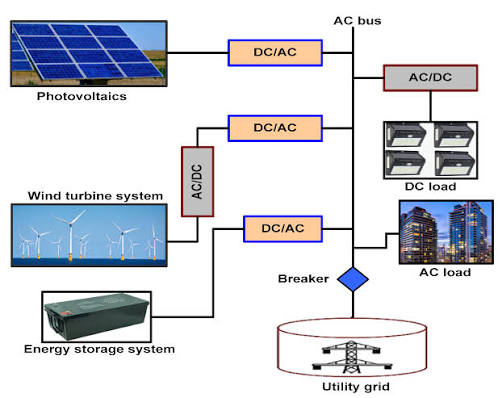
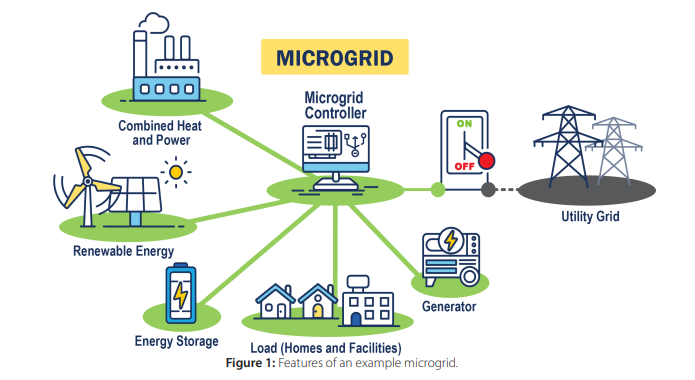
Modern microgrids combine renewable energy sources, Battery Energy Storage Systems (BESS), backup generators, and advanced Energy Management Systems (EMS) to provide reliable and cost-effective electricity. Unlike the isolated systems of the past, today’s microgrids use intelligent automation and real-time monitoring to optimise energy generation, storage, and distribution while improving operational resilience.
This article explores the history of microgrids, tracing their development from early localised power systems to today’s intelligent energy networks. It also examines the technological innovations, renewable energy integration, and industry trends shaping the future of microgrids as a future-ready energy infrastructure.
The Origins of Microgrids
The history of microgrids began long before interconnected utility networks became the standard for electricity distribution. In the late nineteenth and early twentieth centuries, electricity was generated and consumed locally because large-scale transmission infrastructure had not yet been developed. Factories, universities, hospitals, mining operations, and small communities often relied on their own power plants to meet daily energy needs. These self-contained systems represented the earliest form of microgrids, providing reliable electricity within a limited geographic area while operating independently from other power networks. This localised approach established the foundation for distributed power generation.
Early power systems typically used steam engines, diesel generators, or small hydroelectric plants to produce electricity close to where it was consumed. Since power could not be transmitted efficiently over long distances, generating electricity on-site was the most practical solution. These systems supplied lighting, industrial machinery, transportation infrastructure, and essential public services, enabling economic growth during the early stages of electrification.
Although these early microgrids lacked the advanced automation and renewable technologies available today, they demonstrated the advantages of localised energy production. Their ability to provide reliable electricity without depending on distant infrastructure continues to influence modern microgrid design, making localised generation an important part of today’s future-ready energy infrastructure.
The Rise of Centralised Power Grids
As electricity demand increased throughout the twentieth century, governments and utility companies invested heavily in expanding centralised power grids. Large power plants capable of generating electricity at a much greater scale were connected through extensive transmission and distribution networks, allowing power to be delivered efficiently across cities, regions, and eventually entire countries. This transformation marked a major milestone in the history of microgrids, as localised power systems were gradually replaced by interconnected utility infrastructure that offered greater economies of scale and improved power accessibility.
Centralised grids enabled utilities to serve millions of customers from fewer generating facilities, reducing the need for individual organisations to operate and maintain their own power plants. Advances in transmission technology also made it possible to transport electricity over much longer distances with improved reliability. As a result, industries, businesses, and residential communities increasingly relied on the utility grid as their primary source of electricity.
Despite these advantages, centralised grids introduced new challenges. Large-scale outages, ageing infrastructure, fuel price volatility, and dependence on a single electricity source exposed vulnerabilities that became more apparent over time. These limitations eventually encouraged renewed interest inlocalisedd energy systems, setting the stage for the modern resurgence of microgrids and supporting the development of intelligent energy management.
Why Microgrids Made a Comeback
Although centralised power grids successfully supported economic growth for decades, changing energy demands gradually revealed their limitations. Rising electricity consumption, ageingg transmission infrastructure, increasingly frequent extreme weather events, and growing concerns about energy security encouraged businesses and governments to reconsidelocaliseded power generation. This renewed interest marked an important chapter in the history of microgrids, as organisations began seeking more resilient and flexible energy solutions. Modern microgrids emerged as an effective way to improve energy resilience while reducing dependence on a single utility network.
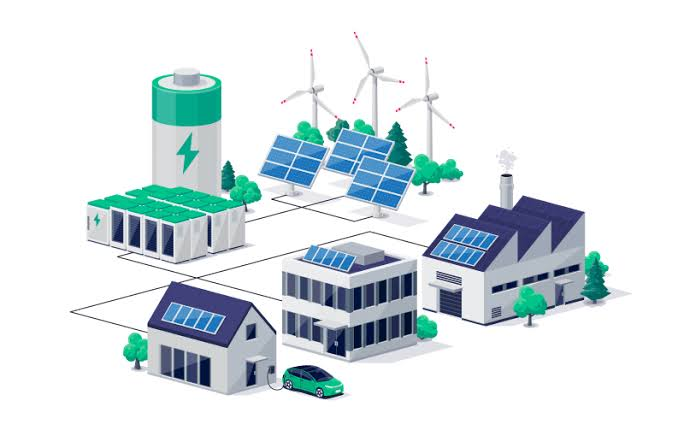
The rapid growth of renewable energy also accelerated the return of microgrids. Solar panels, wind turbines, and Battery Energy Storage Systems (BESS) made it possible to generate and store electricity locally with greater efficiency than ever before. Instead of relying entirely on centralised power plants, organisations could produce clean energy on-site, lower operating costs, and maintain electricity during grid outages.
At the same time, advances in Energy Management Systems (EMS), automation, and digital monitoring transformed microgrids into intelligent energy networks capable of making real-time operational decisions. These innovations allowed renewable energy, battery storage, generators, and utility power to operate together seamlessly, making modern microgrids a practical solution for industrial facilities, commercial campuses, and critical infrastructure while supporting a future-ready energy infrastructure.
Major Milestones in the History of Microgrids
The history of microgrids has been shaped by several technological and industrial developments that transformed localised power systems into today’s intelligent energy networks. Each milestone introduced new capabilities that improved reliability, efficiency, and the ability to integrate multiple energy sources. Together, these advancements have expanded the role of microgrids across industries while driving continuous technological innovation.
Early Industrial Microgrids
Many of the first microgrids were developed to supply electricity to factories, mines, universities, and hospitals before large utility grids became widely available. These facilities generated power on-site using steam engines, diesel generators, or small hydroelectric systems to ensure reliable electricity for daily operations. Although relatively simple by today’s standards, these systems demonstrated the practical value of localised power generation.
Military and Remote Applications
Microgrids later became essential for military bases, islands, remote communities, and mining operations where utility connections were unavailable or unreliable. These independent energy systems improved energy security by reducing dependence on long transmission lines while ensuring continuous electricity for mission-critical operations.
Smart Grid Integration
The introduction of digital communication technologies, advanced sensors, and Energy Management Systems (EMS) enabled microgrids to interact intelligently with the utility grid. Real-time monitoring and automated controls improved system efficiency, allowing microgrids to switch seamlessly between grid-connected and islanded operation while maximising renewable energy utilisation.
Modern Renewable Microgrids
Today’s microgrids combine solar energy, wind power, Battery Energy Storage Systems (BESS), intelligent controls, and advanced power electronics into highly efficient energy networks. These modern systems optimise electricity generation and distribution automatically, helping organisations reduce operating costs, improve sustainability, and strengthen a smart power management framework.
How Technology Changed Microgrids
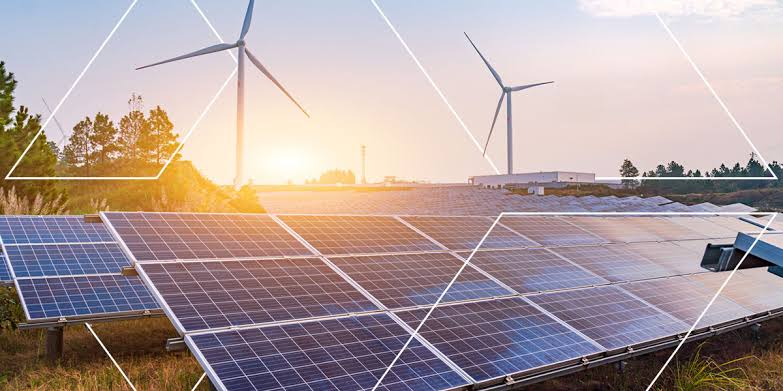
Modern technology has transformed the history of microgrids from simple localised power systems into intelligent energy networks capable of optimising electricity production and consumption in real time. Early microgrids depended heavily on manual operation and conventional generators, limiting their efficiency and flexibility. Today, advances in digital control systems, Battery Energy Storage Systems (BESS), communication technologies, and automation enable microgrids to respond instantly to changing energy demands. These innovations have significantly improved system intelligence while making microgrids more reliable, scalable, and cost-effective.
Battery storage has played a major role in this transformation by allowing excess renewable energy to be stored and used when generation decreases or electricity demand rises. At the same time, advanced Energy Management Systems (EMS) continuously analyse data from generators, batteries, renewable energy sources, and electrical loads to determine the most efficient operating strategy. This real-time coordination reduces fuel consumption, minimises energy waste, and ensures uninterrupted power during utility outages.
Emerging technologies such as the Internet of Things (IoT), artificial intelligence (AI), cloud-based monitoring, and predictive analytics continue to expand microgrid capabilities. Operators can now monitor system performance remotely, detect equipment issues before failures occur, and optimise energy usage automatically. These technological advancements have made modern microgrids an essential component of future-ready energy infrastructure.
The Role of Renewable Energy in Modern Microgrids
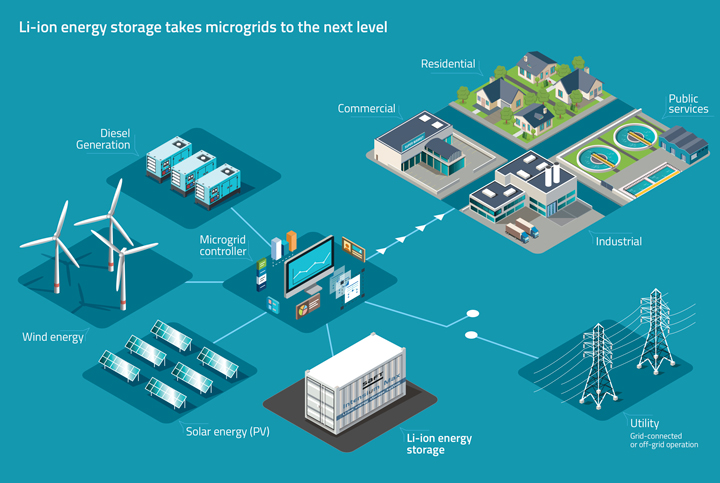
Renewable energy has become one of the most significant drivers in the modern history of microgrids. As businesses and governments pursue cleaner and more sustainable energy solutions, microgrids have evolved to integrate solar panels, wind turbines, and other renewable resources alongside conventional generators and battery storage. This combination improves energy sustainability while reducing dependence on fossil fuels and centralised electricity networks.
Solar energy is now the most commonly integrated renewable resource because it can generate electricity directly where it is needed. Wind energy further enhances system performance in locations with suitable weather conditions, providing an additional source of clean electricity. Battery Energy Storage Systems (BESS) complement these renewable resources by storing surplus energy and delivering it when renewable generation declines or electricity demand increases.
Advanced Energy Management Systems (EMS) coordinate renewable energy, battery storage, generators, and utility connections to maximise efficiency and maintain reliable operation. By intelligently balancing multiple energy sources, modern microgrids reduce carbon emissions, lower operating costs, and increase energy resilience. This integration of renewable technologies continues to shape the future of microgrids while supporting a reliable industrial energy solution.
Industries Driving Microgrid Adoption Today
The history of microgrids continues to evolve as more industries adopt localised energy systems to improve reliability, reduce operating costs, and strengthen energy security. Rising electricity prices, increasing sustainability goals, and the need for uninterrupted operations have encouraged organisations across multiple sectors to invest in intelligent microgrid solutions. These systems provide greater operational flexibility by integrating renewable energy, battery storage, generators, and advanced Energy Management Systems (EMS) into a single coordinated network.
Manufacturing facilities use microgrids to stabilise energy-intensive production processes while lowering electricity and fuel costs. Data centres and hospitals depend on localised power systems to maintain continuous operations and protect critical equipment during utility outages. Mining operations, oil and gas facilities, and remote industrial sites rely on microgrids to reduce diesel consumption and improve energy reliability in locations where grid access is limited.
Universities, airports, military bases, commercial campuses, and remote communities are also expanding their use of microgrids to increase resilience and support long-term sustainability goals. As energy systems become more decentralised, these industries demonstrate how modern microgrids have evolved beyond backup power to become strategic assets that improve efficiency, reduce emissions, and contribute to a future-ready energy infrastructure.
The Future of Microgrids
The next chapter in the history of microgrids will be defined by greater intelligence, automation, and integration with distributed energy resources. Advances in artificial intelligence (AI), machine learning, and predictive analytics are enabling microgrids to make faster and more accurate operational decisions based on real-time energy demand, weather forecasts, electricity prices, and equipment performance. These innovations are creating more adaptive energy systems that continuously optimise efficiency without requiring manual intervention.
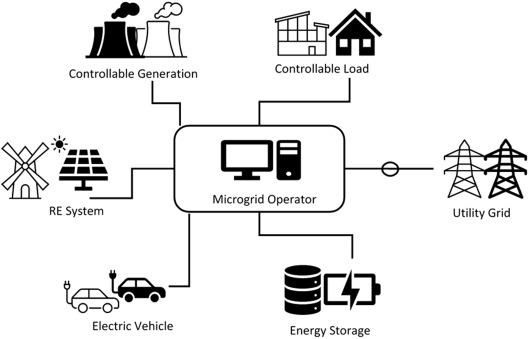
Future microgrids will increasingly incorporate Distributed Energy Resources (DERs), Vehicle-to-Grid (V2G) technology, long-duration battery storage, and advanced Energy Management Systems (EMS). Electric vehicles may serve as additional energy storage resources, while intelligent control platforms will coordinate power flow between renewable energy, batteries, generators, and the utility grid. This interconnected approach will improve grid stability and maximise the value of locally generated electricity.
As organisations continue to prioritise resilience, sustainability, and energy independence, microgrids will play an even larger role in modern power infrastructure. Their ability to deliver reliable, efficient, and flexible electricity positions them as a key component of future energy systems, supporting businesses and communities with a smart power management framework.
Build Future-Ready Microgrids with ALEO
The history of microgrids demonstrates how localized power systems have evolved from simple standalone electricity networks into intelligent, resilient energy solutions. What began as isolated generation for factories and communities has become a modern approach to energy management that combines renewable energy, Battery Energy Storage Systems (BESS), advanced controls, and real-time monitoring. As organizations continue to prioritize energy security, sustainability, and operational efficiency, microgrids are expected to play an even greater role in the future of global power infrastructure through intelligent energy management.
Whether supporting industrial facilities, commercial campuses, hospitals, remote communities, or critical infrastructure, modern microgrids provide greater flexibility, improved reliability, and better control over energy costs. Their ability to operate independently during grid outages while optimizing multiple energy resources makes them a long-term investment for organizations seeking dependable and efficient power solutions.
ALEO designs and customizes microgrid solutions from 100 kW to 1 MW, integrating advanced Energy Management Systems (EMS), Battery Energy Storage Systems (BESS), and intelligent controls to maximize performance. With UL-certified products from the USA, direct shipment from the United States, professional on-site installation and debugging support, and a 5-year warranty, ALEO delivers dependable microgrid solutions tailored to your operational needs.
Visit our website and connect with us to build a smarter, more resilient energy system with a future-ready energy infrastructure.