Rising electricity costs and increasing pressure on power infrastructure are encouraging businesses to rethink how they generate and manage energy. Grid outages, fluctuating utility prices, and growing operational demands can significantly impact productivity and profitability. This has increased the demand for resilient business energy solutions that offer greater control and reliability.
One solution gaining attention across industrial and commercial sectors is scale microgrids. These localised energy systems combine power generation, storage, and intelligent control technologies to deliver reliable electricity while reducing dependence on traditional utility grids. They are designed to improve energy efficiency and support continuous operations even during grid disruptions.
Unlike conventional backup systems, scale microgrids actively manage energy resources to optimise consumption, balance loads, and integrate multiple power sources such as generators, solar energy, and battery storage. This creates a smart energy management approach that helps businesses improve operational performance while controlling long-term energy costs.
As organisations continue investing in more reliable and efficient energy infrastructure, scale microgrids are becoming a practical solution for achieving both financial and operational benefits. In this article, we will explore how scale microgrids help businesses reduce energy costs, improve power reliability, support critical operations, and strengthen long-term energy resilience.
What Are Scale Microgrids?
Scale microgrids are localised energy systems designed to generate, store, manage, and distribute electricity for commercial, industrial, or community applications. Unlike traditional power networks that rely entirely on utility providers, these systems give businesses greater control over how energy is produced and used. This creates a decentralised energy management system for improved operational efficiency.
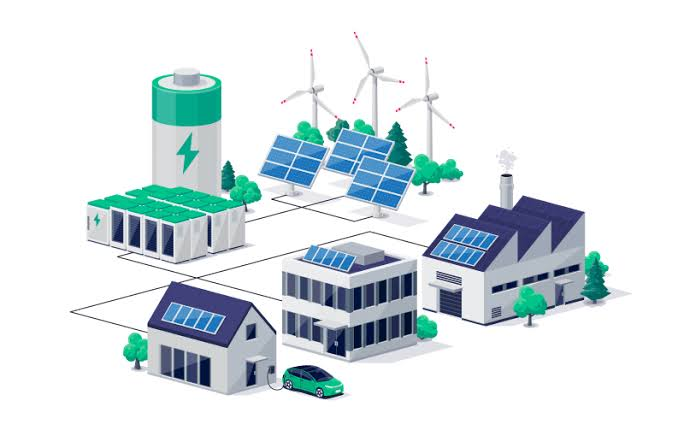
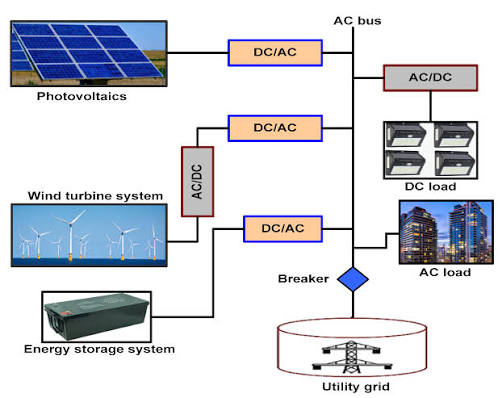
Modern scale microgrids typically combine multiple power sources such as diesel generators, natural gas generators, solar panels, wind energy, and battery storage. These components are connected through intelligent control systems that monitor electricity demand and automatically balance available energy resources.
One of the key advantages of scale microgrids is their ability to operate both alongside the utility grid and independently during power outages. This flexibility ensures a continuous electricity supply for critical operations while reducing dependence on external infrastructure. This provides a reliable operational continuity solution for businesses.
As energy demands continue to grow, scale microgrids are becoming an important part of modern industrial infrastructure by improving resilience, supporting energy optimisation, and enhancing long-term business performance.
How Do Scale Microgrids Help Businesses Reduce Energy Costs?

One of the biggest advantages of scale microgrids is their ability to reduce operating expenses while improving energy efficiency. Instead of relying entirely on utility electricity, businesses can generate, store, and manage power locally based on real-time demand. This allows organisations to optimise energy usage, minimise waste, and protect themselves from rising electricity costs. This creates a long-term energy cost strategy for commercial and industrial facilities.
Unlike conventional backup systems that operate only during outages, scale microgrids continuously monitor and optimise energy flow. They intelligently decide when to use locally generated electricity, stored energy, or utility power to achieve the lowest possible operating cost while maintaining uninterrupted performance.
Lower Dependence on Utility Grids
One of the most effective ways to scale microgrids and reduce costs is by decreasing dependence on the main electricity grid. Instead of purchasing all electricity from utility providers, businesses generate part of their own power using generators, renewable energy systems, or hybrid configurations. This creates a reduced grid dependency model for better financial control.
Lower grid dependence also protects businesses from increasing electricity tariffs and unexpected price fluctuations. During periods of high utility demand, companies can rely more on their own energy resources instead of paying premium electricity rates. This improves budgeting accuracy and reduces long-term operating expenses.
For facilities operating around the clock, even small reductions in grid electricity consumption can generate significant annual savings while improving energy security.
Optimised Energy Management
Modern scale microgrids use intelligent control systems that continuously monitor electricity production, storage, and consumption. These systems automatically determine the most efficient way to distribute available power based on current demand, helping businesses avoid unnecessary energy losses. This creates a smart energy optimisation process for industrial operations.
Advanced monitoring software also identifies consumption trends and allows facility managers to improve energy planning. By balancing loads across different power sources, businesses reduce wasted electricity while improving the overall efficiency of their operations.
Load management becomes especially valuable during peak production periods, where efficient energy distribution helps maintain stable operations without excessive utility costs.
Integration of Multiple Energy Sources
Another major advantage of scale microgrids is their ability to combine different power sources into one coordinated system. Businesses can integrate diesel generators, natural gas generators, solar panels, wind energy, and battery storage according to operational requirements. This creates a hybrid energy generation strategy that improves both efficiency and reliability.
Instead of depending on a single electricity source, the system automatically selects the most suitable resource based on availability, cost, and demand. During sunny conditions, solar energy may reduce generator usage, while battery storage can provide additional support during peak demand or outages.
This flexibility allows businesses to lower fuel consumption, improve energy utilisation, and reduce overall operating expenses while maintaining reliable power availability.
Long-Term Return on Investment
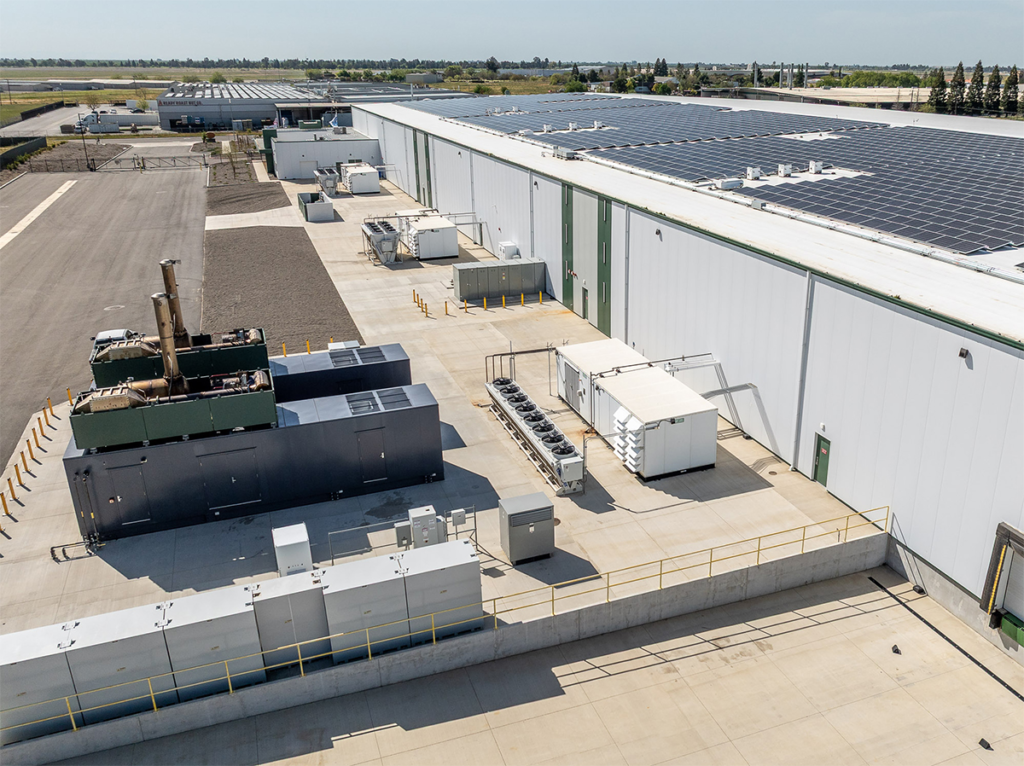
Although installing scale microgrids requires an initial investment, the long-term financial benefits often outweigh the upfront costs. Lower electricity purchases, improved fuel efficiency, reduced downtime, and optimised energy management contribute to significant operational savings over the system’s lifespan. This provides a strong long-term investment value for industrial and commercial users.
Businesses also benefit from improved equipment utilisation because stable power reduces unnecessary stress on electrical systems and production equipment. Lower maintenance costs and fewer operational interruptions further improve the overall return on investment.
As energy prices continue to rise, organisations that invest in scale microgrids position themselves for greater financial stability and stronger operational resilience. Rather than viewing microgrids as a short-term expense, many businesses consider them a strategic investment that delivers sustainable cost savings and dependable power performance for years to come.
How Scale Microgrids Improve Power Reliability
Reliable electricity is essential for businesses that depend on continuous operations, automated production, and critical equipment. Even short power interruptions can lead to production delays, equipment damage, and financial losses. By generating and managing electricity locally, scale microgrids help businesses maintain stable operations even when the utility grid experiences disruptions. This creates a continuous power reliability framework for industrial facilities.
One of the biggest reliability advantages is the ability to continue operating during grid outages. If the main utility supply fails, the microgrid can automatically switch to local generation sources such as generators or battery storage without significantly interrupting operations. This minimises downtime and protects essential business processes.
Modern scale microgrids also improve power quality by balancing electrical loads and maintaining stable voltage and frequency. This is particularly important for industries using sensitive machinery, automated production lines, or data processing equipment that require consistent electrical performance. This creates a stable power quality advantage for critical operations.
Another benefit is the protection of priority loads. Advanced control systems can automatically direct available electricity to the most important equipment during emergencies, ensuring that essential operations continue even if non-critical loads are temporarily reduced.
Overall, improved reliability not only protects productivity but also reduces maintenance costs, prevents unexpected shutdowns, and strengthens business resilience against future energy disruptions.
Key Industries That Benefit from Scale Microgrids
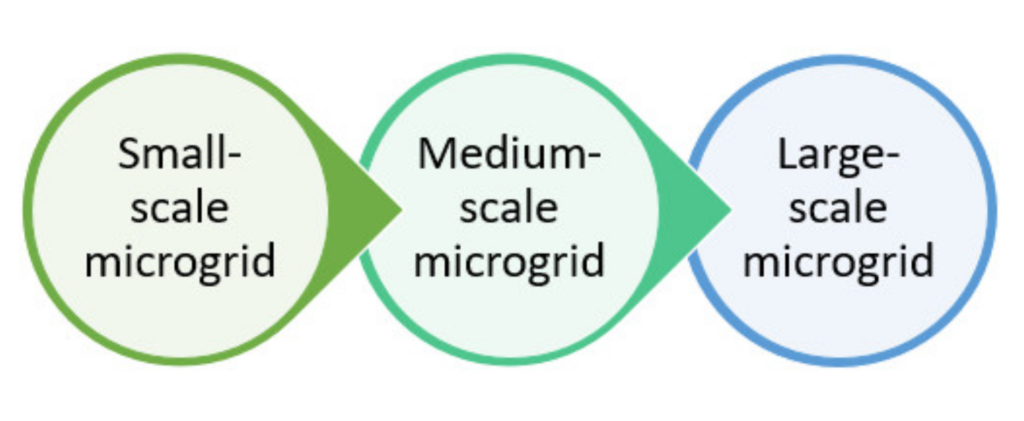
Many industries are adopting scale microgrids because they provide reliable electricity, greater energy control, and protection against unexpected power disruptions. Organisations that rely on continuous operations benefit the most, as even brief outages can result in production delays, equipment damage, or financial losses. This creates a high-reliability energy solution for critical business environments.
Manufacturing facilities use microgrids to keep production lines operating efficiently and reduce downtime caused by unstable grid conditions. Hospitals depend on reliable power for life-saving medical equipment, emergency systems, and patient care, while data centres require uninterrupted electricity to protect servers and sensitive information.
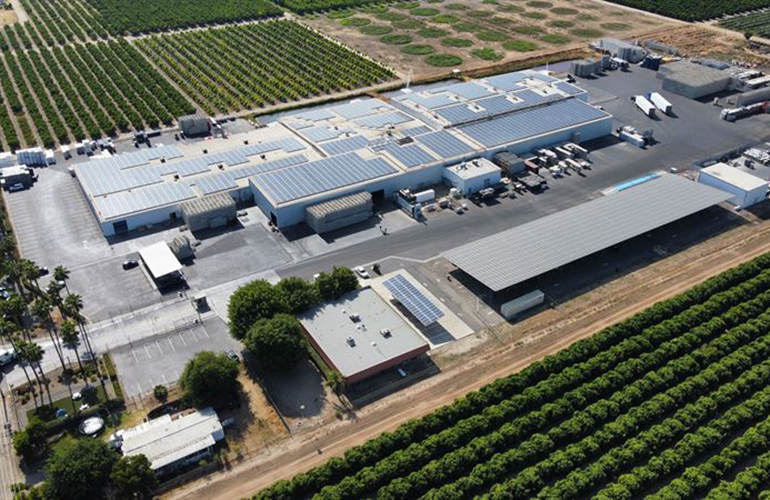
Commercial buildings, universities, airports, and remote industrial sites also benefit from microgrids by improving energy resilience and reducing dependence on utility providers. By combining local generation, storage, and intelligent controls, scale microgrids help these facilities maintain stable operations while improving long-term energy efficiency. This provides a business continuity advantage across multiple industries.
Factors to Consider Before Implementing Scale Microgrids
Before investing in a microgrid, businesses should evaluate several technical and operational factors to ensure the system meets current and future energy requirements. Proper planning improves system performance while maximising long-term return on investment. This creates a strategic energy planning process for successful implementation.
The first step is assessing total energy demand and identifying critical loads that require uninterrupted power. Understanding peak consumption helps determine the appropriate generation capacity, storage size, and backup requirements for the facility.
Businesses should also evaluate available space, fuel sources, renewable energy opportunities, and future expansion plans. A properly designed scale microgrid solution should be flexible enough to grow alongside business operations without requiring a complete system replacement. This provides a scalable infrastructure advantage for long-term development.
Maintenance planning is equally important. Regular inspections, software monitoring, and equipment servicing help maintain reliability, improve efficiency, and extend the operational life of the microgrid. Working with experienced solution providers also ensures proper installation, integration, and long-term technical support.
Challenges of Deploying Scale Microgrids
Although scale microgrids provide significant long-term benefits, businesses should also consider the challenges involved in implementation. Most of these challenges relate to planning, investment, and system integration rather than the technology itself. This creates a careful project planning requirement for successful deployment.
One of the biggest challenges is the initial capital investment. Installing generators, renewable energy systems, battery storage, control equipment, and electrical infrastructure requires a higher upfront cost than relying solely on the utility grid. However, many businesses recover these costs over time through lower operating expenses and improved energy efficiency.
System integration is another important consideration. Different energy sources must work together seamlessly, requiring advanced control systems and professional engineering. Poor integration can reduce efficiency, affect reliability, and increase maintenance requirements. This creates a complex energy integration process that must be managed carefully.
Technical expertise is also essential throughout the project lifecycle. Proper design, installation, monitoring, and maintenance ensure the microgrid continues operating efficiently as business needs evolve. In addition, organisations must consider local regulations, safety requirements, and grid interconnection standards before deployment.
How Scale Microgrids Support Business Growth
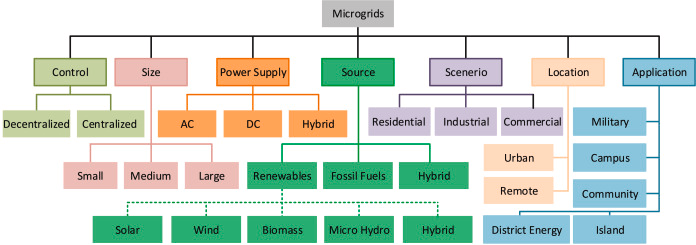
Reliable energy is not only important for daily operations but also for long-term business growth. As companies expand their facilities, increase production capacity, or adopt new technologies, their electricity demand also rises. Scale microgrids provide the flexibility to grow alongside these changing requirements without relying entirely on external utility infrastructure. This creates a scalable energy growth strategy for expanding businesses.
Unlike conventional power systems, scale microgrids can be upgraded by adding more generators, battery storage, or renewable energy sources as operational needs increase. This modular design allows businesses to expand their energy infrastructure gradually while maintaining consistent performance and avoiding costly system replacements. This provides a future-ready infrastructure advantage for growing organisations.
Another important benefit is predictable operational spending. By reducing dependence on fluctuating utility prices and improving energy efficiency, businesses gain better control over long-term operating costs and investment planning. This creates a stable cost management approach for commercial and industrial facilities.
As energy requirements continue to evolve, businesses need power systems that can adapt without compromising reliability. Investing in well-designed scale microgrids enables organisations to support expansion, improve operational resilience, and strengthen their competitive position through dependable and scalable energy infrastructure. This delivers a long-term business resilience benefit for sustainable growth.
Future of Scale Microgrids in Business Energy Management
As businesses continue seeking greater energy independence and operational efficiency, scale microgrids are expected to become an increasingly important part of modern energy strategies. Advances in digital technology, automation, and renewable energy integration are making these systems smarter, more efficient, and easier to manage. This creates a future-focused energy management model for commercial and industrial facilities.
Artificial intelligence, advanced monitoring platforms, and predictive analytics are improving how microgrids manage electricity generation, storage, and consumption. These technologies help businesses optimise energy usage, reduce waste, and respond quickly to changing operational demands.
The growing adoption of renewable energy is also driving the development of hybrid microgrids that combine solar power, battery storage, and conventional generators. This balanced approach improves both sustainability and reliability while reducing long-term operating costs.
As energy infrastructure continues to evolve, scale microgrids will play a key role in helping businesses build resilient, cost-effective, and future-ready power systems that support long-term operational success.
Reliable Microgrids For Every Sector – Connect With ALEO Today!
Scale microgrids are helping businesses transform the way they manage energy by reducing operating costs, improving power reliability, and increasing energy independence.
At ALEO, we deliver power solutions engineered for demanding commercial and industrial environments where reliability and efficiency are essential.
Every ALEO system comes with UL certification from the USA, ensuring compliance with international quality standards. With direct shipment from the United States, businesses benefit from reliable delivery schedules, while our on-site installation and debugging support ensures seamless integration and optimised performance from day one.
Backed by a 1-year warranty, ALEO solutions help organisations build reliable, scalable, and future-ready energy infrastructure. Visit our website and connect with us today to discover how our industrial power solutions can support your long-term energy goals.