As digital transformation accelerates, data centers have become the backbone of modern business operations. Cloud computing, artificial intelligence, financial services, healthcare systems, and telecommunications all rely on facilities that must deliver uninterrupted power around the clock. Even a brief outage can disrupt critical services, compromise sensitive data, and result in significant financial losses. To strengthen energy resilience and reduce dependence on conventional utility infrastructure, many organizations are investing in a data center microgrid as part of their long-term power strategy.
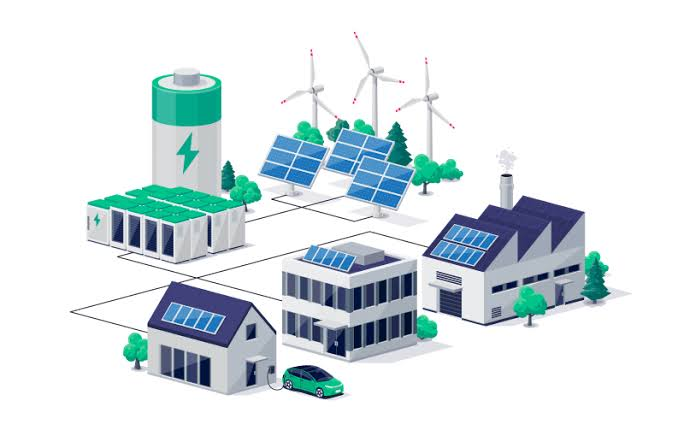
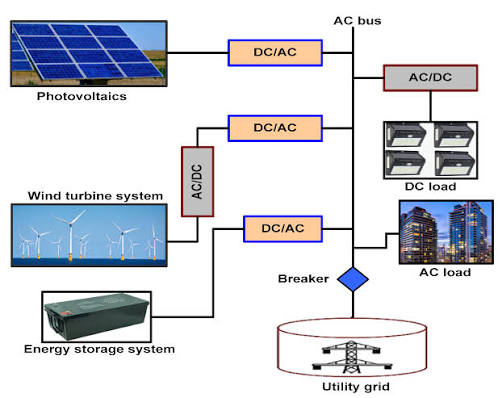
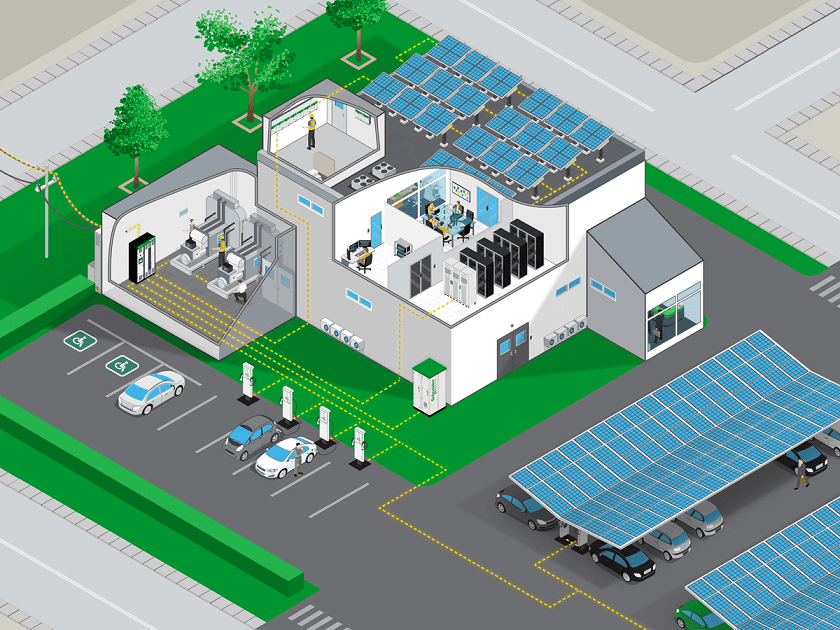
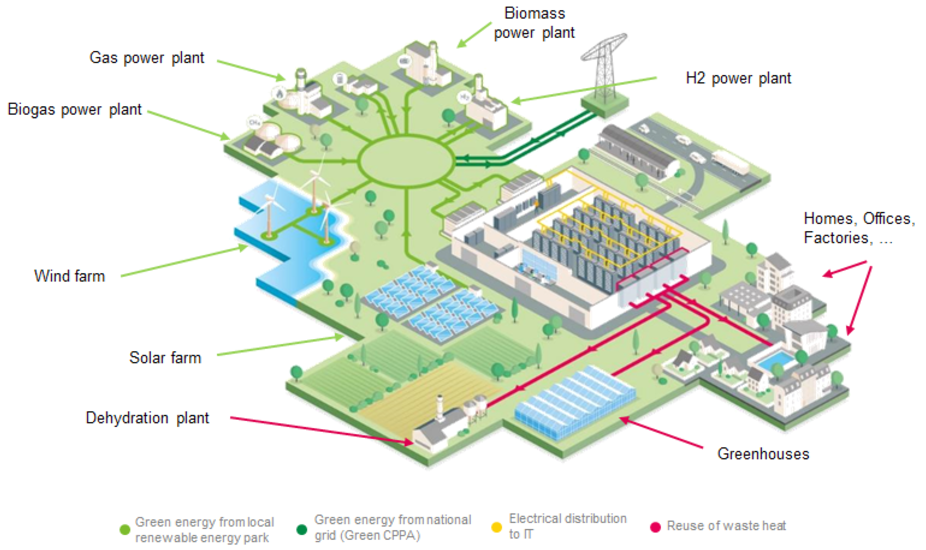
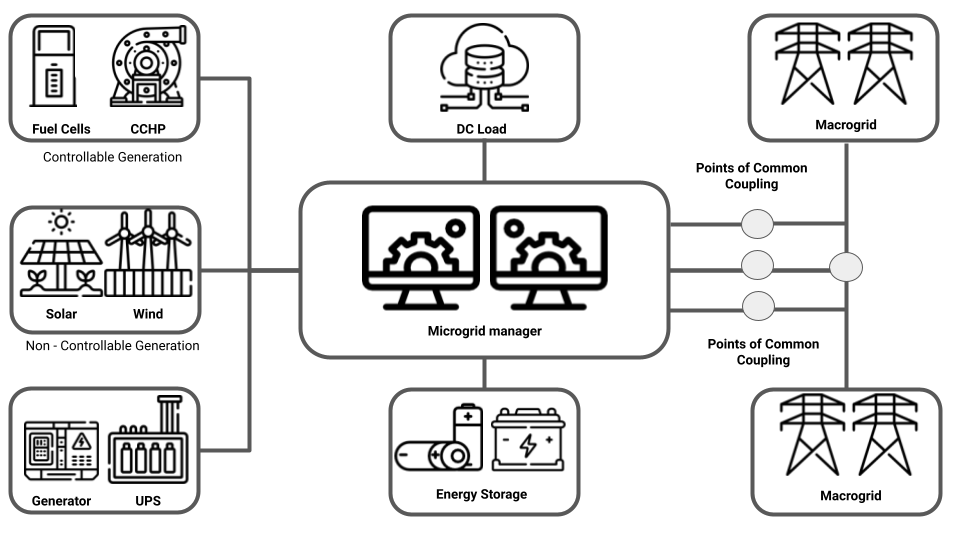
Unlike traditional backup power systems that activate only during grid failures, a data center microgrid is designed to actively manage electricity generation, storage, and distribution every day. It combines distributed energy resources such as Battery Energy Storage Systems (BESS), backup generators, renewable energy, switchgear, and intelligent Energy Management Systems (EMS) into one coordinated network. This integrated approach improves power reliability, optimizes energy usage, and ensures critical IT infrastructure continues operating under changing grid conditions.
One of the most common questions businesses ask before investing is how much a data center microgrid actually costs. The answer is rarely straightforward because every facility has different power requirements, redundancy objectives, expansion plans, and operational priorities. Factors such as electrical capacity, battery storage, engineering complexity, backup generation, and site conditions all influence the overall investment. Looking beyond the purchase price and evaluating the complete lifecycle cost provides a far more accurate understanding of the project’s long-term value.
This article explores the factors that determine the cost of a data center microgrid, explains how system design influences investment, examines long-term operational expenses and potential cost savings, and highlights what businesses should consider before selecting a solution for a future-ready energy infrastructure.
Why Data Centers Are Investing in Microgrids
Reliable electricity is the foundation of every modern data center. Servers, networking equipment, cooling systems, and security infrastructure must operate continuously to support cloud services, financial transactions, healthcare platforms, AI workloads, and other mission-critical applications. Even a few minutes of downtime can result in service disruptions, revenue losses, contractual penalties, and reputational damage. To improve resilience against utility outages and growing electricity demand, many organizations are investing in a data center microgrid as a long-term energy solution. This shift allows operators to strengthen business continuity while gaining greater control over their power infrastructure.
Traditional backup systems typically rely on utility power supported by uninterruptible power supplies (UPS) and standby generators. While effective during emergencies, these systems do not actively optimize energy use during normal operation. A microgrid takes a more intelligent approach by integrating Battery Energy Storage Systems (BESS), backup generators, renewable energy resources, and Energy Management Systems (EMS) into one coordinated platform. This enables facilities to balance electricity generation, storage, and consumption in real time while maintaining continuous availability.
The rapid growth of artificial intelligence, cloud computing, and hyperscale data centers is driving electricity demand to unprecedented levels. As facilities expand, operators require infrastructure that can support higher rack densities and future workloads without compromising reliability. A scalable microgrid allows additional generation, storage, and control technologies to be integrated as requirements evolve, protecting long-term investments and supporting future expansion.
Rather than functioning only as emergency backup power, modern microgrids actively optimize electricity every day. This helps improve operational efficiency, strengthen resilience, and reduce long-term energy risks while creating a future-ready energy infrastructure.
What Determines the Cost of a Data Center Microgrid?
There is no fixed price for a data center microgrid because every facility has different operational requirements. The total investment depends on electrical capacity, redundancy requirements, battery storage, backup generation, engineering complexity, site conditions, and future expansion plans. Evaluating these cost drivers helps businesses estimate project budgets more accurately instead of relying on generalized pricing.
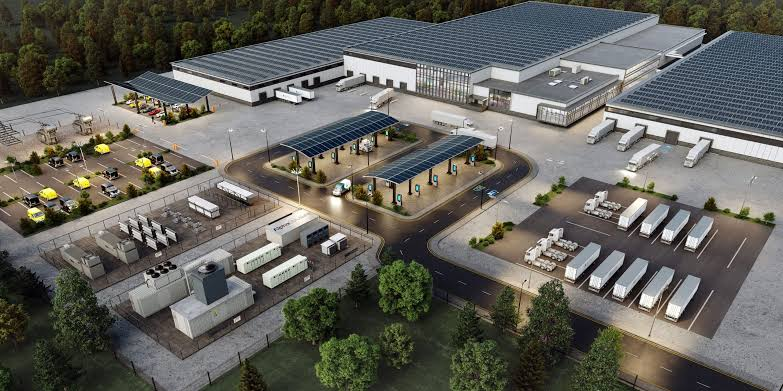
One of the biggest factors is the amount of critical IT load the microgrid must support. A regional edge data center has very different requirements from a hyperscale facility hosting thousands of servers. Higher-capacity systems require larger generators, Battery Energy Storage Systems (BESS), transformers, switchgear, and more advanced Energy Management Systems (EMS), increasing the overall system capacity and project investment.
Reliability expectations also influence cost. Most enterprise and hyperscale data centers are designed with N+1 or N+N redundancy to ensure uninterrupted operation if equipment fails. Meeting these standards requires additional generation assets, battery capacity, protection equipment, intelligent controls, and sophisticated integration, all of which contribute to the final project budget while improving operational resilience.
Engineering, commissioning, cybersecurity, remote monitoring, and future scalability should also be included when evaluating the investment. Rather than focusing only on the purchase price, organizations should assess the total lifecycle value of the project, ensuring the microgrid delivers reliable performance, operational flexibility, and a cost-efficient energy solution.
System Size and Critical Load Requirements
The size of a data center microgrid is one of the most significant factors influencing the overall project cost. Unlike conventional facilities, data centers cannot simply estimate their electricity demand based on average consumption. Engineers must calculate the total critical IT load, cooling requirements, networking equipment, and supporting infrastructure to determine the capacity needed for continuous operation. Proper load assessment ensures the microgrid delivers sufficient power without unnecessary oversizing or future performance limitations.
Power Capacity
Power capacity determines how much electricity the microgrid must generate and distribute under normal and emergency conditions. Larger facilities require higher-capacity generators, Battery Energy Storage Systems (BESS), transformers, switchgear, and electrical distribution equipment. As the required capacity increases, so do engineering complexity, installation requirements, and equipment costs.
Accurately sizing the system is equally important. An undersized microgrid may struggle during periods of peak demand, while an oversized system can increase capital costs without providing proportional operational benefits. Matching generation capacity to real-world energy requirements improves efficiency and supports optimal system performance.
N+1 and Redundancy Planning
Data centers are designed around reliability, making redundancy a critical part of microgrid planning. Many facilities follow N+1 or N+N configurations to ensure operations continue even if one generator, battery bank, or other major component becomes unavailable. This additional equipment increases the initial investment but significantly improves system availability.
By incorporating redundancy into the design stage, operators reduce the risk of unexpected downtime while protecting critical digital infrastructure. Although higher redundancy increases project costs, it provides the resilience expected from a mission-critical power infrastructure.
Components That Influence Microgrid Cost
The equipment selected for a data center microgrid has a direct impact on both project cost and long-term performance. Every component contributes to system reliability, operational efficiency, and resilience, making equipment selection one of the most important stages of project planning. Rather than focusing on individual products, businesses should evaluate how these integrated technologies work together to support continuous operation.
Battery Energy Storage Systems (BESS)
Battery Energy Storage Systems (BESS) provide immediate backup power, stabilize voltage, and reduce generator operating hours. The required battery capacity depends on the facility’s critical load, desired backup duration, and energy management strategy. Larger battery systems improve resilience but also increase capital investment.
Energy Management Systems (EMS)
Energy Management Systems (EMS) coordinate generators, batteries, renewable energy resources, and electrical loads through intelligent automation. By continuously monitoring operating conditions, the EMS optimizes energy use, reduces unnecessary fuel consumption, and improves overall system efficiency. Advanced energy optimization capabilities can also support remote monitoring and predictive maintenance.
Backup Generators, Switchgear, and Protection Equipment
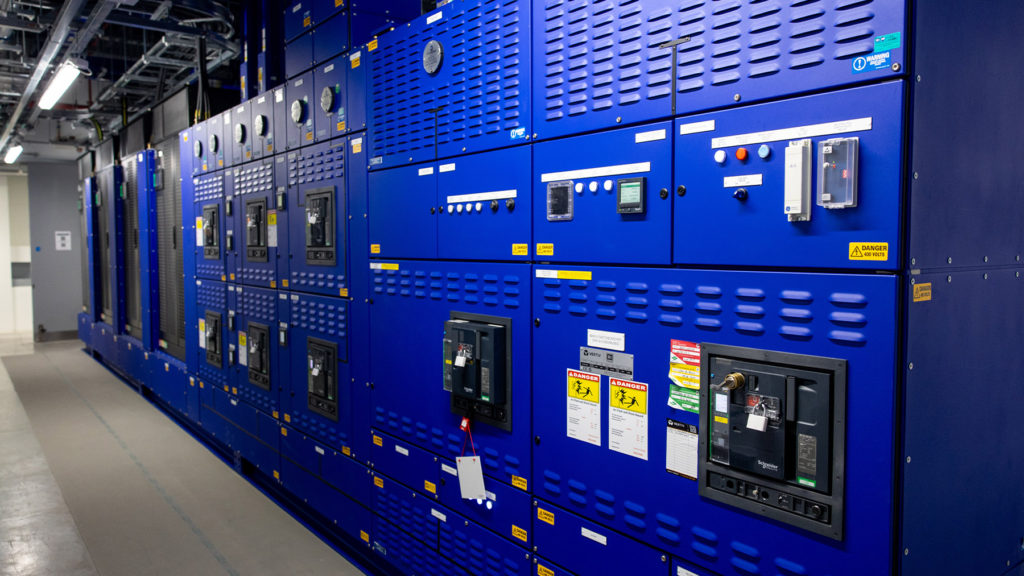
Backup generators remain essential for supplying long-duration power during extended outages, while switchgear, transformers, and protection devices ensure electricity is distributed safely throughout the facility. Selecting high-quality equipment improves operational reliability and simplifies future expansion. Together, these components form a resilient energy system that supports a reliable industrial energy solution.
Installation and Infrastructure Costs
Equipment represents only part of the total investment in a data center microgrid. Engineering, civil works, electrical infrastructure, installation, and commissioning can account for a significant portion of the project budget, particularly for large or mission-critical facilities. These activities ensure that every component operates safely, efficiently, and reliably from the first day of operation. Careful project engineering also reduces implementation risks and supports long-term system performance.
Site Preparation
Before installation begins, engineers evaluate the site’s electrical infrastructure, available space, cooling systems, utility interconnection, and environmental conditions. Some projects may require foundation work, cable routing, transformer upgrades, or dedicated equipment rooms to accommodate generators, Battery Energy Storage Systems (BESS), and switchgear. These site-specific requirements directly influence installation costs and project timelines.
Engineering and Commissioning
Every component of the microgrid must be carefully integrated before it becomes operational. Engineers configure Energy Management Systems (EMS), protection devices, generators, battery storage, and electrical controls to function as one coordinated system. Extensive testing and commissioning verify that the microgrid responds correctly during utility failures, peak demand events, and equipment faults. Although these services increase the initial investment, they improve reliability, reduce operational risks, and contribute to a future-ready energy infrastructure.
Operational Costs Over the Long Term
The purchase price is only one part of the financial picture when evaluating a data center microgrid. Once the system is operational, businesses must consider fuel consumption, equipment maintenance, battery replacement cycles, software management, and periodic inspections. Looking at these ongoing expenses provides a clearer understanding of the total cost of ownership rather than focusing solely on the initial investment.
Fuel costs depend on how frequently backup generators operate and how effectively renewable energy and Battery Energy Storage Systems (BESS) reduce generator runtime. Intelligent Energy Management Systems (EMS) help optimize electricity generation and storage, allowing facilities to lower fuel consumption while maintaining continuous power for critical operations.
Routine maintenance also plays an important role in long-term performance. Generators require scheduled servicing, batteries need health monitoring, and software platforms must receive updates to maintain security and efficiency. Regular inspections help identify potential issues before they affect operations, reducing the risk of unexpected downtime and costly emergency repairs.
Although operational expenses continue throughout the system’s lifecycle, a properly designed microgrid can improve energy efficiency, extend equipment lifespan, and lower long-term operating costs. These advantages help businesses maximize their investment while building a cost-efficient energy solution.
Why Total Cost of Ownership Matters More Than Purchase Price
The purchase price of a data center microgrid is only one part of the overall investment. While comparing initial costs is important, it does not reflect the expenses and savings that occur throughout the system’s operational life. Businesses should instead evaluate the total cost of ownership, which includes equipment, installation, maintenance, fuel consumption, software management, equipment replacement, and the financial impact of downtime. This broader perspective provides a more accurate assessment of long-term value.
| Cost Factor | Data Center Microgrid | Conventional Backup Power |
| Initial Investment | Higher | Lower |
| Energy Efficiency | Optimized through EMS | Limited optimization |
| Fuel Consumption | Lower with intelligent energy management | Higher during extended operation |
| Maintenance | Predictive and scheduled | Frequent generator servicing |
| Scalability | Easy to expand | Additional standalone equipment required |
| Downtime Protection | Multi-source power architecture | Primarily generator dependent |
| Long-Term Operating Cost | Lower over the system lifecycle | Higher due to fuel and maintenance |
Although a microgrid generally requires a larger upfront investment, it can deliver measurable financial benefits over time. Intelligent Energy Management Systems (EMS) reduce unnecessary generator operation, Battery Energy Storage Systems (BESS) improve equipment utilization, and renewable energy integration lowers dependence on conventional fuel sources. Together, these technologies reduce operating costs while extending equipment life and improving asset utilization.
Another factor that is often overlooked is the cost of downtime. For data centers supporting cloud platforms, financial institutions, healthcare systems, and enterprise applications, even a short interruption can result in substantial revenue losses and service disruptions. Investing in a resilient microgrid helps minimize these risks while improving operational continuity and protecting business-critical infrastructure. When evaluated over its entire lifecycle, a microgrid often provides stronger financial returns than systems judged solely by their purchase price, making it a cost-efficient energy solution.
Build Reliable Data Center Microgrids with ALEO
Every data center microgrid should be designed around the operational requirements of the facility it supports. From ensuring uninterrupted power for mission-critical servers to preparing for future AI workloads and increasing energy demand, the right microgrid provides the reliability, flexibility, and scalability needed for long-term success. Choosing a solution that balances performance with intelligent energy management helps organizations strengthen business resilience while controlling lifecycle costs.
ALEO designs and customizes microgrid solutions ranging from 100 kW to 1 MW, integrating advanced Energy Management Systems (EMS) to optimize power generation, battery storage, and electrical distribution. Every solution is engineered to meet the specific requirements of data centers, industrial facilities, commercial campuses, and other mission-critical environments.
With UL-certified products from the USA, direct shipment from the United States, professional on-site installation and debugging support, and a 1-year warranty, ALEO delivers dependable microgrid solutions backed by experienced engineering and technical expertise.
Visit our website and connect with us to discuss a customized microgrid solution that supports continuous operations and helps build a future-ready energy infrastructure.