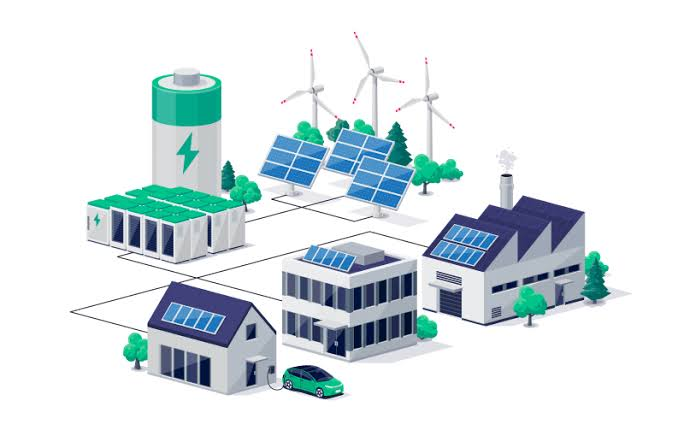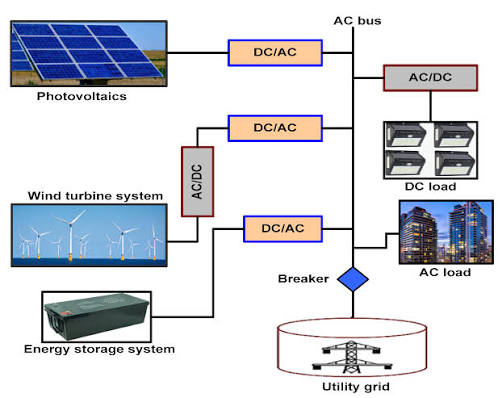
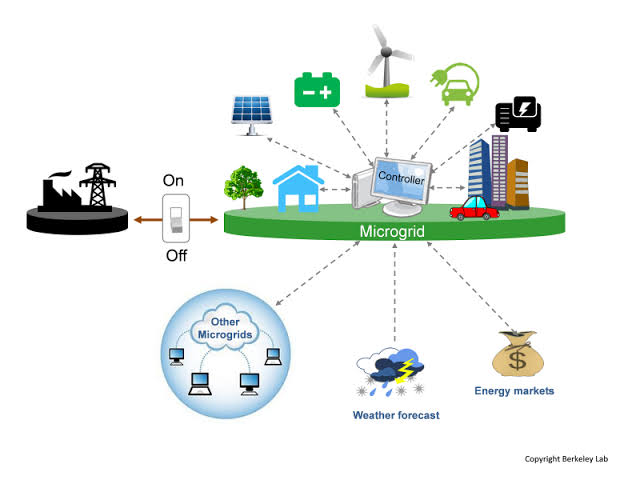
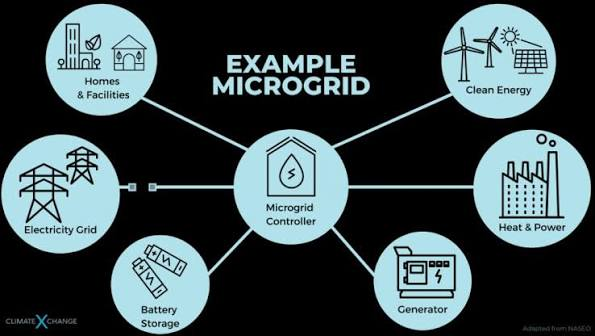
As businesses and communities look for cleaner and more reliable energy solutions, solar microgrids have become an increasingly popular alternative to conventional power systems. By combining solar PV panels, Battery Energy Storage Systems (BESS), backup generators, and intelligent controllers, these systems provide dependable electricity while reducing reliance on the utility grid and fossil fuels. They are widely used in remote communities, industrial facilities, commercial campuses, mining sites, and other locations where reliable power is essential.
One of the most common questions businesses ask is how much a solar microgrid actually costs. Unlike standalone solar installations or conventional diesel generators, there is no single price that applies to every project. The total investment depends on several factors, including system size, energy demand, battery capacity, engineering complexity, site conditions, and the level of automation required. Understanding these variables helps organisations make well-informed investment decisions instead of focusing only on the initial purchase price.
While solar microgrids generally require a higher upfront investment than traditional power systems, they can deliver significant long-term value through lower fuel consumption, improved energy efficiency, and reduced operating costs. When properly designed, they also offer greater scalability and resilience, making them suitable for facilities planning future expansion or seeking greater energy independence.
This article explains the key factors that influence the cost of solar microgrids, examines whether they save money over time, discusses the world’s lowest-cost energy sources, and highlights what businesses should evaluate before investing in a future-ready energy infrastructure.
What Determines the Cost of Solar Microgrids?
There is no fixed price for solar microgrids because every project has unique energy requirements and operating conditions. The final investment depends on the system’s power capacity, daily energy consumption, battery storage requirements, control technologies, and site conditions. A microgrid designed for a remote telecom station will differ significantly from one built for a manufacturing facility or mining operation. Understanding these cost factors helps businesses estimate project budgets more accurately.
Another important consideration is the level of system integration. A basic solar and battery setup may cost less initially, while a fully integrated microgrid with backup generators, Energy Management Systems (EMS), remote monitoring, and advanced protection equipment requires a higher investment. However, these additional technologies often improve efficiency, reliability, and long-term performance.
Businesses should also consider installation complexity, permitting requirements, future expansion plans, and long-term operating costs. Evaluating the complete project rather than focusing only on equipment prices provides a clearer picture of the total investment and supports a cost-efficient energy solution.
System Size and Power Capacity
One of the biggest factors affecting the cost of solar microgrids is the amount of electricity the system is designed to supply. Larger facilities require more solar panels, battery storage, power conversion equipment, and electrical infrastructure, naturally increasing the overall project cost. Selecting the right system capacity ensures the microgrid can meet operational demands without unnecessary oversizing.
Small Commercial Systems
Small commercial facilities, schools, healthcare centres, and remote offices typically require lower-capacity systems. These projects often focus on reducing electricity costs, improving reliability, or providing backup power for essential operations. Because of their smaller energy requirements, they generally require less equipment and simpler installation.
Industrial and Utility-Scale Systems
Industrial facilities, mining operations, manufacturing plants, and commercial campuses require much larger systems capable of supporting continuous operations and higher electrical loads. These projects often include larger battery banks, multiple backup generators, and advanced Energy Management Systems (EMS) to optimise performance.
Although larger systems require a greater initial investment, they can provide better economies of scale, lower operating costs, and greater flexibility for future expansion, contributing to a reliable industrial energy solution.
Components That Affect Microgrid Cost
The equipment used in a microgrid has a direct impact on the overall project cost. While solar panels are often the most visible component, a complete system also includes battery storage, control technologies, power conversion equipment, protection devices, and backup generation. The quality and capacity of these system components determine both the initial investment and long-term performance.
Solar PV Panels
Solar panels generate the electricity that powers the microgrid during daylight hours. The number and type of panels required depend on the site’s energy demand, available installation space, and local solar conditions. Higher-efficiency panels may require a larger upfront investment but can produce more electricity over their lifetime.
Battery Energy Storage Systems (BESS)
Battery storage allows excess solar energy to be used after sunset or during periods of low solar production. Larger storage capacity increases project cost but also improves energy independence and reduces generator operating hours.
Energy Management Systems (EMS)
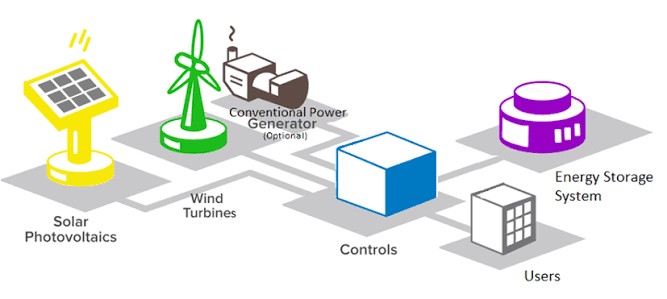
An Energy Management System (EMS) monitors and coordinates solar generation, battery storage, generators, and electrical loads. Effective energy optimisation improves efficiency, reduces unnecessary fuel consumption, and enhances overall system performance.
Backup Generators and Switchgear
Many solar microgrids include backup generators to maintain reliable power during extended periods of low solar generation. Switchgear and protection equipment ensure electricity is distributed safely while supporting seamless transitions between different energy sources. Together, these components contribute to a smart power management framework.
Installation and Engineering Costs
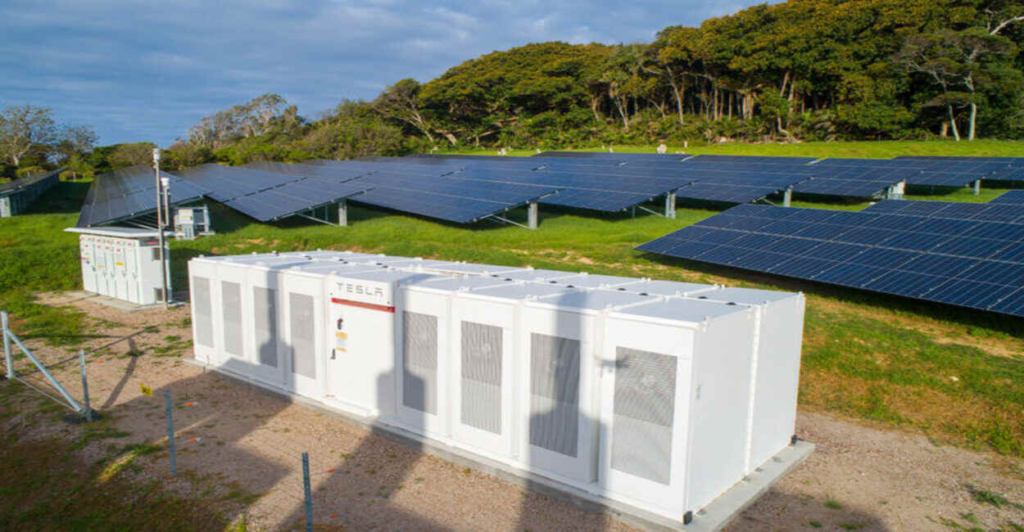
Equipment represents only part of the total investment. Engineering, installation, testing, and commissioning also influence the overall cost of solar microgrids. The complexity of the site, local regulations, and electrical infrastructure can all affect project budgets, making professional engineering an essential part of successful implementation.
Site Preparation
Every installation begins with a site assessment to evaluate terrain, available space, electrical connections, and environmental conditions. Some projects require civil works, foundation preparation, or electrical upgrades before equipment can be installed, increasing the overall project cost.
Design, Integration, and Commissioning
Engineers must ensure that solar panels, Battery Energy Storage Systems (BESS), generators, and Energy Management Systems (EMS) operate as one coordinated system. Installation is followed by testing, controller configuration, and commissioning to verify safe and reliable operation.
Although these services increase the initial investment, they reduce technical risks, improve long-term performance, and help businesses build a future-ready energy infrastructure.
Do Microgrids Save Money?
Yes, in many applications, solar microgrids can generate significant long-term savings, particularly for businesses with high electricity consumption or operations in remote areas. While the initial investment is generally higher than that of conventional power systems, lower fuel use, improved energy efficiency, and reduced maintenance costs can offset that investment over time. Looking beyond the purchase price and evaluating the lifecycle cost provides a more accurate picture of the financial benefits.
One of the biggest advantages is reducing dependence on diesel generators and utility electricity. Solar energy supplies a portion of the daily demand, while Battery Energy Storage Systems (BESS) store excess electricity for later use. Intelligent Energy Management Systems (EMS) optimise when generators, batteries, and solar resources operate, helping businesses lower fuel consumption and avoid unnecessary energy waste.
Microgrids can also reduce downtime caused by power outages, protecting productivity and minimising operational losses. For facilities operating around the clock, these indirect savings can be just as valuable as lower fuel or maintenance expenses. Over the system’s lifetime, many organisations find that the combination of operational savings, improved reliability, and greater energy independence delivers a cost-efficient energy solution.
What Is the Cheapest Source of Energy in the World?
The cost of electricity depends on location, available natural resources, and project type, but utility-scale solar power is widely recognised as one of the lowest-cost energy sources available today. Continuous improvements in solar panel technology, manufacturing efficiency, and installation methods have significantly reduced the cost of generating electricity from sunlight over the past decade.
However, solar generation alone cannot provide continuous electricity because production depends on weather conditions and daylight hours. For this reason, many industrial and commercial projects combine solar energy with Battery Energy Storage Systems (BESS), backup generators, and intelligent controllers to create reliable solar microgrids that deliver power throughout the day and night.
This hybrid approach allows businesses to benefit from the low operating cost of solar energy while maintaining the reliability needed for critical operations. As renewable technologies continue to advance, solar microgrids are becoming an increasingly attractive investment for organisations seeking long-term energy savings, improved resilience, and a reliable industrial energy solution.
Factors That Influence Long-Term Cost
The initial investment is only one part of a microgrid project’s financial picture. Over time, several operational factors determine the actual cost of owning and operating solar microgrids. Evaluating these variables helps businesses estimate future expenses more accurately and maximise the return on their investment through long-term planning.
Weather conditions directly affect solar energy production, while the facility’s load profile determines how much electricity is consumed throughout the day. Battery cycling, generator operating hours, maintenance schedules, and future expansion plans also influence operating costs. In addition, changes in fuel prices or utility electricity rates can significantly impact the financial benefits of a hybrid microgrid.
A properly designed system that matches the site’s energy demand can reduce unnecessary equipment operation, improve efficiency, and extend component lifespan. Regular maintenance and effective Energy Management Systems (EMS) further optimise performance, helping businesses lower lifecycle costs while building a future-ready energy infrastructure.
Is Investing in Solar Microgrids Worth It?
For many industrial, commercial, and remote applications, investing in solar microgrids can provide both financial and operational advantages. Although the upfront investment is higher than that of installing conventional diesel generators, the long-term savings from reduced fuel consumption, lower maintenance requirements, and improved energy efficiency often make the investment worthwhile. Looking at the total project value rather than the initial cost gives businesses a clearer understanding of the return on investment.
Solar microgrids are particularly well suited for mining operations, manufacturing facilities, commercial campuses, healthcare institutions, agricultural projects, and remote communities where reliable electricity is essential. Their ability to integrate renewable energy, battery storage, and backup generation provides greater resilience while supporting future expansion.
The right solution depends on each project’s energy demand, operating environment, and long-term objectives. Working with an experienced provider ensures the system is properly sized, integrated, and optimised for reliable performance, creating a reliable industrial energy solution.
Why Every Solar Microgrid Has a Different Cost
Many businesses search for a fixed price before investing in solar microgrids, but no two projects have exactly the same cost. Every installation is designed according to the site’s energy demand, operating environment, and long-term objectives. A system built for a remote telecom station may require only a small solar array and battery bank, while a manufacturing facility or mining operation may need significantly larger generation capacity, backup generators, and advanced control technologies. These differences make project customisation one of the biggest factors influencing the final investment.
Location also plays an important role in determining overall cost. Transportation of equipment, site accessibility, civil works, local regulations, and environmental conditions can all affect engineering and installation expenses. Projects in remote or difficult-to-access areas often require additional planning, specialised equipment, and longer commissioning periods, increasing the overall budget.
Future expansion should also be considered during the planning stage. Designing a system that can accommodate additional solar panels, Battery Energy Storage Systems (BESS), or electrical loads may require a slightly higher initial investment, but it can reduce upgrade costs in the future. Instead of focusing on a single price, businesses should evaluate the overall system value, ensuring the microgrid delivers reliable performance, operational flexibility, and long-term cost savings while supporting a future-ready energy infrastructure.
Choosing the Right Solar Microgrid Partner
Selecting the right supplier is just as important as choosing the right technology. Reliable providers should understand your energy requirements, site conditions, and future expansion plans before recommending a solution. An experienced partner will design solar microgrids that balance performance, efficiency, and long-term value rather than simply offering standard equipment.
Businesses should evaluate a supplier’s engineering expertise, system integration capabilities, equipment quality, certifications, installation support, and after-sales service. Strong technical support throughout design, commissioning, and maintenance helps reduce project risks and ensures all components operate as a coordinated system.
Scalability is another important consideration. As energy demand grows, the microgrid should be able to integrate additional solar panels, Battery Energy Storage Systems (BESS), or generators without major infrastructure changes. Choosing a trusted partner helps organisations protect their investment while developing a smart power management framework.
Power Your Business with ALEO Solar Microgrids
The cost of solar microgrids depends on factors such as system size, energy storage capacity, engineering complexity, and project requirements. While the initial investment may be higher than that of conventional power systems, lower fuel consumption, improved efficiency, and reduced operating costs can provide substantial long-term value for industrial, commercial, and remote applications.
ALEO designs and customises solar microgrids ranging from 100 kW to 1 MW, complete with integrated Energy Management Systems (EMS) to deliver reliable and intelligent power management. Every solution is tailored to meet your site’s operational requirements while supporting future expansion and long-term performance.
With UL-certified products from the USA, direct shipment from the United States, professional on-site installation and debugging support, and a 5-year warranty, ALEO provides dependable energy solutions backed by technical expertise.
Visit our website and connect with us today to discuss a customised solar microgrid solution that supports your business with a future-ready energy infrastructure.