Power interruptions can bring industrial operations, construction projects, healthcare facilities, and commercial environments to a complete halt within seconds. From production delays to equipment damage and operational losses, unreliable electricity creates serious challenges for businesses that depend on continuous power availability. This is why generators have become an essential part of modern power infrastructure across multiple industries. Reliable backup power helps businesses maintain productivity, protect critical systems, and ensure uninterrupted operations during outages or unstable grid conditions.
Understanding how a generator works is important for facility managers, industrial buyers, engineers, and businesses looking to invest in dependable power solutions. A generator does not actually create electricity from nothing. Instead, it converts mechanical energy into electrical energy through a controlled process involving engines, alternators, fuel systems, and voltage regulation components. This coordinated operation allows generators to deliver stable electricity for everything from emergency backup systems to large-scale industrial applications.
Modern generators are designed to handle demanding workloads while maintaining efficiency, fuel optimisation, and long operational life. Whether used in manufacturing plants, hospitals, data centres, construction sites, or remote industrial facilities, these systems are built to provide continuous power stability under varying load conditions. Different generator types also offer flexibility based on fuel availability, runtime requirements, and operational demands.
This article explains how a generator works in detail, including its working principle, major components, fuel systems, load handling capabilities, maintenance requirements, and industrial applications. It also explores why choosing the right generator system plays a critical role in operational reliability, energy efficiency, and long-term business continuity. So, keep reading:
What Makes a Generator So Important?
A generator converts mechanical energy into electrical energy to power equipment, machinery, and buildings. It is widely used during power outages, in remote areas without grid access, and in industries that require uninterrupted electricity. Power continuity needs make generators essential for commercial and industrial operations.
The working of a generator is based on electromagnetic principles, where an engine powered by fuel drives an alternator to produce electricity. This allows a reliable power supply during emergencies and peak demand. Understanding how a generator works helps in selecting the right system for different needs.
In industries, generators support critical systems like production lines, HVAC, and safety equipment. Even a short outage can cause losses and downtime. Industrial reliability support depends heavily on backup power systems.
Generators are also used in hospitals, construction sites, and remote locations to ensure continuous operation. Emergency power protection helps maintain safety and productivity across sectors.
How Does a Generator Work?
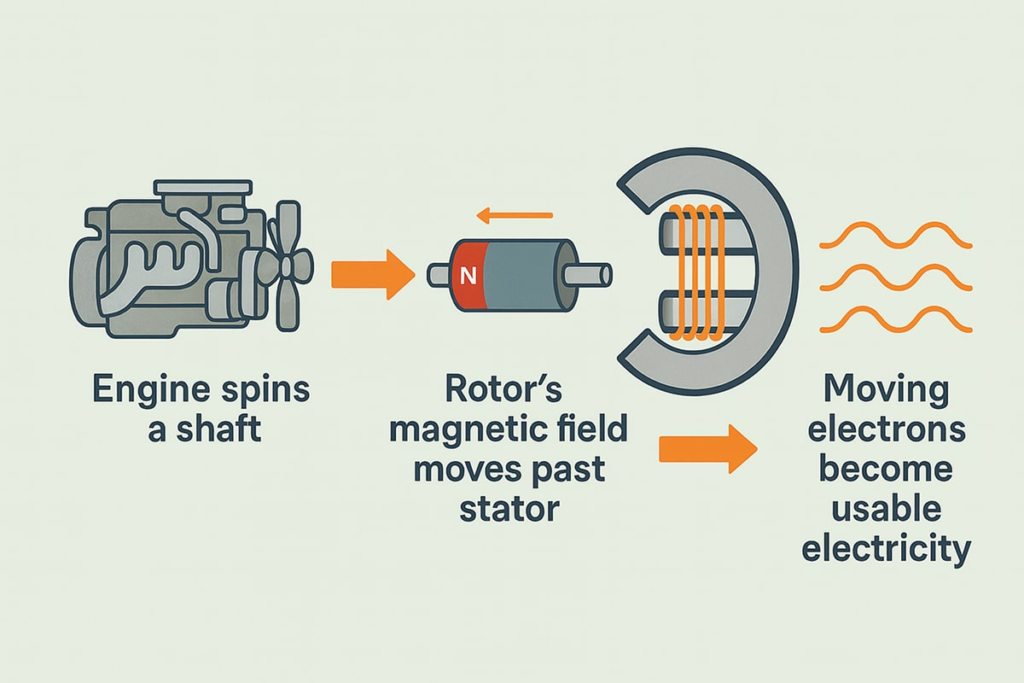
A generator operates through multiple interconnected systems that work together to convert fuel into usable electrical power. Below is a detailed sketch:
The Basic Principle Behind Power Generation
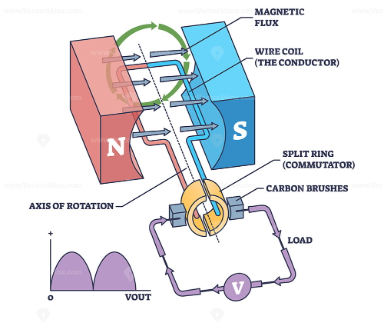
A generator works on the principle of electromagnetic induction, where mechanical motion is converted into electrical energy. When a conductor moves through a magnetic field, it produces an electric current that can be used to power equipment and systems. The energy conversion principle is the foundation of all generator operations.
To understand how a generator works, it is important to know that electricity is not created directly. Instead, mechanical energy is first produced and then converted into electrical energy through controlled movement. This process ensures stable and usable power output for industrial and commercial applications. Mechanical-to-electrical transformation ensures a continuous energy supply.
Magnetic fields and conductors play a key role in this process. As the magnetic field rotates, it interacts with copper windings inside the alternator to generate alternating current (AC). The strength and speed of this interaction determine the amount of electricity produced. Magnetic induction system drives consistent power generation.
Engine Operation and Mechanical Energy Production
The engine is the starting point of the generator’s operation. It produces mechanical energy by burning fuel and converting it into rotational motion. This rotation drives the alternator, which produces electricity. An engine-driven power system is essential for generator functionality.
Generators typically use diesel, natural gas, or propane engines, depending on application needs. Diesel engines are widely used in industrial settings due to their durability and fuel efficiency, while gas engines are preferred for cleaner emissions. Propane systems are often used for backup applications where fuel storage stability is required. Fuel-based engine operation determines performance efficiency.
Inside the engine, fuel combustion creates controlled explosions that move pistons. These pistons rotate the crankshaft, producing mechanical force. This rotational energy is then transferred to the alternator for electricity generation. The combustion-to-rotation process enables continuous power output.
Alternator Function in Electricity Generation
The alternator is responsible for converting mechanical energy into electrical energy. It contains two main parts: the rotor and the stator. The rotor creates a rotating magnetic field, while the stator contains stationary copper windings where electricity is generated. The rotor-stator interaction system produces an electrical current.
When the rotor spins, it creates a changing magnetic field around the stator windings. This movement induces alternating current (AC), which is the standard form of electricity used in most industries and buildings. The AC power generation process ensures compatibility with electrical systems.
The voltage produced depends on the speed of rotation and the strength of the magnetic field. Industrial generators are designed to maintain a stable output even under changing load conditions. Controlled voltage production ensures consistent energy delivery.
Fuel System and Energy Supply
The fuel system ensures a continuous supply of fuel to the engine for uninterrupted operation. It includes fuel tanks, pumps, injectors, and filters that work together to maintain smooth fuel flow. A fuel delivery system is essential for stable generator performance.
Fuel injectors regulate how much fuel enters the combustion chamber and at what timing. Proper fuel flow ensures efficient combustion and stable power output. Any interruption in fuel supply can cause sudden shutdowns or performance drops. Continuous fuel supply management supports uninterrupted operation.
Industrial generators often run for long hours, so fuel system reliability becomes critical. Large storage tanks and automated fuel monitoring systems help maintain runtime without interruption. Long-duration operation support is essential for industrial applications.
Voltage Regulator and Power Stability
The voltage regulator ensures that the electrical output remains stable regardless of load changes. It automatically adjusts excitation levels in the alternator to maintain consistent voltage. Voltage stabilisation system protects equipment from fluctuations.
Without proper voltage regulation, sensitive machines can be damaged due to sudden spikes or drops in power. Industrial systems rely heavily on stable voltage for safe and efficient operation. Electrical protection mechanisms ensure system safety.
Modern generators use automatic voltage regulators (AVRs) that continuously monitor output and make real-time adjustments. This improves power quality and system reliability. Smart voltage control enhances industrial performance.
Cooling and Exhaust Systems
Generators produce a large amount of heat during operation, especially under heavy loads. The cooling system helps maintain safe operating temperatures and prevents overheating. The thermal control system ensures engine stability.
Air-cooled systems use airflow to remove heat, while liquid-cooled systems circulate coolant for more effective temperature control. Industrial generators usually rely on liquid cooling due to continuous operation requirements. Heat management technology improves durability.
The exhaust system removes combustion gases safely from the engine. It also reduces emissions and noise levels in industrial environments. Proper exhaust flow is essential for safety and efficiency. The emission removal system supports clean operation.
Lubrication and Internal Protection
The lubrication system reduces friction between moving engine parts and ensures smooth operation. Engine oil flows through internal components to prevent wear and overheating. The friction reduction system increases engine lifespan.
Without proper lubrication, components like pistons and bearings can wear out quickly, leading to mechanical failure. Regular oil circulation keeps the engine efficient and stable under load. The engine protection system ensures long-term reliability.
Routine oil changes and maintenance checks help maintain performance and reduce downtime. Many modern generators also include oil pressure sensors for real-time monitoring. Preventive lubrication maintenance improves operational safety.
Battery and Startup Mechanism
The battery provides the initial power required to start the generator engine. It activates the starter motor, which begins the combustion process. The startup power system enables quick generator activation.
In automatic systems, the generator detects a power failure and starts within seconds. This is especially important in hospitals, factories, and data centres where downtime is not acceptable. Automatic startup function ensures a continuous power supply.
Battery condition plays a major role in reliability. Weak batteries are one of the most common reasons for generator failure during emergencies. Regular testing ensures readiness. Emergency readiness system improves reliability.
Control Panel and Monitoring Features
The control panel acts as the command centre of the generator. It displays key parameters like voltage, frequency, load, and engine status. The central control system allows full operational monitoring.
It also enables automatic start/stop functions and safety shutdown in case of faults. This reduces manual intervention and improves operational safety. An automated monitoring system increases reliability.
Modern generators include digital and smart monitoring features that allow remote tracking of performance. This helps operators detect issues early and maintain stable operation. Real-time monitoring technology improves efficiency.
Power Distribution and Load Handling
Once electricity is generated, it is distributed to connected systems and equipment. The generator must maintain a stable output while handling varying load demands. The power distribution system ensures a consistent supply.
Industrial generators are designed to handle sudden load changes without affecting performance. When multiple machines start or stop, the system adjusts automatically. Dynamic load management ensures stability.
Proper load handling prevents overload, improves fuel efficiency, and reduces wear on components. Generators are sized based on maximum demand to ensure safe operation. A load-balancing system supports long-term reliability and efficiency.
What Fuel Types Are Used in Generators?
Generators operate on different fuel types depending on application, availability, and efficiency requirements. The most common options include diesel, natural gas, and propane, each offering different performance characteristics. Fuel selection directly affects generator efficiency, runtime, and operating cost.
Diesel generators are widely used in industrial environments due to their high fuel efficiency, durability, and strong load-handling capacity. Natural gas generators are preferred where cleaner emissions and continuous fuel supply through pipelines are available. Propane systems are often used for backup applications where storage stability is important. Understanding fuel options is part of learning how a generator works in practical industrial setups.
Fuel choice also influences maintenance needs and long-term operational costs. Diesel systems require regular filtration and fuel quality management, while gas systems generally offer cleaner combustion. Efficient fuel utilization helps industries optimize performance and reduce downtime risks.\
What Are the Main Components of a Generator?
A generator is made up of several key components that work together to produce and regulate electricity. Each part plays a specific role in ensuring smooth and efficient power generation. System component integration is essential for stable generator operation.
The engine provides mechanical energy, while the alternator converts it into electrical power. The fuel system supplies energy, and the cooling system maintains safe operating temperatures. The voltage regulator ensures a stable output, and the control panel manages monitoring and safety functions. The battery system enables startup and emergency activation. Coordinated component operation ensures reliable electricity generation.
All these parts must function properly for the generator to operate efficiently under load. Any failure in one component can affect overall performance and power stability. This is why regular maintenance is essential when understanding how a generator works in real-world applications. Balanced system performance ensures long-term reliability and efficiency.
How Do Industrial Generators Handle Heavy Loads?
Industrial generators are designed to manage high and fluctuating power demands without losing stability. They support large machinery, production lines, HVAC systems, and critical infrastructure that require continuous electricity. Heavy load capability ensures uninterrupted industrial operations even during peak demand.
When multiple machines start simultaneously, the generator automatically adjusts output to maintain balance. This load response system prevents sudden voltage drops and keeps equipment safe. Understanding how a generator works in industrial environments means recognising how effectively it adapts to changing electrical demand. Dynamic load response is essential for stable performance.
These generators are also built with higher capacity alternators and reinforced engines to handle long operating hours under stress. Proper load distribution improves fuel efficiency and reduces mechanical strain. Sustained power delivery ensures operational continuity in critical industries like manufacturing, healthcare, and construction.
What Factors Affect Generator Performance?
Generator performance depends on multiple operational and environmental factors that influence efficiency and reliability. Fuel quality is one of the most important elements, as contaminated or low-grade fuel can reduce engine efficiency and cause damage. Fuel quality control directly impacts long-term generator health.
Maintenance frequency also plays a key role in performance stability. Regular servicing of oil, filters, cooling systems, and batteries ensures smooth operation and prevents unexpected breakdowns. Without proper maintenance, even high-quality generators can experience reduced output. This is a key aspect of how a generator works efficiently over time. Preventive maintenance routine improves reliability.
Environmental conditions such as temperature, humidity, and dust levels also affect generator operation. Additionally, incorrect load sizing can lead to underperformance or overload issues. Proper installation and correct capacity selection are essential for optimal results. Operational condition management ensures consistent power output and system durability.
Get the Right Generators As Per Your Needs With ALEO
At ALEO, we focus on delivering high-performance generator solutions designed for demanding environments. Our systems are UL certified (USA standard) and available with direct USA shipment, ensuring quality and global reliability. We also provide on-site installation and debugging support, along with a 1-year warranty for complete peace of mind.
If you are looking for dependable industrial power solutions, visit our website and connect with us to explore efficient, durable, and professionally supported generator systems built for continuous performance.