Rising fuel prices and frequent power outages have made generator operating costs a major concern for both homeowners and businesses. Choosing a backup power system is no longer just about reliability, but also about how much it will cost to run over time. Many buyers find themselves comparing diesel and propane options without fully understanding which one is actually more economical. Fuel cost confusion often leads to decisions based on incomplete information.
At first glance, propane may seem like a cleaner and simpler option, while diesel is often associated with heavy-duty performance and industrial use. However, the real cost difference is not just about fuel price per liter or gallon. Efficiency, consumption rate, and runtime under load all play a critical role in determining which fuel is cheaper in the long run. True operating cost depends on how the generator is used rather than just the fuel type.
For buyers exploring diesel generators for sale, it is important to evaluate not only upfront pricing but also long-term fuel expenses and performance reliability. A generator that appears cheaper initially may end up costing more if it consumes fuel inefficiently or requires frequent refilling. Long-term cost planning is essential when comparing diesel and propane generator options.
This article breaks down the real cost differences between diesel and propane generators, helping you understand which option is more economical based on your usage, load requirements, and operational needs. A practical cost comparison will help you make a more informed and financially sound decision. So, read on:
Understanding Generator Fuel Costs Beyond Price Per Liter
Many buyers assume that the cheapest fuel automatically results in the lowest generator operating cost, but this is not always true in practice. Fuel price per liter or gallon only tells part of the story, while real expenses depend on how efficiently that fuel is converted into usable power. Fuel cost reality is influenced by multiple operational factors beyond simple pricing.
Generator efficiency plays a major role in determining how much fuel is consumed over time. Diesel engines are generally more efficient under steady and heavy loads, while propane systems may consume more fuel to produce the same amount of power in certain conditions. This means two generators using different fuels can have very different running costs even if fuel prices appear similar. Efficiency-driven consumption directly affects long-term expenses.
Load conditions also impact fuel usage significantly. A generator running at higher capacity will consume more fuel per hour, but may still operate more efficiently compared to running at very low loads for extended periods. Understanding how your generator will be used helps estimate realistic operating costs. Load-dependent usage must be considered when comparing diesel and propane options.
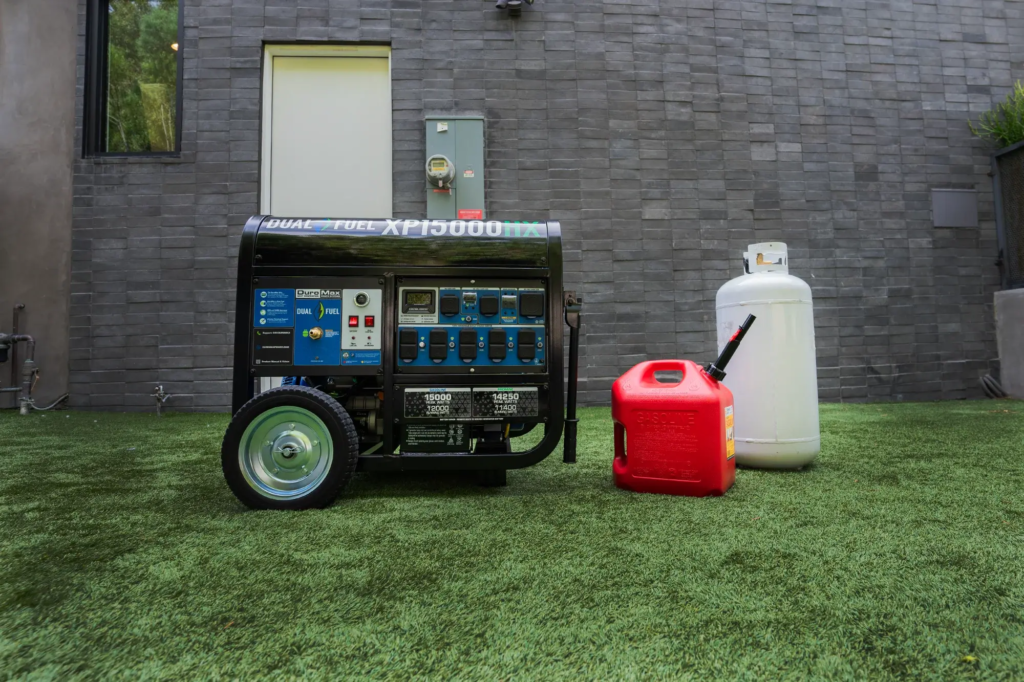
Storage, transportation, and refilling logistics further influence total fuel cost. Diesel is widely available and easier to store in bulk for industrial use, while propane requires pressurized tanks and more controlled handling. These factors can add indirect costs over time. Fuel logistics impact should not be overlooked when evaluating overall affordability.
Is Propane or Diesel Better for a Generator?
Choosing between propane and diesel depends largely on how the generator will be used, rather than one fuel being universally better than the other. Each fuel type offers distinct advantages and limitations depending on application, runtime needs, and operational conditions. Fuel type suitability varies based on user requirements.
Diesel generators are typically preferred for high-load and long-duration applications. They provide better fuel efficiency under heavy demand and are commonly used in industrial and commercial settings where reliability is critical. This is why many buyers searching for diesel generators for sale prioritize durability and performance over simplicity. Heavy-duty performance makes diesel a strong choice for demanding environments.
Propane generators, on the other hand, are often favored for residential or light-duty use. They burn cleaner, have longer shelf life in storage, and are easier to manage in smaller setups. However, they may not deliver the same efficiency as diesel under continuous heavy loads. Clean fuel advantage makes propane appealing for occasional backup use.
Environmental conditions and infrastructure also influence the decision. Diesel performs better in high-demand scenarios, while propane offers convenience and cleaner emissions for smaller-scale applications. Application-based choice ultimately determines which fuel type is more suitable for a generator.
Cost Comparison Between Diesel and Propane Generator Operation
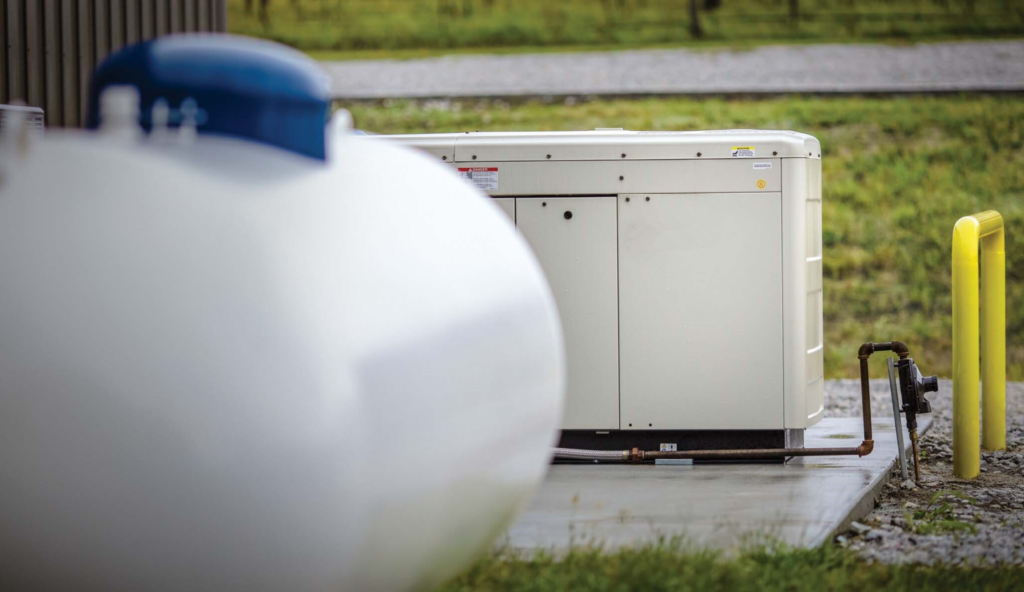
Comparing diesel and propane generator costs requires looking beyond fuel type and focusing on how each performs under real operating conditions. The actual expense depends on consumption rate, runtime, and how efficiently the generator converts fuel into usable power. Operating cost analysis provides a more accurate picture than a simple fuel price comparison.
Fuel Consumption Rates Under Different Load Conditions
Fuel consumption varies significantly depending on how heavily the generator is loaded during operation. Diesel generators tend to perform more efficiently at medium to high loads, consuming less fuel per unit of power produced compared to propane systems. This makes them more suitable for continuous or heavy-duty usage. Load-based consumption directly affects how quickly fuel is used.
Propane generators may consume fuel faster under similar load conditions, especially when running for extended periods. While they perform well in light-duty or intermittent use, their consumption rate can increase noticeably when demand rises. Fuel burn rate difference becomes more evident during longer runtime scenarios.
Cost Per Hour of Running Diesel vs Propane Generators
The cost of running a generator per hour depends on both fuel price and how much fuel is consumed during operation. Diesel often delivers a lower cost per hour in high-load conditions due to its higher energy density and efficiency. This is one reason why many buyers exploring diesel generators for sale consider them for long-term cost savings. Hourly running cost becomes a critical factor for frequent users.
Propane may appear competitive in lower-load scenarios, but as runtime increases, the cost per hour can rise due to higher consumption rates. This makes propane more suitable for short-duration or occasional backup rather than continuous operation. Short-term cost advantage applies mainly in light-use situations.
Fuel Storage, Refilling, and Logistics Costs
Fuel handling and storage also contribute to the overall cost of generator operation. Diesel can be stored in bulk tanks and is widely available, making it convenient for industrial and commercial users. However, it requires proper storage conditions to prevent contamination over time. Fuel storage practicality plays an important role in long-term planning.
Propane requires pressurized tanks and specialized refilling infrastructure, which can increase handling complexity. While it has a longer shelf life and does not degrade like diesel, transportation and refilling logistics may add indirect costs depending on location. Refilling logistics costs should be considered when evaluating total expenses.
Long-Term Operating Cost Comparison for Buyers
Over extended periods of use, diesel generators often prove more cost-effective due to their efficiency and lower fuel consumption under load. This makes them a preferred choice for industrial applications and high-demand environments where generators run frequently. Long-term cost efficiency is a major advantage of diesel systems.
For occasional or low-load usage, propane generators may still be economical due to lower initial setup complexity and cleaner operation. However, as usage increases, diesel becomes the more financially practical option for most buyers evaluating diesel generators for sale. Usage-dependent economics ultimately determine which fuel type is cheaper in real-world conditions.
What Is the Best Fuel Source for a Generator?
There is no single “best” fuel for all generator applications, as the ideal choice depends on how and where the generator will be used. Different fuels offer advantages in efficiency, storage, cost, and environmental impact, making each suitable for specific scenarios. Fuel selection criteria should always be based on practical usage rather than general assumptions.
Diesel is widely considered the best option for high-demand and long-duration applications. It provides better fuel efficiency under load, strong durability, and reliable performance in industrial and commercial environments. This is why many buyers actively look for diesel generators for sale when planning long-term or heavy-duty power solutions. High load efficiency makes diesel a preferred choice in demanding conditions.
Propane, on the other hand, is often the better option for residential or occasional use. It burns cleaner, has a longer storage life, and requires less maintenance related to fuel degradation. These qualities make it suitable for standby systems that are not used frequently. Clean-burning advantage makes propane practical for light-duty backup needs.
Ultimately, the best fuel source depends on usage frequency, load requirements, and infrastructure availability. Buyers should evaluate their actual power needs before making a decision rather than relying on a one-size-fits-all answer. Application-specific decision ensures the generator performs efficiently and cost-effectively.
How Long Will a 250-Gallon Propane Tank Run a Generac?
A 250-gallon propane tank can run a Generac generator for several days, depending on load levels and usage patterns. At moderate load, runtime is longer, while higher demand reduces duration significantly. Load-dependent runtime should always be considered for accurate fuel planning and uninterrupted backup performance.
How Long Will a 100-lb Propane Tank Run a 10,000-Watt Generator?
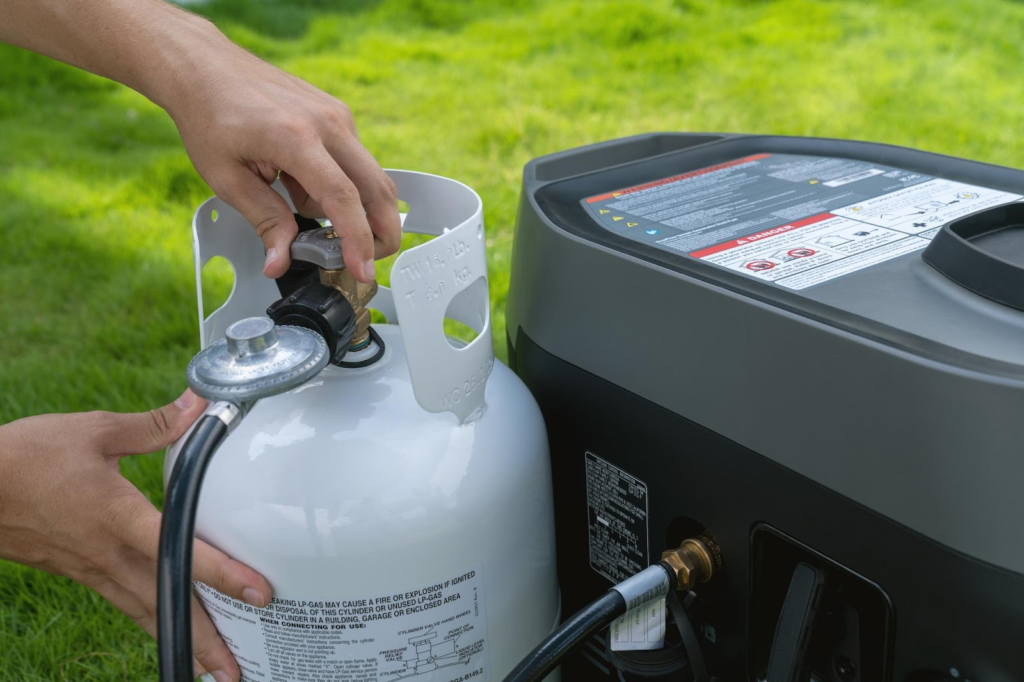
A 100-lb propane tank can run a 10,000-watt generator for several hours to over a day, depending on load. Lower usage extends the runtime, while higher demand reduces it quickly. Load-based duration is the main factor affecting how long the generator can operate efficiently.
How Long Will a 20-lb Propane Tank Run a 2,500-Watt Generator?
A 20-lb propane tank typically powers a 2,500-watt generator for several hours under moderate load conditions. Runtime decreases as power demand increases. Small-scale runtime makes this setup suitable for light-duty or short-term backup applications rather than continuous use.
How Much Does It Cost to Refill a 100-lb Propane Tank?
Refilling a 100-lb propane tank depends on local fuel prices, but costs generally vary based on per-gallon rates. Larger tanks offer better value per refill compared to smaller ones. Refill cost variation should be considered when estimating long-term generator operating expenses.
When Diesel Generators Are the More Cost-Effective Choice
Diesel generators become more cost-effective in applications that require long runtime and consistent power output. Their higher fuel efficiency under load reduces overall operating costs compared to propane in heavy-use scenarios. This is why many buyers search for diesel generators for sale when planning reliable, long-term power solutions. High usage efficiency makes diesel the preferred option for demanding environments.
They are especially suitable for industrial, commercial, and large-scale backup systems where generators run for extended periods. Lower fuel consumption per unit of power helps offset higher upfront costs over time. Long-term savings become evident with frequent usage.
When Propane Generators Make More Financial Sense
Propane generators become more financially practical in situations where power is needed occasionally rather than continuously. They are well-suited for residential backup systems where outages are infrequent, and runtime is limited. Occasional use efficiency makes propane a cost-effective option for homeowners who do not require long operational hours.
One of the key advantages of propane is its long shelf life, as it does not degrade over time like diesel. This reduces concerns related to fuel storage, maintenance, and replacement, especially for standby systems that may sit unused for extended periods. Fuel storage reliability adds to its overall convenience and cost control.
Additionally, propane systems are typically easier to manage in smaller setups and produce cleaner emissions, making them suitable for residential environments. While they may not be ideal for heavy or continuous use, they provide a practical and economical solution for short-term backup needs. Light-duty suitability defines where propane delivers the most value.
Practical Buyer Guidance for Fuel Selection
Choosing between diesel and propane should begin with a clear understanding of how often the generator will be used and what load it needs to support. High-demand or frequent usage typically favors diesel due to better efficiency under load, while occasional backup needs may align better with propane systems. Usage-based decision ensures the fuel type matches real operational requirements.
Buyers should also consider fuel availability and storage infrastructure before making a decision. Diesel is widely accessible and easier to store in bulk, while propane requires pressurized tanks and specific handling arrangements. These factors can influence long-term convenience and cost. Fuel availability planning plays a key role in overall practicality.
It is equally important to evaluate long-term operating costs rather than focusing only on initial setup expenses. While propane systems may appear simpler at first, diesel often becomes more economical over time in high-usage scenarios. This is why many businesses explore diesel generators for sale when planning reliable power solutions. Long-term cost evaluation helps avoid costly mistakes.
Finally, professional guidance can help ensure the right generator and fuel type are selected based on actual needs. Proper sizing, installation, and usage planning significantly improve performance and efficiency over time. Expert selection support leads to better long-term results and more reliable power solutions.
Get the Right Industrial Generators As Per Your Fuel Preferences With ALEO
Diesel and propane generators both serve reliable backup power needs, but their cost-effectiveness depends entirely on how they are used in real conditions. Diesel generally performs better for continuous, high-load applications where fuel efficiency and long runtime matter most, while propane is better suited for lighter, occasional use where simplicity and storage convenience are priorities. Practical fuel fit is what ultimately determines which option is more economical.
What often changes the decision is not fuel price alone, but how efficiently the generator converts that fuel into usable power over time. Load patterns, runtime expectations, and maintenance needs all influence the real cost of ownership far more than initial assumptions. Real usage impact is the true measure of affordability between diesel and propane systems.
At ALEO, we help businesses and homeowners choose the right generator based on actual operational needs. With UL-certified systems, direct shipment from the United States, and professional installation support, we ensure dependable performance and long-term reliability. Reliable power solutions start with the right expertise and equipment.
Visit our website and connect with us today to explore practical power solutions for your needs.