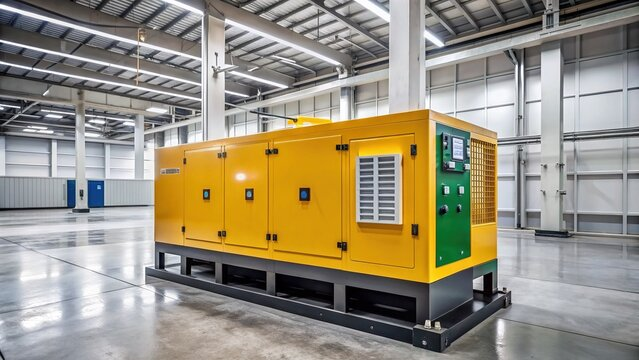
Power outages can disrupt daily life, shut down essential appliances, and create serious inconvenience for homeowners, especially in areas where the electricity supply is unstable. From running basic lighting to keeping refrigerators and cooling systems operational, backup power has become a practical necessity rather than a luxury. For many households, choosing the right generator size is the first and most confusing step. Home backup planning often begins with understanding how much power is actually needed.
A 10kW diesel generator is one of the most commonly considered options for residential backup because it offers a balance between capacity and cost. It appears powerful enough to handle typical household needs, but the real question is whether it can support everything in your home at the same time. Generator capacity limits depend on how electrical loads are distributed rather than just the generator’s rated output.
Many homeowners assume that generator size should match house size, but in reality, power requirements are driven by appliances, usage patterns, and peak demand loads. Air conditioners, water pumps, and kitchen equipment can quickly increase total consumption beyond expectations if not properly managed. Appliance load demand plays a much bigger role than square footage alone.
Before deciding whether a 10kW diesel generator is the right choice, it is important to understand how household power usage works in practical terms. This includes evaluating running loads, startup surges, and prioritizing essential systems during outages. Real usage evaluation helps determine whether a generator will perform efficiently or fall short during critical situations. Read on to know more:
Understanding Power Requirements for Residential Backup
To determine whether a generator can run a house, it is important to first understand how electrical power is measured and consumed in a residential setting. Generators are rated in kilowatts, but household appliances operate on varying wattage levels depending on their function and efficiency. Power consumption basics help homeowners make informed decisions instead of relying on rough estimates.
Every home has two types of electrical demand: running load and starting load. Running load refers to the continuous power required to keep appliances operating, while starting load accounts for the surge of power needed when devices like air conditioners or refrigerators turn on. These surges can be significantly higher than normal usage and must be considered when selecting a generator. Starting load impact is often underestimated in residential generator planning.
Another key factor is that not all appliances need to run at the same time during a power outage. Most households prioritize essential systems such as lighting, refrigeration, fans, and limited cooling rather than full-house operation. This selective usage approach allows smaller generators to perform effectively. A load prioritization strategy makes a major difference in how efficiently a generator supports a home.
Understanding these fundamentals allows homeowners to calculate realistic power needs instead of overestimating or underestimating generator capacity. Proper planning ensures that the generator performs reliably without overload or unnecessary fuel consumption. Accurate load calculation is the foundation of selecting the right generator size.
Is a 10kW Diesel Generator Enough to Run a House?
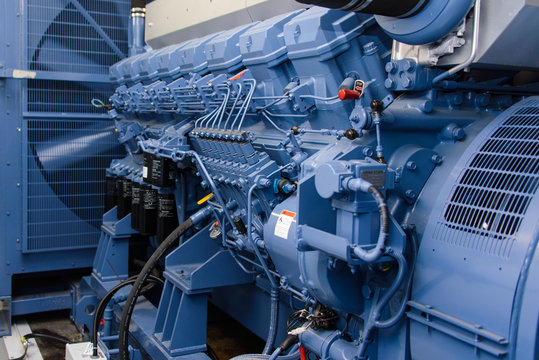
A 10kW diesel generator can run a house in many cases, but its effectiveness depends on how the electrical load is managed during operation. It is typically sufficient for powering essential appliances and selected high-consumption devices, rather than running every system in the home simultaneously. Practical load capacity determines how well it performs in real-world conditions.
For basic household needs such as lights, fans, a refrigerator, and small electronics, a 10kW generator provides more than enough power. It can also handle additional loads like a single air conditioner or a water pump if managed carefully. However, trying to operate multiple heavy appliances at once may push the generator beyond its safe capacity. Appliance combination limits must be considered to avoid overload.
In medium-sized homes, this generator size is often used for partial backup, where essential systems and a few comfort appliances are prioritized during outages. This approach ensures stable performance without excessive strain on the generator. Partial home backup is the most common and efficient use case for a 10kW unit.
For full-house backup, especially in larger homes with multiple air conditioning units and high-power appliances, a 10kW generator may not be sufficient. In such cases, either load management or a higher-capacity system is required to maintain uninterrupted operation. Full load limitations highlight the importance of matching generator size with actual household demand.
How Many Kw Generator To Run A 2000 Sq Ft House?
Many homeowners assume that generator size should be based on house size, but square footage alone does not determine power requirements. A 2000 sq ft house can have very different energy needs depending on the number of appliances, air conditioning units, and usage patterns. Size vs power demand is often misunderstood when selecting a generator.
In general, a typical 2000 sq ft home may require anywhere between 5kW and 15k, W depending on how much of the house needs to be powered during an outage. Running only essential appliances like lights, fans, a refrigerator, and limited electronics may fall on the lower end of this range. However, adding air conditioners, water pumps, and kitchen equipment quickly increases total demand. Appliance-driven consumption plays a major role in determining required capacity.
A 10kW diesel generator fits well within this range for partial to moderate backup needs. It can comfortably support essential loads along with one or two higher-consumption appliances if managed properly. This makes it a practical choice for many mid-sized homes where full-house backup is not required. Mid-range capacity fit makes 10kW a balanced option for such households.
However, for homes with multiple air conditioners or high simultaneous usage, a higher-capacity generator may be more suitable. Proper load calculation is always recommended before making a purchase decision to avoid underperformance during outages. An accurate sizing decision ensures the generator meets real household requirements.
Power Capacity vs Real Home Usage Analysis
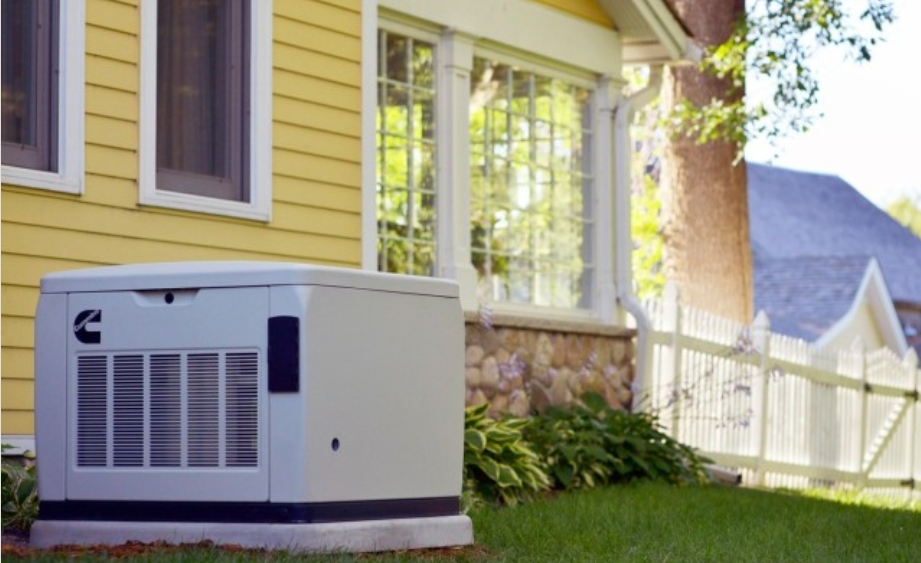
Understanding whether a 10kW diesel generator can truly run a house requires a deeper look at how electricity is consumed in real-life scenarios. Instead of relying on estimates, homeowners must evaluate actual appliance usage, starting loads, and how power is distributed during an outage. Real-world load analysis provides a clearer picture of generator performance.
Calculating Total Household Power Demand
The first step is to calculate the total wattage of all essential appliances that need to run during a power outage. This includes lights, fans, refrigerators, air conditioners, water pumps, and electronics. Adding these values gives a baseline understanding of total load requirements. Total load calculation helps determine whether a 10kW generator is sufficient.
It is important to include both continuous running loads and occasional high-consumption devices when making this calculation. Ignoring certain appliances can lead to underestimation and potential overload during operation. Comprehensive load listing ensures accurate planning and better generator performance.
Running vs Starting Wattage of Common Appliances
Different appliances consume varying levels of power depending on whether they are starting or running. Devices like air conditioners and refrigerators require significantly higher power during startup compared to normal operation. This temporary surge can impact generator performance if not accounted for. Startup power surge is a critical factor in generator sizing.
For example, an air conditioner may run at a moderate wattage but require double or triple that power during startup. If multiple such appliances start simultaneously, the generator may struggle to handle the load. Simultaneous load spikes can lead to instability or tripping if not properly managed.
Load Prioritization for Efficient Generator Use
Efficient generator usage depends on prioritizing essential appliances rather than running everything at once. Homeowners often create a priority list that ensures critical systems like lighting, refrigeration, and basic cooling remain operational during outages. Smart load prioritization improves generator efficiency and prevents overload.
By staggering appliance usage and avoiding simultaneous operation of high-power devices, a 10kW generator can support more functions than expected. This approach maximizes available capacity without increasing generator size. Controlled power distribution allows better utilization of limited capacity.
What Happens When a Generator Is Overloaded?
Overloading a generator can lead to automatic shutdown, voltage fluctuations, or long-term engine damage if it happens repeatedly. Most generators are designed with protection systems, but frequent overload conditions reduce reliability and lifespan. Overload risk impact should always be avoided through proper planning.
When demand exceeds capacity, the generator may struggle to maintain stable output, affecting connected appliances and potentially causing damage. This is why accurate load calculation and disciplined usage are essential. System stability protection depends on keeping the generator within its safe operating range.
How Long Will a 10kW Generator Run on a 1000 lb Propane Tank?
Although this article focuses on diesel systems, many homeowners compare runtime using propane-based setups to better understand fuel efficiency and backup duration. A 1000 lb propane tank can run a 10,000-watt generator for an extended period, but actual runtime depends heavily on load percentage and generator efficiency. Fuel runtime estimation varies based on how much power is being consumed.
At moderate loads, such as 50% capacity, a generator can run significantly longer compared to full-load operation. Higher loads increase fuel consumption, reducing total runtime even with a large fuel tank. This is why understanding load behavior is just as important as fuel storage capacity. Load-dependent runtime plays a major role in determining backup duration.
It is also important to note that diesel generators operate differently from propane systems. Diesel units typically offer better fuel efficiency under heavy loads, which can result in longer runtime per unit of fuel in demanding conditions. This makes diesel a preferred option for applications requiring extended operation. Fuel type comparison helps homeowners choose the right system based on their needs.
Ultimately, runtime calculations should always be based on actual usage patterns rather than theoretical estimates. Proper planning ensures that fuel supply matches expected outage duration without unexpected interruptions. Practical runtime planning ensures consistent and reliable backup performance.
Key Limitations of Using a 10kW Generator for a House
While a 10kW generator is suitable for many residential applications, it does come with certain limitations that homeowners must understand before relying on it as a full backup solution. It is not designed to run an entire house with all appliances operating simultaneously. Capacity limitations awareness helps set realistic expectations.
High-consumption appliances such as multiple air conditioners, electric heaters, and heavy kitchen equipment can quickly exceed the generator’s capacity. Without proper load management, this can lead to overload conditions or forced shutdowns during operation. High load constraints are the most common challenge faced by homeowners.
Another limitation is the need for active load management during outages. Users may need to turn appliances on and off strategically to stay within safe operating limits. While manageable, this requires planning and awareness during use. Manual load control becomes necessary in most cases.
Noise levels and fuel storage considerations may also impact usability depending on installation conditions. Diesel generators are generally louder and require proper placement and fuel handling practices to operate safely. Operational practicality factors should always be evaluated before installation.
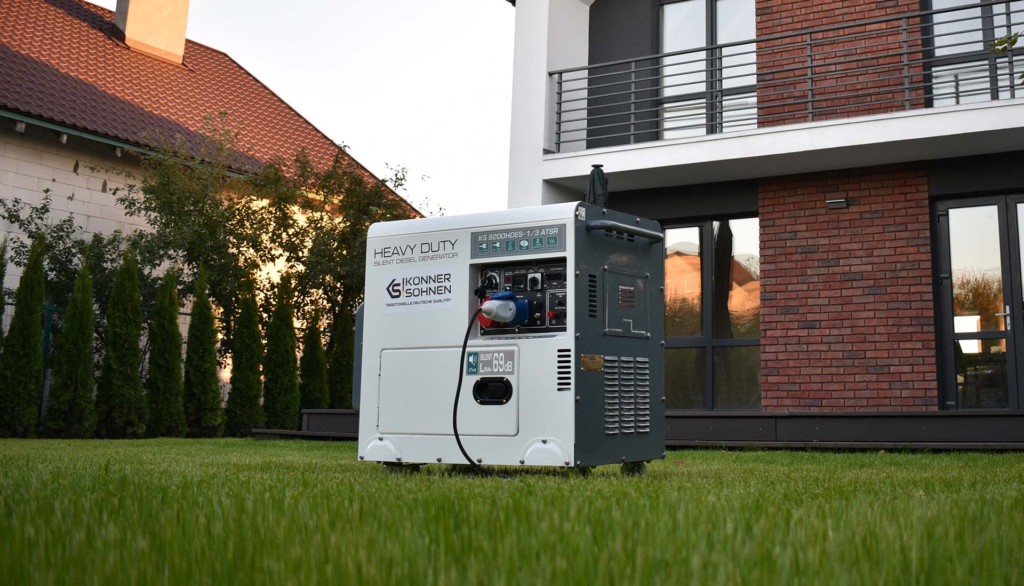
When a 10kW Diesel Generator Is the Right Choice
A 10kW diesel generator is a practical choice for homeowners who need reliable backup power for essential and moderately high-load appliances without investing in a larger, more expensive system. It offers a balanced combination of capacity, efficiency, and affordability for many residential setups. Balanced power solution makes it suitable for typical household backup needs.
This generator size works best for medium-sized homes where the goal is to maintain comfort during outages rather than run the entire house at full capacity. It can efficiently support lighting, fans, refrigeration, and selective use of appliances like air conditioners or water pumps when loads are managed properly. Selective appliance support allows effective use without overloading the system.
It is also a good option for homeowners who experience occasional outages but still want a dependable backup system that can handle more than just basic loads. Compared to smaller generators, a 10kW unit provides additional flexibility without significantly increasing operational complexity. Flexible backup capability makes it a popular mid-range choice.
However, for larger homes or setups with multiple high-consumption systems running simultaneously, a higher-capacity generator may be more appropriate. Choosing the right size ultimately depends on realistic load expectations and usage patterns. Application-specific suitability ensures the generator meets actual household requirements.
Get the Right 10kW Diesel Generator With ALEO
Power reliability at home directly affects comfort, safety, and the ability to maintain essential daily functions during outages. From understanding appliance load requirements and managing starting surges to ensuring proper installation and fuel efficiency, every decision surrounding a 10kW diesel generator impacts long-term performance. Residential power stability depends on selecting the right capacity and using it efficiently.
The difference between smooth backup operation and frequent overload issues often comes down to accurate load planning and smart usage. Homeowners who focus on prioritizing essential appliances, balancing power distribution, and planning for realistic usage scenarios can get the most out of a 10kW system without unnecessary strain. Smart load management ensures reliable performance without exceeding generator limits.
At ALEO, we help homeowners choose the right 10kW diesel generator based on actual household requirements rather than guesswork. Our solutions are designed to deliver dependable performance, efficient operation, and long-term reliability for residential backup needs. Visit our website and connect with us today to explore practical, well-matched power solutions for your home. Reliable home backup solutions start with the right guidance and equipment.