Electrical frequency is one of the most important factors in generator performance because it directly affects the stability, efficiency, and safety of power output. In industrial and commercial environments, even small frequency variations can create operational issues, equipment malfunction, or system instability. This makes the frequency of a generator a critical parameter in modern power systems.
Generators are designed to operate at specific standards, typically 50 Hz or 60 Hz, depending on regional requirements and equipment compatibility. Maintaining the correct frequency ensures that motors, industrial machines, and sensitive electrical systems function properly without overheating or performance loss. This creates a stable power delivery requirement in industrial operations.
The frequency of a generator is closely connected to engine speed, load conditions, and control system performance. When frequency drops too low or fluctuates excessively, connected equipment may experience reduced efficiency, unstable operation, or even permanent damage. This leads to a frequency-dependent equipment performance impact in critical environments.
Understanding how generator frequency works helps businesses improve operational reliability, protect equipment, and maintain stable power quality. In this article, we will explain what generator frequency is, what Hz a generator should run at, what causes low frequency, and how industrial systems maintain proper frequency control during operation. This provides a complete industrial frequency overview for power system planning. So, keep reading:
What Is Generator Frequency?
Generator frequency refers to the rate at which alternating current (AC) changes direction every second during power generation. It is measured in Hertz (Hz), where one Hertz represents one electrical cycle per second. In industrial power systems, the frequency of a generator determines how electrical equipment operates and whether the supplied power remains stable for connected loads.
The frequency produced by a generator is directly related to the rotational speed of the engine and the number of poles inside the alternator. When the engine rotates at a specific RPM, the generator produces a corresponding electrical frequency. This creates a speed-to-frequency operating relationship in generator systems.
Most countries use either 50 Hz or 60 Hz as their standard electrical frequency, depending on regional grid infrastructure and equipment design. Industrial motors, compressors, pumps, and electronic systems are all built to operate at these specific standards. If the frequency of a generator does not match the required standard, equipment performance can become unstable or inefficient.
Frequency control is especially important in industrial and commercial applications where generators operate continuously or support sensitive systems. Stable frequency ensures proper motor speed, balanced electrical output, and reliable equipment operation under changing load conditions. This creates a stable operational performance requirement in modern power generation environments.
What Hz Should a Generator Run At?
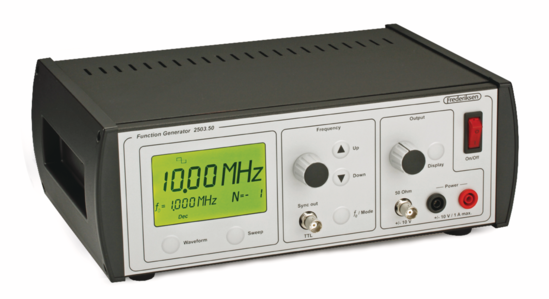
A generator should normally run at either 50 Hz or 60 Hz, depending on the electrical standards used in the region where it operates. Most countries in Europe, Asia, Africa, and the Middle East use 50 Hz systems, while countries like the United States and parts of North America commonly use 60 Hz. This creates a region-based frequency standard for power generation systems.
The frequency of a generator must match the frequency requirement of the connected equipment and local grid infrastructure. Industrial motors, pumps, compressors, and electronic systems are designed specifically for one frequency standard, and operating them at the wrong frequency can reduce efficiency and damage components over time.
Generator frequency is directly linked to engine speed. For example, a 2-pole generator operating at 50 Hz typically runs at 3000 RPM, while the same generator operating at 60 Hz runs at 3600 RPM. This creates a speed-frequency synchronisation relationship that determines electrical output consistency.
Maintaining stable frequency is essential because fluctuations can affect motor speed, voltage stability, and equipment performance. Industrial facilities often use advanced governors and monitoring systems to ensure the frequency of a generator remains within safe operating limits even during changing load conditions.
How Is the Frequency of a Generator Controlled?
The frequency produced by a generator is controlled by maintaining a stable engine speed under different load conditions. Since electrical frequency is directly connected to rotational speed, any change in engine RPM immediately affects output frequency. This makes the frequency of a generator highly dependent on mechanical and control system performance.
Industrial generators use governor systems, automatic controls, and monitoring technologies to regulate speed and maintain stable electrical output. These systems continuously adjust fuel supply and engine operation to prevent frequency fluctuations during changing load demands. This creates a real-time frequency control mechanism in modern generator systems.
Engine Speed and RPM Relationship
The frequency generated by an alternator depends on two main factors: engine speed and the number of poles in the generator design. When the engine rotates at a specific RPM, the alternator produces a corresponding electrical frequency. This establishes a direct speed-frequency relationship in power generation systems.
For example, a 2-pole generator operating at 3000 RPM produces 50 Hz power, while the same generator running at 3600 RPM produces 60 Hz. Any reduction in engine speed lowers the frequency of a generator, which can directly affect connected electrical equipment and industrial operations.
Maintaining stable RPM is therefore essential for achieving accurate electrical frequency and preventing unstable power delivery in industrial environments.
Governor System Function
The governor system is responsible for controlling engine speed automatically during generator operation. When the electrical load increases, the governor adjusts the fuel supply to maintain stable RPM and prevent the frequency of a generator from dropping below safe limits. This creates an automatic load response system in industrial generators.
Modern electronic governors respond quickly to changing load conditions and help maintain consistent frequency even during sudden power demand fluctuations. Without proper governor control, generators may experience unstable operation, poor efficiency, and equipment performance issues.
Governors are especially important in industrial applications where generators support sensitive equipment or continuous operations requiring precise power stability.
Load Impact on Generator Frequency
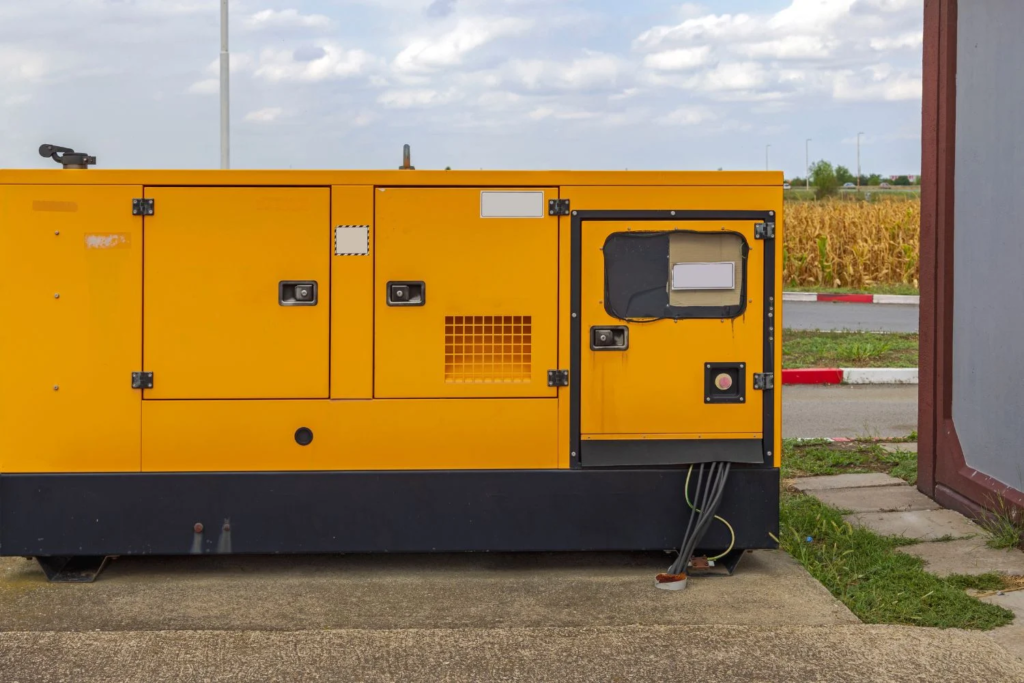
Electrical load has a direct impact on generator frequency because increasing load demand places additional stress on the engine. When a generator suddenly experiences heavy load conditions, the engine may slow down temporarily if the governor cannot respond quickly enough. This causes the frequency of a generator to drop below its normal operating level.
Small load variations are usually managed automatically, but large or sudden load changes can create noticeable frequency fluctuations. Industrial equipment such as motors, compressors, and pumps can worsen this effect because they draw high starting current during startup. This creates a load-induced frequency variation effect in power systems.
Overloading a generator is one of the most common causes of low frequency. If the connected demand exceeds the generator’s rated capacity, engine RPM decreases, and power output becomes unstable. This not only affects electrical performance but can also increase fuel consumption and mechanical stress.
Proper load management is therefore essential for maintaining stable operation. Industrial facilities often distribute loads gradually and use monitoring systems to ensure the frequency of a generator remains within safe operating limits during changing operational conditions.
Automatic Voltage and Frequency Regulation
Modern generators use automatic regulation systems to maintain stable voltage and frequency during operation. These systems continuously monitor electrical output and adjust engine performance in real time to keep power quality within safe limits. This creates an automated power stability system for industrial applications.
Automatic voltage regulators (AVRs) manage voltage output, while governor systems maintain engine speed and stabilise the frequency of a generator. Together, these systems help generators respond efficiently to changing load demands without causing major fluctuations in electrical performance.
Advanced industrial generators also include digital controllers and synchronisation systems that improve frequency accuracy during parallel operation or grid connection. These technologies are especially important in facilities where continuous power reliability is critical.
Without proper regulation systems, generators may experience unstable output, equipment malfunction, or operational downtime. Maintaining accurate voltage and frequency control is therefore essential for safe and efficient industrial power generation.
What Happens if the Generator Frequency Is Low?
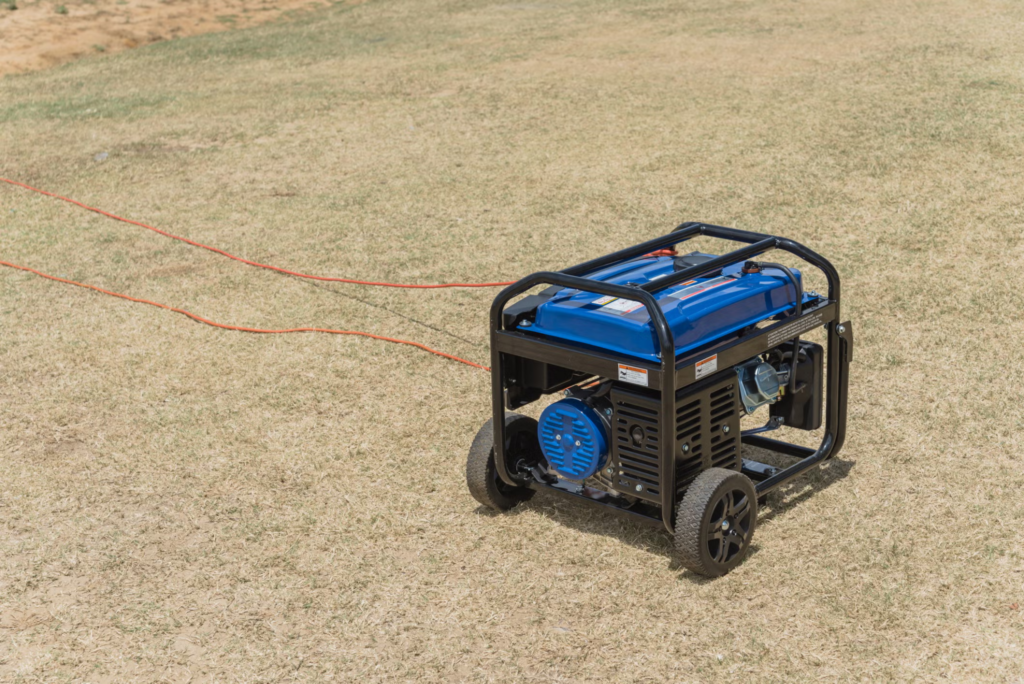
Low generator frequency can create serious operational and electrical problems, especially in industrial environments where equipment depends on stable power quality. When engine speed drops below the required level, the frequency of a generator decreases, affecting the performance of connected systems and electrical devices. This creates a power quality stability issue in generator operations.
One of the most common effects of low frequency is overheating in motors and electrical equipment. Industrial motors are designed to operate at specific frequency standards, and reduced frequency can force them to draw excessive current while operating inefficiently. Over time, this may damage insulation, reduce equipment lifespan, and increase maintenance costs.
Low frequency also affects motor speed and mechanical performance. Pumps, compressors, and conveyor systems may operate more slowly than intended, leading to reduced productivity and unstable industrial processes. This creates a reduced operational efficiency impact in manufacturing and commercial facilities.
Sensitive electronic equipment can also malfunction when the frequency of a generator becomes unstable. Voltage irregularities, synchronisation problems, and fluctuating power output may disrupt control systems, automation equipment, and communication infrastructure.
If low frequency continues for extended periods, generators may experience additional mechanical stress and increased fuel consumption. This is why industrial systems use governors, monitoring systems, and preventive maintenance practices to detect and correct frequency problems quickly before they affect operations.
Difference Between 50 Hz and 60 Hz Generators
The main difference between 50 Hz and 60 Hz generators is the speed at which alternating current changes direction during power generation. Both frequencies are global electrical standards, but different countries and industries use them based on historical grid development and equipment design. This creates a regional electrical frequency difference in global power systems.
A 50 Hz generator typically operates at lower engine RPM compared to a 60 Hz generator. For example, a 2-pole generator producing 50 Hz usually runs at 3000 RPM, while a 60 Hz generator operates at 3600 RPM. Since speed directly affects the frequency of a generator, the mechanical design and operational behaviour of both systems differ slightly.
Another important difference is equipment compatibility. Motors, transformers, and industrial machines are generally designed for a specific frequency standard. Running 50 Hz equipment on 60 Hz power, or vice versa, can affect speed, heat generation, and overall performance. This creates a frequency-specific equipment compatibility requirement in industrial operations.
In some cases, 60 Hz systems may provide slightly higher motor speed and output efficiency, while 50 Hz systems are often associated with smoother operation and lower mechanical stress. However, the actual performance difference depends on application type and system design.
Selecting the correct generator frequency is essential for maintaining safe operation, stable power quality, and proper synchronisation with local electrical infrastructure. Maintaining the proper frequency of a generator ensures reliable equipment performance and long-term operational stability.
Factors That Affect Generator Frequency
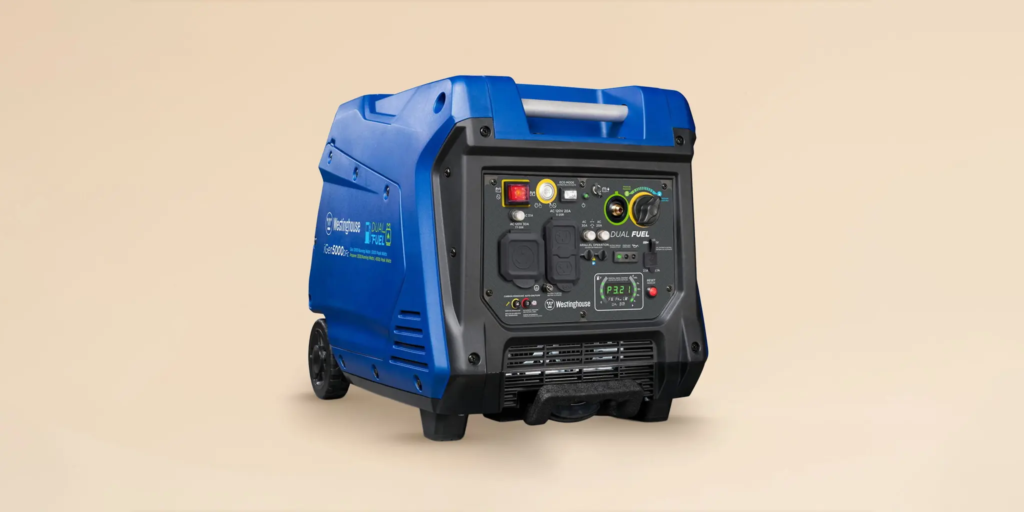
Generator frequency is not fixed in isolation; it is influenced by several mechanical, electrical, and environmental factors that affect engine speed and system stability. Since frequency is directly linked to RPM, any variation in operating conditions can impact the frequency of a generator and overall power quality. This creates a multi-factor frequency stability system in industrial generators.
One of the main factors is engine condition. A poorly maintained engine may struggle to maintain constant speed under load, leading to frequency fluctuations. Fuel quality also plays an important role, as an inconsistent fuel supply can cause unstable combustion and uneven RPM control.
Load imbalance is another major factor. When loads are unevenly distributed or suddenly increased, the generator experiences stress that can reduce engine speed and affect the frequency of the generator. Environmental conditions such as temperature, altitude, and humidity can also influence performance by affecting engine efficiency and cooling capability.
Proper maintenance, balanced load management, and high-quality fuel are essential to maintain stable frequency output in industrial applications.
Why Frequency Stability Is Important in Industrial Applications
Frequency stability is critical in industrial environments because most equipment is designed to operate within strict electrical standards. Even small fluctuations in the frequency of a generator can lead to performance issues, inefficiency, or equipment damage. This creates a critical industrial power stability requirement.
In manufacturing plants, unstable frequency can affect motor speed, production accuracy, and machine synchronisation. In data centres and sensitive facilities, frequency variations can cause system errors, downtime, or data loss. This makes stable power essential for continuous operations.
Grid synchronisation is another important factor. Generators operating in parallel with the main grid must maintain precise frequency levels to ensure smooth power transfer and avoid system conflicts.
Overall, maintaining a stable frequency ensures safe equipment operation, improved efficiency, and reduced operational risks in industrial applications where an uninterrupted power supply is essential.
Get Generators With Reliable Frequency – Connect With ALEO
Maintaining a stable frequency of a generator is essential for ensuring reliable power output, equipment safety, and smooth industrial operations. Even minor fluctuations in frequency can impact motor performance, reduce efficiency, and create operational risks in sensitive systems. This makes frequency control a core requirement in all modern power generation setups.
At ALEO, we understand how critical stable frequency and consistent power delivery are for industrial applications. That’s why our generator systems are designed for high reliability, engineered performance, and long-term operational stability in demanding environments.
Each unit comes with UL certification from the USA, ensuring international safety and quality standards. With direct USA shipment, businesses benefit from dependable delivery timelines, while on-site installation and debugging support ensure proper setup and optimised performance from day one. Backed by a 1-year warranty, ALEO solutions provide long-term confidence and operational security for critical power needs.
Visit our website and connect with us to begin your journey towards stabilised power generation today!