Most generator buying mistakes don’t happen because people choose the wrong brand; they happen because they choose the wrong size. In many cases, users only discover this after installation, when the system either struggles to support their actual load or ends up being far larger than what they realistically need. Sizing miscalculation issue is one of the most overlooked problems in backup power planning.
The difficulty comes from the fact that generator sizing is not as simple as matching it with house size, business category, or equipment count. Electrical demand changes depending on how appliances start, how long they run, and which systems are used simultaneously during an outage. A refrigerator, air conditioner, or water pump can draw significantly different power at startup compared to normal operation. Variable load behavior makes accurate sizing more complex than it appears.
Another challenge is that most users do not calculate total load in a structured way. Instead, they rely on rough assumptions, such as “small house needs small generator” or “bigger building needs bigger generator,” which often leads to either undersizing or oversizing. Both mistakes can affect performance, fuel efficiency, and long-term cost. Incorrect estimation risk can directly impact reliability during a power failure.
Proper generator sizing requires understanding actual usage patterns rather than theoretical expectations. This includes identifying essential appliances, calculating running wattage, and accounting for startup surges that can temporarily increase load demand. Real load assessment is the only reliable way to determine the correct capacity.
This guide breaks down how large a generator you actually need in a practical and easy-to-understand way, helping you avoid unnecessary costs and ensure stable backup power when it matters most. An accurate sizing approach ensures both performance efficiency and long-term reliability.
Why Generator Sizing Matters for Reliable Power Backup
Selecting the correct generator size is one of the most important decisions in any backup power setup because it directly affects performance stability during actual usage. A properly sized generator ensures that all connected appliances receive consistent power without fluctuations or interruptions. Correct sizing importance determines whether the system runs smoothly or struggles under demand.
When a generator is undersized, it is forced to operate beyond its safe capacity whenever load demand increases. This leads to frequent tripping, voltage instability, and, in some cases, complete system shutdown. Over time, this constant stress can also damage internal components and reduce overall lifespan. An undersized system risk creates serious performance and safety issues during outages.
On the other hand, oversizing a generator may appear to be a safer choice, but it introduces inefficiencies that are often ignored at the time of purchase. Large generators running at very low loads consume fuel less efficiently and may not operate in their optimal performance range. This results in unnecessary operating costs without improving real-world usage. Oversizing inefficiency issue increases long-term expenses.
Proper sizing ensures that the generator operates within its ideal load range, where efficiency, fuel consumption, and performance are balanced. This helps maintain stable output while also reducing mechanical strain on the engine over time. Balanced load operation supports longer equipment life and more reliable performance.
In practical terms, generator sizing is not just a technical calculation but a decision that directly impacts fuel cost, system reliability, and overall backup efficiency. Performance reliability balance can only be achieved when the generator capacity matches the actual power demand accurately.
How Large Of A Generator Do I Need for Different Applications?
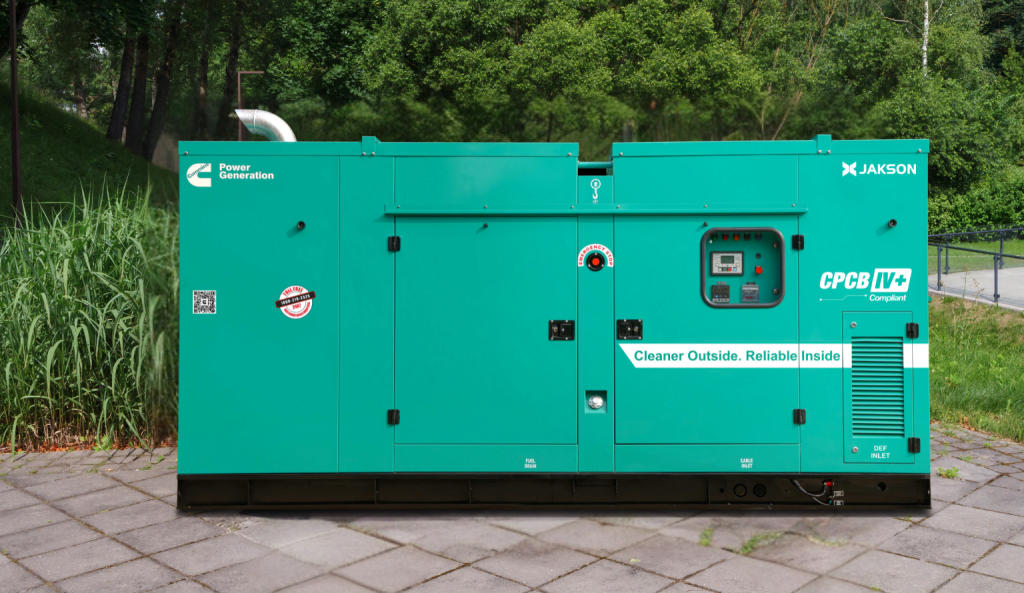
The answer to how large of a generator do I need depends entirely on the type of application and the level of load I want to support during a power outage. Residential, commercial, and industrial setups all have very different power requirements, so a one-size-fits-all approach does not work in real scenarios. Application-based sizing is the most practical way to determine generator capacity.
For small homes, power demand is usually limited to essential appliances such as lights, fans, a refrigerator, and basic electronics. In these cases, smaller generators in the range of 3kW to 7kW are often sufficient. They provide enough backup to maintain basic comfort without excessive fuel consumption. Basic household load defines this category of generator usage.
Medium-sized homes typically require more capacity because they may include air conditioning units, water pumps, and multiple appliances running simultaneously. For such setups, generators in the 7kW to 15kW range are more suitable depending on usage patterns. Moderate load requirement makes mid-range generators a practical choice.
Large homes or villas with multiple air conditioners and heavy electrical usage often require 15kW to 30kW or more. These systems are designed to handle higher simultaneous loads without instability or performance drops. High consumption demand requires larger and more robust generator systems.
For small commercial setups such as shops or offices, generator sizing depends on equipment like computers, lighting, refrigeration, and HVAC systems. These typically fall in the 10kW to 40kW range, depending on scale. Commercial load profile varies significantly based on operational needs.
Industrial applications require the highest capacity generators due to heavy machinery, continuous operation, and large-scale power demand. In these cases, generators often start from 40kW and go much higher depending on facility size. Industrial power demand requires carefully engineered high-capacity solutions.
Understanding these categories helps narrow down your requirements before doing detailed load calculations, making it easier to answer how large of a generator do I need in a practical and accurate way. A correct sizing approach ensures reliable performance and avoids costly mistakes.
Load Calculation and Power Requirements Breakdown
Understanding how large of a generator do I need becomes much clearer when you break down real electrical demand instead of guessing based on house size or general assumptions. Every generator decision starts with load calculation, because it determines whether the system will perform smoothly or struggle under pressure. Accurate load assessment is the foundation of correct generator sizing.
Understanding Running vs Starting Wattage
Every electrical appliance has two different power requirements: running wattage and starting wattage. Running wattage is the amount of power needed to keep the appliance operating continuously, while starting wattage is the short burst of extra power required when the appliance first turns on. Dual power demand is one of the most important concepts in generator sizing.
Appliances with motors or compressors, such as refrigerators, air conditioners, and water pumps, usually require significantly higher starting power compared to their normal operating load. In some cases, the starting load can be two to three times higher than the running load, even if only for a few seconds. Surge load impact can easily overload a small generator if not considered properly.
This is why generator sizing cannot be based only on running wattage. A unit that looks sufficient on paper may fail in real operation if it cannot handle startup surges from multiple appliances at the same time. Starting load importance directly affects system stability and reliability.
Calculating Total Household or Facility Load
To determine how large of a generator do I need, the next step is calculating total power demand by adding the wattage of all appliances that may run during an outage. This includes essential devices such as lights, fans, refrigerators, water pumps, and any other critical equipment. Total load summation provides a realistic power requirement baseline.
The process is simple but must be done carefully. First, list all appliances that will be used during a power outage. Then note their wattage ratings, which are usually mentioned on product labels or manuals. After that, add all running wattages together to get a total estimate. Step-by-step calculation ensures accuracy in sizing decisions.
It is also important to consider realistic usage patterns rather than assuming everything will run at the same time. Not all appliances operate simultaneously in most homes or facilities, so practical grouping of loads gives a more accurate result. Real usage estimation improves generator selection accuracy.
Identifying Essential vs Non-Essential Loads
During a power outage, not all appliances need to run at the same time, which is why load prioritization is a critical part of generator sizing. Essential loads are those required for basic comfort and safety, such as lighting, refrigeration, fans, and water supply systems. Priority load selection helps optimize generator usage.
Non-essential loads include devices like washing machines, electric ovens, irons, and other high-consumption appliances that can be temporarily turned off during outages. Excluding these from the main load calculation reduces unnecessary generator size requirements. The load exclusion strategy prevents oversizing.
By clearly separating essential and non-essential loads, users can design a more efficient backup system that focuses only on what truly needs power during outages. This approach also reduces fuel consumption and operational stress on the generator. Efficient load planning improves both cost and performance.
Safety Margin and Generator Sizing Buffer
After calculating the total load, it is recommended to add a safety margin of around 20 to 30 percent to the final generator size. This buffer ensures that the generator does not operate at maximum capacity all the time, which improves efficiency and reduces wear on internal components. Safety buffer allowance is essential for long-term reliability.
Without this margin, even small increases in load or unexpected appliance usage can push the generator beyond its limit, causing overload or performance instability. A buffer also helps handle temporary power surges from appliances starting simultaneously. Overload prevention strategy protects both equipment and connected devices.
In practical terms, this extra capacity ensures smoother operation, better fuel efficiency, and longer generator lifespan. It also provides flexibility for future load increases without needing immediate replacement or upgrade. Capacity future proofing makes the system more adaptable over time.
Generator Size Guide Table
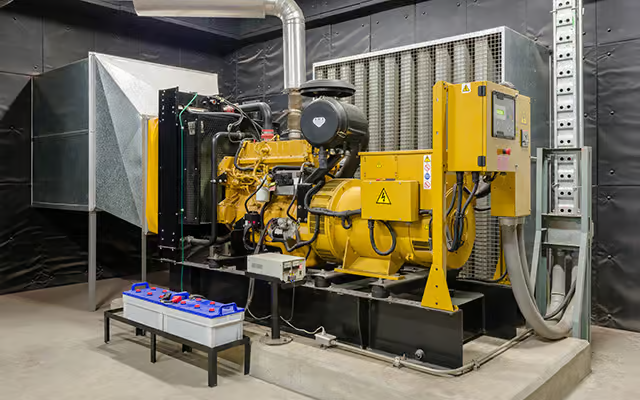
Choosing the right generator becomes much easier when you compare application type, estimated load, and recommended generator size side by side. This helps simplify how large of a generator do I need for different real-world scenarios and reduces the risk of oversizing or undersizing. Size comparison clarity provides a practical decision-making reference.
| Application Type | Estimated Load (kW) | Recommended Generator Size |
| Small Home | 3 kW to 5 kW | 5 kW to 7 kW |
| Medium Home | 5 kW to 10 kW | 10 kW to 15 kW |
| Large Home | 10 kW to 20 kW | 20 kW to 30 kW |
| Small Business | 15 kW to 30 kW | 30 kW to 40 kW |
| Industrial Use | 30 kW and above | 40 kW and above |
This table provides a general guideline, but actual requirements may vary depending on appliance types and usage patterns. Homes with multiple air conditioners or businesses with heavy machinery may require higher capacity than shown. Real usage variation should always be considered before final selection.
For anyone still unsure how large a generator do I need, combining load calculation with this reference table provides a much clearer and more accurate starting point for decision-making. Practical sizing reference helps align expectations with real power needs.
Common Mistakes When Choosing Generator Size
One of the most common mistakes buyers make is ignoring starting wattage and focusing only on running load. This leads to undersized generators that cannot handle real-world appliance surges during startup. Startup load oversight is a major reason for generator failure under pressure.
Another frequent error is guessing generator size based on house size or business category instead of actual electrical demand. Two similar-sized homes can have completely different power needs depending on appliances and usage habits. Assumption-based sizing often results in incorrect selection.
Many users also forget to plan for future load increases. Adding new appliances later without considering extra capacity can overload an already perfectly sized generator. Future load neglect limits long-term usability.
Oversizing is also a mistake, as running a large generator at very low loads reduces fuel efficiency and increases operating costs unnecessarily. A proper balance is required for both performance and economy. Inefficient oversizing issue impacts long-term cost effectiveness.
How to Choose the Right Generator Size for Long-Term Use
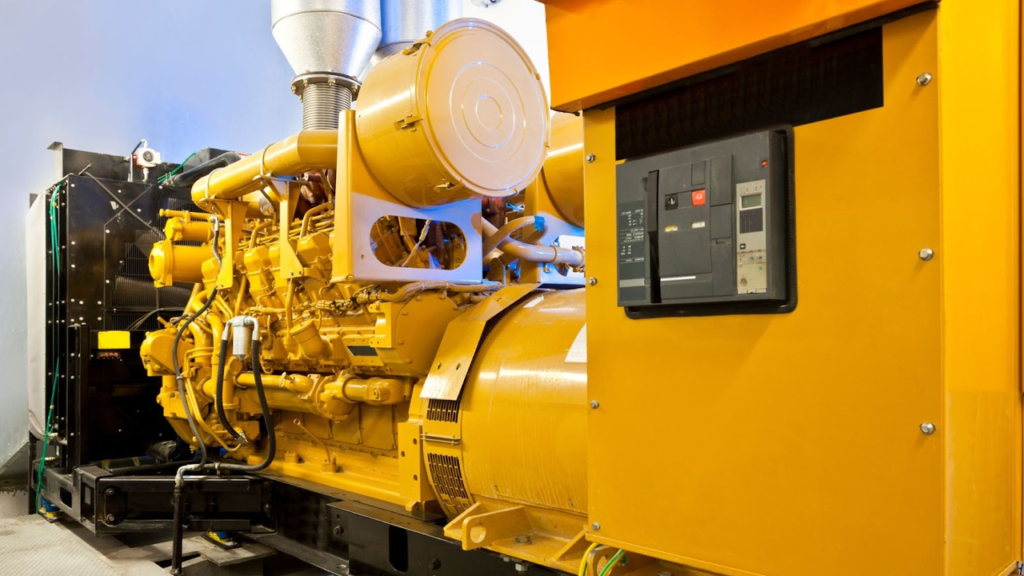
Selecting the right generator requires looking beyond immediate needs and considering long-term usage patterns. A system that works today should also support future expansion without requiring early replacement. A long-term planning approach ensures better investment value.
Users should evaluate total connected load, prioritize essential appliances, and always include a safety margin for unexpected demand. This creates a realistic sizing foundation that matches actual conditions rather than theoretical numbers. Practical load evaluation improves decision accuracy.
Professional assessment is also highly recommended for commercial or high-load environments where miscalculation can lead to costly downtime or equipment damage. Expert guidance ensures correct sizing from the start. Expert sizing support reduces operational risk.
Ultimately, the right generator size is the one that delivers stable performance under real usage conditions without strain, inefficiency, or frequent overloads. Balanced performance selection ensures long-term reliability and cost efficiency.
Get the Right-Sized Generators As Per Your Needs With ALEO
Understanding how large of a generator do I need is not about choosing the biggest or cheapest option, but about matching real electrical demand with practical generator capacity.
Proper planning also ensures better fuel efficiency, reduced maintenance stress, and improved long-term performance. Adding a safety margin and prioritizing essential loads further strengthens system reliability during actual outages. Efficient backup planning improves both cost control and operational stability.
At ALEO, we help customers select the right generator based on real load requirements and future expansion needs. Our UL-certified systems, direct shipment from the United States, professional installation support, and warranty coverage ensure dependable performance for every application. Reliable power solutions begin with the right sizing and expert guidance.Visit our website and connect with us today to explore practical power solutions for your needs.