Selecting the correct commercial generator size for a commercial building is essential for maintaining operational continuity and protecting critical infrastructure during power interruptions. Commercial facilities operate with complex electrical systems that include lighting, HVAC equipment, machinery, security systems, and IT infrastructure, all of which require stable and properly distributed power support.
Unlike residential backup solutions, a commercial generator must handle variable load demands and extended operating hours. Power requirements often fluctuate throughout the day depending on equipment usage, occupancy levels, and operational schedules. Without accurate sizing, generators may experience overload conditions, inefficient fuel usage, or reduced equipment lifespan, leading to higher operational risks.
Determining generator capacity involves more than simply adding total wattage. Engineers and facility managers must evaluate starting loads, continuous running loads, power factor considerations, and future expansion needs. A properly sized commercial generator ensures consistent energy delivery, improved efficiency, and dependable performance during emergencies or planned outages.
Understanding how generator sizing works helps businesses make informed decisions, reduce downtime risks, and build a power system capable of supporting long-term commercial operations.
Understanding Power Demand in Commercial Facilities
Power demand in commercial environments is far more complex than simple electricity consumption because multiple systems operate simultaneously under changing load conditions. Engineers evaluate building energy behavior before selecting a commercial generator to ensure reliable performance during outages and peak operational periods. Understanding how electrical demand fluctuates helps businesses maintain accurate load assessment and avoid costly sizing mistakes.
One of the first concepts engineers analyze is the difference between base load and peak load. Base load represents the minimum continuous electricity required to keep essential systems running, such as lighting, servers, and security infrastructure. Peak load, however, occurs when multiple high-power systems operate simultaneously, temporarily increasing demand. Generator sizing must account for both scenarios to maintain balanced power capacity without overloading or inefficiency.
Another critical factor is the distinction between starting current and running load. Many commercial machines, especially motors and compressors, require significantly higher power during startup compared to normal operation. This temporary surge, known as inrush current, can be several times higher than running wattage. If a commercial generator cannot handle these surges, equipment may fail to start or cause voltage instability, making startup load management essential during planning.
HVAC systems often represent the largest contributor to commercial power demand. Heating, ventilation, and air conditioning units operate continuously in offices, malls, hospitals, and industrial facilities, especially in extreme climates. Because HVAC compressors cycle on and off throughout the day, they create fluctuating electrical loads that engineers must consider when calculating generator capacity, ensuring climate system reliability during extended outages.
Elevators and motor-driven equipment also significantly influence generator requirements. Elevators, pumps, conveyor systems, and ventilation motors generate sudden load spikes when activated. These systems require generators capable of handling rapid demand changes while maintaining voltage stability, supporting motor load stability across the entire electrical network.
Future expansion planning is another essential part of demand evaluation. Commercial buildings frequently add equipment, increase occupancy, or expand operational capacity over time. Engineers typically include capacity margins to accommodate growth, ensuring the selected commercial generator remains suitable for evolving energy requirements and delivers long-term scalability planning without immediate upgrades.
Key Factors That Determine Commercial Generator Size
Selecting the right commercial generator involves evaluating multiple technical and operational factors to ensure reliable power delivery under real-world conditions. Industrial and commercial facilities operate with diverse electrical systems, meaning a generator must handle both continuous loads and occasional peak demands without compromising efficiency or safety.
Total Load Calculation
The first step in sizing a commercial generator is determining the total electrical load. This includes lighting, HVAC systems, office equipment, industrial machinery, security systems, and other critical infrastructure. Engineers sum both running wattage and startup wattage to ensure the generator can handle normal operation and peak surges. Accurate load calculation prevents overloads, voltage drops, and unnecessary downtime, maintaining a stable energy supply for the building.
Starting vs Running Watts
Many commercial devices, especially motors and compressors, require higher power when starting compared to normal operation. This difference, known as surge or inrush current, can be two to three times the running load. Choosing a commercial generator capable of handling surge power requirements ensures equipment starts smoothly without tripping the system or causing damage.
Load Prioritization Strategy
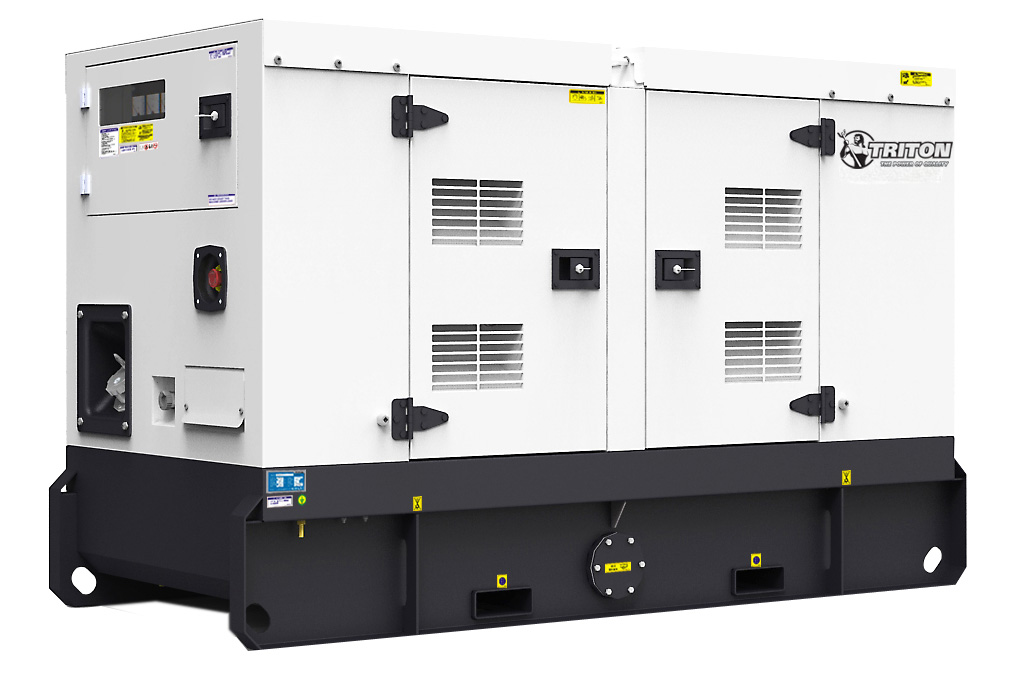
Not all systems in a commercial facility require backup power during outages. Prioritizing critical versus noncritical loads allows businesses to select a generator that efficiently powers essential systems while reducing operational costs. Emergency lighting, servers, security equipment, and life-safety systems typically take precedence, ensuring critical system protection even during extended outages.
Fuel Type and Runtime Planning
Diesel generators are preferred for commercial and industrial applications due to their fuel efficiency, durability, and long-term reliability. Runtime planning considers tank capacity, fuel consumption, and anticipated outage duration. Selecting a generator with appropriate fuel efficiency planning ensures continuous operation without frequent refueling, especially for long-duration outages.
Future Expansion Capacity
Commercial facilities often grow over time by adding equipment, increasing occupancy, or expanding operational areas. Including a margin for future expansion in generator sizing ensures that the system remains capable of supporting evolving electrical demands. Planning for capacity growth flexibility reduces the need for immediate replacement or costly upgrades.
Voltage and Phase Requirements
Commercial buildings may operate on single-phase or three-phase electrical systems, depending on equipment and power distribution needs. Correct phase matching is essential for safe and efficient generator operation. Three-phase systems are commonly used in industrial environments to handle high-load machinery, ensuring voltage stability management throughout the facility.
Environmental and Site Conditions
The performance of a commercial generator can be affected by environmental and site conditions such as temperature, altitude, humidity, and ventilation. High temperatures or elevated locations can reduce engine efficiency, while poor airflow may cause overheating during prolonged operation. Engineers factor in these conditions to apply derating adjustments, ensuring the generator maintains reliable output under actual site conditions. Considering environmental impacts during sizing helps avoid unexpected downtime and ensures consistent performance in demanding commercial or industrial settings.
| Load Category | Example Equipment | Sizing Consideration |
| Motor Loads | Pumps, compressors | High startup surge |
| HVAC Systems | Chillers, air handlers | Continuous load |
| IT Equipment | Servers, network devices | Stable voltage |
| Lighting | Commercial LED and fluorescent | Low but constant |
How Do You Size a Generator for Commercial Use?
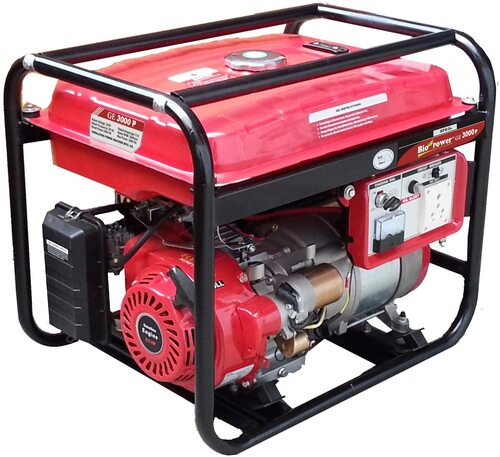
Sizing a commercial generator correctly requires a structured evaluation of electrical demand, operational priorities, and equipment behavior under real working conditions. Commercial buildings consume power differently compared to residential spaces because multiple systems operate simultaneously and often include heavy-duty electrical equipment. Proper sizing ensures that the generator delivers stable performance without overload risks or unnecessary fuel consumption.
The first step involves calculating the total electrical load of the building. This includes lighting systems, HVAC units, elevators, production equipment, computers, and safety infrastructure. Each device has both running wattage and starting wattage requirements, and ignoring startup loads can lead to generator failure during activation. Motors and compressors typically require higher power during startup, making accurate load assessment essential.
Another important factor is identifying critical vs noncritical loads. Not all systems need backup power during outages. Businesses often prioritize essential operations such as security systems, emergency lighting, servers, or production lines. Separating critical loads allows engineers to size a commercial generator more efficiently while reducing overall system costs and improving fuel efficiency.
Load diversity and operational patterns also influence generator sizing. Commercial buildings rarely operate all equipment at maximum capacity simultaneously. Evaluating real usage patterns helps determine realistic demand levels rather than theoretical maximum loads. This approach improves fuel efficiency optimization and extends generator lifespan by preventing constant high-load operation.
Future expansion planning is equally important when selecting generator capacity. Commercial facilities frequently add equipment or increase operational scale over time. Choosing a commercial generator with a reasonable capacity margin ensures the system can accommodate growth without requiring immediate upgrades or replacement.
Environmental conditions must also be considered during sizing calculations. High temperatures, altitude, and ventilation limitations can affect generator performance and output efficiency. Engineers typically apply derating factors to ensure reliable operation under actual site conditions, helping maintain stable power output even in demanding environments.
Finally, professional load testing and power audits help validate sizing decisions before installation. These assessments simulate real operating conditions and confirm whether the selected commercial generator can support peak demand safely and efficiently.
Will a 20kW Generator Run a Whole House?
A 20kW generator can often handle the electrical needs of a residential home, powering lighting, kitchen appliances, air conditioning units, and other household equipment. Residential electrical loads are relatively low compared to commercial buildings, and a single generator of this size may suffice for short-term backup during outages. Proper load planning and attention to startup surges ensure that household systems operate safely and efficiently.
However, commercial buildings operate under very different conditions. Offices, warehouses, retail outlets, and industrial facilities have multiple simultaneous systems, including HVAC, security, elevators, production machinery, and IT infrastructure. These environments require far more power than a typical home, meaning a 20kW generator is rarely sufficient for commercial use. Attempting to rely on a residential-sized generator can lead to overloads, voltage instability, and equipment damage.
Commercial facilities need generators designed for continuous operation, higher capacity, and industrial-grade reliability. Selecting a commercial generator ensures stable voltage, the ability to handle startup surges, and extended runtime, providing dependable power for critical operations. While a 20kW unit may be adequate for a home, industrial and commercial applications demand purpose-built solutions to maintain operational continuity and protect sensitive equipment.
What Are the 4 Types of Generators?
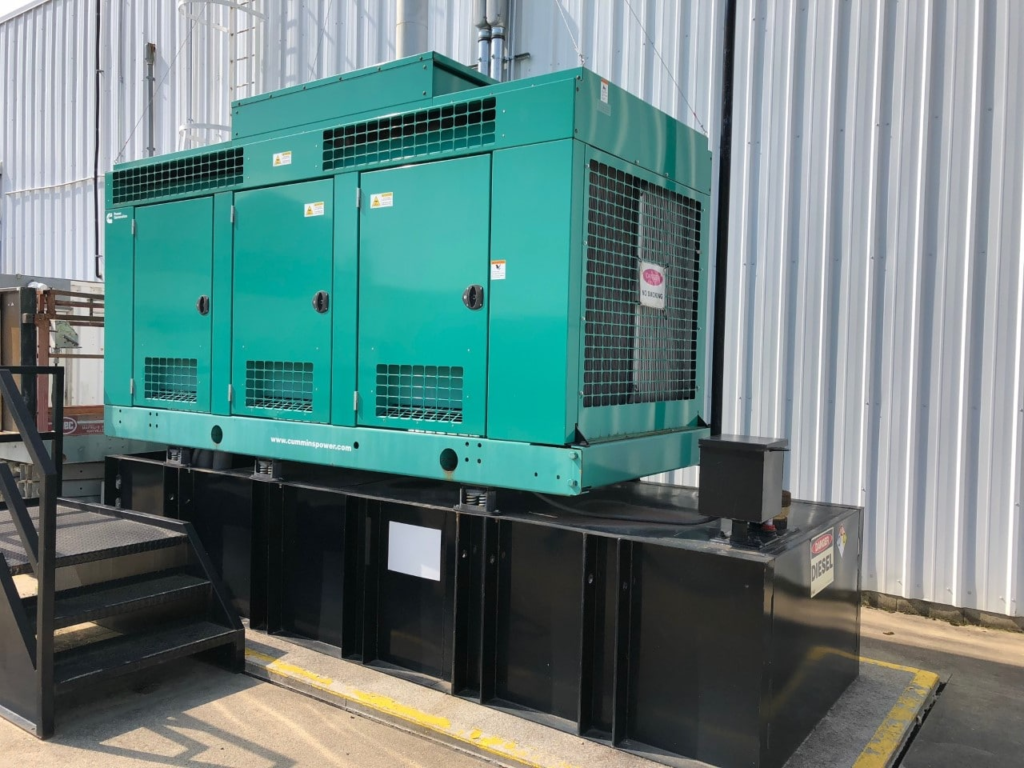
Choosing the right generator starts with understanding the four main types and their applications. Each type is designed for specific environments and operational demands, helping buyers select a solution that matches their facility’s energy needs.
Portable generators are compact and mobile, ideal for temporary power at construction sites or outdoor events. While easy to deploy, they have limited capacity and are unsuitable for full commercial building operations.
Standby generators are permanently installed and connected to a building’s electrical system. They automatically activate during outages and provide uninterrupted power to critical systems, making them ideal for offices, hospitals, or retail spaces requiring reliable backup.
Inverter generators produce clean and stable electricity, making them suitable for sensitive electronics and low-load applications. They are quieter and fuel-efficient but generally lack the capacity needed for large commercial buildings.
Industrial diesel generators are designed for heavy-duty and continuous operation. These systems offer high capacity, long runtime, and durability, making them the best choice for commercial and industrial facilities. They can handle large loads, startup surges, and extended operations while ensuring reliable commercial continuity. Industrial diesel generators are the standard for businesses that cannot afford power interruptions.
Common Generator Sizing Mistakes Businesses Make
Many commercial facilities face operational challenges because of improper generator sizing. One frequent mistake is undersizing the generator to save upfront costs. While smaller units may be cheaper initially, they often fail to support peak loads, leading to frequent shutdowns, voltage drops, and potential damage to sensitive equipment.
Another common error is ignoring startup surges from motors, compressors, and HVAC systems. Many businesses only consider running wattage when sizing a generator, but failing to account for inrush currents can cause generators to trip during equipment activation, disrupting critical operations and increasing downtime.
Some businesses overlook future expansion when selecting a generator. Facilities often add equipment, increase operational hours, or expand spaces over time. Without planning for capacity growth, an initially adequate generator may quickly become insufficient, forcing costly upgrades or replacements.
Relying on residential or portable units for commercial applications is another frequent pitfall. While suitable for small or temporary use, these generators cannot handle continuous loads or high-demand industrial systems. Using undersized residential generators in commercial buildings leads to inefficiency, excessive wear, and potential operational hazards.
Finally, improper attention to load prioritization can result in generators powering noncritical systems while failing to protect essential infrastructure. Without defining which systems are critical, businesses risk interrupting key operations during outages, even with a correctly sized generator.
Avoiding these mistakes ensures businesses invest in the right commercial generator, providing reliable power, operational efficiency, and long-term energy security.
Choosing the Right Generator for Long-Term Reliability – Connect With ALEO Today!
At ALEO, our industrial generator solutions are engineered to provide long-term reliability and uninterrupted performance for commercial and industrial applications. Each unit carries UL certification from the USA, giving buyers confidence in quality and compliance with international safety standards.
Direct shipment from the United States ensures dependable delivery timelines, allowing businesses to deploy generators quickly and maintain project schedules without compromise. This makes ALEO generators ideal for time-sensitive operations and remote facilities where reliable power is critical.
Our team supports clients with on-site installation and debugging, ensuring seamless system integration, optimal performance, and minimal downtime from day one. Backed by a 1-year warranty, these generators provide operational security and peace of mind for demanding environments.
Visit our website and connect with us today to access high-quality equipment, structured maintenance planning, and expert support, helping your business achieve a stable power supply, improved uptime, and long-term operational success.