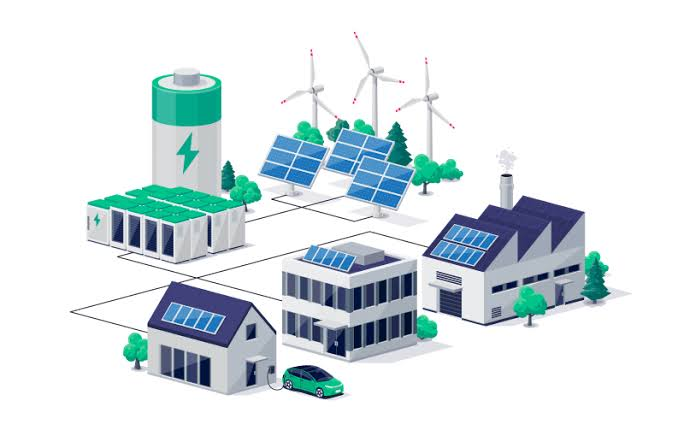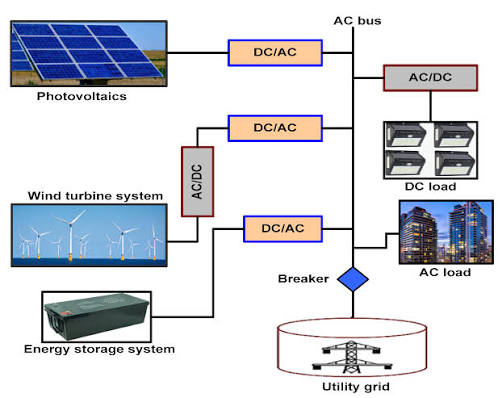
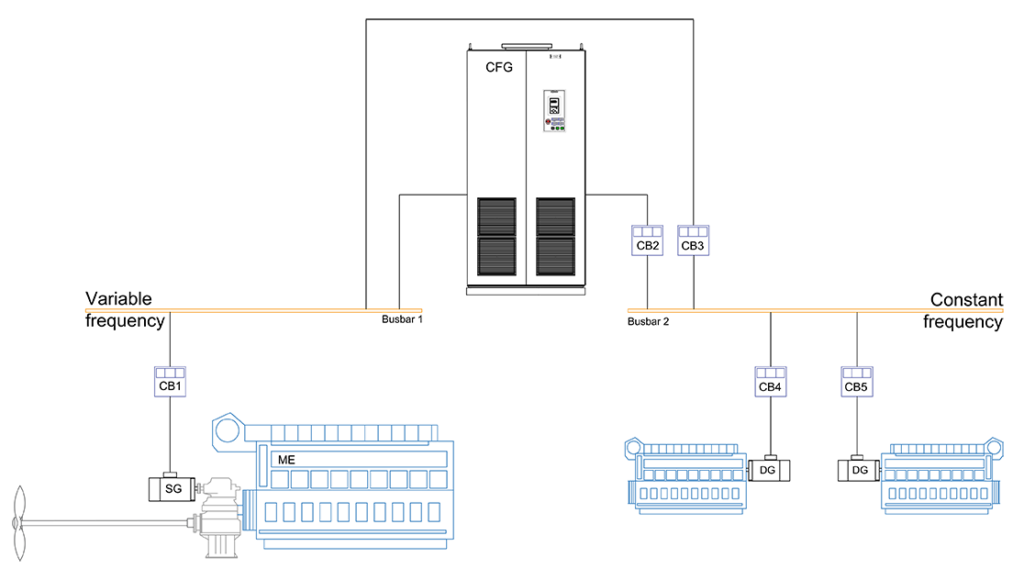
Power stability is critical for industries that rely on continuous operation, sensitive machinery, and precision-based electrical systems. Even minor frequency fluctuations can affect equipment performance, cause operational interruptions, and increase the risk of system damage. This is why many industries invest in generators designed to maintain stable electrical output under changing load conditions. Stable frequency control plays a major role in ensuring reliable industrial power infrastructure.
A constant frequency generator is designed to deliver electricity at a fixed frequency, typically 50Hz or 60Hz, regardless of variations in engine speed or electrical demand. Unlike standard generators that may experience output fluctuations under heavy loads, these systems are engineered to provide consistent and dependable power for applications that require high electrical accuracy. Understanding how these systems operate is important for businesses seeking reliable, constant power solutions for industrial, commercial, and mission-critical environments.
Constant frequency generators are widely used in facilities where stable electrical frequency is essential for equipment safety and operational continuity. These generators use advanced control systems, engine speed regulation, and load management technologies to maintain steady performance during continuous operation. Precision power management helps industries reduce downtime, protect sensitive systems, and improve operational efficiency.
This article explains what a constant frequency generator is, how it works, its industrial applications, operational benefits, cost factors, and why modern businesses depend on advanced constant power solutions to maintain a reliable and uninterrupted energy supply. So, keep reading:
What Is a Constant Frequency Generator?
A constant frequency generator is a power generation system designed to maintain a stable electrical frequency regardless of load changes or operating conditions. These generators typically deliver electricity at a fixed 50Hz or 60Hz output, which is essential for equipment that requires consistent power quality. Stable frequency output helps ensure reliable performance in industrial and commercial environments.
Unlike conventional generators that may experience frequency fluctuations during varying load demands, constant frequency generators use advanced speed regulation and control systems to maintain consistent operation. This stability is especially important for sensitive systems such as medical equipment, communication networks, automated production lines, and data centers. Businesses often rely on these systems as part of dependable, constant power solutions for critical operations.
By delivering controlled and stable electricity, constant frequency generators improve efficiency, equipment protection, and long-term reliability. Continuous power consistency makes them essential for modern industrial infrastructure.
How Does a Constant Frequency Generator Work?
Constant frequency generators operate through a coordinated system that controls engine speed, alternator output, and load management to maintain a stable electrical frequency. Their main purpose is to deliver uninterrupted electricity even when operational demand changes rapidly. The frequency stabilization process ensures reliable power quality for sensitive industrial applications.
Frequency Stability and Power Generation
Electrical frequency refers to the number of alternating current cycles produced each second, usually measured as 50Hz or 60Hz. Maintaining a constant frequency is essential because many industrial systems are designed to operate within strict electrical tolerances. Consistent frequency control helps prevent equipment malfunction and operational instability.
To support reliable, constant power solutions, the generator continuously adjusts internal systems to maintain stable output even during fluctuating loads. Stable frequency is especially important in facilities that use automated machinery, medical devices, and communication systems, where interruptions can cause serious operational issues. Precision electrical regulation improves safety and efficiency.
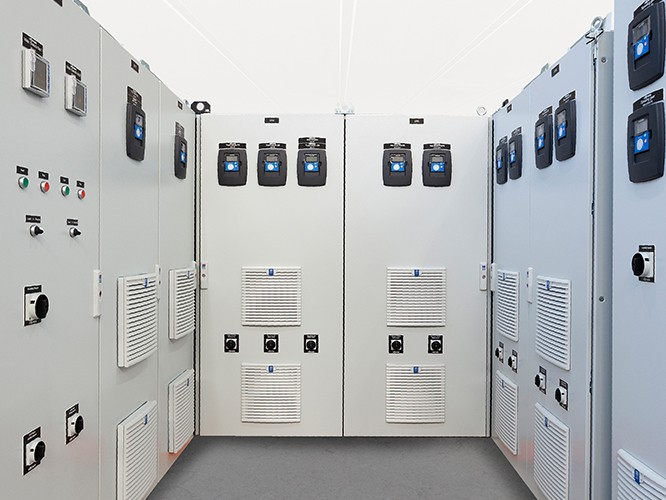
Engine Speed Regulation Mechanism
The engine speed directly affects generator frequency, which is why constant frequency generators use governor systems to maintain controlled rotational speed. These systems automatically adjust fuel input based on load demand to prevent frequency fluctuations. Automatic speed regulation helps maintain steady electrical performance.
When electrical demand increases, the governor increases engine power to maintain the required speed and frequency output. During lower demand, the system reduces fuel supply to improve efficiency while keeping frequency stable. This balance is a key part of how Constant Power Solutions delivers dependable industrial electricity under changing operating conditions.
Alternator Performance and Frequency Output
The alternator converts mechanical energy from the engine into electrical energy. It works together with the engine speed control system to ensure consistent AC power generation under varying load conditions. Stable alternator operation is essential for reliable electrical performance.
Inside the alternator, the rotor creates a magnetic field that interacts with stationary windings in the stator to generate electricity. The speed of this rotation directly affects frequency output, which is why precise coordination between the engine and alternator is necessary. This process is central to delivering dependable, constant power solutions in industrial environments.
Industrial alternators are designed to maintain balanced voltage and frequency even during heavy or fluctuating loads. This stability helps protect sensitive equipment from electrical irregularities and supports continuous operation. Consistent AC power generation improves operational safety and system efficiency.
Load Management and Power Consistency
Industrial power demand often changes rapidly as machines start, stop, or operate under different loads. Constant frequency generators use advanced load management systems to maintain stable output during these fluctuations. Dynamic load balancing helps prevent power instability and operational interruptions.
These systems automatically adjust engine performance and electrical output based on real-time demand. This ensures that connected equipment continues receiving steady power without sudden frequency drops or voltage spikes. Reliable load handling is one of the main reasons industries invest in advanced constant power solutions for critical operations.
Effective load management also improves fuel efficiency and reduces mechanical strain on generator components. By maintaining balanced performance under varying conditions, the generator operates more efficiently and experiences less wear over time. Continuous power consistency supports long-term reliability and lower maintenance costs.
Control Systems and Monitoring Technology
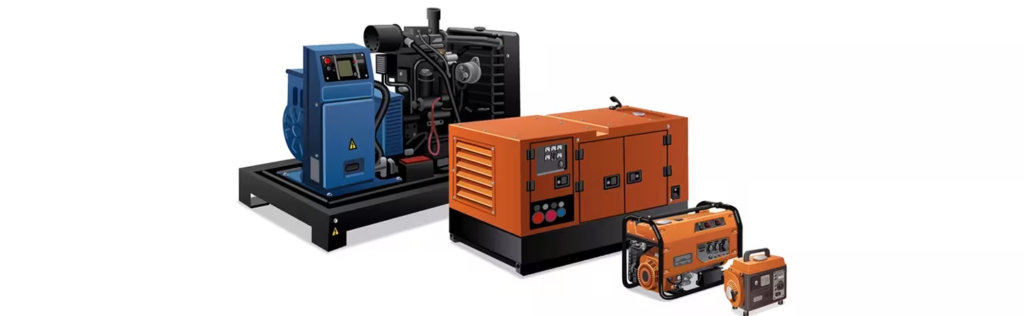
Modern constant frequency generators use advanced control systems to maintain stable operation and respond quickly to changing conditions. These systems monitor voltage, frequency, engine speed, fuel usage, and load levels in real time. Smart operational monitoring helps maintain reliable generator performance in demanding industrial environments.
Automatic controllers can detect abnormal conditions and make instant adjustments to stabilize frequency output. They also include safety shutdown functions that protect the generator from overheating, overload, or mechanical failure. These technologies are essential for maintaining dependable, constant power solutions during continuous operation.
Many industrial generators also support remote monitoring, allowing operators to track system performance and maintenance needs from a central location. This improves operational efficiency and reduces unexpected downtime. Real-time system control enhances reliability and long-term equipment protection.
Cooling, Fuel, and Operational Efficiency
Constant frequency generators produce significant heat during operation, especially under heavy industrial loads. Cooling systems help regulate temperature and prevent overheating that could affect frequency stability and engine performance. Efficient thermal management is critical for continuous power generation.
Fuel systems also play an important role in maintaining stable operation. Continuous and controlled fuel delivery ensures smooth combustion and consistent engine speed under changing electrical demand. Reliable fuel management is essential for delivering efficient, constant power solutions in industrial applications.
Modern generators are designed to optimize fuel consumption while maintaining stable output and long runtime capability. Efficient cooling and fuel systems reduce wear, improve reliability, and lower operating costs over time. Operational efficiency improvement supports long-term industrial performance.
What Is the Purpose of a Frequency Generator?
The main purpose of a frequency generator is to provide a stable and consistent electrical output for systems that require precise power quality. Many industrial and commercial applications depend on fixed frequency levels to operate safely and efficiently. Stable power delivery helps prevent interruptions, equipment damage, and operational instability.
Frequency generators are especially important for sensitive equipment such as medical devices, communication systems, automated machinery, and data processing infrastructure. Even small fluctuations in electrical frequency can affect performance and reduce equipment lifespan. This is why industries rely on advanced constant power solutions for continuous and accurate power supply.
These generators are widely used in hospitals, manufacturing plants, aviation systems, telecommunications facilities, and data centers where uninterrupted operation is critical. By maintaining consistent electrical output, frequency generators improve operational reliability and reduce the risk of costly downtime. Precision power support ensures safe and efficient industrial performance.
What Is a Constant Frequency?
Constant frequency refers to maintaining a fixed electrical frequency output, typically 50Hz or 60Hz, during generator operation. This consistency is essential because most electrical systems and industrial equipment are designed to operate within specific frequency ranges. Fixed frequency stability ensures proper equipment function and power quality.
When frequency fluctuates, motors, electronic systems, and automated equipment may experience overheating, reduced efficiency, or operational failure. Constant frequency generators are designed to minimize these variations by controlling engine speed and electrical output in real time. Reliable constant power solutions help industries maintain safe and stable operations under changing load conditions.
Stable frequency is particularly important in industries that use precision-based systems, including healthcare, manufacturing, and telecommunications. Consistent electrical output improves equipment protection, operational continuity, and long-term reliability. Continuous frequency regulation supports efficient industrial performance.
What is the 80% Rule for Generators?
The 80% rule for generators recommends operating a generator at no more than 80% of its maximum rated capacity during continuous use. This helps prevent overheating, excessive wear, and performance instability during long operating hours. Safe load management is essential for maintaining generator efficiency and reliability.
Running a generator at full capacity for extended periods can increase fuel consumption and place additional stress on internal components. By maintaining a safety margin, businesses can improve operational stability and extend equipment lifespan. This approach is commonly used in industrial constant power solutions where uninterrupted performance is critical.
The 80% rule also allows generators to handle temporary load increases without becoming overloaded. This is especially important in industrial facilities where electrical demand may fluctuate throughout the day. Controlled operational loading helps improve long-term durability and reduce maintenance risks.
How Much Does a Frequency Generator Cost?
The cost of a frequency generator depends on factors such as power capacity, fuel type, automation features, and industrial-grade components. Smaller portable systems are generally more affordable, while large industrial generators designed for continuous operation require a higher investment. Generator pricing factors vary based on operational requirements and performance specifications.
Diesel generators are often priced differently from natural gas or propane systems due to differences in engine design, fuel efficiency, and runtime capabilities. Additional technologies such as automatic transfer switches, smart monitoring systems, and advanced frequency controls can also increase overall cost. Businesses investing in reliable, constant power solutions typically prioritize long-term efficiency and operational reliability over initial price alone.
Installation, maintenance, and fuel infrastructure should also be considered when evaluating total ownership cost. Industrial generators may require specialized installation, cooling systems, and fuel storage solutions depending on the application. Long-term operational investment plays a major role in selecting the right frequency generator system.
Key Industries That Use Constant Frequency Generators
Constant frequency generators are widely used in industries that require a stable and uninterrupted electrical supply for sensitive operations. These systems help maintain equipment performance, reduce downtime, and improve operational safety under changing load conditions. Industrial power stability is one of the main reasons businesses invest in reliable generator systems.
Manufacturing facilities use constant frequency generators to support automated production lines, robotic systems, and heavy industrial machinery that depend on precise electrical output. Hospitals and healthcare facilities also rely on these systems to maintain life-support equipment, surgical systems, and emergency operations during power outages. Advanced constant power solutions help ensure continuous operation in critical environments.
Data centers and telecommunications facilities require a stable frequency to protect servers, communication networks, and digital infrastructure from electrical instability. In construction, aviation, and oil & gas sectors, these generators provide dependable power in remote or high-demand environments where grid access may be limited. Continuous operational support improves efficiency and reliability across multiple industries.
How to Choose the Right Constant Frequency Generator
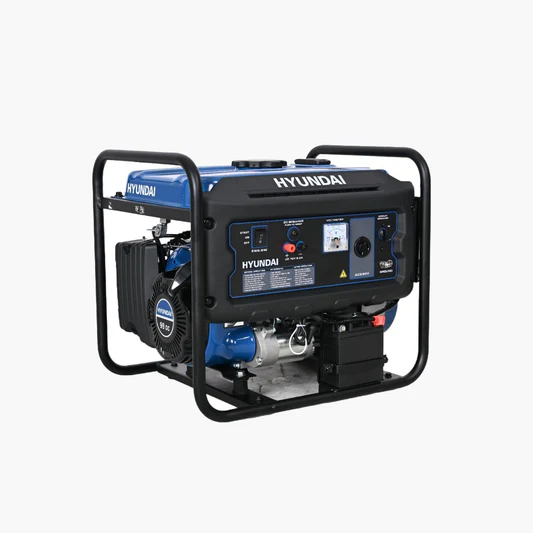
Choosing the right constant frequency generator depends on power requirements, operational environment, and runtime expectations. Businesses must evaluate total electrical demand to ensure the generator can handle both continuous and peak loads efficiently. Proper generator sizing is essential for stable long-term performance.
Fuel availability and operating costs are also important factors during selection. Diesel systems are often preferred for heavy industrial use, while natural gas generators may offer cleaner operation and easier fuel access in certain locations. Reliable constant power solutions should balance performance, efficiency, and operational flexibility.
Additional features such as automatic controls, remote monitoring, cooling systems, and safety protections can improve generator reliability and ease of operation. Reliable system selection helps ensure operational continuity and equipment protection.
Get Reliable Generators With Frequency That Matches Yours – Connect With ALEO Today!
Constant frequency generators play an important role in delivering stable and reliable electricity for industries that depend on precise power quality. By maintaining fixed frequency output under changing load conditions, these systems help protect sensitive equipment, reduce downtime, and improve operational efficiency. Reliable, constant power solutions are essential for maintaining continuous industrial and commercial operations.
From manufacturing facilities and hospitals to data centers and telecommunications infrastructure, constant frequency generators support critical applications where stable electrical performance is required. Features such as automatic speed regulation, smart monitoring systems, and efficient load management help ensure long-term reliability and consistent operation. Stable industrial power systems improve safety, productivity, and equipment protection.
At ALEO, we provide UL-certified (USA standard) generator systems with direct USA shipment, along with on-site installation and debugging support and a 1-year warranty. Visit our website and connect with us to explore dependable and efficient power solutions designed for demanding industrial environments.