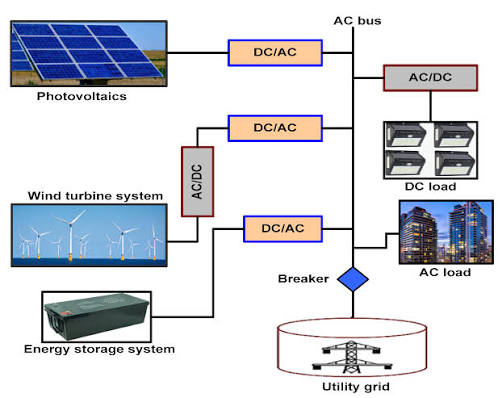

Choosing the right supplier is one of the most important decisions when planning an industrial microgrid project. A microgrid combines generation equipment, energy storage, control technologies, and electrical infrastructure that must operate reliably for many years. Working with experienced microgrid suppliers helps businesses reduce technical risks and select solutions that match their actual power requirements.
Industrial facilities often have different energy demands, critical loads, operating environments, and plans for future expansion. A suitable supplier should understand these requirements before recommending equipment or designing the system. Strong technical expertise is essential for integrating generators, Battery Energy Storage Systems (BESS), renewable energy sources, and control technologies into a coordinated power network.
Equipment quality is equally important, but businesses should also evaluate certifications, engineering capabilities, installation support, warranty coverage, and long-term technical assistance. Selecting a supplier based only on the lowest initial price can increase maintenance expenses, system downtime, and operational risks over the lifecycle of the project. A careful supplier evaluation process helps organizations compare providers based on reliability and long-term value.
This article explains how to evaluate microgrid suppliers by reviewing project requirements, technical experience, equipment quality, integration capabilities, certifications, installation support, after-sales service, scalability, and project costs. It also highlights important questions and warning signs that can help businesses choose the right partner for a reliable industrial energy solution.
- Start with Your Project Requirements
Before comparing microgrid suppliers, businesses should clearly define their technical and operational requirements. Every project has different power demands, critical loads, site conditions, and reliability expectations. Understanding these factors helps suppliers recommend appropriate equipment and prevents unnecessary investment in oversized or unsuitable systems.
Define Power Capacity and Critical Loads
The first step is calculating current electricity demand and identifying equipment that must continue operating during utility outages. Manufacturing lines, data centers, healthcare facilities, and other industrial operations may have different critical load requirements that influence generator capacity, energy storage, and system design.
Businesses should also consider peak demand, expected load growth, and the duration of backup power required. Accurate load analysis helps ensure the microgrid can maintain reliable operation without unnecessary equipment costs.
Identify Energy Sources and Operating Modes
Organizations should determine which energy resources will be integrated into the project. These may include industrial generators, renewable energy, Battery Energy Storage Systems (BESS), and utility connections.
It is also important to establish whether the system will operate in grid-connected mode, islanded mode, or both. Clear operating requirements allow suppliers to design control strategies and equipment configurations that support current operations and future expansion, creating a smart power management framework.
- Evaluate Technical Expertise and Experience
Technical capability is one of the most important factors when comparing potential suppliers. Reliable microgrid suppliers should understand power generation, electrical distribution, energy storage, control technologies, and system integration rather than simply supplying individual equipment.
Industry and Application Experience
Businesses should review whether a supplier has experience with projects that match their industry, facility size, and operating environment. Industrial plants, commercial campuses, remote facilities, and critical infrastructure projects often require different engineering solutions and reliability standards.
Previous project experience can demonstrate whether the supplier understands common technical challenges and can recommend practical solutions based on real operating conditions.
Engineering and System Integration Capabilities
A microgrid includes multiple technologies that must operate as one coordinated network. Suppliers should have the engineering capability to integrate generators, renewable resources, Battery Energy Storage Systems (BESS), and Energy Management Systems (EMS).
Strong system integration expertise helps prevent compatibility problems and improves communication between connected equipment. Suppliers should also support system design, equipment selection, control configuration, and technical coordination throughout project development.
Choosing a supplier with proven technical knowledge and integration capabilities reduces project risks and supports a reliable distributed power network.
- Check Equipment Quality and Reliability
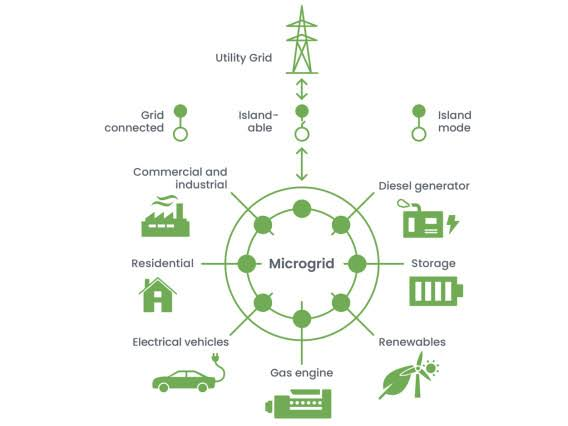
The performance of a microgrid depends heavily on the quality of its generators, energy storage systems, power electronics, controllers, and electrical components. When comparing microgrid suppliers, businesses should evaluate equipment specifications, operating efficiency, durability, and suitability for demanding industrial environments.
Generators, Storage, and Power Components
Generators and Battery Energy Storage Systems (BESS) must provide dependable power under changing loads and operating conditions. Businesses should review equipment ratings, fuel efficiency, battery performance, and compatibility with other system components. Reliable power equipment reduces the risk of unexpected failures and helps maintain stable operation during utility outages or peak demand periods.
Suppliers should also provide clear technical documentation and performance data for major system components. This information allows project teams to verify whether the proposed equipment meets the facility’s power requirements and operating conditions.
Equipment Performance and Service Life
Initial equipment cost should not be the only consideration when selecting a supplier. High-quality components can provide longer service life, lower maintenance requirements, and more consistent performance throughout the project lifecycle.
Businesses should evaluate expected operating hours, maintenance schedules, component availability, and environmental protection requirements. Selecting equipment designed for long-term reliability helps reduce downtime and avoid frequent replacement costs.
Reliable equipment supported by proper engineering and maintenance planning contributes to a high-performance energy strategy.
- Assess Microgrid Control and Integration Capabilities

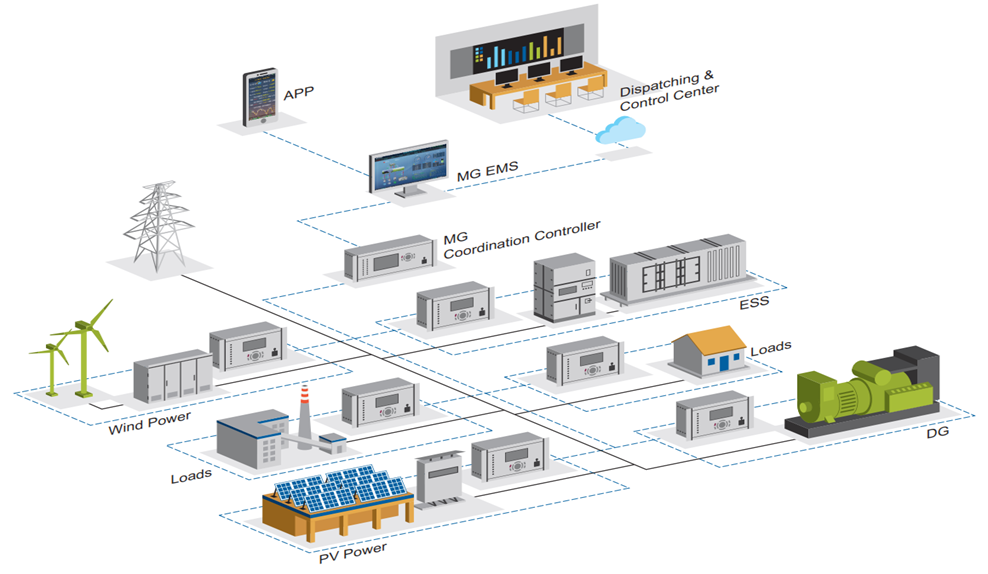
A microgrid can only operate effectively when its generators, storage systems, renewable resources, and electrical loads communicate and respond as one coordinated network. Reliable microgrid suppliers should provide advanced control technologies and engineering support that enable smooth integration across all system components.
Controllers and Energy Management Systems
Microgrid controllers and Energy Management Systems (EMS) continuously monitor electricity demand, generation capacity, battery status, and grid conditions. Effective real-time coordination allows the system to adjust generator output, manage controllable loads, and optimize energy resources according to operating priorities.
Businesses should evaluate whether the proposed control platform supports automated operation, remote monitoring, data collection, and future system upgrades. The controller should also manage safe transitions between grid-connected and islanded operating modes.
Renewable Energy and BESS Integration
Integrating renewable generation and Battery Energy Storage Systems (BESS) requires careful control of variable energy production and power flows. Suppliers should demonstrate the ability to coordinate these resources with conventional generators and utility connections.
Strong integration capabilities help maintain system stability, improve renewable energy utilization, and prevent compatibility problems between connected equipment. Choosing a supplier with proven control expertise supports a smart power management framework.
- Verify Certifications and Quality Standards
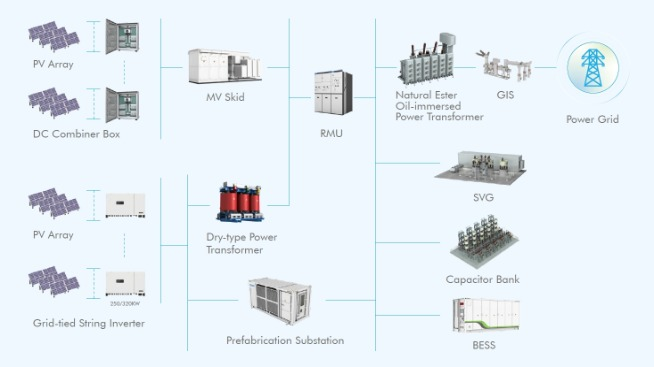
Certifications and recognized quality standards provide important evidence that microgrid equipment has been designed and tested according to established safety and performance requirements. Businesses should verify supplier claims and review relevant documentation before making purchasing decisions.
Product Certifications
Certification requirements depend on the equipment type, project location, and applicable electrical regulations. Suppliers should provide clear information about product testing, certification status, and compliance with relevant safety standards.
For projects requiring equipment certified to U.S. standards, businesses should verify documentation from recognized testing organizations and confirm that certifications apply to the specific products being supplied.
Manufacturing and Safety Standards
Reliable suppliers should follow consistent manufacturing, testing, and quality control procedures. Buyers can request technical specifications, inspection reports, factory testing documentation, and other records that demonstrate quality assurance throughout production.
Proper documentation also simplifies project approvals, installation, and commissioning. Selecting equipment that meets applicable standards reduces compliance risks and contributes to a reliable industrial energy solution.
- Review Installation and Commissioning Support
Successful microgrid deployment requires more than supplying equipment. Installation, configuration, testing, and commissioning determine whether generators, energy storage systems, controllers, and other components operate safely as one coordinated network. Reliable microgrid suppliers should provide technical support throughout these project stages.
On-Site Installation and Debugging
Industrial microgrids involve complex electrical connections, communication networks, protection systems, and control settings. Experienced technical teams can provide on-site support to verify equipment installation, configure system parameters, and identify integration problems before regular operation begins.
Debugging is particularly important when equipment from multiple manufacturers is integrated into one system. Proper technical assistance helps resolve communication errors, incorrect control settings, and equipment compatibility issues.
Testing and System Commissioning
Before commercial operation, the complete system should undergo functional and performance testing. Commissioning may include verifying generator response, battery operation, controller communication, protection settings, and transitions between grid-connected and islanded modes.
A structured commissioning process helps confirm that the microgrid performs according to project requirements. Suppliers that provide installation and commissioning support can reduce deployment risks and contribute to a high-performance energy strategy.
- Compare After-Sales Service and Warranty Coverage
Long-term technical support should be evaluated before selecting a microgrid supplier. Even high-quality equipment requires scheduled maintenance, troubleshooting, software updates, and replacement components throughout its operational life.
Technical Support and Spare Parts Availability
Businesses should evaluate how quickly a supplier can respond to technical problems and whether replacement components are readily available. Strong after-sales support can reduce downtime and help maintenance teams resolve equipment issues efficiently.
Access to technical documentation, remote assistance, maintenance guidance, and qualified service personnel is especially important for industrial facilities where extended power interruptions can cause significant operational losses.
Warranty Terms and Long-Term Maintenance
Warranty coverage should clearly identify the equipment included, coverage period, claim procedures, and any maintenance requirements. Businesses should review these terms carefully rather than assuming all suppliers provide similar protection.
Reliable warranty coverage demonstrates supplier confidence and provides additional protection against unexpected equipment problems. Combined with long-term maintenance support, it contributes to a reliable power ecosystem.
- Review Installation and Commissioning Support
Successful microgrid deployment requires more than supplying equipment. Installation, configuration, testing, and commissioning determine whether generators, energy storage systems, controllers, and other components operate safely as one coordinated network. Reliable microgrid suppliers should provide technical support throughout these project stages.
On-Site Installation and Debugging
Industrial microgrids involve complex electrical connections, communication networks, protection systems, and control settings. Experienced technical teams can provide on-site support to verify equipment installation, configure system parameters, and identify integration problems before regular operation begins.
Debugging is particularly important when equipment from multiple manufacturers is integrated into one system. Proper technical assistance helps resolve communication errors, incorrect control settings, and equipment compatibility issues.
Testing and System Commissioning
Before commercial operation, the complete system should undergo functional and performance testing. Commissioning may include verifying generator response, battery operation, controller communication, protection settings, and transitions between grid-connected and islanded modes.
A structured commissioning process helps confirm that the microgrid performs according to project requirements. Suppliers that provide installation and commissioning support can reduce deployment risks and contribute to a high-performance energy strategy.
- Compare After-Sales Service and Warranty Coverage
Long-term technical support should be evaluated before selecting a microgrid supplier. Even high-quality equipment requires scheduled maintenance, troubleshooting, software updates, and replacement components throughout its operational life.
Technical Support and Spare Parts Availability
Businesses should evaluate how quickly a supplier can respond to technical problems and whether replacement components are readily available. Strong after-sales support can reduce downtime and help maintenance teams resolve equipment issues efficiently.
Access to technical documentation, remote assistance, maintenance guidance, and qualified service personnel is especially important for industrial facilities where extended power interruptions can cause significant operational losses.
Warranty Terms and Long-Term Maintenance
Warranty coverage should clearly identify the equipment included, coverage period, claim procedures, and any maintenance requirements. Businesses should review these terms carefully rather than assuming all suppliers provide similar protection.
Reliable warranty coverage demonstrates supplier confidence and provides additional protection against unexpected equipment problems. Combined with long-term maintenance support, it contributes to a reliable power ecosystem.
- Questions to Ask Microgrid Suppliers
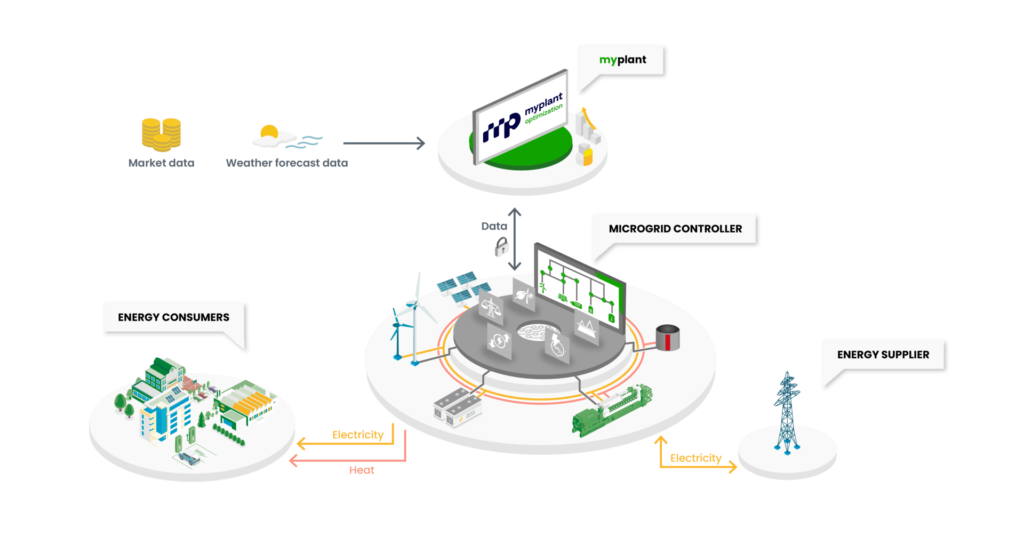
Before selecting microgrid suppliers, businesses should ask targeted questions about technical capabilities, equipment performance, project support, and long-term service. The answers can reveal whether a supplier understands the project’s operational requirements and has the resources to support successful deployment.
Buyers should ask about previous projects in similar industries, supported power capacities, equipment certifications, control technologies, and integration experience. It is also important to confirm whether the supplier provides system design, installation, commissioning, operator training, and technical support after deployment.
Questions about warranty terms, spare parts availability, maintenance requirements, and response times can help businesses evaluate long-term service capabilities. Suppliers should also explain how the proposed system can accommodate future generators, storage capacity, or renewable energy resources.
Clear and detailed answers demonstrate technical transparency and help project teams compare potential providers based on capability rather than price alone. A thorough evaluation process supports better purchasing decisions and a reliable industrial energy solution.
Build Reliable Microgrid Projects with ALEO
Choosing reliable microgrid suppliers requires careful evaluation of technical expertise, equipment quality, system integration capabilities, certifications, installation support, warranty coverage, and long-term project value. The right supplier should understand the specific requirements of an industrial facility and provide scalable solutions that support reliable operation and future expansion.
ALEO provides advanced microgrid solutions designed for demanding industrial applications. With UL certification from the USA, direct shipment from the United States, professional on-site installation and debugging support, and a 1-year warranty, ALEO supports businesses throughout microgrid deployment and operation.
From reliable equipment and system integration to technical assistance, ALEO helps organizations build resilient energy infrastructure tailored to their operational requirements.
Visit our website and connect with us to discuss your project needs and explore dependable microgrid solutions that support long-term energy resilience and operational growth.