Microgrids are becoming an important part of modern energy infrastructure as industries and communities search for more reliable, flexible, and independent power systems. By combining local generation, storage, and advanced controls, they help reduce dependence on traditional grids. However, understanding their limitations is equally important before making an investment decision. This creates a balanced energy planning approach for long-term success.
A solar microgrid uses solar power along with supporting technologies such as batteries, controllers, and backup systems to provide localised electricity. While these systems offer advantages like energy independence and improved sustainability, they also involve challenges related to cost, storage capacity, and technical management.
For businesses and industrial users, choosing a microgrid requires evaluating both benefits and possible drawbacks. Factors like installation expenses, maintenance needs, and system complexity can influence overall performance and return on investment. This makes a complete system evaluation process necessary before implementation.
In this article, we will discuss the main disadvantages of microgrids, the advantages and limitations of solar systems, common implementation challenges, and whether a solar microgrid can provide reliable long-term energy support for different applications.
What Is a Solar Microgrid?
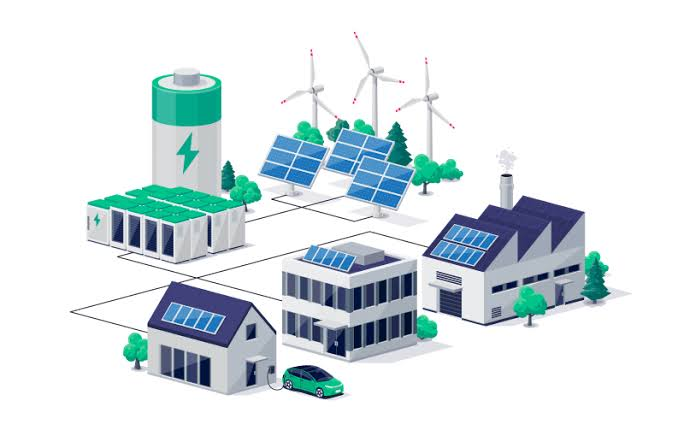
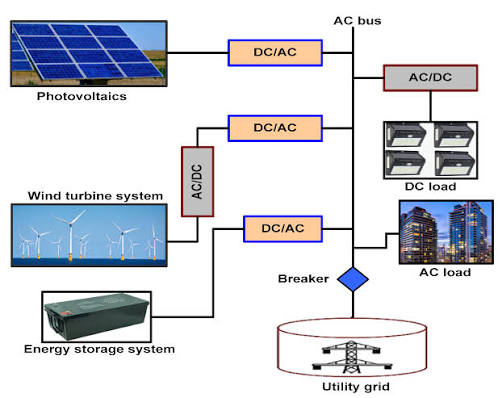
A solar microgrid is a localised energy system that uses solar power generation along with other components such as battery storage, control systems, and sometimes backup generators to supply electricity. Unlike a traditional grid connection, it allows users to produce and manage power closer to where it is needed. This creates a localised renewable power system for improved energy control.
Solar microgrids can operate while connected to the main electricity grid or independently during outages through island mode operation. This flexibility allows homes, businesses, and industrial facilities to maintain access to power even when the central grid experiences interruptions.
The main goal of a microgrid is not only to generate electricity but also to manage energy efficiently. Smart control systems balance power production, storage, and consumption to improve reliability and reduce energy waste. This creates an intelligent energy management network for modern power applications.
For industrial and commercial environments, a properly designed solar microgrid can support long-term energy planning by combining renewable generation with reliable backup solutions. However, like any advanced power system, it also requires careful investment, maintenance, and technical management.
What are the Disadvantages of a microgrid?
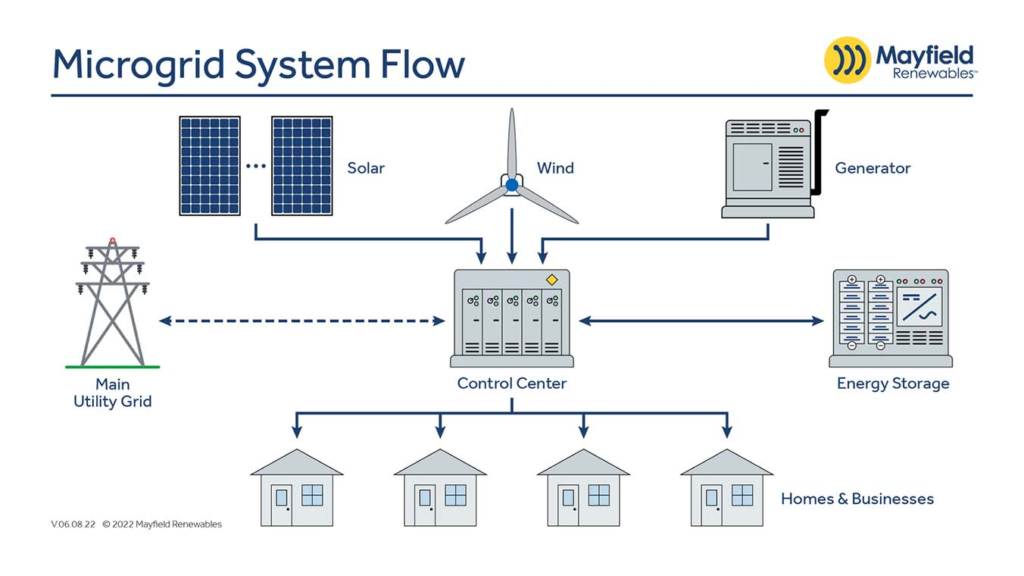
Although microgrids provide better energy control, flexibility, and reliability, they also come with certain limitations that should be considered before installation. The challenges usually depend on system size, technology selection, and operational requirements. Understanding these factors creates a realistic energy investment approach for businesses and industrial users.
A solar microgrid can offer long-term benefits, but successful implementation requires proper planning, professional installation, and ongoing system management. Without correct design, users may face performance issues, unexpected costs, or limitations in power availability.
High Initial Installation Cost
One of the biggest disadvantages of microgrids is the high upfront investment required for system development. A complete setup may include solar panels, generators, battery storage, smart controllers, monitoring equipment, and electrical infrastructure. This creates a higher initial investment requirement compared to basic backup solutions.
The cost increases further for industrial facilities because larger systems need more generation capacity, advanced controls, and stronger storage solutions. Engineering, installation, and customisation expenses also add to the total project cost.
While a microgrid can provide long-term savings through improved energy efficiency and reduced downtime, businesses must carefully evaluate their budget and energy goals before installation. Proper planning ensures the investment delivers reliable performance over time.
Energy Storage Limitations
Energy storage is another major challenge, especially for systems that depend heavily on renewable energy sources. Since solar power generation changes throughout the day, batteries are required to store extra electricity and provide backup when production decreases. This creates a storage-dependent energy structure in renewable microgrids.
A solar microgrid without enough battery capacity may struggle to maintain continuous power during nighttime, cloudy weather, or periods of high demand. Larger storage systems improve reliability but also increase installation costs and maintenance requirements.
Battery lifespan and performance must also be considered. Over time, storage systems may lose efficiency and require replacement, which adds to long-term operating expenses. This makes proper sizing and maintenance essential for reliable microgrid performance.
Technical Complexity
Microgrids are more complex than traditional power systems because they combine multiple technologies into one integrated network. Solar panels, generators, batteries, control systems, and monitoring equipment must work together efficiently to maintain stable power output. This creates a complex system integration requirement during planning and operation.
A poorly designed solar microgrid can experience issues such as energy imbalance, inefficient performance, or unreliable backup capability. Professional engineering is required to correctly size components, manage load demand, and ensure smooth communication between different parts of the system.
Advanced microgrids also depend on software-based control systems that monitor energy flow and automatically adjust operations. While this improves efficiency, it requires technical knowledge for configuration, troubleshooting, and long-term management.
Maintenance and Long-Term Management
Although microgrids are designed for reliability, they still require regular maintenance to maintain peak performance. Different components, such as batteries, generators, inverters, and electrical controls, need inspections and servicing according to their operating conditions. This creates an ongoing maintenance responsibility for system owners.
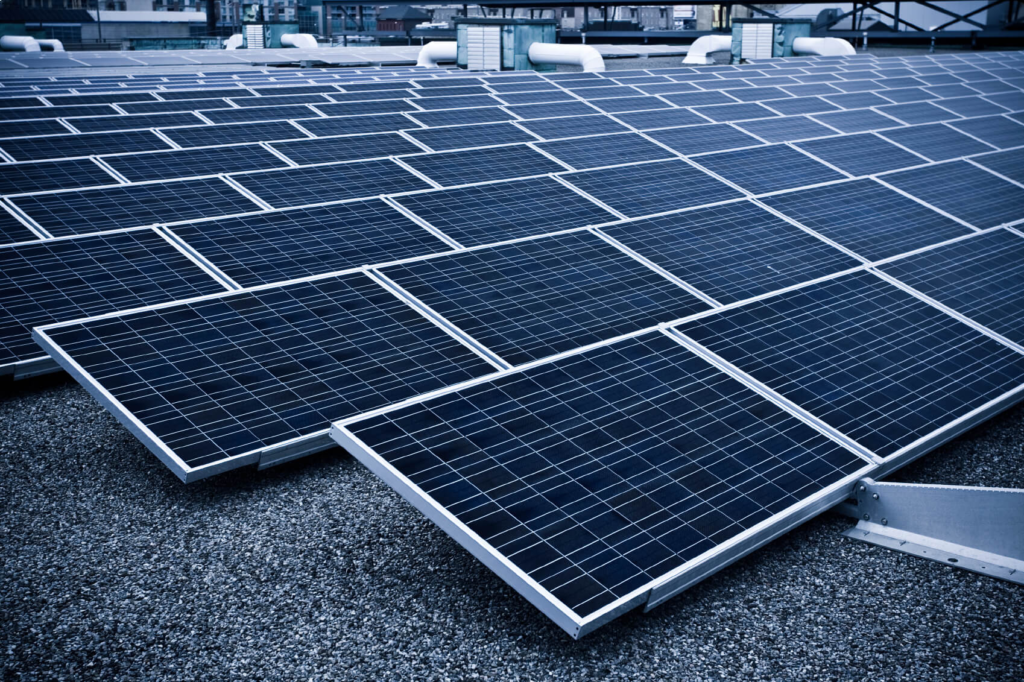
For a solar microgrid, solar panels may require cleaning, batteries need performance monitoring, and backup generators require scheduled servicing. Ignoring maintenance can reduce efficiency, shorten equipment lifespan, and increase the risk of unexpected failures.
Long-term management also involves monitoring system performance and adjusting operations as energy requirements change. Industries expanding their operations may need upgrades or additional capacity to maintain a reliable power supply.
Overall, these disadvantages do not make microgrids ineffective but highlight the importance of proper design, installation, and maintenance planning. A professionally managed system can significantly reduce these challenges and improve long-term reliability.
What are the five advantages and Five Disadvantages of Solar?
Solar energy has become a popular choice for modern power systems because it provides renewable electricity and reduces dependence on traditional energy sources. However, like any technology, it has both benefits and limitations that must be evaluated before installation. This creates a balanced solar energy assessment for users and businesses.
A solar microgrid combines solar generation with storage and control systems to improve reliability, but overall performance still depends on proper design, location, and energy requirements. Understanding both advantages and disadvantages helps users make better long-term energy decisions.
| Advantages of Solar | Disadvantages of Solar |
| Renewable and sustainable energy source | High initial installation cost |
| Lower long-term operating expenses | Power generation depends on sunlight availability |
| Reduces dependence on traditional grids | Requires battery storage for continuous backup |
| Scalable for different energy needs | Needs a suitable installation space |
| Produces cleaner energy with fewer emissions | Battery and equipment maintenance may be required |
Solar power can provide excellent long-term value when properly implemented, especially when combined with storage and backup solutions. However, users must consider factors such as weather conditions, energy demand, and maintenance planning. This creates a realistic renewable energy strategy for dependable performance.
What Are the Challenges of Implementing Microgrids?
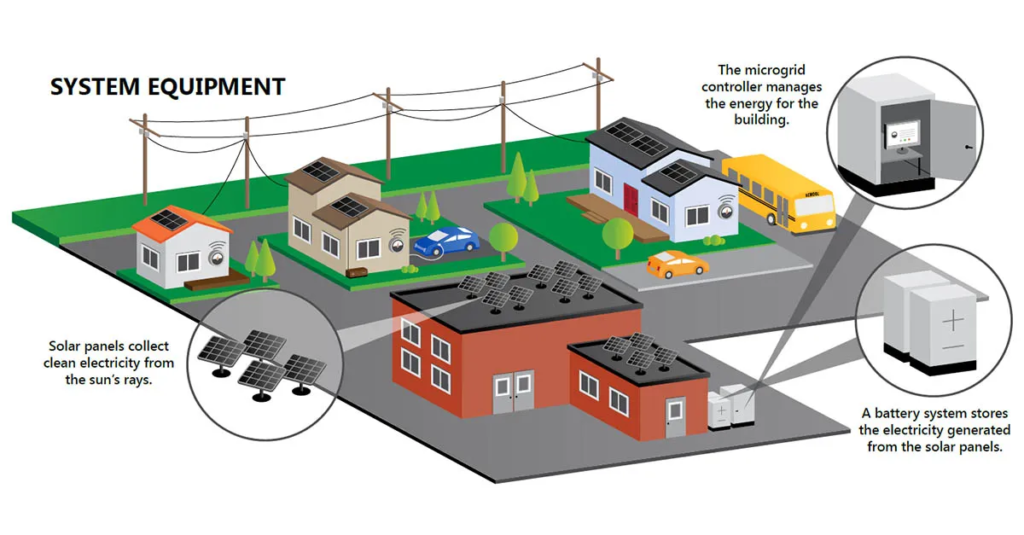
Implementing a microgrid requires careful planning because every project has different energy demands, site conditions, and operational goals. Unlike standard power connections, microgrids involve multiple technologies that must work together efficiently. This creates a customised energy planning requirement for successful deployment.
One major challenge is designing the right system size. If a microgrid is too small, it may fail to meet power demand, while an oversized system can increase unnecessary costs. A properly engineered solar microgrid must balance generation capacity, storage availability, and actual electricity consumption.
Grid integration can also create technical challenges. Microgrids that connect with utility networks require synchronisation, protection systems, and advanced controls to ensure safe energy transfer between different sources. This creates a technical coordination challenge during implementation.
Financial planning is another important factor. Although microgrids can provide long-term reliability and efficiency benefits, the initial investment can be significant. Businesses must consider installation costs, maintenance expenses, and future expansion needs before adopting the technology.
With proper engineering, installation, and monitoring, many implementation challenges can be reduced. A well-planned microgrid can deliver reliable energy performance while supporting long-term operational goals.
Are Microgrids Good?
Microgrids can be highly beneficial when they are designed according to the right energy requirements and operational goals. They provide users with greater control over electricity generation, improve backup capability, and reduce dependence on traditional power networks. This creates a more resilient energy system for modern applications.
A solar microgrid is especially useful for locations that want to combine renewable energy with improved power reliability. By using solar generation, storage systems, and intelligent controls, these systems help manage electricity more efficiently while supporting continuous operations.
For industries, microgrids offer advantages beyond simple backup power. They can help reduce downtime, support critical equipment, and provide energy security in areas with unstable grid conditions. This creates a reliable operational support solution for businesses that require consistent power availability.
However, whether a microgrid is the right choice depends on factors such as energy demand, budget, location, and long-term goals. When properly planned and maintained, microgrids can provide significant value and improved energy independence.
Are Microgrids Reliable?
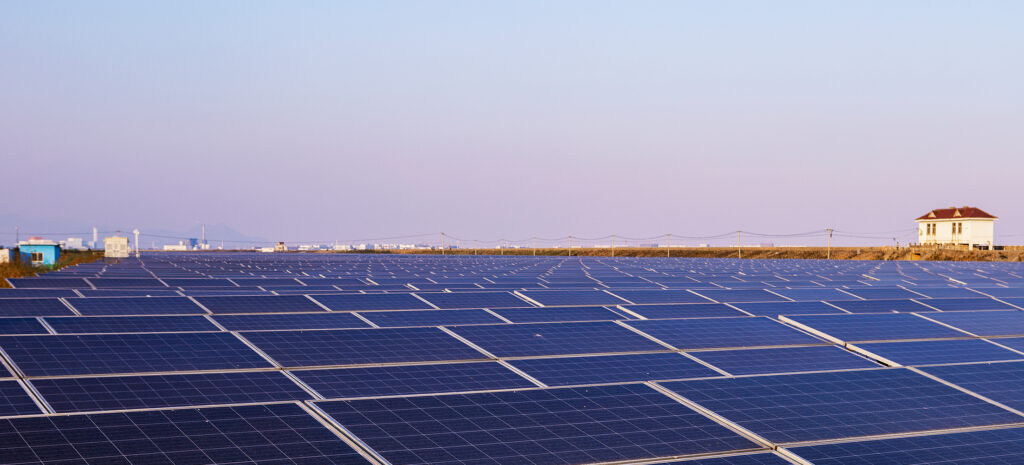
Microgrids are considered reliable because they are designed to use multiple energy sources and intelligent controls to maintain a stable power supply. Instead of depending on a single electricity source, they can combine renewable systems, generators, and storage technologies. This creates a multi-source reliability advantage during normal operation and outages.
A well-designed solar microgrid can continue supplying electricity even when the main grid fails, especially if it includes sufficient battery storage or backup generation. This capability is important for hospitals, industries, data centres, and other critical facilities where downtime can create serious problems.
Reliability also depends on proper maintenance and system monitoring. Components such as batteries, generators, inverters, and control systems must be regularly inspected to maintain performance. This creates a preventive maintenance reliability approach for long-term operation.
Overall, microgrids can deliver dependable power when they are correctly designed, installed, and managed according to specific energy requirements. Their reliability comes from flexibility, smart controls, and the ability to adapt to changing power conditions.
How to Reduce the Disadvantages of Microgrids
The disadvantages of microgrids can be reduced through proper planning, system design, and long-term maintenance strategies. Many common issues, such as high costs, limited storage, or performance problems, occur when systems are not correctly matched with actual energy requirements. This creates a strategic implementation approach for better results.
A successful solar microgrid starts with accurate load analysis and proper equipment selection. Understanding current and future energy demands helps determine the right generation capacity, storage size, and backup requirements without unnecessary expenses.
Professional installation also plays an important role in improving reliability. Correct integration of generators, batteries, renewable sources, and control systems ensures that all components work together efficiently. This creates an optimised system performance framework for long-term operation.
Regular maintenance further reduces operational risks by identifying problems before they lead to failures. Scheduled inspections, software monitoring, and equipment servicing help maintain efficiency and extend the lifespan of microgrid components.
Future of Solar Microgrid Systems
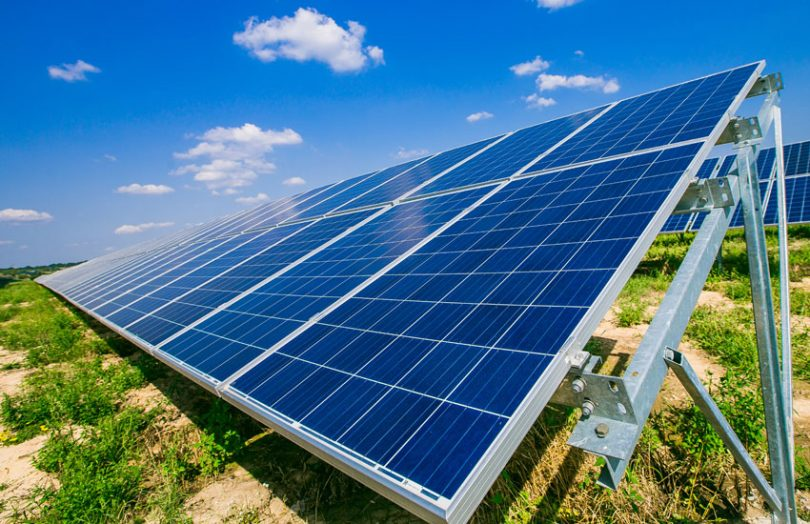
The future of solar microgrid technology is focused on improving efficiency, reliability, and accessibility for different energy users. As industries search for more flexible power solutions, microgrids are expected to become a key part of modern energy infrastructure. This creates a future-ready energy transition for commercial and industrial applications.
Advancements in battery technology, automation, and smart control systems are helping overcome many traditional microgrid limitations. Better storage capacity and intelligent energy management allow users to achieve more stable and efficient performance.
A modern solar microgrid is also becoming easier to integrate with generators and other energy sources, creating hybrid systems that combine sustainability with dependable backup power. These improvements make microgrids more practical for demanding applications.
As energy needs continue to grow, solar microgrids will play an important role in creating decentralised, resilient, and adaptable power systems for the future.
Build Reliable Energy Systems with ALEO Today!
While a solar microgrid may have challenges such as installation cost, storage requirements, and technical complexity, these limitations can be managed with proper engineering and reliable system design. When correctly planned, microgrids provide greater energy control, improved backup capability, and long-term operational stability. This creates a future-ready power solution for demanding environments.
At ALEO, we focus on providing industrial power solutions that support businesses requiring dependable energy performance and reduced downtime risks. Our systems are designed for reliability, efficiency, and continuous operation in commercial and industrial applications where stable power is essential. This ensures a strong industrial energy foundation for critical operations.
Each unit comes with UL certification from the USA, meeting international safety and quality standards. With direct shipment from the United States, businesses benefit from reliable delivery timelines, while our on-site installation and debugging support ensures smooth setup and optimised performance from the beginning.
Backed by a 1-year warranty, ALEO solutions provide long-term operational confidence and dependable power support. Visit our website and connect with us today to build reliable energy infrastructure for your future requirements.