Energy reliability and independence have become major priorities for homes, businesses, and industrial facilities as electricity demand continues to increase. Traditional power grids can face challenges such as outages, rising energy costs, and capacity limitations, which have created growing interest in advanced solutions like microgrid systems. Modern energy independence solutions help users achieve more control over their power supply.
A microgrid is a localised energy system that can generate, store, and distribute electricity for a specific area, such as a building, community, or industrial site. The overall cost of a microgrid depends on several factors, including system size, energy sources, battery storage capacity, and installation complexity. Customised power system design plays a major role in determining the total investment.
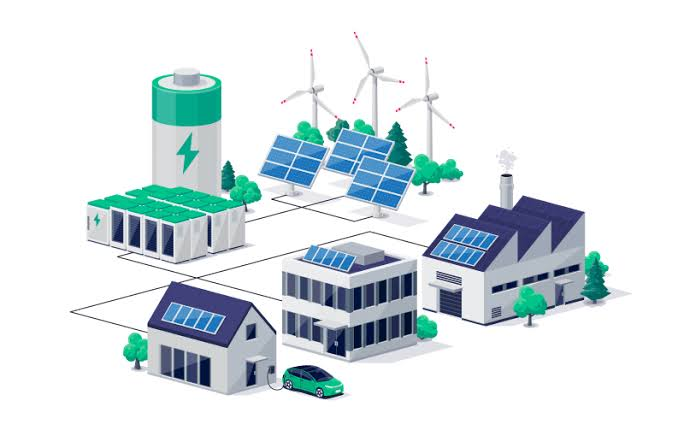
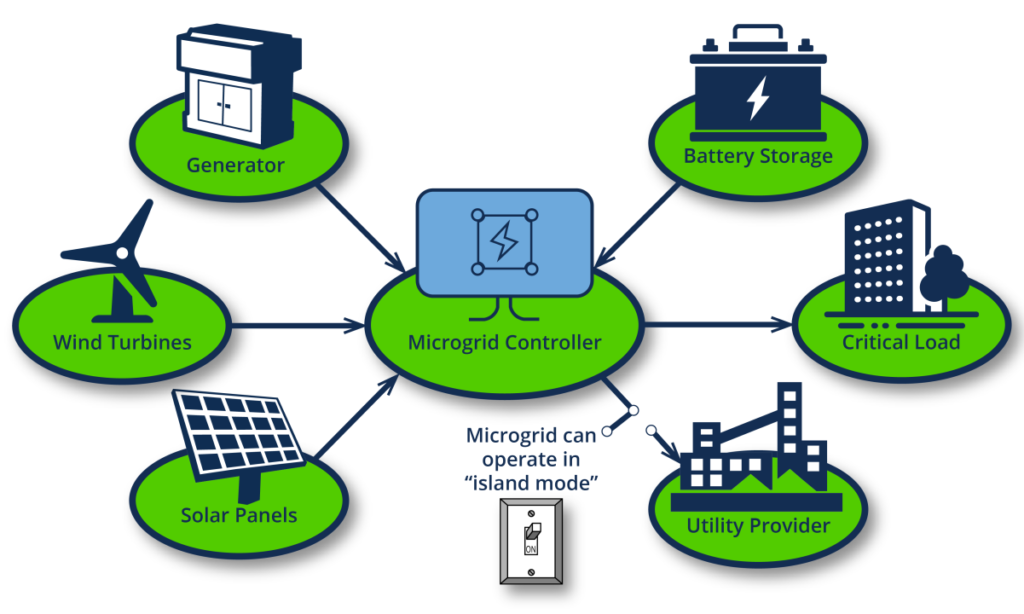
Unlike traditional backup systems, microgrids can combine multiple technologies such as solar panels, wind energy, battery storage, and generators to create a more flexible and reliable energy network. These systems can operate with the main utility grid or independently during power disruptions. Flexible energy management capability makes microgrids valuable for long-term resilience.
Although the initial investment can vary significantly, microgrids offer benefits such as improved reliability, energy efficiency, and reduced dependence on centralised power systems. Understanding the cost factors and operational requirements helps users determine whether a microgrid is the right solution for their needs. Long-term energy planning ensures better performance and financial decisions.
In this article, we will discuss how much a microgrid costs, how microgrid systems work, key cost factors, potential disadvantages, renewable energy comparisons, and important considerations for energy independence.
What Does a Microgrid Do?
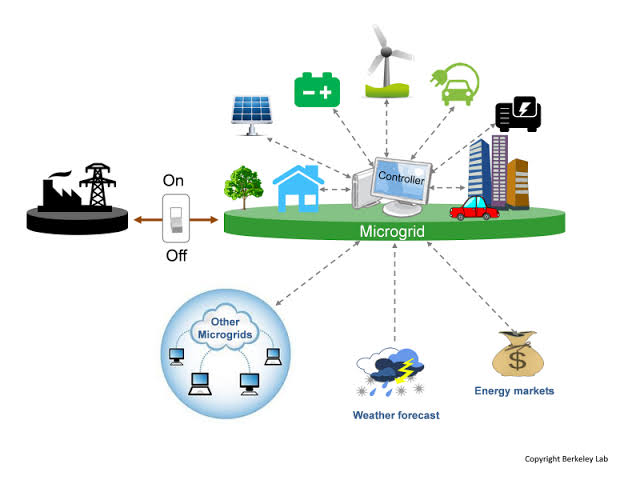
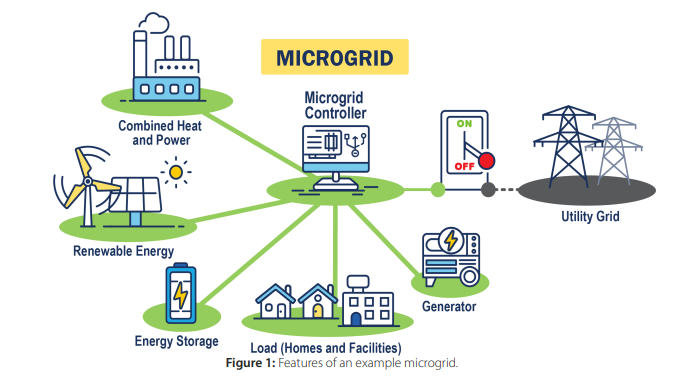
A microgrid is a localised power system that produces, manages, and distributes electricity for a specific area such as a home, business facility, university, hospital, or industrial site. It works as a smaller version of the traditional power grid but provides greater control over energy generation and usage. A localised energy distribution system allows facilities to manage power more efficiently.
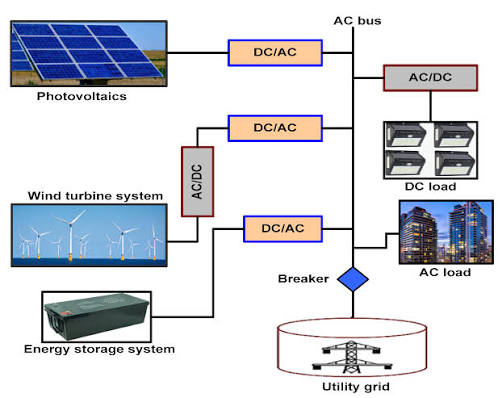
Microgrids can use different energy sources, including solar panels, wind turbines, battery storage systems, and backup generators. These components work together to provide reliable electricity while reducing dependence on a single power source. Multiple energy source integration improves energy security and flexibility.
One major advantage of microgrids is their ability to operate in both grid-connected and independent modes. During normal conditions, they can exchange electricity with the main grid, but during outages, they can disconnect and continue supplying power locally. Independent operation capability increases resilience during emergencies.
Microgrids also use advanced control systems to monitor energy demand, balance loads, and optimise power usage automatically. This improves efficiency, reduces waste, and helps users achieve better long-term energy management. Smart energy control technology supports reliable and sustainable operation.
How Much Does a Microgrid Cost?
The cost of a microgrid varies widely depending on system size, energy requirements, technology selection, and installation complexity. Small residential systems may require a lower investment, while large commercial or industrial microgrids can cost significantly more due to higher power demands. System size cost variation is one of the biggest pricing factors.
A basic microgrid may include renewable energy generation, battery storage, control systems, and backup power equipment. Adding advanced technologies such as automation software or larger storage capacity increases the overall cost but improves reliability and performance. Technology investment balance determines long-term value.
Solar panels, batteries, generators, electrical infrastructure, and engineering services all contribute to the final project cost. Each microgrid is typically customised according to user needs rather than having a fixed price. Customised system planning ensures the right balance between cost and performance.
Although upfront costs can be high, microgrids can provide long-term savings by improving energy efficiency, reducing outage losses, and lowering dependence on traditional electricity sources. Long-term energy value makes them a strategic investment for many facilities.
Key Factors That Influence Microgrid Cost
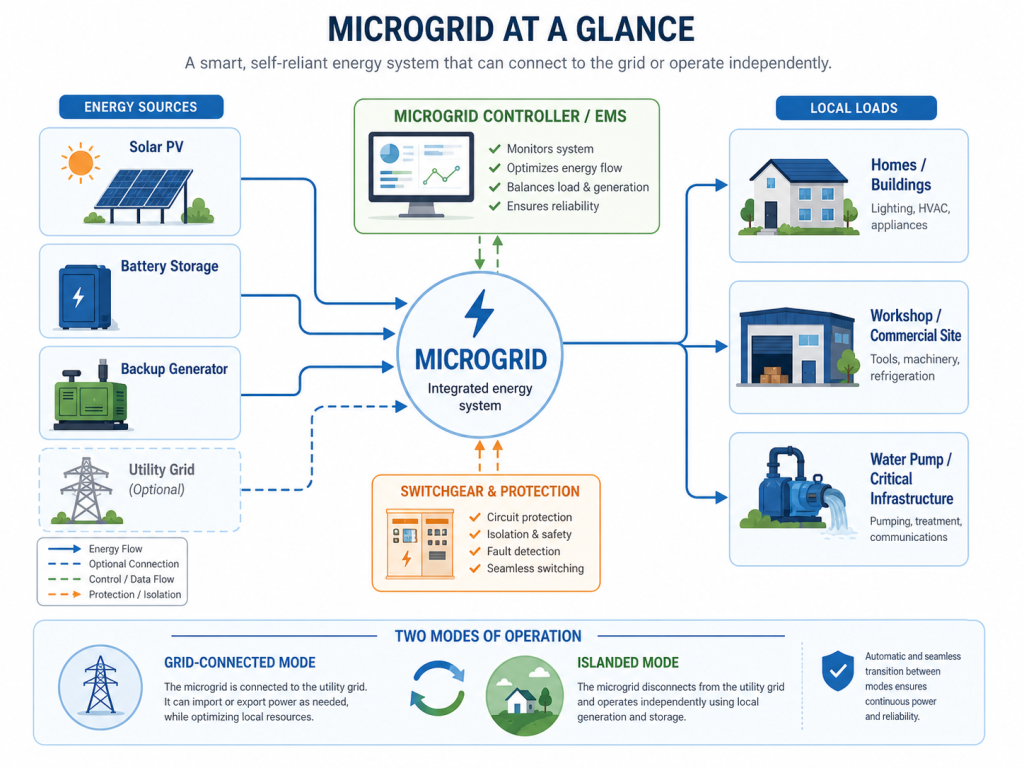
The total cost of a microgrid depends on multiple technical and operational factors. Since every project has different energy requirements, the final investment is based on system design, power demand, storage capacity, and long-term performance goals. Microgrid cost evaluation requires a complete understanding of all major components.
Energy Generation Source
The selected energy source has a major impact on microgrid pricing. Systems may use solar panels, wind turbines, diesel generators, natural gas generators, or a combination of multiple technologies. Each option has different equipment, installation, and operating costs. Energy source selection directly affects the overall investment.
Renewable energy systems often require higher initial investment but can reduce long-term operating expenses by lowering fuel dependency. Hybrid systems that combine renewables with backup generators provide a balance between sustainability and reliability. Hybrid energy integration improves system flexibility.
Battery Energy Storage Capacity
Battery storage is one of the most important cost factors in a microgrid system. Larger batteries allow users to store more energy and maintain power for longer periods during outages, but they also increase project costs. Energy storage capacity planning influences both performance and budget.
Advanced battery systems also include monitoring technology, safety controls, and management software that improve efficiency and lifespan. Smart storage management supports reliable energy usage.
Project Size and Power Demand
A small residential microgrid requires much less equipment compared to a commercial building or industrial facility. Higher power demand means larger generation capacity, stronger infrastructure, and more advanced control systems. Power demand requirements determine overall system scale.
Accurate load analysis is necessary before installation to prevent oversizing or undersizing the system. Proper planning ensures cost efficiency and dependable operation. Accurate capacity planning improves long-term performance.
Control Systems and Smart Technology
Modern microgrids rely on intelligent control systems that automatically manage energy production, storage, and distribution. These systems monitor demand and optimise energy flow for better efficiency. Smart energy automation enhances microgrid performance.
Although advanced control technology adds to the initial cost, it improves reliability, reduces waste, and helps maximise energy savings over time. Intelligent power management increases operational value.
Installation and Infrastructure Requirements
Installation costs depend on site conditions, electrical upgrades, and engineering requirements. Complex projects may require additional wiring, safety systems, and specialised equipment. Infrastructure preparation needs to influence total expenses.
Proper installation is essential because microgrids must safely coordinate multiple energy sources while maintaining stable power delivery. Professional system integration ensures safe and efficient operation.
Maintenance and Long-Term Operating Costs
Microgrid expenses do not end after installation. Regular maintenance is needed to keep batteries, generators, solar systems, and control equipment operating efficiently. Ongoing maintenance planning protects long-term performance.
Preventive servicing helps reduce unexpected failures and extends the lifespan of major system components. Lifecycle cost management improves reliability and overall return on investment.
What Is the Cheapest Source of Energy in the U.S.?
The cheapest source of energy in the U.S. depends on location, technology availability, and long-term operating costs. In recent years, renewable sources such as solar and wind power have become some of the most affordable options due to improvements in technology and lower installation costs. Renewable energy affordability continues to improve across many regions.
Solar energy is especially cost-effective in areas with strong sunlight because it has minimal fuel expenses after installation. Wind power can also provide very low-cost electricity in regions with favourable wind conditions. Low operating cost advantage makes renewable systems attractive for long-term use.
However, energy costs vary by project size, local electricity rates, incentives, and infrastructure requirements. For some facilities, combining renewables with battery storage and backup generators provides the best balance between cost and reliability. Balanced energy strategy supports efficient power planning.
How Much Would a One-Acre Solar Farm Cost?
The cost of a one-acre solar farm depends on factors such as panel quality, installation requirements, location, and supporting equipment. A typical one-acre project may require a significant upfront investment because it includes solar panels, mounting structures, inverters, wiring, and grid connection systems. Solar infrastructure investment determines the total project expense.
A one-acre solar farm can usually support a moderate-scale energy project, but actual output depends on sunlight availability, panel efficiency, and system design. Higher-efficiency panels may cost more initially but can generate more electricity over time. Energy production efficiency affects long-term value.
Additional expenses such as land preparation, permits, maintenance, and monitoring systems also influence the final cost. Proper planning helps ensure the solar farm provides reliable performance and better financial returns throughout its lifespan. Long-term project planning improves energy investment results.
What Are the Disadvantages of Microgrids?
Although microgrids provide energy independence and improved reliability, they also have some challenges. One of the biggest disadvantages is the high upfront cost because these systems require generation equipment, battery storage, control technology, and professional installation. The initial investment requirement is often the main barrier for users.
Another challenge is technical complexity. Microgrids combine multiple energy sources, which means they require advanced monitoring systems and skilled professionals for design, operation, and troubleshooting. Complex system management increases operational requirements.
Energy storage limitations can also affect performance, especially during long periods of low renewable energy production. Battery capacity must be carefully planned to match power demand and backup requirements. Storage capacity limitations influence system reliability.
Maintenance is another important consideration because generators, batteries, and electrical components require regular inspections to ensure efficient performance. Ongoing maintenance responsibility is necessary for long-term success.
Is It Illegal to Generate Your Own Electricity in the U.S.?
No, generating your own electricity in the U.S. is generally legal, and many homeowners and businesses use solar panels, wind systems, and generators to produce their own power. However, rules can vary depending on state laws, local regulations, and utility requirements. Independent energy generation rights allow users to create their own power.
In many cases, users must follow building codes, obtain permits, and meet safety standards before connecting their systems. Grid-connected systems may also require approval from utility companies to ensure safe electricity transfer. Regulatory compliance requirements are important for legal operation.
Some areas also offer programs that allow users to send excess electricity back to the grid, while others have different restrictions. Understanding local policies before installation helps avoid compliance issues. Local energy policy awareness ensures smooth system implementation.
Which Country Has 100% Green Energy?
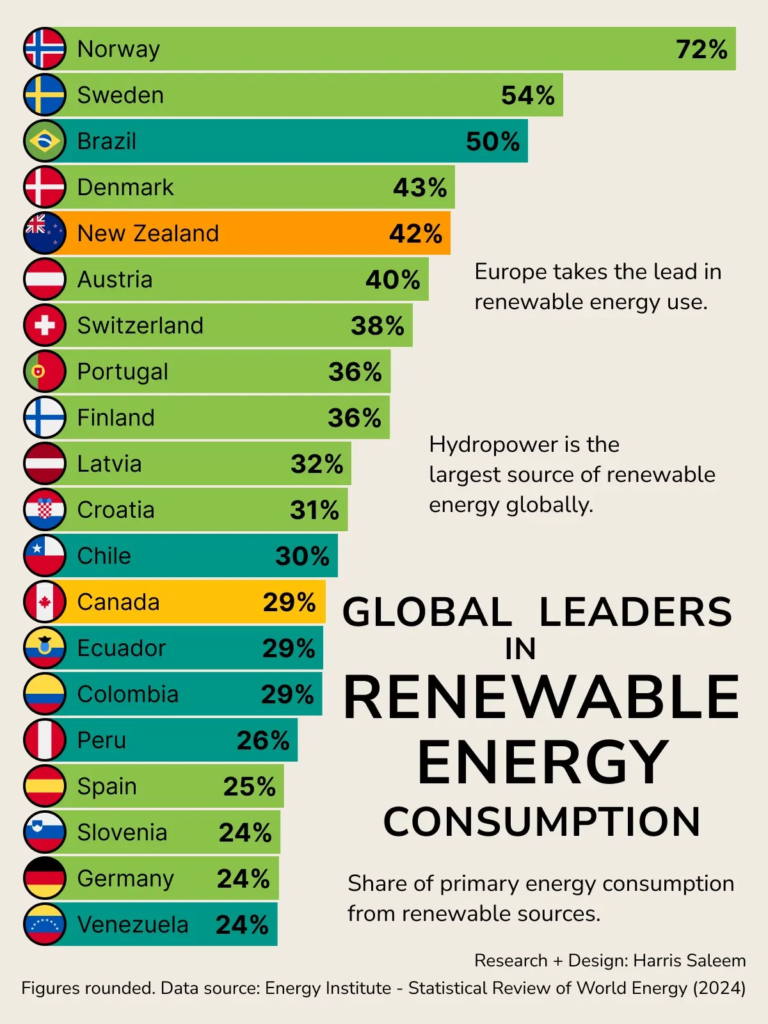
Several countries are moving toward fully renewable energy systems, but achieving 100% green energy depends on how energy production is measured. Some countries generate nearly all of their electricity from renewable sources such as hydropower, wind, geothermal, and solar energy. Renewable energy transition progress continues to grow worldwide.
Countries with strong natural renewable resources, such as abundant rivers, wind potential, or geothermal activity, have been able to achieve very high clean electricity percentages. These systems reduce dependence on fossil fuels and support long-term environmental goals. Sustainable energy development improves future energy security.
However, maintaining a completely renewable energy system requires advanced infrastructure, energy storage, and grid management solutions to balance supply and demand. Clean energy reliability planning is necessary for stable power delivery.
The global movement toward renewable power is also increasing interest in technologies like microgrids, which can combine clean energy sources with smart control systems for better efficiency and independence. Future energy innovation supports sustainable power solutions.
Future of Microgrid Technology
The future of microgrid technology is focused on smarter, cleaner, and more efficient energy solutions. As renewable energy adoption increases, microgrids are becoming important tools for improving power reliability and reducing dependence on traditional grids. Advanced energy transformation is shaping modern power systems.
Battery storage improvements are expected to make microgrids more affordable and capable of supporting longer backup durations. Better storage technology allows users to manage renewable energy more effectively. Next-generation storage solutions improve system flexibility.
Smart monitoring and artificial intelligence-based control systems are also improving microgrid performance by automatically balancing energy production, storage, and consumption. Intelligent energy management increases efficiency and reliability.
As industries and communities focus more on sustainability, microgrids will continue to support energy independence, lower emissions, and more resilient power infrastructure. Sustainable power evolution defines the future of energy systems.
Get Reliable Microgrid Solutions As Per Your Needs- Connect With ALEO Today!
Microgrids are becoming an important solution for improving energy reliability, reducing grid dependency, and supporting cleaner power generation. The total cost of a microgrid depends on several factors, including energy sources, battery storage capacity, system size, installation requirements, and long-term maintenance needs. Customised energy investment planning helps users choose the most efficient system for their requirements.
While microgrids may require a higher initial investment, they provide long-term advantages through improved energy control, better outage protection, and integration with renewable technologies. Understanding both the benefits and limitations allows businesses and communities to make smarter energy decisions. Reliable energy independence strategy supports future-ready power management.
As technology continues to improve, microgrids are expected to become more efficient, affordable, and widely adopted across residential, commercial, and industrial sectors. With proper design and maintenance, they can provide stable and sustainable electricity for years. Advanced power infrastructure development is shaping the future of energy reliability.
ALEO provides UL-certified energy solutions from the USA with direct shipment, on-site installation and debugging, and a 1-year warranty to ensure dependable performance for modern power applications. Trusted energy solution provider supports reliable and efficient power systems.
Visit our website and connect with us to explore advanced energy solutions designed for long-term reliability, efficiency, and operational confidence.