As businesses become increasingly dependent on uninterrupted electricity, traditional power grids are no longer the only solution for meeting growing energy demands. Grid instability, rising electricity costs, and the need for greater operational resilience have encouraged industries to adopt decentralised power systems that offer improved flexibility and control. This has accelerated the adoption of advanced distributed energy solutions across commercial and industrial sectors.
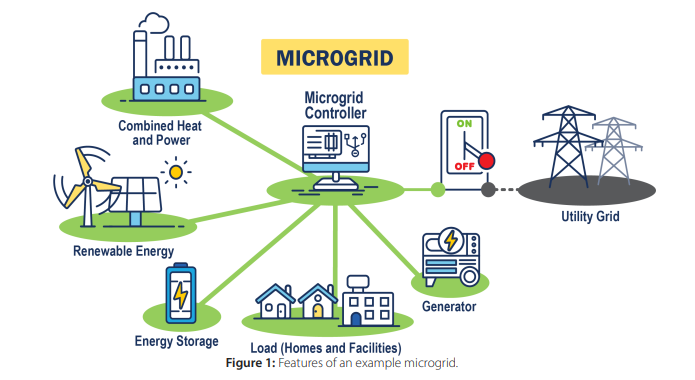
A microgrid is one such solution, combining local power generation, energy storage, and intelligent controls to deliver reliable electricity where it is needed most. At the centre of this operation is the microgrid control system, which continuously monitors energy production, consumption, and storage to ensure the entire network operates efficiently and reliably.
Unlike conventional backup systems that activate only during outages, modern microgrids actively manage multiple energy sources, automatically balancing power generation and distribution based on real-time demand. This creates a smart energy management framework that improves efficiency, reduces operational risks, and supports business continuity.
Understanding how a microgrid works is essential for organisations planning to invest in resilient energy infrastructure. In this article, we explore the working principles of microgrids, the role of the microgrid control system, key system components, operating modes, and the benefits these intelligent energy networks provide for modern businesses.
How Does a Microgrid System Work?
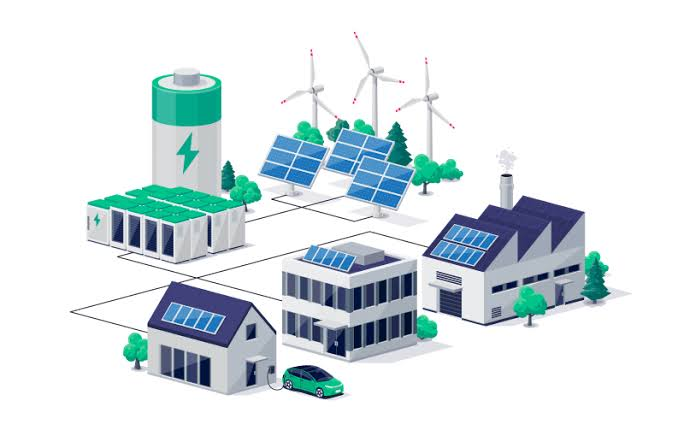
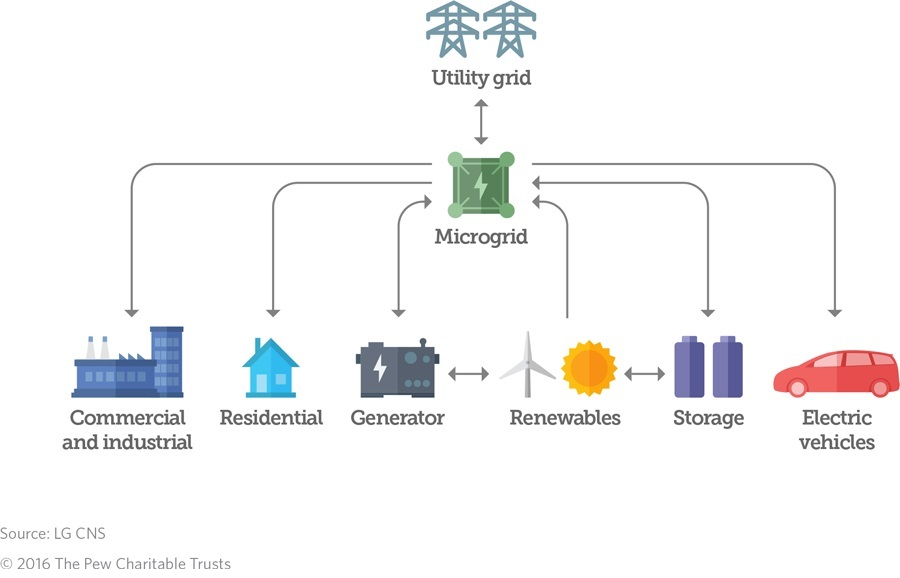
A microgrid operates by combining multiple energy resources into one coordinated network capable of generating, storing, and distributing electricity. Instead of relying on a single power source, it intelligently manages available energy to ensure stable, efficient, and uninterrupted operation. At the centre of this process is the microgrid control system, which coordinates every component in real time. This creates a fully integrated energy management platform that adapts to changing electricity demands.
The system continuously evaluates energy production, storage capacity, grid availability, and power consumption before deciding how electricity should be generated and distributed. By automating these decisions, microgrids improve efficiency while reducing unnecessary energy waste and operational risks.
Power Generation
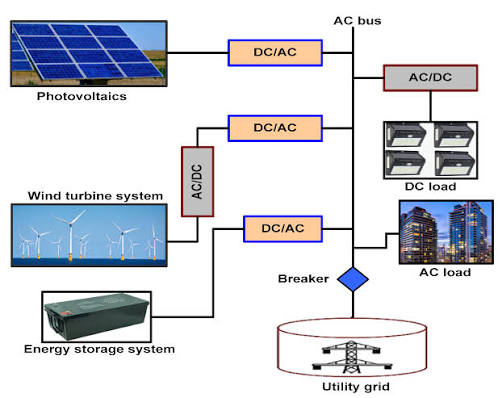
Power generation is the first stage of a microgrid’s operation. Electricity can be produced using diesel generators, natural gas generators, solar panels, wind turbines, or a combination of multiple energy sources, depending on the facility’s requirements. This creates a diversified power generation strategy that improves both reliability and flexibility.
Industrial facilities often rely on generators as their primary source of electricity because they deliver stable output under heavy loads. Renewable energy sources such as solar and wind may also be integrated to improve sustainability and reduce fuel consumption. The microgrid control system constantly monitors each generation source and determines the most efficient combination based on real-time operating conditions.
By using multiple generation technologies instead of depending on a single source, microgrids maintain reliable electricity even if one power source becomes unavailable or less efficient. This balanced approach improves energy security while supporting continuous business operations.
Energy Storage
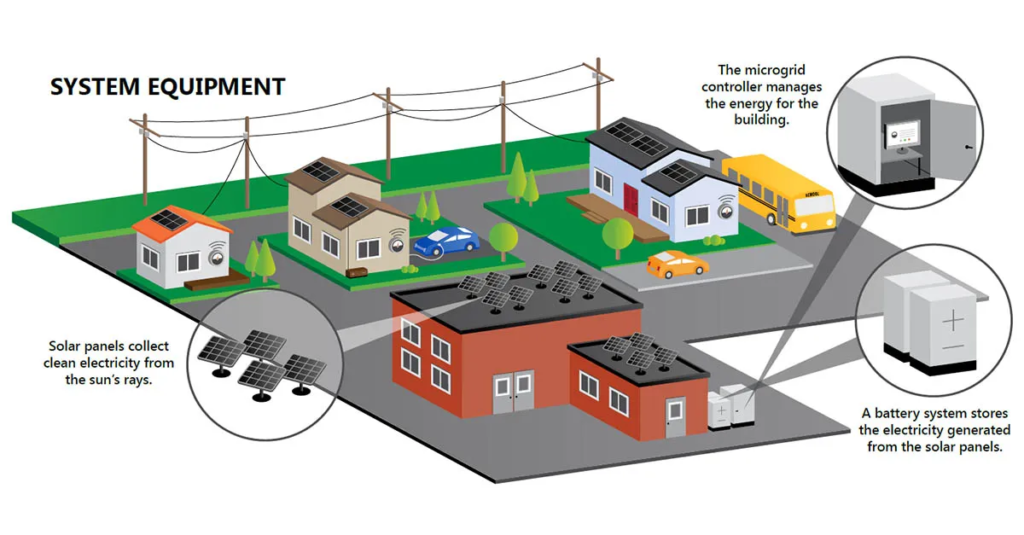
Once electricity is generated, excess power can be stored for future use through Battery Energy Storage Systems (BESS). These batteries capture unused electricity during periods of low demand or high renewable generation and release it when additional power is required. This creates a continuous energy availability system that improves operational stability.
Energy storage is particularly valuable for facilities using renewable energy because solar and wind production naturally fluctuate throughout the day. Instead of wasting excess electricity, stored energy can support operations during cloudy weather, nighttime, or periods of peak demand.
The microgrid control system constantly monitors battery charge levels and determines when electricity should be stored or discharged. This intelligent management helps maximise battery efficiency while extending equipment lifespan and maintaining stable power availability.
The Role of the Microgrid Control System
The microgrid control system is often described as the brain of the entire microgrid because it manages every aspect of system operation. It continuously collects data from generators, batteries, renewable energy sources, electrical loads, and the utility grid before making automated decisions about power distribution. This creates an intelligent decision-making platform that keeps the system operating efficiently.
Instead of requiring manual adjustments, the controller automatically selects the most appropriate energy source according to demand, fuel efficiency, battery capacity, electricity pricing, and grid availability. During periods of low demand, it may prioritise battery charging or renewable generation. During peak demand or outages, it immediately shifts power to available backup resources.
The controller also performs load management by identifying critical and non-critical equipment. Essential systems receive priority power during emergencies, while lower-priority loads may be temporarily reduced to preserve system stability. This intelligent automation minimises downtime and protects business operations from unexpected interruptions.
Real-time monitoring allows operators to track system performance, energy consumption, equipment status, and maintenance requirements through centralised dashboards. Predictive monitoring also helps identify potential faults before they develop into costly failures, improving long-term reliability.
Power Distribution
After electricity has been generated and managed, it is distributed to connected buildings, machinery, and electrical equipment. Unlike conventional distribution systems, microgrids allocate power according to operational priorities rather than simply delivering electricity to every connected load equally. This creates an optimised power distribution network that improves efficiency.
The microgrid control system continuously balances electrical loads across available generation sources to prevent overload conditions and unnecessary energy waste. During periods of high demand, it automatically adjusts distribution strategies to maintain stable voltage and frequency throughout the network.
For industrial facilities, this intelligent distribution ensures production equipment, safety systems, communication networks, and critical operations continue receiving reliable electricity even when overall energy demand changes significantly.
Grid-Connected and Island Mode
One of the most valuable capabilities of a microgrid is its ability to operate in different modes depending on external power conditions. During normal operation, most microgrids remain connected to the utility grid, allowing businesses to purchase electricity when needed or utilise locally generated power whenever it is more efficient. This creates a flexible dual-operation capability for modern energy infrastructure.
If the main grid experiences a power outage or voltage instability, the microgrid control system automatically isolates the microgrid from the utility network through a process known as island mode. Within seconds, local generators, battery storage, and renewable energy sources continue supplying electricity without significant interruption to critical operations.
Once utility power has been restored and stabilised, the controller safely reconnects the microgrid to the main grid while maintaining smooth synchronisation between all power sources. This seamless transition minimises operational disruption and provides businesses with dependable electricity regardless of external grid conditions.
By intelligently switching between grid-connected and independent operation, microgrids deliver greater resilience, improved energy security, and continuous business operations in environments where reliable power is essential.
Key Components of a Microgrid System
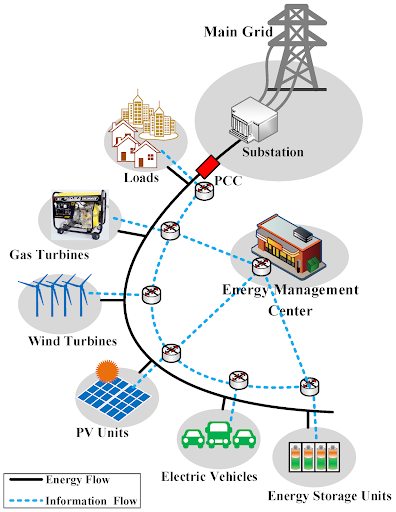
Every microgrid consists of several interconnected components that work together to generate, store, control, and distribute electricity efficiently. While system designs vary depending on the application, the core objective remains the same: delivering reliable and uninterrupted power through intelligent coordination. This creates a fully integrated energy infrastructure for industrial and commercial facilities.
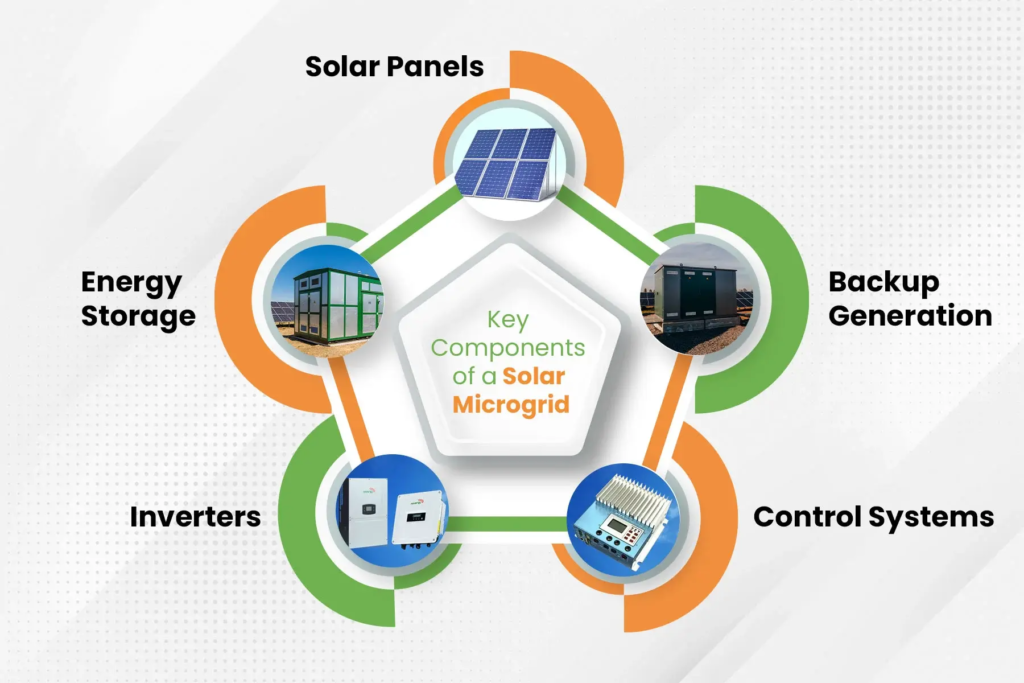
Power generation equipment forms the foundation of every microgrid. Depending on project requirements, electricity may be produced using diesel generators, natural gas generators, solar panels, wind turbines, or hybrid combinations of multiple energy sources. Battery Energy Storage Systems (BESS) complement these generators by storing excess electricity and supplying backup power when generation decreases or demand increases.
Another critical component is the microgrid control system, which serves as the central management platform for the entire network. It continuously monitors energy production, battery status, grid conditions, and electrical loads while automatically optimising power flow. Other important components include switchgear, transformers, protection devices, smart meters, communication networks, and monitoring software that work together to maintain safe and efficient operation. This creates a coordinated energy management architecture that improves system reliability.
Benefits of a Microgrid Control System
A microgrid control system provides the intelligence needed to maximise the performance of every component within a microgrid. Instead of simply monitoring electricity generation, it actively manages energy production, storage, and consumption in real time. This creates a smart operational control platform that improves efficiency and reliability.
One of its biggest advantages is improved power reliability. The controller automatically responds to changing operating conditions by balancing multiple energy sources, maintaining stable voltage and frequency, and ensuring a continuous electricity supply during grid disturbances. This reduces the risk of unexpected downtime for critical operations.
The controller also helps reduce energy costs by selecting the most efficient power source based on electricity demand, fuel availability, battery capacity, and utility pricing. Intelligent load management further minimises energy waste by prioritising essential equipment while optimising overall power consumption. This creates a cost-efficient energy optimisation strategy for businesses.
Another important benefit is real-time monitoring and predictive maintenance. Operators can track system performance through centralised dashboards, receive alerts for potential equipment issues, and schedule maintenance before failures occur. These capabilities extend equipment life, improve operational efficiency, and help businesses achieve greater long-term energy resilience.
Where Are Microgrid Systems Commonly Used?
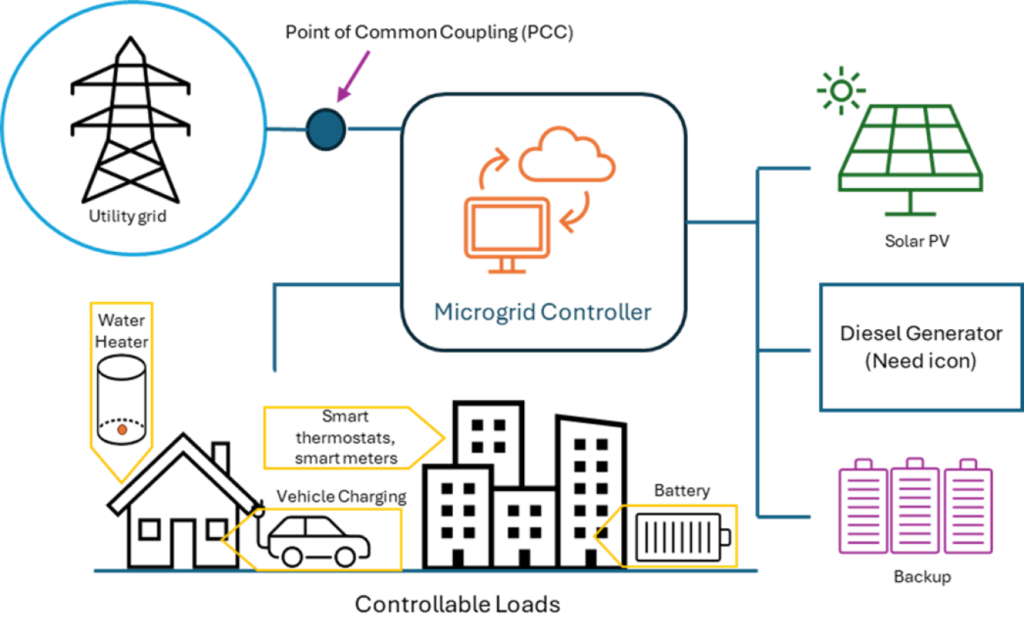
Microgrid systems are used in a wide variety of industries where uninterrupted electricity is essential for safety, productivity, and operational continuity. Their flexibility allows them to support everything from small commercial facilities to large industrial operations. This creates a versatile energy solution for organisations with different power requirements.
Manufacturing facilities rely on microgrids to keep production lines running smoothly and protect machinery from unexpected power interruptions. Hospitals use them to maintain electricity for life-support equipment, operating rooms, emergency systems, and critical medical services. Data centres depend on reliable power to protect servers, networking equipment, and sensitive digital infrastructure from outages.
Universities, airports, military installations, commercial buildings, and remote industrial sites also benefit from localised energy generation. In locations where utility power is unreliable or unavailable, microgrids provide dependable electricity through integrated generators, renewable energy systems, and battery storage. The microgrid control system ensures these resources work together efficiently, creating a continuous operational energy network that supports long-term business resilience.
Challenges in Operating a Microgrid
Although microgrids provide significant advantages, they also require careful planning, engineering, and long-term management to perform efficiently. Organisations considering a microgrid should understand these challenges to maximise the value of their investment. This creates a strategic implementation process for successful deployment.
One of the primary challenges is the higher initial investment. Installing generators, battery storage, renewable energy systems, switchgear, communication infrastructure, and a sophisticated microgrid control system requires considerable capital compared to conventional backup power solutions. However, many organisations recover these costs through lower operating expenses and improved energy efficiency over time.
System integration is another important consideration because every component must communicate and operate together seamlessly. Improper design or poor coordination between power sources can reduce efficiency and affect system reliability. Regular maintenance, software updates, and skilled technical support are also essential for ensuring long-term performance. This creates a comprehensive lifecycle management approach that keeps the microgrid operating safely, efficiently, and reliably.
Future of Microgrid Control Systems
The future of microgrids is being shaped by rapid advancements in automation, artificial intelligence, and digital energy management. As businesses seek more efficient and resilient power solutions, the microgrid control system will continue evolving into a smarter platform capable of making faster and more accurate energy decisions. This creates a next-generation intelligent energy ecosystem for industrial and commercial applications.
Artificial intelligence and machine learning are expected to play a greater role in optimising microgrid performance. These technologies can analyse historical energy data, predict electricity demand, and automatically determine the most efficient combination of generators, battery storage, and renewable energy sources. This reduces operational costs while improving overall system efficiency.
The growth of the Internet of Things (IoT) will also strengthen microgrid capabilities by connecting sensors, meters, generators, batteries, and monitoring devices through real-time communication networks. This enables operators to monitor equipment remotely, receive instant alerts, and perform predictive maintenance before equipment failures occur. This creates a proactive energy management strategy that minimises downtime and extends equipment life.
As renewable energy adoption continues to increase, future control systems will become even more effective at balancing multiple power sources while maintaining stable voltage, frequency, and power quality. These innovations will make microgrids more flexible, scalable, and capable of supporting the growing energy demands of modern industries.
Build Smarter Power Infrastructure with ALEO
A well-designed microgrid depends on more than just power generation—it requires intelligent coordination, reliable equipment, and advanced control systems working together seamlessly. The microgrid control system plays a central role in optimising energy production, improving efficiency, and maintaining uninterrupted operations, making it an essential component of modern distributed energy infrastructure. This creates a reliable foundation for long-term energy resilience.
At ALEO, we provide industrial power solutions engineered for demanding commercial and industrial environments where consistent performance is critical. Our systems support microgrid applications by delivering dependable power generation, reduced operational risks, and improved energy reliability for businesses across multiple sectors.
Every ALEO solution comes with UL certification from the USA, ensuring compliance with internationally recognised safety and quality standards. With direct shipment from the United States, on-site installation and debugging support, and a 1-year warranty, businesses receive comprehensive support from installation through long-term operation.
Whether you are developing a new microgrid or upgrading an existing energy network, ALEO delivers reliable industrial power solutions designed for efficiency, scalability, and long-term performance.
Visit our website and connect with us to build a smarter and more resilient energy future.