Portable generators have become an important backup power solution for homes, outdoor activities, small businesses, and emergency situations. During unexpected outages, a compact generator can help keep essential appliances and devices running until utility power is restored. Among the most commonly used portable systems, the 3500 watt generator is popular because it offers a balance between affordability, portability, and practical power output. Compact backup power solution makes this generator size useful for many residential applications.
Many homeowners purchase generators without fully understanding how much equipment they can actually support. Generator performance depends on factors such as running wattage, startup surges, appliance priority, and fuel efficiency. A generator that is overloaded may shut down unexpectedly or experience reduced operational lifespan. Proper load management planning is essential for maintaining safe and reliable generator operation during outages.
A 3500 watt generator is generally designed for essential household support rather than full-home backup. It can operate several smaller appliances and electronics simultaneously, but heavy electrical systems such as central air conditioning or large electric heaters may exceed its capacity. Understanding these limitations helps users avoid overload conditions and improve runtime efficiency. Realistic power capacity expectations are important when selecting a portable generator for emergency use.
In addition to residential backup, these generators are also widely used for camping, construction sites, outdoor work, and recreational activities because of their portability and moderate fuel consumption. Their versatility makes them suitable for both temporary emergency power and mobile applications. Portable emergency power flexibility increases its value across multiple operating environments.
In this article, we will discuss what a 3500 watt generator can run, household appliance compatibility, power limitations, fuel efficiency, and important factors to consider before using a generator during outages. So, keep reading:
How Much Power Does a 3500 Watt Generator Provide?
A 3500 watt generator typically provides around 3000 to 3500 running watts with slightly higher startup capacity depending on the model. This allows it to support several small or medium appliances simultaneously without exceeding safe operating limits. Moderate portable power output is suitable for essential residential backup needs.
The total number of appliances it can run depends on their individual wattage requirements and startup surges. Equipment with motors, such as refrigerators or pumps, requires extra power during startup and must be included in load calculations. Appliance startup demand plays a major role in generator performance.
Proper load management is important to prevent overload conditions and maintain stable operation. Running too many heavy appliances at once can reduce efficiency and shorten the generator’s lifespan. Balanced electrical load control improves reliability during emergency use.
Can a 3500W Generator Power a House?
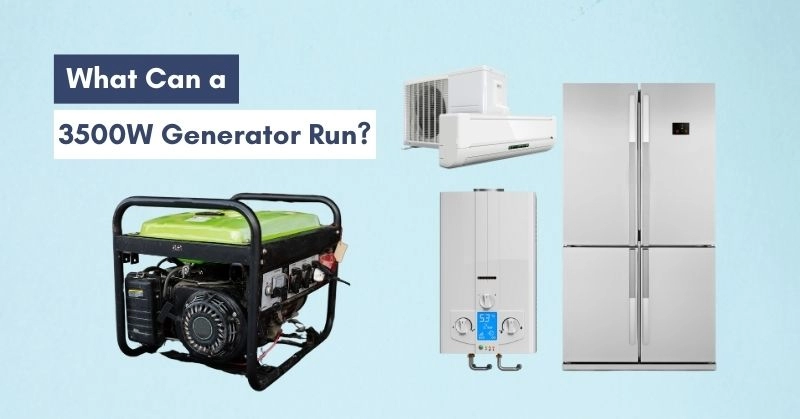
A 3500 watt generator can power parts of a house, but it is not designed for complete whole-home backup. It works best for essential appliances such as refrigerators, lights, fans, televisions, internet routers, and small kitchen devices during short-term outages. Essential backup power support is the primary purpose of this generator size.
The generator’s ability to support a home depends on how electrical loads are managed. Running multiple high-power appliances at the same time can quickly exceed capacity, especially equipment with heavy startup surges like air conditioners or water pumps. A load prioritisation strategy is necessary for stable operation.
In most cases, a 3500 watt generator cannot run central HVAC systems, electric water heaters, or large electric ovens continuously. Instead, it is better suited for emergency backup of critical circuits and basic household comfort during outages. Limited whole-home capability defines the realistic operating range of this generator category.
What All Can I Run Off of a 3500 Watt Generator?
A 3500 watt generator can operate a wide range of essential household appliances and small equipment during power outages, outdoor activities, or temporary worksite operations. While it is not intended for full-home backup, it provides enough capacity to maintain basic comfort and support critical devices when electrical power is unavailable. Proper use of a 3500 watt generator depends on balanced load management and understanding appliance wattage requirements. Practical emergency power usage makes this generator size highly popular for residential backup.
The number of appliances that can run simultaneously depends on both running wattage and startup wattage. Appliances with motors or compressors require additional power when starting, which means users must carefully prioritise electrical loads to avoid overloading the generator. Balanced appliance load planning improves operational stability and fuel efficiency during use.
Kitchen Appliances
A 3500 watt generator can usually support essential kitchen appliances such as a refrigerator, microwave, coffee maker, blender, and small freezer. Refrigerators are among the most common appliances connected during outages because they help preserve food and medicine. However, users should avoid running multiple high-power kitchen appliances simultaneously for extended periods. Essential kitchen appliance support helps maintain basic residential functionality during emergencies.
Small electric kettles, toasters, and portable cooking devices may also operate under controlled load conditions. Since kitchen equipment often creates temporary power surges, appliance startup demand should always be considered before operation. Kitchen load management strategy helps prevent unnecessary overload conditions.
Lighting and Electronics
Lighting systems and electronics are easily supported by most 3500 watt generator models because they consume relatively low power. LED lights, televisions, gaming systems, Wi-Fi routers, desktop computers, laptops, and mobile chargers can usually run together without major strain on the generator. Low-consumption electronics support improves comfort and communication during outages.
This makes the generator especially useful for remote workers, students, and households that rely on internet connectivity during power interruptions. Maintaining communication devices and home office equipment can reduce operational disruption significantly. Continuous communication capability adds practical value during extended outages.
Small Household Equipment
Many small residential devices can also operate safely on a 3500 watt generator. Fans, garage door openers, sump pumps, small washing machines, and portable heaters can function under moderate load conditions. Startup wattage remains important because motor-driven equipment can briefly demand much higher power than normal operation. Moderate residential equipment capacity expands emergency power flexibility.
Users should avoid running several motor-based appliances at the same time because combined startup surges may exceed generator limits. Proper appliance scheduling improves both runtime efficiency and generator reliability. Controlled appliance startup management reduces stress on the system.
Outdoor and Jobsite Equipment
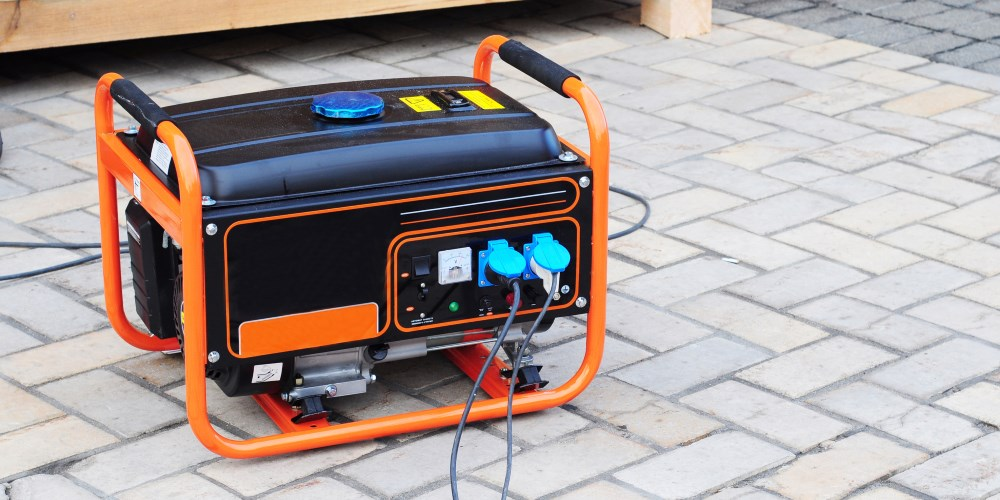
Beyond residential backup, a 3500 watt generator is also widely used for camping, outdoor events, RV applications, and construction work. It can power small air compressors, electric drills, saws, battery chargers, and portable lighting systems effectively. Portable jobsite power solution increases generator versatility across different environments.
Its compact size and moderate fuel consumption make it suitable for temporary outdoor applications where mobility and convenience are important. Many users prefer this generator size because it balances portability with practical power output for everyday emergency needs. Portable operational flexibility makes it useful for both residential and recreational use.
Key Factors That Affect 3500 Watt Generator Performance
The performance of a 3500 watt generator depends on how it is loaded, maintained, and operated during use. Understanding these factors helps ensure stable output, better fuel efficiency, and safe operation during emergencies or outdoor applications. Proper generator performance control is essential for reliable backup power.
Starting Wattage vs Running Wattage
One of the most important factors is the difference between starting and running wattage. Appliances with motors require extra power during startup, which can temporarily exceed the generator’s rated capacity. Startup surge management helps prevent overload and shutdown issues.
If too many appliances start at the same time, the generator may trip even if the total running load is within limits. Simultaneous load control is critical for smooth operation.
Fuel Type and Runtime Efficiency
Fuel type affects how long the generator can run and how efficiently it consumes energy. Most 3500-watt generators run on gasoline, while some models support propane for cleaner and more stable storage. Fuel efficiency balance impacts total runtime.
Under lighter loads, fuel consumption decreases, and runtime increases significantly. Heavy loads, however, reduce efficiency and require more frequent refuelling. Load-based fuel usage directly affects operating time.
Load Management and Appliance Priority
Proper load management is necessary to avoid overloading the generator. Users must prioritise essential appliances such as refrigerators, lights, and communication devices. Essential load prioritisation improves stability during outages.
Running multiple high-wattage appliances together can exceed capacity quickly. Staggering usage helps maintain consistent output. Controlled appliance usage prevents performance drops.
Portability and Emergency Usage
A 3500 watt generator is designed for portability, making it suitable for home backup, camping, and jobsite applications. Its compact design allows easy transportation and quick setup. Portable power convenience increases its usability across different scenarios.
However, portability also means limited fuel tank size and runtime compared to larger standby systems. Compact design trade-off affects long-duration performance.
Maintenance and Long-Term Reliability
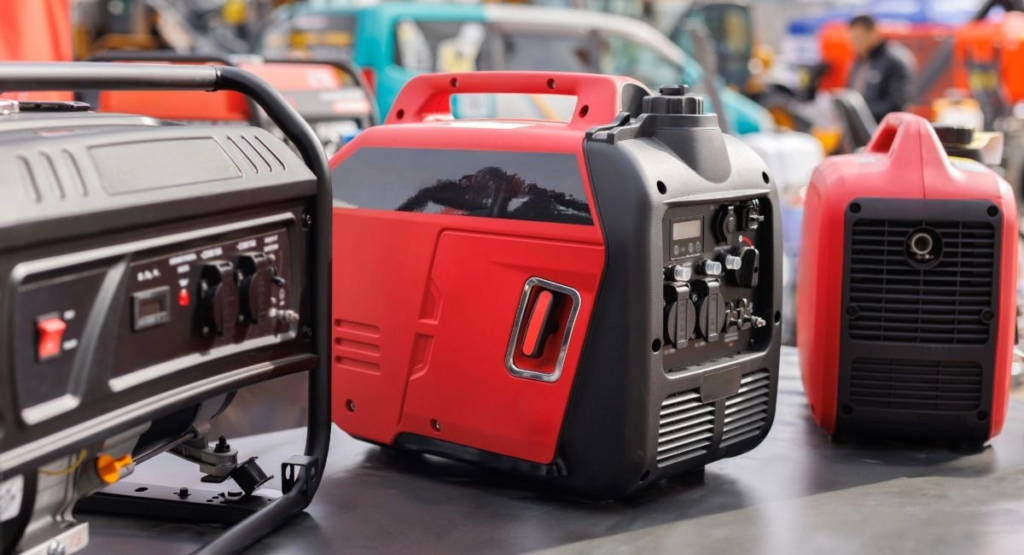
Regular maintenance is necessary to keep the generator performing efficiently. This includes oil changes, air filter cleaning, and proper fuel storage. Routine maintenance care extends the generator’s lifespan.
Neglecting maintenance can lead to starting issues, reduced efficiency, and unstable output over time. System reliability protection depends on consistent servicing.
Common Appliances a 3500 Watt Generator Cannot Run.
While a 3500 watt generator is highly useful for essential backup power, it has clear limitations when it comes to high-demand appliances. Large electrical systems require significantly more power than this generator can safely provide, especially during startup. High-load limitation awareness is important to avoid overload and equipment damage.
One of the biggest limitations is central air conditioning systems. Most AC units require high starting wattage that exceeds the capacity of a 3500 watt generator, making them unsuitable for continuous operation. HVAC power demand gap makes cooling systems incompatible with this generator size.
Electric water heaters and large space heaters are also not supported because they consume heavy, continuous loads. These appliances can quickly drain the generator and cause shutdowns. Heavy heating load restrictions limit their usage during outages.
In addition, large kitchen appliances such as full-size ovens, electric stoves, and dishwashers are generally not suitable for this generator. Even if they start briefly, they cannot run safely alongside other household devices. High-consumption appliance exclusion ensures stable generator performance.
Industrial equipment, large pumps, and heavy-duty tools also fall outside the safe operating range. Attempting to run these devices can overload the generator and shorten its lifespan. Overload risk prevention is essential for long-term reliability.
Safety Tips When Using a 3500 Watt Generator
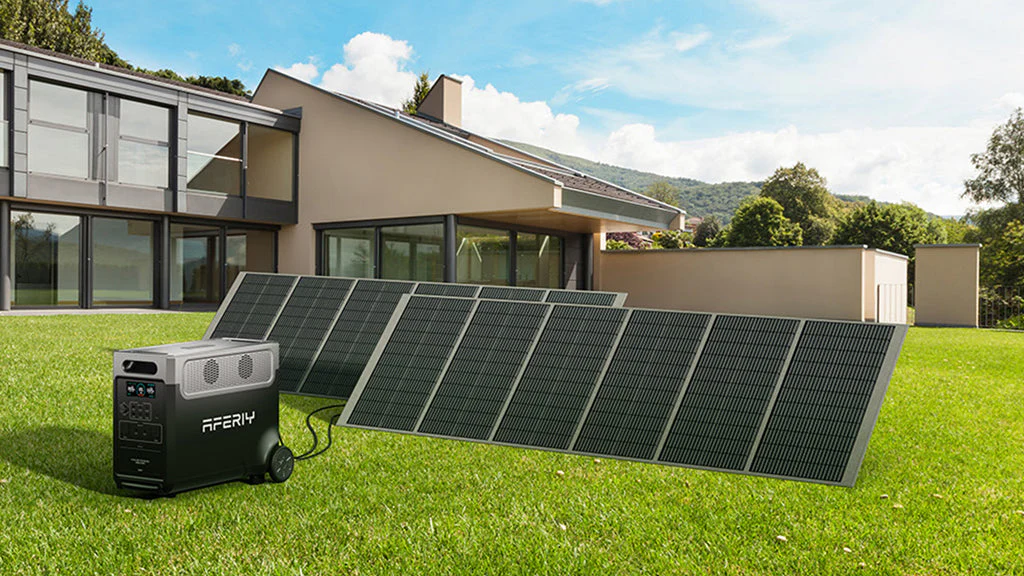
Safety is extremely important when operating any generator, including a 3500 watt unit. It should always be used in a well-ventilated outdoor area because exhaust gases contain carbon monoxide, which is highly dangerous in enclosed spaces. The carbon monoxide safety rule must never be ignored.
Proper extension cords and rated cables should be used to connect appliances safely. Overloading sockets or using damaged wires can cause electrical hazards or fire risks. Electrical connection safety ensures stable power delivery.
Generators should never be directly connected to home wiring without a proper transfer switch. This prevents backfeeding, which can endanger utility workers and damage electrical systems. Safe installation practice is critical for compliance and protection.
Is a 3500 Watt Generator Enough for Emergency Backup?
A 3500 watt generator is often enough for basic emergency backup, but it is not suitable for full-home power needs. It is designed to keep essential appliances running during outages, such as lights, refrigerators, fans, and communication devices. Essential backup capability makes it useful for short-term power interruptions.
For many households, this size generator provides a practical balance between cost, portability, and functionality. However, it requires careful load management because running too many appliances at once can exceed its capacity. Limited load capacity awareness is important for safe operation.
In situations where only critical systems are needed, a 3500 watt generator performs well and can significantly improve comfort and safety during outages. But for homes with heavy electrical demand like central air conditioning, a larger system would be required. Emergency power suitability range defines its ideal use case.
Get Reliable And Efficient Power Solutions – Connect With ALEO Today!
A 3500 watt generator is a practical and affordable solution for handling essential power needs during outages, outdoor use, or small-scale applications. It is best suited for running basic household appliances like refrigerators, lights, fans, routers, and small electronics, but it is not designed for full-home electrical backup or heavy-duty systems. Realistic power expectation is key to using this generator safely and effectively.
Its true value lies in portability and emergency readiness, offering enough capacity to maintain comfort and communication when the grid goes down. However, proper load management, safety precautions, and understanding wattage limits are essential to avoid overload and performance issues. Safe operational usage ensures long-term reliability.
For users who need higher capacity or complete home backup solutions, upgrading to a larger system may be more suitable depending on load requirements. Right-sized generator selection always delivers better efficiency and performance.
ALEO provides UL-certified generator solutions from the USA, with direct shipment, on-site installation and debugging, and a 1-year warranty for reliable long-term use. Trusted power solutions ensure dependable performance when it matters most.
For professional guidance and the right generator system for your needs, visit our website and connect with us today!