Meta Description: Learn how generator frequency is controlled, and how to fix under-frequency and over-frequency issues. Understand key factors like speed and voltage regulation for stable performance.
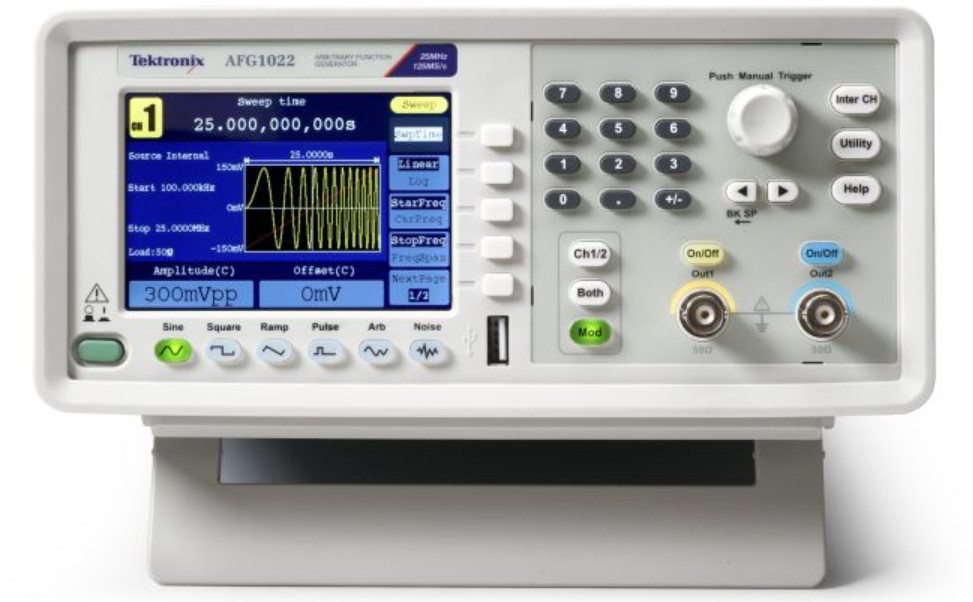
Generator performance depends heavily on maintaining a stable output frequency, as even small fluctuations can affect the operation of connected electrical equipment. In both residential and industrial systems, frequency stability ensures that appliances, motors, and sensitive electronics run smoothly without damage or performance loss. Stable electrical frequency control is essential for reliable generator operation.
When the frequency in a generator becomes unstable, it can lead to underperformance, overheating, voltage irregularities, and even shutdown in severe cases. These issues are often linked to engine speed variations, load changes, fuel system problems, or improper maintenance. Understanding these factors is important for preventing operational failures and ensuring consistent power delivery. Generator performance stability depends directly on frequency control.
Frequency is closely tied to the engine’s rotational speed and must remain within a specific range (typically 50Hz or 60Hz, depending on the system). Any deviation from this standard can impact both efficiency and equipment safety. This makes frequency control one of the most important aspects of generator operation and maintenance. Engine speed regulation accuracy plays a key role in system reliability.
Because frequency issues can arise from multiple mechanical and electrical causes, diagnosing and fixing them requires a clear understanding of how generators function under different load conditions. Proper adjustment and maintenance can significantly improve stability and extend equipment life. Operational reliability management helps reduce long-term performance issues.
In this article, we will discuss how to fix generator frequency issues, what causes under- and over-frequency conditions, how frequency is controlled, and the most common reasons behind fluctuations in generator output. So, read on:
What Is Frequency in a Generator?
Frequency in a generator refers to the number of electrical cycles produced per second, measured in Hertz (Hz). In most residential and industrial systems, the standard frequency is either 50Hz or 60Hz, depending on regional power requirements. The electrical frequency definition is essential for understanding generator output behaviour.
This frequency is directly controlled by the engine speed of the generator. When the engine runs at a stable RPM, the generator produces a consistent frequency. If the engine speed fluctuates, the frequency also becomes unstable, affecting the performance of connected devices. The engine speed relationship determines output stability.
Maintaining correct frequency is critical because most electrical appliances are designed to operate within a fixed range. Any deviation can cause overheating, malfunction, or reduced efficiency in motors and sensitive equipment. Device compatibility requirements depend on a stable frequency supply.
What Controls Frequency in a Generator?
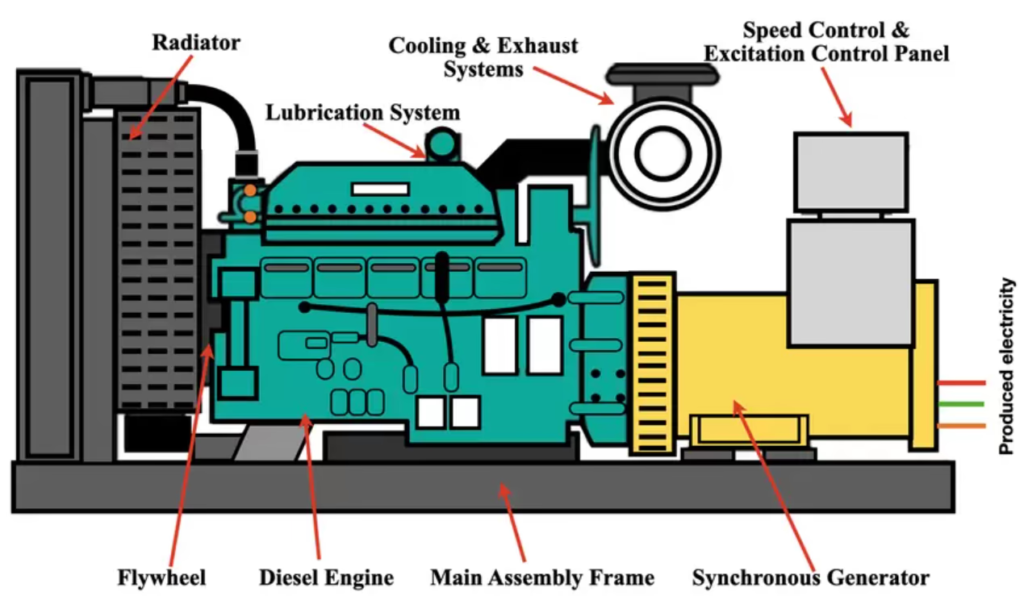
The frequency of a generator is primarily controlled by the engine’s rotational speed, which is regulated by a governor system. This system automatically adjusts fuel input to maintain consistent RPM under varying load conditions. Governor speed control ensures a stable frequency output.
When the electrical load increases, the governor increases the fuel supply to maintain engine speed. When the load decreases, it reduces fuel input to prevent overspeed conditions. This balance keeps frequency within the required range. Load response regulation helps maintain consistent performance.
The alternator also plays a supporting role by converting mechanical energy into electrical output, but frequency stability depends mainly on engine speed control rather than electrical components. Mechanical speed stability is the core factor behind frequency control.
How to Adjust Frequency on a Generator?
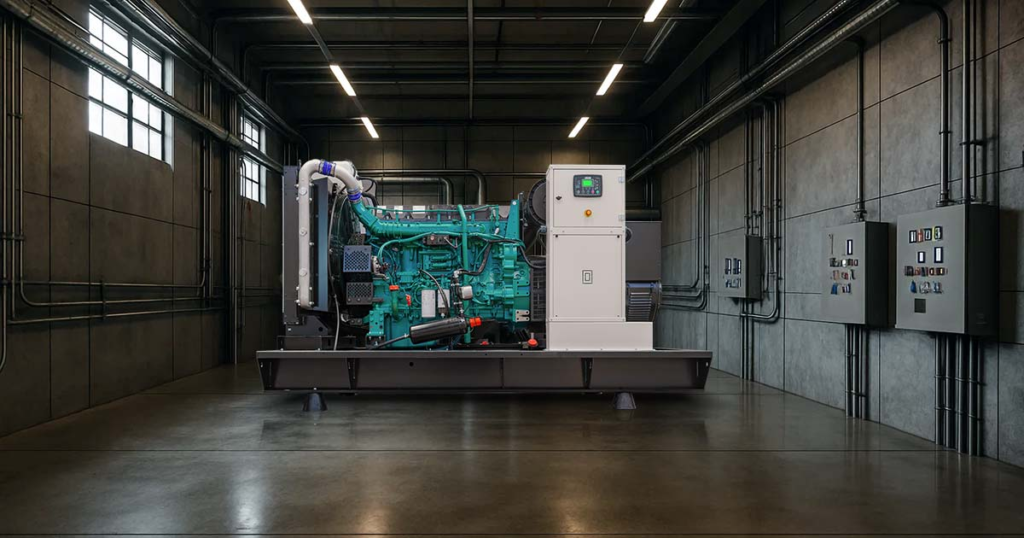
Adjusting generator frequency is essentially about correcting engine speed so that the generator produces a stable output (usually 50Hz or 60Hz, depending on the system). Since frequency is directly linked to engine RPM, even small speed changes can affect performance, efficiency, and the safety of connected equipment. The engine speed calibration process is the core method behind frequency adjustment.
In most generators, frequency is controlled automatically through a governor system, but manual adjustments are sometimes required during maintenance, troubleshooting, or load imbalance situations. If frequency is not stable, it usually indicates an issue with engine speed regulation, fuel supply, or load behaviour. Frequency stability correction helps restore proper electrical output.
Check Current Frequency and Load Condition
Before making any adjustment, it is important to measure the current frequency using a digital meter or built-in display. This helps determine whether the issue is under-frequency or over-frequency. At the same time, the connected load should be checked because overload or sudden load changes can affect readings. An accurate load assessment step ensures correct diagnosis.
If the generator is heavily loaded, reducing unnecessary appliances can immediately improve frequency stability without mechanical adjustment. This is often the simplest and safest first step. A load reduction strategy can stabilise performance quickly.
Adjust Governor for Engine Speed Control
The governor is the main component responsible for maintaining engine RPM. If frequency is low, it usually means the engine is running slower than required, and the governor tension may need slight adjustment. Increasing fuel input through governor control can raise engine speed and restore correct frequency. Governor speed regulation directly affects generator output stability.
If the frequency is too high, the governor setting may need to be reduced to slow down the engine RPM. This must be done carefully because over-adjustment can cause instability or engine stress. Controlled RPM adjustment is critical for safe operation.
Inspect Fuel System and Combustion Efficiency
Fuel delivery plays a major role in maintaining a stable engine speed. Dirty filters, clogged injectors, or inconsistent fuel flow can cause irregular combustion and frequency fluctuations. Cleaning or replacing filters often improves stability without further adjustments. Fuel system efficiency check supports consistent generator performance.
Poor-quality fuel or air-fuel imbalance can also affect engine response under load changes. Ensuring proper fuel quality and airflow helps maintain steady RPM during operation. Combustion stability improvement reduces frequency variation.
Balance Electrical Load Properly
Unbalanced or excessive load is one of the most common reasons frequency becomes unstable. If too many appliances are connected at once, the generator struggles to maintain speed, resulting in frequency drops. Removing non-essential loads can immediately stabilise output. Load management control improves frequency consistency.
It is also important to avoid sudden switching of heavy appliances like motors or compressors, as they create temporary surges. Staggered usage helps maintain smooth operation. Gradual load application prevents instability.
Check Maintenance and Governor Response
If frequency still fluctuates after adjustments, the governor system itself may need inspection. Worn springs, loose connections, or calibration errors can affect engine speed control. Regular servicing ensures that all mechanical components respond correctly under varying load conditions. Governor system health is essential for stable frequency output.
Routine maintenance, such as oil changes, air filter cleaning, and fuel system inspection, also supports consistent performance. A poorly maintained generator will always struggle with frequency stability regardless of adjustments. Preventive maintenance care improves long-term reliability.
Final Stability Check
After all adjustments, the generator should be tested under normal load conditions to ensure frequency remains stable. It is important to observe performance during both low and moderate loads to confirm proper regulation. Operational stability testing ensures safe and reliable output.
If the system maintains a steady frequency without fluctuations, the adjustment process is successful. If not, deeper mechanical or electrical diagnostics may be required. Final performance verification confirms generator readiness for continuous use.
Causes of Frequency Fluctuation in Generators
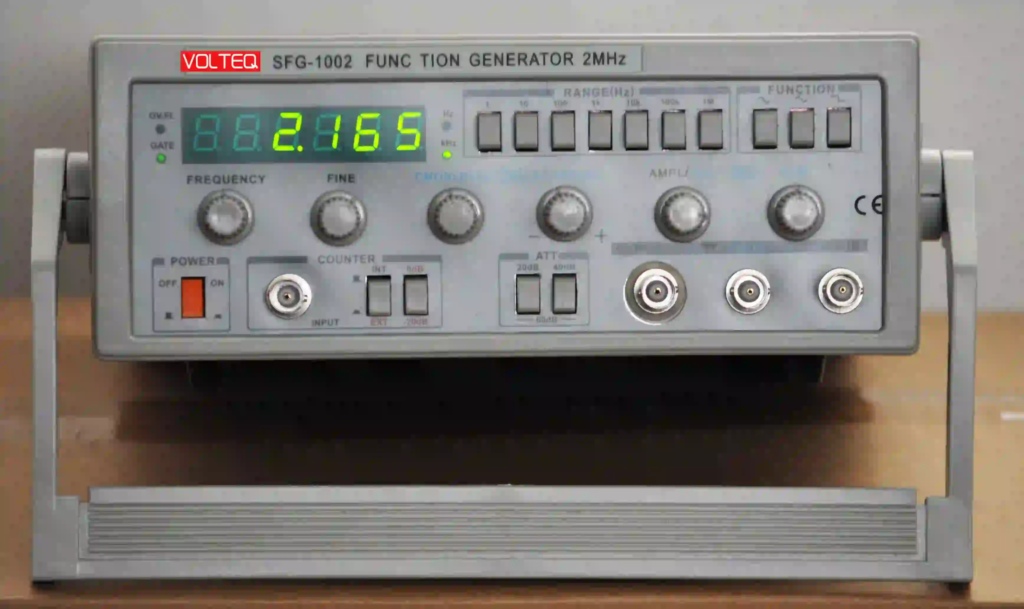
Frequency fluctuation occurs when the generator is unable to maintain a steady engine speed under changing load or mechanical conditions. These fluctuations can affect power quality and reduce equipment efficiency. Unstable frequency behaviour is usually linked to multiple system factors working together.
Load Variations and Sudden Demand Changes
One of the most common causes is sudden changes in electrical load. When heavy appliances start or stop, the generator experiences rapid shifts in demand, affecting engine speed temporarily. Load shock impact directly influences frequency stability.
Startup surges from motors, compressors, and pumps can also cause short-term frequency drops until the system stabilises. Sudden demand fluctuation is a major operational challenge.
Engine Speed Instability
If the engine is not maintaining consistent RPM, frequency will naturally fluctuate. This can happen due to worn components, improper tuning, or mechanical inefficiencies. RPM inconsistency issue is a primary source of frequency variation.
Governor malfunction or poor calibration can also lead to unstable engine response under load changes. Speed regulation failure affects overall generator performance.
Fuel System Problems
Irregular fuel supply can disrupt combustion efficiency and cause engine speed variations. Dirty filters, clogged injectors, or inconsistent fuel flow often result in unstable operation. Fuel delivery disruption reduces performance stability.
Poor-quality fuel or air mixture imbalance can also affect combustion consistency, leading to frequency irregularities. Combustion efficiency imbalance impacts generator output.
Alternator and Electrical Imbalance
Although frequency is mainly engine-driven, electrical issues in the alternator can still contribute to instability. Faulty excitation systems or wiring problems may cause inconsistent load response. Electrical output imbalance affects system stability.
Voltage irregularities can also interact with engine load control systems, indirectly influencing frequency performance. Voltage-frequency interaction plays a supporting role.
Maintenance and Environmental Factors
Poor maintenance is another major cause of frequency fluctuations. Lack of servicing can lead to worn components, reduced efficiency, and unstable operation. Maintenance neglect impact reduces generator reliability.
Environmental conditions such as extreme heat or cold can also affect engine performance and fuel combustion stability. The temperature stress factor influences operational consistency.
How to Fix a Generator Underfrequency?
Under frequency usually happens when the generator is overloaded or the engine speed drops below the required RPM. The first step is to reduce the connected load by switching off non-essential appliances. Then check fuel supply, air filter, and engine condition to ensure smooth combustion. If the issue persists, the governor may need adjustment to increase engine speed. Proper maintenance and balanced loading are essential to restore stable frequency. The load reduction priority step helps quickly recover normal operation.
What Causes Over-Frequency in a Generator?
Over frequency occurs when the engine runs faster than its rated speed. This is usually caused by sudden load removal, faulty governor settings, or mechanical miscalibration. When heavy loads are disconnected, the engine temporarily overspeeds, increasing frequency. Poor maintenance or incorrect tuning can also worsen the issue. If ignored, it can damage connected equipment due to unstable voltage. Regular calibration and load management help prevent this problem. The engine overspeed condition is the main root cause.
What Causes Low Frequency in a Generator?
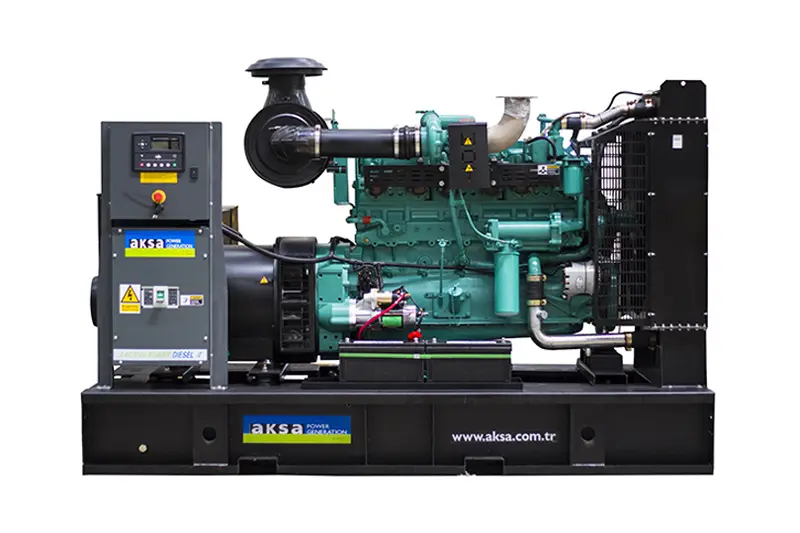
Low frequency happens when the generator cannot maintain the required RPM under load. Common causes include overloading, fuel shortage, dirty filters, or engine wear. When too many appliances run together, the engine slows down, reducing frequency. Poor fuel supply or maintenance issues can also contribute. Fixing the load imbalance and servicing the fuel system usually resolves the problem. Underload correction factor helps restore stable generator performance.
What Is The Most Common Cause of Frequency Fluctuations?
The most common cause of frequency fluctuations is sudden and uneven load changes. When heavy appliances start or stop, the engine struggles to stabilise RPM instantly. This creates temporary drops or spikes in frequency. Poor maintenance and faulty governor response can make the issue worse. In most cases, proper load management and regular servicing solve the problem. Load variation instability is the primary real-world cause of fluctuation.
Preventing Frequency Issues in Generators
Preventing frequency problems starts with proper load management and regular monitoring of generator performance. Keeping the load within rated capacity ensures the engine maintains stable RPM without unnecessary stress. Sudden switching of heavy appliances should be avoided to prevent frequency dips or spikes. Balanced load operation is the foundation of stable generator performance.
Regular maintenance also plays a major role in preventing frequency instability. Clean air filters, proper fuel quality, and timely oil changes help maintain smooth engine combustion and consistent speed. Worn or poorly maintained components can directly affect governor response and frequency control. Routine maintenance discipline improves long-term stability.
The governor system should be checked periodically to ensure it is properly calibrated and responding correctly to load changes. Even small misadjustments can cause long-term frequency drift or instability under varying demand conditions. Governor calibration accuracy is essential for reliable output.
Environmental conditions such as overheating or poor ventilation can also affect engine performance. Ensuring proper airflow and operating conditions helps maintain consistent frequency during long usage periods. A stable operating environment supports efficient generator function.
Overall, consistent maintenance, correct loading, and proper system tuning are the key factors in avoiding frequency issues and ensuring smooth generator operation.
Get Reliable And Stable Frequency Power Solutions – Connect With ALEO Today!
Stable frequency is one of the most important factors in ensuring reliable generator performance, as it directly affects the safety and efficiency of all connected electrical equipment. Whether used in residential or industrial applications, maintaining proper frequency helps avoid damage, improve energy efficiency, and ensure smooth operation under varying load conditions. Stable power output reliability is essential for consistent performance.
Most frequency problems arise from load imbalance, engine speed variation, fuel issues, or poor maintenance. By understanding these causes and applying proper adjustments, users can significantly reduce downtime and improve generator lifespan. Correct operational management plays a key role in preventing frequency fluctuations.
ALEO provides UL-certified generator solutions from the USA with direct shipment, on-site installation and debugging, and a 1-year warranty to ensure reliable and safe operation. Trusted industrial support delivers dependable power solutions for every requirement.
For professional guidance and the right generator system for your needs, visit our website and connect with us today!