Power outages rarely occur at convenient times, yet businesses depend on backup generators to respond instantly when utility power fails. From manufacturing facilities to commercial buildings and infrastructure projects, uninterrupted electricity supports essential operations. When maintenance is ignored, even high-quality equipment may fail at critical moments, making power reliability planning a priority for organizations relying on backup systems.
Generators often remain idle for extended periods, which creates a false sense of readiness. Unlike continuously operating machinery, standby units can develop hidden issues such as battery discharge, fuel degradation, or internal corrosion while sitting unused. These unnoticed problems frequently appear only during emergencies, turning a backup solution into an operational risk due to hidden mechanical deterioration.
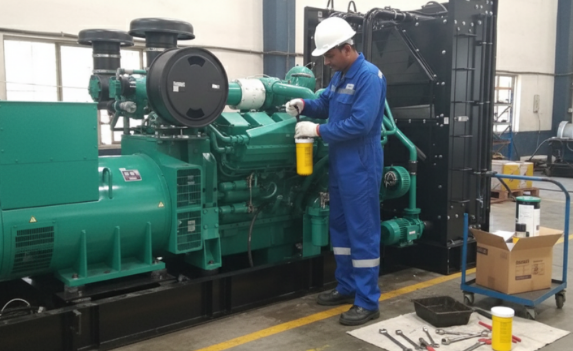
Regular generator maintenance ensures systems remain operational rather than simply installed. Effective servicing includes inspections, fluid checks, electrical testing, and performance verification to confirm that the generator can handle real load conditions. Preventive care reduces unexpected breakdowns and helps businesses avoid costly downtime caused by equipment failure during outages.
Understanding how often servicing is required depends on usage patterns, environmental exposure, and operational expectations. Facilities that treat maintenance as part of long-term reliability planning experience fewer failures and longer equipment lifespan. This guide explains maintenance frequency, essential service tasks, and practical strategies for achieving consistent backup performance in commercial environments.
Understanding Why Generators Require Regular Maintenance
Generators are complex mechanical systems designed to deliver power instantly during outages, yet their reliability depends heavily on consistent care. Even when operating infrequently, internal components experience gradual wear due to lubrication breakdown, environmental exposure, and aging materials. Without scheduled inspections, minor issues can evolve into operational failures, making preventive equipment care essential for long-term performance.
Unlike standard machinery that shows visible signs of wear, standby generators often deteriorate silently. Moisture accumulation, dust intrusion, and temperature fluctuations can affect electrical connections and moving parts over time. These conditions may weaken system readiness, meaning a generator that appears functional may fail under load without proper routine system inspection practices.
Fuel systems also require attention regardless of runtime hours. Diesel and gasoline fuels can degrade, while propane systems depend on proper pressure regulation and leak-free connections. Poor fuel quality directly affects combustion efficiency and startup reliability, reinforcing why structured generator maintenance schedules are necessary even for rarely used equipment.
Regular servicing also protects sensitive electrical components such as batteries, alternators, and control panels. These systems must respond immediately during outages, leaving no margin for delayed performance. Businesses that implement proactive maintenance programs experience fewer emergency repairs and improved equipment lifespan through consistent operational monitoring.
How Generator Usage Affects Maintenance Frequency
Maintenance frequency varies significantly depending on how a generator is used, making operational context a key factor in service planning. Standby generators used only during emergencies require periodic inspections to maintain readiness, while continuously operating units accumulate wear faster and demand more frequent servicing. Understanding usage patterns allows organizations to establish usage-based maintenance planning instead of relying on fixed timelines alone.
Standby generators typically operate only during outages or scheduled testing, yet inactivity can still cause battery discharge and fuel-related issues. Even minimal runtime requires inspections at least annually to confirm functionality. Facilities relying on emergency backup power should prioritize reliability testing as part of structured generator maintenance programs.
Prime power generators used daily experience higher mechanical stress because engines run for extended periods under varying loads. Oil degradation, filter contamination, and cooling system strain increase maintenance needs, making hour-based servicing intervals more effective than calendar schedules. This approach ensures equipment longevity through performance-driven servicing intervals.
Continuous-duty industrial generators face the highest operational demands, often running for hundreds of hours each month. These systems require frequent inspections, fluid replacements, and component monitoring to prevent overheating or mechanical fatigue. Organizations operating such equipment benefit from predictive maintenance strategies that support continuous power reliability.
Recommended Maintenance Frequency by Usage Type
| Generator Type | Typical Usage | Maintenance Interval |
| Standby Generator | Emergency backup only | Every 6–12 months |
| Prime Power Generator | Daily operational use | Every 250–500 hours |
| Continuous Duty Generator | Industrial continuous load | Every 200–300 hours |
What Type of Maintenance Does a Generator Need?
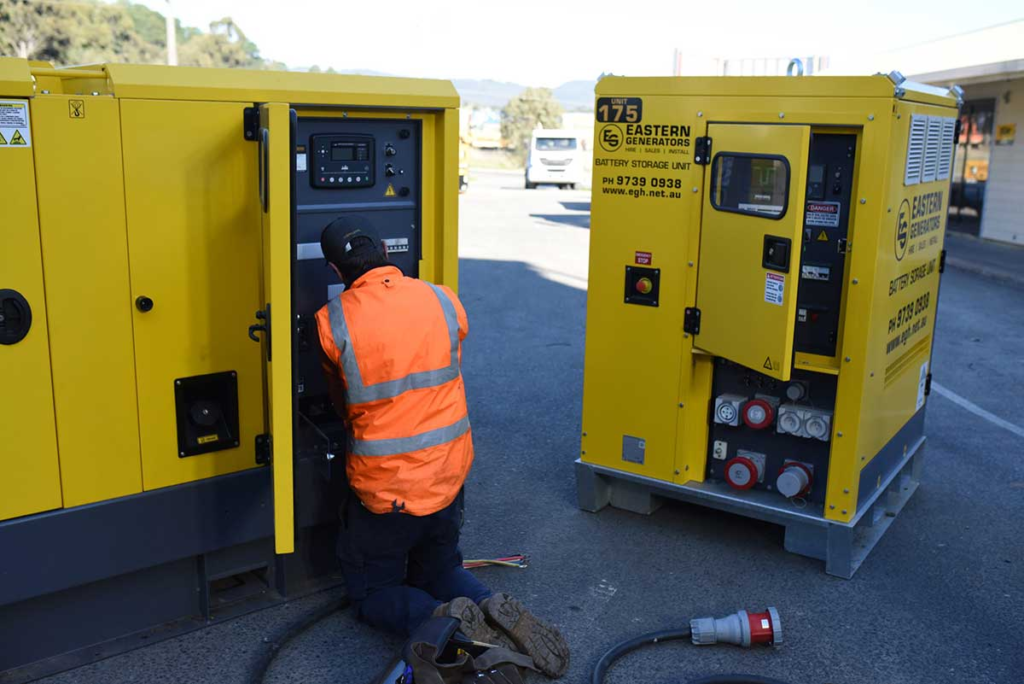
Generator servicing involves multiple systems working together, and effective maintenance focuses on both mechanical and electrical reliability. A structured service plan ensures the generator performs efficiently during emergencies while minimizing long-term repair costs through comprehensive maintenance procedures.
Engine System Inspection
The engine forms the core of generator performance, requiring regular oil changes, filter replacement, and cooling system checks. Lubrication prevents friction damage, while coolant inspections help maintain safe operating temperatures during extended runtime. Ignoring these checks can lead to overheating or premature wear, highlighting the importance of engine health monitoring.
Fuel System Maintenance
Fuel delivery components must remain clean and properly sealed to maintain efficient combustion. Maintenance includes inspecting fuel lines, checking pressure regulators, and verifying fuel quality to prevent clogging or inconsistent performance. Reliable fuel flow ensures smooth startup and stable operation, making this step essential for fuel system reliability.
Electrical Component Testing
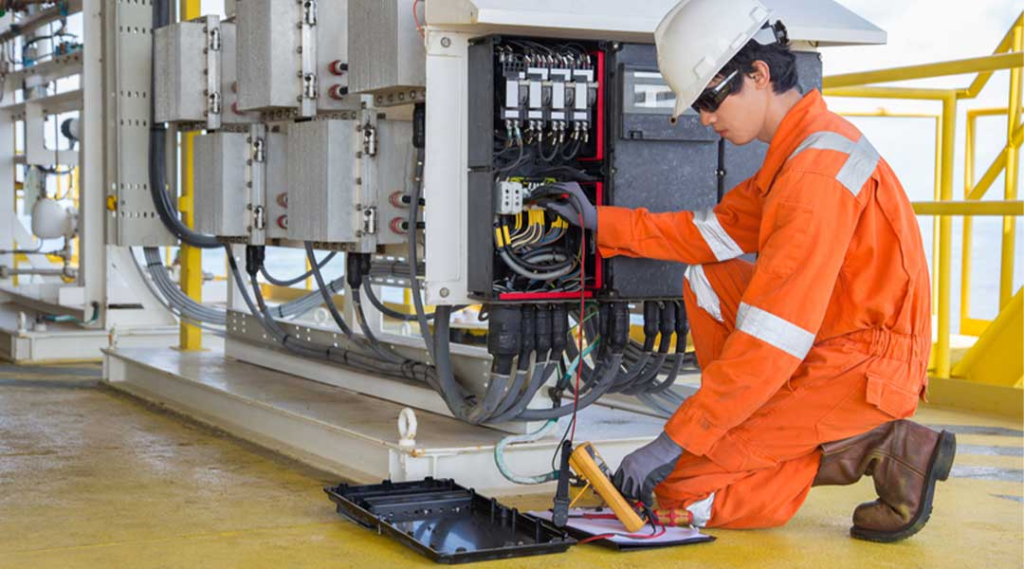
Electrical systems control generator startup and load response, making battery condition and wiring integrity critical. Technicians test charging systems, inspect control panels, and verify sensor accuracy to ensure automatic activation during outages. Routine diagnostics reduce unexpected failures through electrical performance verification.
Load Testing and Performance Verification
Load testing confirms that the generator can operate under real operating conditions rather than idle testing alone. Running the generator at operational capacity prevents carbon buildup and validates system readiness. This process ensures dependable emergency response and supports real-world operational readiness.
Do Generators Need Yearly Maintenance?
Yes, most generators require servicing at least once per year, even if they operate only during emergencies. Manufacturers recommend annual inspections because internal components continue aging regardless of runtime hours. Fluids degrade, seals dry out, and batteries slowly lose charge, making annual maintenance scheduling essential for maintaining system readiness.
Yearly servicing typically includes oil and filter replacement, battery testing, fuel system inspection, and control panel diagnostics. These checks confirm that automatic startup systems function correctly during outages and that performance remains stable under load. Businesses that follow structured generator maintenance programs significantly reduce the risk of startup failure during critical situations.
Annual maintenance also supports compliance with safety standards and warranty requirements. Commercial facilities often rely on documented service records to meet operational policies and insurance expectations. By performing routine yearly servicing, organizations protect both equipment lifespan and operational continuity through preventive reliability management.
How Long Can a Generator Sit Without Being Used?
Generators can technically remain unused for several months, but long idle periods increase the likelihood of performance issues. Batteries naturally discharge, fuel quality declines, and internal components may develop corrosion when systems are not exercised regularly. Without periodic operation, reliability decreases due to extended equipment inactivity.
Most manufacturers recommend running generators under load at least once every month to circulate fluids and recharge electrical systems. Regular exercise prevents seal deterioration and ensures moving parts remain properly lubricated. Scheduled testing also allows operators to detect minor issues early, supporting effective standby readiness verification.
Leaving a generator unused for a year or longer without servicing can result in clogged fuel systems, weakened batteries, or startup failure during emergencies. Facilities that implement monthly testing and periodic inspections maintain higher reliability and avoid costly repairs caused by neglect, reinforcing the importance of consistent generator maintenance practices.
Risks of Long-Term Generator Inactivity
| Idle Duration | Potential Issue | Recommended Action |
| 1–3 Months | Battery discharge | Run a monthly exercise test |
| 3–6 Months | Fuel degradation risk | Inspect the fuel system |
| 6–12 Months | Seal drying & corrosion | Schedule inspection |
| 12+ Months | Startup failure risk | Full maintenance service |
What Is the Most Common Problem With Generators?
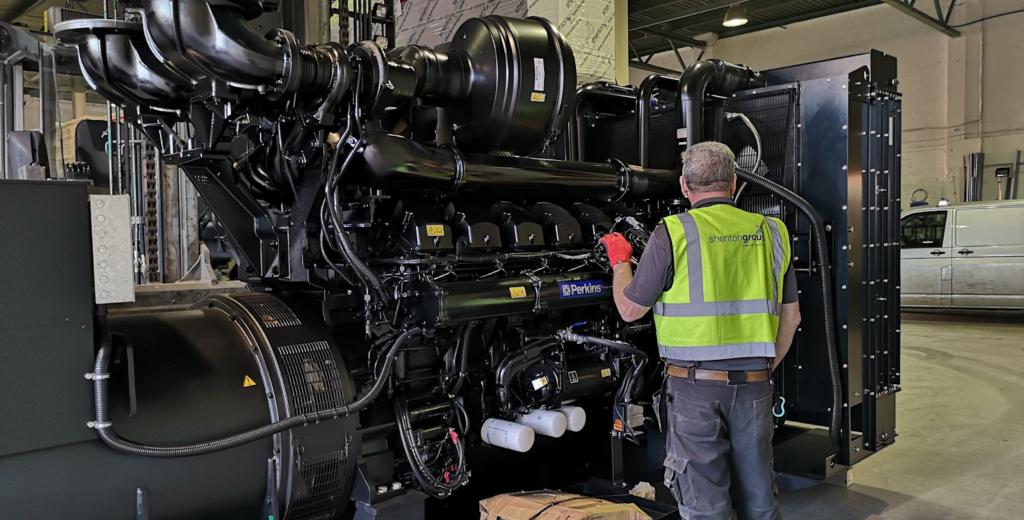
The most common generator failure is battery malfunction, which accounts for a large percentage of emergency startup issues across standby power systems. Because generators often remain idle for extended periods, batteries can gradually lose charge capacity without visible warning signs. Environmental factors such as temperature fluctuations, corrosion, or aging components further accelerate deterioration. Implementing routine inspections and scheduled replacement cycles helps organizations maintain reliable startup performance during unexpected outages, ensuring the generator activates immediately when power loss occurs.
Fuel-related problems are another frequent concern affecting operational reliability. Contaminated fuel, clogged filters, moisture buildup, or inconsistent pressure levels can disrupt combustion efficiency and prevent engines from running smoothly. These issues typically develop over time rather than appearing suddenly, making early detection essential. Regular fuel quality checks, filter replacements, and system testing play a key role in maintaining consistent fuel delivery and efficient engine operation, particularly in commercial backup power environments where reliability is critical.
Operator oversight also contributes significantly to generator failures in many facilities. Skipped inspections, irregular load testing, or delayed servicing allow minor mechanical or electrical faults to grow into major operational problems. Without structured maintenance schedules, essential components such as belts, sensors, and cooling systems may degrade unnoticed. Organizations that implement preventive servicing strategies benefit from proactive fault detection and reduced operational risk, resulting in fewer unexpected breakdowns and improved long-term equipment performance.
Practical Maintenance Planning for Commercial Backup Power
Proper generator maintenance involves more than occasional inspections; it requires a structured service routine covering mechanical, electrical, and fuel system components. Industrial generators operate under demanding conditions, and consistent upkeep ensures reliability, efficiency, and long service life. Understanding the essential maintenance tasks helps facility managers prevent failures before they disrupt operations.
Engine and Lubrication System Maintenance
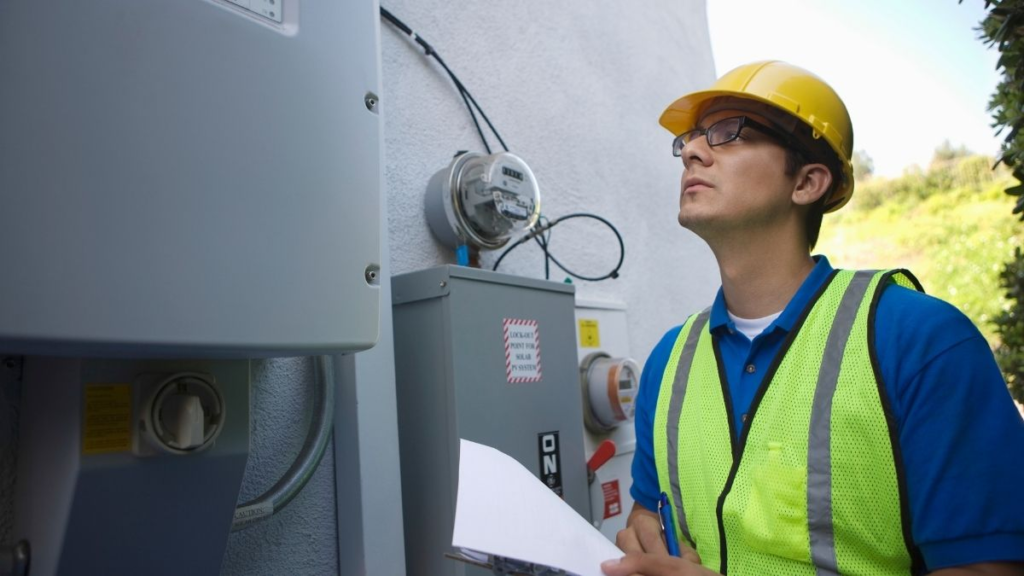
The engine is the heart of any generator, making oil inspection and replacement one of the most critical maintenance activities. Over time, engine oil degrades due to heat and contamination, reducing lubrication efficiency and increasing internal wear. Regular oil changes, filter replacements, and monitoring oil pressure levels help maintain smooth engine performance.
Cooling systems must also be inspected alongside lubrication checks, including coolant levels, radiator cleanliness, and hose condition. Overheating remains a major cause of generator shutdowns, especially in high-load industrial environments. Preventive servicing ensures stable operating temperatures and protects internal components from premature damage.
Fuel System Inspection and Management
A clean and reliable fuel system directly impacts generator efficiency. Fuel contamination from moisture, dirt, or microbial growth can block injectors and reduce combustion quality, leading to starting issues and unstable power output. Routine inspection of fuel lines, filters, and storage tanks prevents these problems from escalating.
For standby generators, fuel degradation during long storage periods is a common concern. Regular fuel polishing, stabilizer use, and periodic engine runs help maintain fuel quality and readiness. Proper fuel management ensures generators start instantly when power outages occur.
Electrical System and Battery Maintenance
Electrical components require consistent monitoring to guarantee dependable startup performance. Battery failure is one of the leading causes of generator malfunction, making voltage testing and terminal cleaning essential maintenance steps. Charging systems should also be checked to confirm batteries remain fully operational.
Additionally, control panels, wiring connections, and automatic transfer switches must be inspected regularly. Loose connections or worn insulation can cause voltage fluctuations or system faults. Scheduled electrical testing verifies that all protective systems function correctly during emergencies.
Safety and Operational Benefits of Preventive Maintenance
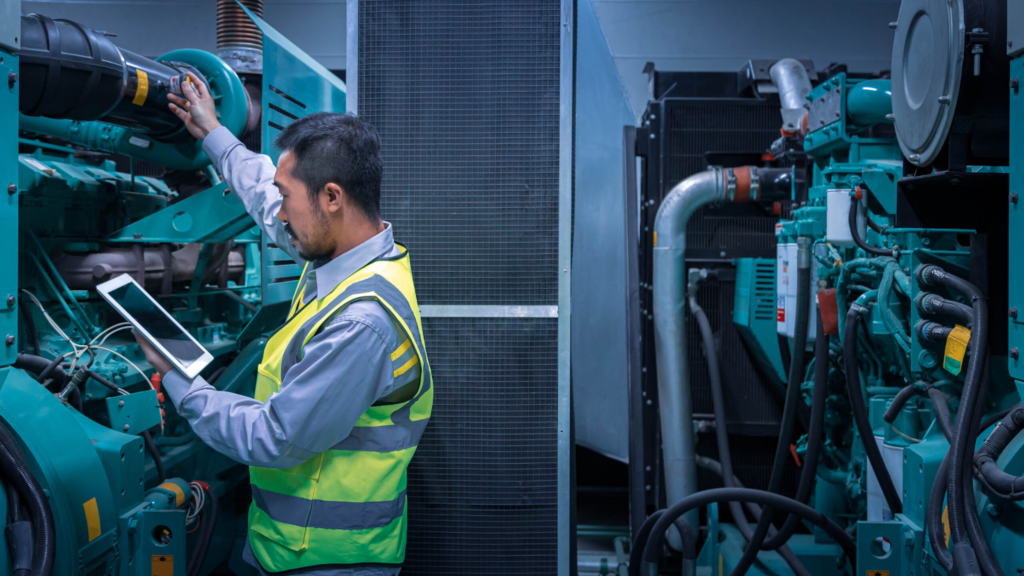
Preventive servicing plays a vital role in extending equipment lifespan and protecting long-term generator performance. Regular inspections reduce mechanical wear by ensuring lubrication systems, cooling components, and electrical parts operate within safe limits. When maintenance is performed consistently, generators experience fewer internal failures, allowing businesses to maximize their investment and delay costly replacements.
Another major advantage is improved operational safety for facilities and personnel. Faulty wiring, overheating engines, or fuel system leaks can create hazardous conditions if left unchecked. Preventive maintenance identifies potential risks early, ensuring generators operate safely during both routine testing and emergency power situations.
Maintenance planning also supports regulatory compliance and industry safety standards. Many industrial environments require documented service schedules to meet operational regulations and insurance requirements. Maintaining accurate service records demonstrates responsible equipment management while helping organizations avoid compliance-related penalties or operational interruptions.
From a financial perspective, preventive care significantly reduces downtime costs and unexpected repair expenses. Emergency failures often halt production, disrupt services, and require urgent repairs at higher costs. Scheduled maintenance minimizes these risks by addressing small issues before they escalate into major breakdowns.
Finally, consistent servicing ensures stable performance and reliable power output under varying load conditions. Well-maintained generators deliver smoother voltage regulation, improved fuel efficiency, and dependable startup performance, making preventive maintenance essential for uninterrupted industrial operations.
Reliable Power Starts With Proper Maintenance – Connect With ALEO Today!
Reliable electricity depends not only on generator capacity but on consistent, well-planned generator maintenance practices. Routine inspections, scheduled servicing, and proactive component checks help businesses maintain operational readiness while preventing costly downtime during critical power events.
At ALEO, our generator solutions are designed to support long-term reliability, efficiency, and uninterrupted performance for industrial applications. Each unit carries UL certification from the USA, ensuring compliance with international safety and performance standards. With direct shipment from the United States, customers benefit from dependable delivery timelines aligned with project requirements.
Our team further supports clients through on-site installation and debugging services, ensuring seamless system integration and optimal performance from day one. Backed by a 1-year warranty, ALEO generator sets provide confidence and operational security for demanding environments.
Visit our website and connect with us to get high-quality equipment with structured maintenance planning. Businesses can achieve stable power supply, improved uptime, and long-term operational success in today’s energy-dependent industries.