Rising energy costs have made businesses and property owners rethink how they approach backup power. What once seemed like a simple emergency solution has now become a long-term operational decision, especially when calculating the true running cost over extended outages. Whether it is a commercial facility or a large residential setup, understanding how much it costs to operate backup systems for 24 hours is no longer optional; it is essential for financial planning.
Many people assume that once a system is installed, the major expense is over. In reality, fuel consumption, load demand, and runtime efficiency determine the actual cost of ownership. A unit running at partial load behaves very differently from one operating at full capacity, and these variations significantly impact daily fuel expenses. This is why evaluating operational cost factors is just as important as selecting the right equipment.
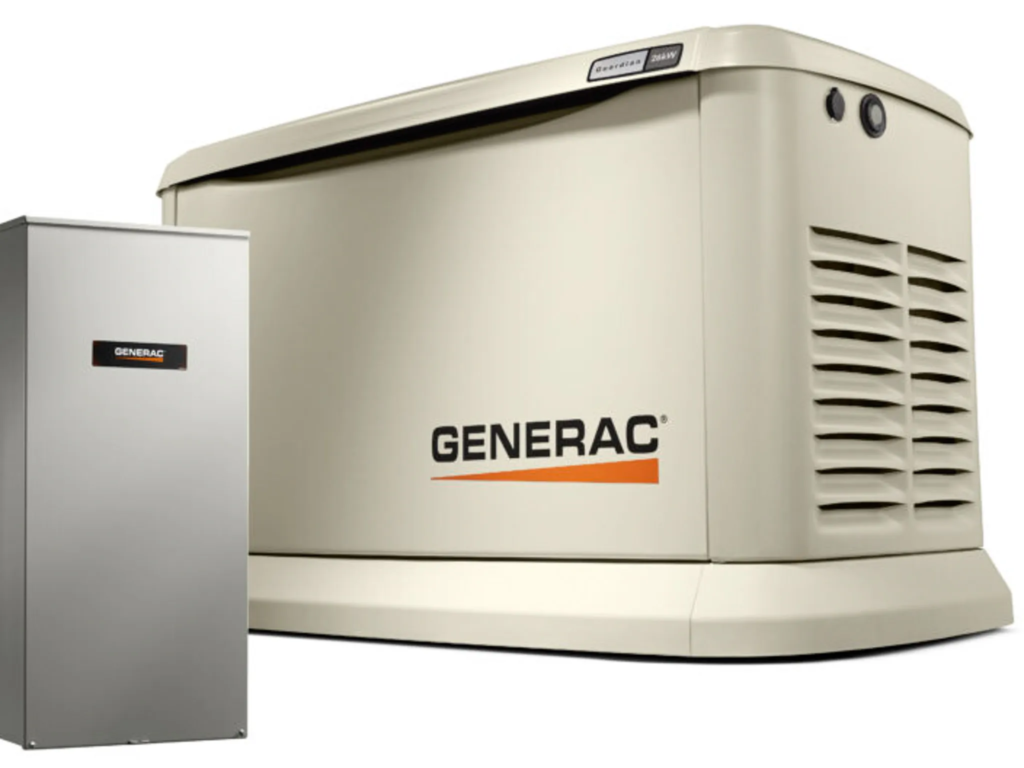
Generac systems are widely recognized for their reliability, but cost efficiency depends heavily on how they are used. Fuel type plays a major role; whether natural gas, propane, or diesel, each comes with different pricing structures and consumption patterns. These differences become even more important when calculating expenses over a full 24-hour cycle, especially for users relying on standby power solutions during extended outages.
Another key consideration is usage context. Running backup systems occasionally during short outages is very different from operating them continuously for an entire day. Continuous operation introduces variables such as fuel refill logistics, engine efficiency under sustained load, and environmental conditions. These factors collectively influence long-term cost planning and determine whether a system remains economically viable.
This guide breaks down the real cost of running a Generac system for 24 hours, including fuel consumption estimates, runtime calculations, and practical scenarios. By understanding these cost drivers, businesses and facility managers can make informed decisions and optimize their standby power solutions for both performance and efficiency.
What Determines the Cost of Running a Generator for 24 Hours?
The total cost of operating a backup system for 24 hours depends on several interconnected factors rather than a single fixed value. One of the most important elements is the fuel type and pricing structure in your region. Natural gas, propane, and diesel all have different cost-per-unit values, and even small price variations can significantly affect daily operating expenses when the system runs continuously for long durations. These differences directly influence how businesses evaluate stand-by power solutions for long-term use.
Another major factor is the load percentage at which the system operates. A unit running at 30 percent load will consume far less fuel than one operating near full capacity. However, efficiency is not always linear, and many systems perform best within an optimal load range. Operating outside this range can increase fuel consumption per kilowatt, leading to higher daily costs even if power demand remains stable.
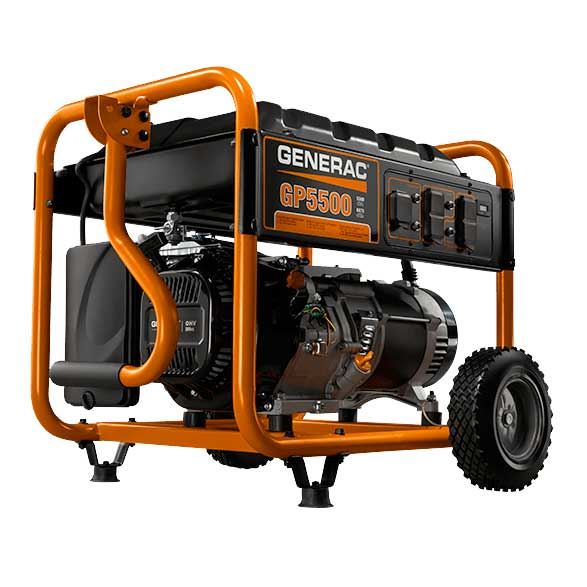
Engine efficiency and system design also play a key role. Modern backup systems are engineered to adjust fuel usage based on demand, but older or poorly maintained units may consume more fuel for the same output. This variation becomes more noticeable during continuous operation, where small inefficiencies accumulate over 24 hours and increase overall operating expenses.
Environmental conditions such as temperature and altitude can also influence fuel consumption. In hotter climates, cooling systems work harder, while high-altitude locations may reduce engine efficiency. These external factors must be considered when estimating real-world costs for stand-by power solutions, especially in critical commercial environments.
Ultimately, the cost of running a system for 24 hours is a combination of fuel pricing, load demand, engine efficiency, and environmental conditions, all working together to determine the final operational expense.
How Much Does a Generator Cost to Run Per Day?
The daily operating cost of a backup system varies widely depending on its capacity, fuel type, and the load it supports throughout the day. For most commercial and residential applications, costs are not fixed and must be calculated based on actual consumption patterns rather than estimated averages. This is especially important when evaluating long-term standby power solutions for continuous or emergency use.
At lower load levels, daily costs remain relatively moderate because fuel consumption is reduced. However, as demand increases and more equipment is connected, fuel usage rises significantly. Systems operating near full capacity can consume several times more fuel than lightly loaded units, which directly increases the cost of running the system for a full 24-hour period.
Fuel type is another major cost driver. Natural gas generally offers more stable pricing and is often more economical in areas with established supply infrastructure. Propane and diesel, on the other hand, can fluctuate in price depending on market conditions and storage logistics. These variations make it essential to evaluate fuel availability and cost stability when planning standby power solutions for daily or emergency operation.
Maintenance condition also impacts the daily running cost. A well-maintained system operates more efficiently, consuming less fuel for the same output. In contrast, systems with clogged filters, worn components, or poor tuning may require more fuel to deliver the same performance, increasing daily expenses over time.
In real-world scenarios, daily operating costs can range from moderate to high depending on usage intensity. Businesses must therefore consider not just fuel price, but also load behavior and system efficiency when estimating the true cost of running backup power for 24 hours.
Key Factors That Affect Generator Running Cost Over 24 Hours
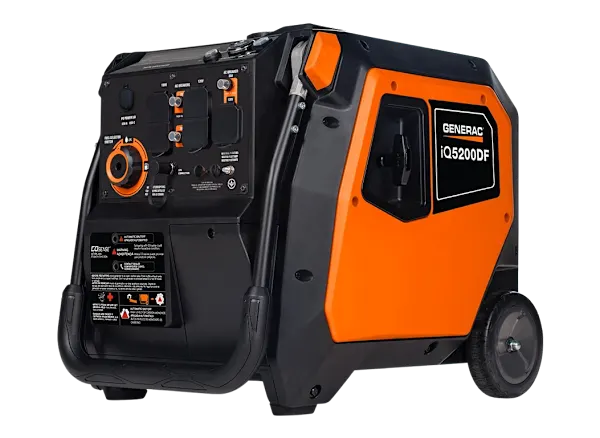
The total cost of operating a backup system for 24 hours is determined by a combination of technical performance, fuel behavior, and real-world usage conditions. Understanding these factors helps businesses and property owners make more accurate cost estimates while optimizing long-term standby power solutions for efficiency and reliability.
Fuel Consumption Rate
Fuel consumption is the most direct cost driver during continuous operation. Every system consumes fuel based on its load and efficiency curve. Higher loads naturally increase consumption, while partial loads reduce it, although not always proportionally. This makes fuel consumption rate a critical factor in estimating daily operating expenses and managing standby power solutions effectively in both commercial and residential settings.
Load Percentage Impact
The percentage of load placed on the system significantly influences fuel usage. Running at 50 percent load is often more efficient than constant full-load operation, but efficiency can drop if the system is underloaded for extended periods. Proper load balancing ensures stable performance and supports optimized energy utilization efficiency across a full 24-hour cycle.
Fuel Type Comparison
Different fuels behave differently in terms of cost and efficiency. Natural gas is often more stable in pricing, propane offers portability, and diesel provides high energy density. Each option impacts long-term operational planning and must be evaluated based on availability, infrastructure, and cost stability when designing standby power solutions for continuous use.
Engine Efficiency and Design
Modern systems are engineered to adjust fuel intake based on demand, improving efficiency under varying loads. However, older or poorly maintained systems may consume more fuel for the same output. Engine design, maintenance condition, and load response all contribute to overall operational efficiency during extended runtime.
Runtime vs Operating Pattern
Continuous operation for 24 hours differs significantly from intermittent use. Systems running non-stop require stable cooling, consistent fuel delivery, and optimized load management. Poor operating patterns can increase fuel consumption and reduce efficiency, directly impacting long-duration performance stability.
How Much Does It Cost to Run a 22kW Generac Generator on Natural Gas?
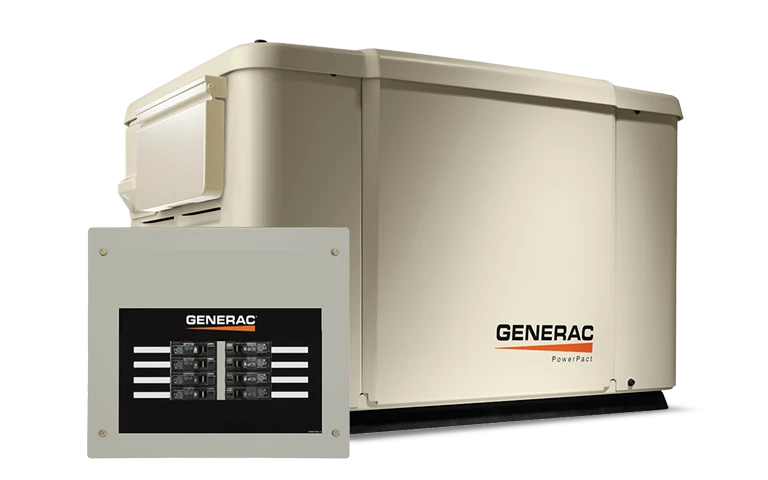
A 22kW system running on natural gas is often considered one of the more cost-efficient configurations for long-duration backup operation, especially in areas with stable gas infrastructure. However, the actual cost of running it for 24 hours depends heavily on load percentage, local gas pricing, and system efficiency. These variables play a major role in evaluating standby power solutions for both commercial and residential applications.
On average, a 22kW unit consumes a specific volume of natural gas per hour, depending on whether it is operating at partial load or near full capacity. At lower loads, consumption remains moderate, while at higher loads, fuel usage increases significantly. Over a full 24-hour cycle, these differences can lead to noticeable variations in total operating cost, making load management an essential factor in cost control.
Natural gas pricing is typically measured per unit of energy, and regional price differences can significantly affect daily expenses. Areas with stable supply networks often experience lower and more predictable costs, making natural gas a preferred option for long-duration stand-by power solutions. In contrast, regions with fluctuating gas rates may experience higher variability in operational expenses.
System efficiency also plays a crucial role. Well-maintained units with optimized engines consume less fuel for the same output, reducing overall daily costs. Poor maintenance or inefficient load distribution can increase consumption, making the system more expensive to operate over time.
When all factors are combined, a 22kW system running on natural gas typically offers a balanced mix of reliability and cost efficiency, especially for users seeking consistent standby power solutions for extended power backup scenarios.
How Long Will a 250 Gallon Propane Tank Run on Generac Generators?
A 250-gallon propane tank provides a limited but useful backup window for a 22kW system, but actual runtime depends heavily on load level and operating efficiency. At moderate load conditions, a 22kW system typically consumes propane at a steady rate that allows several hours of continuous operation before the tank is depleted. This makes it suitable for short-duration outages rather than long-term backup scenarios in commercial environments relying on standby power solutions.
Runtime calculation is based on fuel consumption per hour, which increases as electrical load rises. At lower loads, the system consumes less propane, extending runtime, while higher loads reduce available operating hours significantly. In real-world conditions, variations in HVAC usage, motor startup frequency, and ambient temperature can also impact total fuel efficiency and reduce predictable runtime performance.
It is also important to consider that propane systems do not operate at perfectly constant efficiency. Pressure changes, maintenance conditions, and load fluctuations create real-world variability in consumption. Because of this, users should always treat runtime estimates as approximate rather than fixed values when planning standby power solutions for critical applications.
How Long Will a 500 Gallon Propane Tank Run a 22kW Generator?
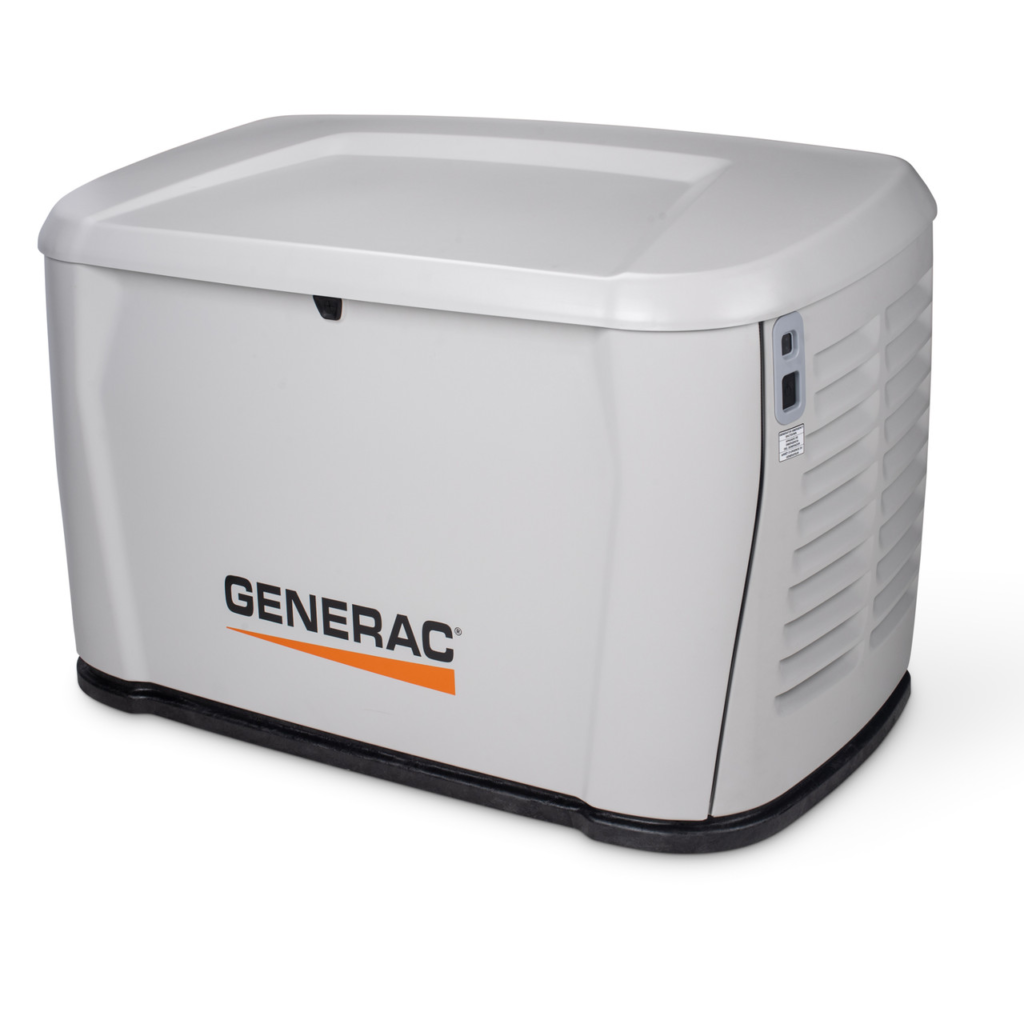
A 500-gallon propane tank offers significantly longer runtime compared to a 250-gallon system, making it more suitable for extended backup power scenarios. Under moderate load conditions, it can support continuous operation for multiple days depending on consumption levels and system efficiency. This makes it a preferred option for facilities that require reliable standby power solutions during prolonged outages or unstable grid conditions.
Extended runtime is especially valuable for commercial buildings where downtime can affect operations, productivity, and safety systems. With a larger fuel reserve, businesses can reduce refueling frequency and maintain uninterrupted power for critical systems such as HVAC, lighting, and security infrastructure.
In practical applications, 500-gallon tanks are commonly used in commercial and semi-industrial environments where outages may last longer or where refueling access is limited. They provide better operational flexibility and allow more stable load management strategies during extended use.
| Tank Size | Runtime (Approx) | Load Condition |
| 250 Gallon | Short duration (hours to ~1 day) | Medium to high load |
| 500 Gallon | Extended duration (1–3+ days) | Medium load |
| 500 Gallon | Longer runtime | Low load conditions |
Comparing Fuel Options for Standby Power Systems
Choosing the right fuel type is one of the most important decisions when evaluating stand-by power solutions, because fuel directly impacts operating cost, runtime efficiency, and long-term reliability. Each fuel option behaves differently under continuous load, and understanding these differences helps businesses and property owners make more informed decisions for backup power planning.
Natural gas is often considered the most convenient option where infrastructure is available. It provides a continuous fuel supply without the need for on-site storage, which eliminates refueling concerns during extended outages. In terms of cost stability, it is generally more predictable, making it suitable for long-duration standby power solutions in urban and commercial environments. However, its dependency on pipeline infrastructure can be a limitation in remote areas.
Propane offers greater flexibility because it is stored on-site in tanks, allowing users to operate independently of external fuel networks. It performs well in colder climates and provides reliable combustion efficiency. However, storage capacity limits runtime, meaning larger tanks are required for extended operation. This makes propane a practical option for businesses that require scalable standby power solutions with controlled fuel reserves.
Diesel is widely used in industrial environments due to its high energy density and strong load-handling capability. It is particularly effective for heavy-duty applications where consistent performance and high power output are required. While diesel systems may have higher emissions compared to gas-based fuels, they remain a preferred choice for demanding standby power solutions where reliability is critical.
Smart Planning for Long-Term Power Efficiency – Connect With ALEO Today!
At ALEO, our industrial generator solutions are engineered to provide long-term reliability and uninterrupted performance for demanding applications. Each unit carries UL certification from the USA, ensuring compliance with international safety and performance standards and giving buyers confidence in overall quality and durability.
Direct shipment from the United States ensures reliable delivery timelines, allowing businesses to maintain project schedules and deploy systems without unnecessary delays.
Our team provides on-site installation support, ensuring proper setup and performance optimization from the very beginning. Combined with a 1-year warranty, this ensures operational confidence, reduced downtime, and long-term stability in critical environments.
Visit our website and connect with us today to access high-quality industrial systems, structured maintenance planning, and expert support.