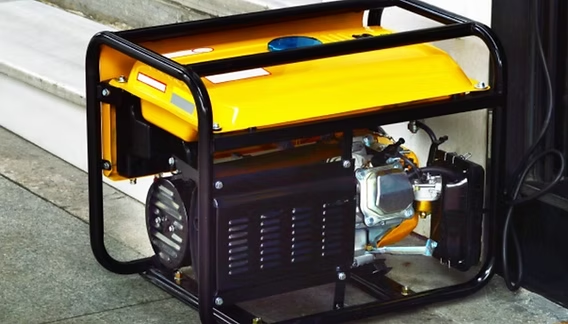
Power outages can create serious operational challenges for industrial facilities, commercial buildings, construction sites, and even residential properties. Choosing the wrong generator capacity often leads to overloaded systems, unstable power output, equipment shutdowns, and rising operational costs. Reliable backup power has become essential for maintaining productivity, protecting sensitive equipment, and ensuring business continuity during unexpected disruptions.
Many businesses assume that larger generators automatically provide better performance, but generator sizing requires a far more strategic approach. An oversized unit may consume excessive fuel and operate inefficiently, while an undersized system may fail to handle startup loads and continuous operational demand. Proper generator sizing helps organisations balance efficiency, runtime, maintenance, and long-term operational reliability.
When evaluating what size generator do I need, several factors must be considered, including running wattage, startup surge requirements, load prioritisation, runtime expectations, and future expansion plans. Industrial environments especially require accurate load calculations because production machinery, HVAC systems, compressors, and critical infrastructure often operate under fluctuating power demands. Operational load planning plays a critical role in selecting the right generator solution.
A properly sized generator improves energy efficiency, minimises equipment stress, and supports uninterrupted operations during emergencies or planned downtime. Whether the application involves residential backup power or large-scale industrial operations, understanding generator capacity requirements is essential for long-term performance and cost control. Long-term system reliability depends heavily on accurate generator selection and professional power planning.
In this article, we will discuss how generator sizing works, the factors that influence capacity requirements, load calculation methods, industrial considerations, and how to determine the ideal generator size for different applications.
Why Generator Size Matters
Selecting the correct generator size directly impacts operational stability, fuel efficiency, and equipment protection. A generator that cannot support the required electrical load may experience overload conditions, voltage fluctuations, and repeated shutdowns during operation. Stable power delivery is essential for maintaining productivity in industrial and commercial environments.
Undersized generators often struggle to manage startup surges from motors, compressors, HVAC systems, and heavy-duty machinery. These temporary spikes in power demand can place excessive stress on both the generator and connected equipment. Over time, this may lead to overheating, reduced equipment lifespan, and costly maintenance issues. Equipment protection planning helps reduce long-term operational risks.
Oversized generators can also create efficiency problems. Running a generator at very low load levels for extended periods may increase fuel consumption, carbon buildup, and unnecessary maintenance requirements. Industrial facilities aiming to optimise operational costs typically focus on selecting generators that operate within an efficient load range. Efficient load management improves overall system performance and operational sustainability.
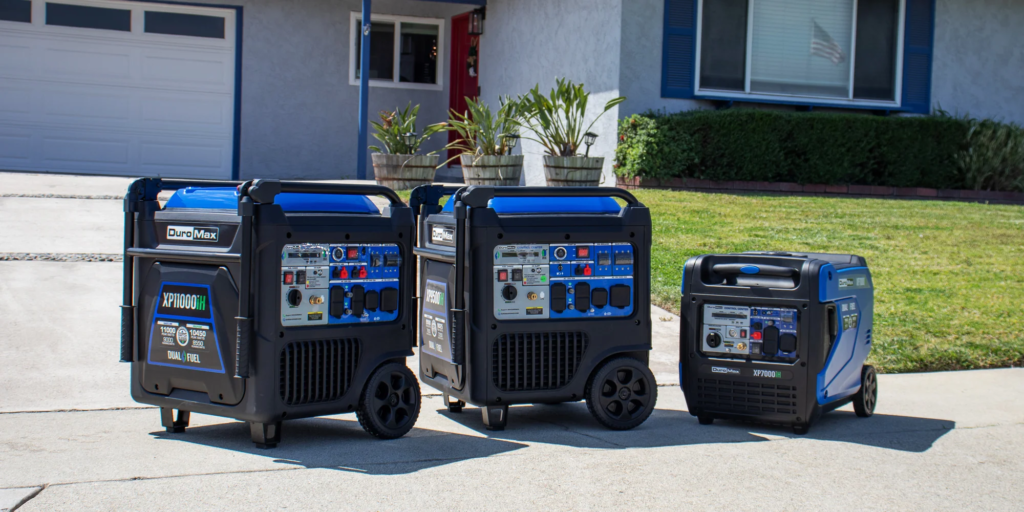
Proper generator sizing also supports long-term scalability and emergency preparedness. Businesses often expand operations, add equipment, or increase production capacity over time. Selecting a generator with appropriate reserve capacity helps accommodate future growth without requiring immediate system replacement. Future-ready power solutions provide greater operational flexibility and reliability.
In critical industries such as healthcare, manufacturing, telecommunications, and construction, reliable backup power is directly connected to safety and operational continuity. Even short interruptions can result in production losses, equipment damage, or data system failures. Continuous operational reliability remains one of the most important reasons for accurate generator sizing.
Understanding Generator Power Requirements
Before selecting a generator size, it is important to understand how electrical demand is measured and how different types of loads behave during operation. Generators are not sized on a single number alone, but on a combination of running load, startup demand, and system configuration. Accurate power interpretation is essential for correct sizing decisions.
Industrial and commercial environments often include mixed electrical systems, where some equipment runs continuously while others operate intermittently or in cycles. This variation makes it necessary to analyse both steady-state and peak power conditions before finalising generator capacity. Load behaviour analysis helps avoid under-sizing or oversizing issues.
What Is Running Wattage?
Running wattage refers to the continuous power required to keep equipment operating after it has started. This includes lighting systems, office equipment, production machinery, and HVAC units operating under normal conditions. Continuous power demand forms the baseline for generator sizing.
Understanding running wattage is critical because it represents the actual energy consumption during normal operation. Adding up all running loads gives a clear picture of the minimum generator capacity required for stable performance. Baseline load calculation ensures operational consistency.
What Is Starting Wattage?
Starting wattage is the extra power required to start electrical equipment, especially motors, pumps, and compressors. This surge can be two to three times higher than running wattage and lasts only a few seconds. High startup demand is a key factor in generator selection.
If starting wattage is not considered, generators may fail to start heavy equipment or may experience voltage drops during startup. This can lead to system instability and equipment stress. Surge load management prevents operational interruptions and protects electrical components.
How to Calculate What Size Generator You Need
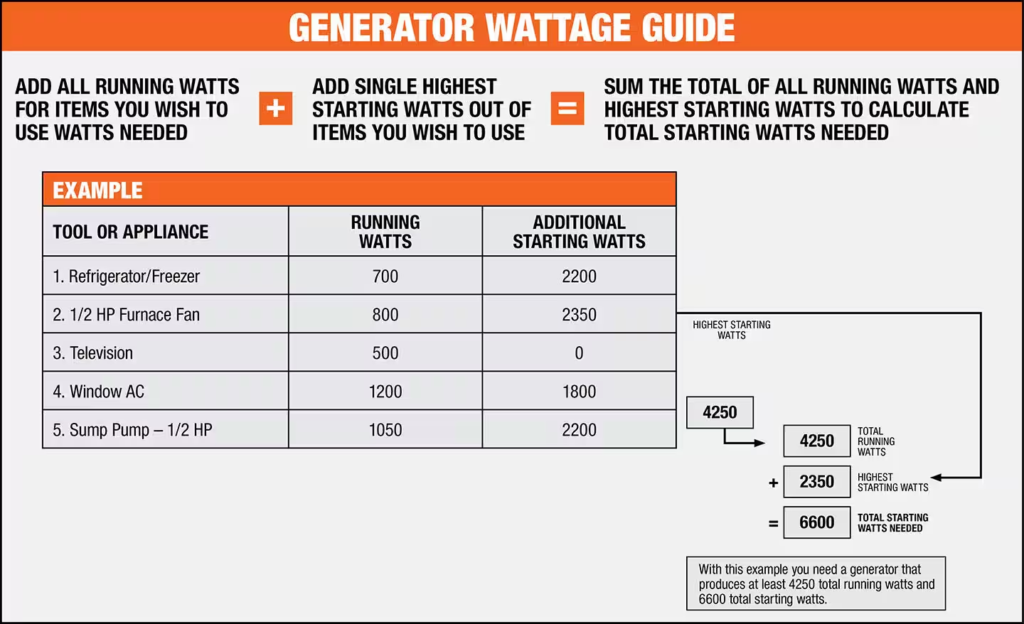
This section is the technical backbone of generator sizing because it converts real electrical demand into an accurate capacity requirement. A mistake here leads to either overload failures or unnecessary oversizing, both of which increase operational cost and reduce efficiency. Correct load evaluation ensures stable and long-term power performance.
Industrial and commercial environments rarely operate on fixed loads. Machines cycle on and off, motors create surge demands, and production levels fluctuate throughout the day. Real operational variation must always be included in generator planning.
Listing All Equipment
The first step is identifying every electrical device that will require backup power during an outage. This includes lighting systems, HVAC units, industrial motors, compressors, pumps, office equipment, and safety systems. Each load must be written with its rated wattage or kilowatt value. This step is critical because missing even one major machine can lead to undersized generator selection. Industrial setups should also consider auxiliary systems like control panels and communication devices. Complete load identification ensures the generator is designed around real operational needs, not assumptions, which improves both reliability and system safety.
Calculating Running Load
Running load is the total continuous power required to keep all selected equipment operating after startup. It is calculated by adding the wattage of all devices that may run simultaneously during normal operation. This gives the baseline generator capacity requirement. In industrial environments, this step must account for production schedules, peak hours, and simultaneous machine usage. For three-phase systems, voltage and power factor also play an important role in accuracy. Baseline load calculation ensures the generator can sustain operations without interruption, forming the foundation for all further sizing decisions.
Adding Startup Loads
Many industrial machines require significantly higher power during startup compared to normal operation. Motors, compressors, and pumps can draw two to three times their running wattage for a few seconds. This surge demand must be included in generator sizing to prevent voltage drops or system shutdowns. In facilities with multiple machines, startup timing must also be considered because overlapping surges increase total demand. Ignoring this factor is one of the most common sizing mistakes. Surge demand control ensures the generator can handle real-world operational stress without performance instability or equipment damage.
Prioritising Critical Loads
Not all equipment requires backup power at the same time, especially in commercial and industrial environments. Critical systems such as safety equipment, production lines, refrigeration, or IT infrastructure should be prioritised over non-essential loads like secondary lighting or auxiliary machines. This prioritisation helps reduce overall generator size while maintaining essential functionality during outages. It also allows businesses to design load-shedding strategies for better efficiency. Load prioritisation planning ensures that essential operations continue smoothly even under limited power conditions, improving both cost efficiency and operational control during emergencies.
Applying Safety Margin
After calculating total running and surge loads, a safety margin must be added to ensure reliable operation under unpredictable conditions. Industry practice usually recommends adding 20% to 30% extra capacity. This buffer accounts for sudden load increases, future equipment additions, and minor calculation variations. Without this margin, generators may consistently operate at maximum capacity, reducing lifespan and efficiency. It also increases the risk of overload during peak demand. Capacity buffer planning ensures stable long-term performance, reduces mechanical stress, and provides operational flexibility for future expansion.
Considering Runtime Needs
Generator sizing is not only about power output but also about how long the system must run during an outage. Longer runtime requirements demand careful consideration of fuel capacity, load management, and efficiency levels. Industrial facilities that require continuous operation may need larger fuel tanks or more efficient generator systems to maintain stability. Load balancing also plays a key role in extending the runtime. Extended operation planning ensures that the generator can support critical systems for the required duration without performance drops or excessive fuel consumption.
Fuel Efficiency Factor
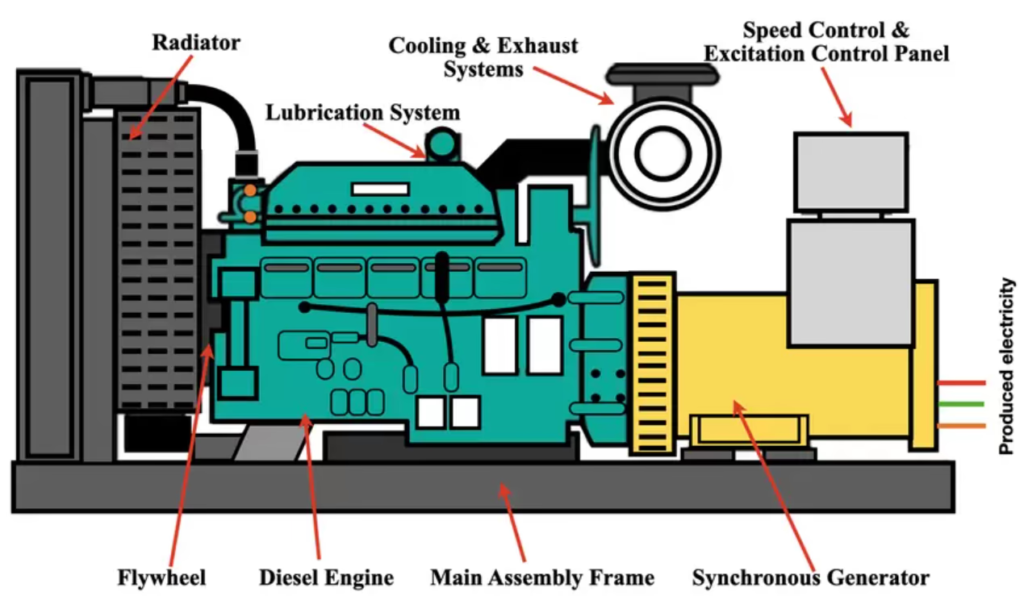
Different generators consume fuel at different rates depending on load percentage, engine type, and efficiency design. Diesel generators are commonly preferred for industrial use due to better fuel efficiency and durability under heavy loads. However, actual consumption depends on how close the generator operates to its optimal load range. Underloading or overloading both reduce efficiency. Proper sizing ensures balanced fuel usage and lower operational costs over time. Fuel efficiency optimisation helps businesses reduce long-term expenses while maintaining reliable and consistent power output in demanding environments.
Future Expansion Allowance
Industrial and commercial operations often expand over time by adding new machinery, production lines, or support systems. If the generator is sized only for current needs, it may quickly become insufficient. Including future expansion capacity prevents early replacement costs and system redesign. This foresight is especially important for growing businesses or construction-based operations. Planning ahead also ensures smoother scalability without disrupting ongoing operations. Scalability planning strategy provides long-term flexibility, reduces capital expenditure risks, and ensures the power system grows alongside operational demand.
Generator Size Recommendations by Application
Choosing the right generator size is highly dependent on where and how it will be used. Different environments have completely different load behaviours, startup demands, and runtime expectations, which directly affect sizing decisions. A residential setup cannot be treated the same as an industrial facility. Application-based sizing ensures practical and cost-effective generator selection.
Understanding real-world usage patterns is essential because generators are not just sized for total wattage but also for operational stability under specific conditions. Load environment behaviour plays a major role in determining final capacity requirements.
Residential Backup Power
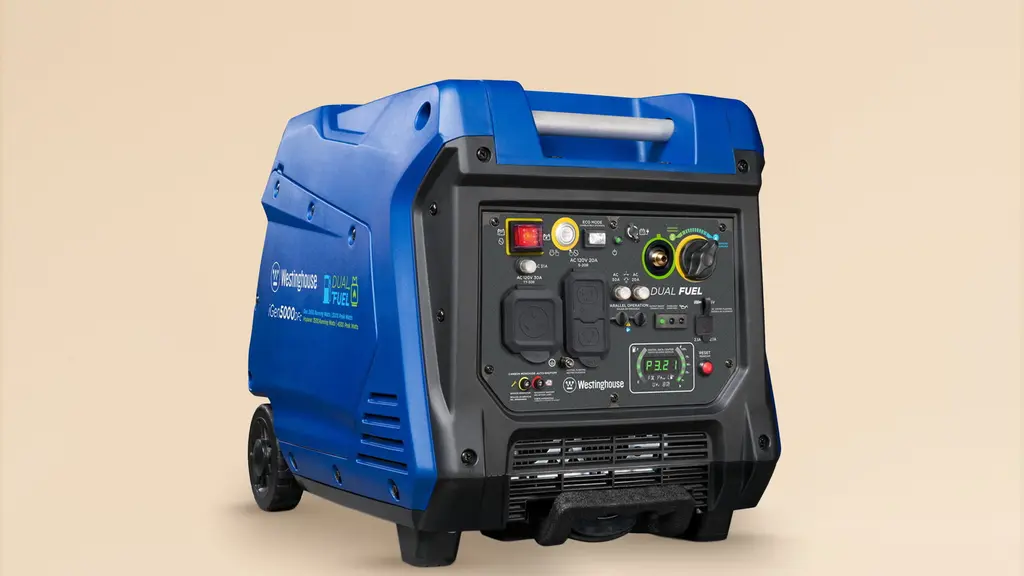
Residential generators are typically used to support essential household systems during outages, such as lighting, refrigerators, fans, water pumps, and sometimes air conditioning. The load is usually moderate, but startup surges from appliances like refrigerators and AC units must still be considered. Most homes rely on smaller portable or standby generators, depending on usage needs. Proper prioritisation of essential circuits helps reduce required capacity. Home load balancing ensures comfort and safety during power interruptions without overspending on oversized systems or unnecessary fuel consumption.
Small Commercial Buildings
Small commercial spaces such as offices, retail stores, and clinics require more consistent and reliable backup power compared to residential setups. These environments often run lighting, computers, security systems, and HVAC units simultaneously. Even short downtime can impact business operations and customer experience. Generator sizing must account for both continuous load and peak demand during working hours. Efficiency and fuel consumption also become important considerations. Commercial continuity planning ensures uninterrupted operations and protects revenue-generating activities during unexpected power failures or grid instability.
Construction Sites
Construction sites require portable yet powerful generators capable of handling heavy-duty tools such as concrete mixers, welding machines, compressors, and power tools. These loads often fluctuate throughout the day, and multiple tools may start simultaneously. Durability and mobility are also key factors in selection. Generators must handle frequent load changes without instability or performance drops. Rugged operating conditions like dust and outdoor exposure also influence generator choice. Rugged power delivery ensures continuous site productivity and reduces downtime in demanding construction environments.
Industrial Manufacturing Facilities
Industrial facilities require large-capacity generators capable of supporting production lines, motors, pumps, compressors, automation systems, and critical safety infrastructure. Load demand is often high and continuous, with frequent motor startups and variable production cycles. Even minor power disruptions can result in production losses or equipment damage. Therefore, redundancy, efficiency, and load stability are essential. Advanced systems may also include load-sharing or synchronisation features. Industrial-grade reliability ensures uninterrupted manufacturing operations and protects high-value production assets from unexpected downtime.
Data Centres and Critical Infrastructure
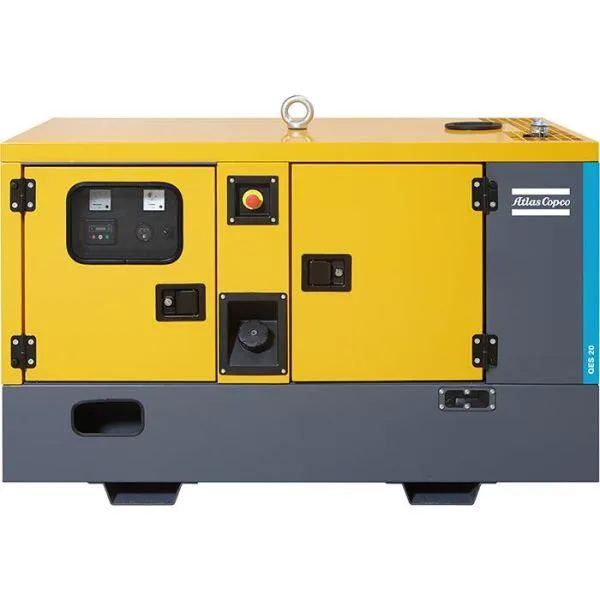
Data centres, hospitals, and telecom systems require extremely stable and uninterrupted power due to their sensitive operations. Even a brief outage can lead to data loss, system failure, or critical service disruption. These environments require generators with fast response time, high reliability, and precise load control. Mission-critical power assurance guarantees continuous uptime and protects essential digital and life-support systems.
Get Properly-Sized Power Generation Solutions – Connect With ALEO Today!
Selecting the correct generator size is not just a technical decision but a long-term operational requirement that directly affects efficiency, reliability, and cost control. A properly sized generator ensures stable performance during outages, protects critical equipment, and supports uninterrupted industrial, commercial, and residential operations. An accurate sizing strategy plays a key role in avoiding overload issues and unnecessary fuel consumption.
At ALEO, we provide high-performance generator solutions designed for demanding applications. Our systems come with UL certification from the USA, direct USA shipment, on-site installation and debugging support, and a 1-year warranty for dependable operation. Trusted industrial solutions ensure long-term performance and peace of mind.
For reliable and efficient power backup solutions tailored to your requirements, visit our website and connect with us to ensure your operations stay protected under all conditions.