A few seconds of downtime can now cost more than the entire annual power budget of smaller facilities, and that reality is forcing operators to rethink how electricity is planned, stored, and delivered inside modern data centers. Downtime costs are no longer theoretical risks; they translate directly into lost transactions, disrupted cloud services, and damaged client trust. As workloads grow heavier and digital dependence deepens, power infrastructure has quietly become the most critical layer of data center strategy.
At the same time, operators are dealing with rising energy prices, unpredictable grid stability, and increasing pressure to meet environmental targets without sacrificing performance. Energy uncertainty makes traditional backup planning feel outdated, especially when high-density computing and AI clusters demand uninterrupted, high-capacity power around the clock. What worked even five years ago now struggles to keep pace with scaling requirements.
This shift is pushing the industry toward smarter, more flexible power ecosystems that combine reliability with efficiency rather than treating them as trade-offs. Power evolution is reshaping how facilities approach generators, storage systems, and hybrid energy models, turning backup infrastructure into a long-term operational asset instead of an emergency solution. In this article, we explore five data center power solutions gaining serious attention in 2026 and why they are becoming central to future-ready infrastructure planning.
Why Data Center Power Strategy Is Changing in 2026?
For years, power planning in data centers followed a predictable formula: calculate load, install backup generators, and expand capacity when demand increased. That approach is now being challenged because computing growth is no longer gradual. Workload intensity has surged with AI processing, real-time analytics, and hyperscale cloud operations pushing rack densities far beyond what traditional electrical planning anticipated. Facilities that once operated comfortably within margins are now redesigning power architecture just to maintain stability.
Another major shift comes from the business expectation of continuous availability. Companies no longer view uptime as a technical benchmark; it has become a contractual obligation tied directly to revenue and reputation. Zero-downtime pressure means even minor power interruptions can trigger cascading failures across global services. Operators are therefore prioritizing redundancy models and faster-response backup systems instead of relying solely on conventional standby solutions.
Energy economics are also reshaping decision-making. Electricity prices fluctuate more frequently, while sustainability commitments require operators to reduce emissions without compromising reliability. Operational efficiency is no longer about saving fuel alone; it involves smarter distribution, optimized load balancing, and systems capable of adapting to changing energy conditions in real time. This combination of financial and environmental pressure is accelerating investment in diversified power solutions.
At the same time, grid reliability varies significantly across regions, making external power supply less predictable than before. Extreme weather events, infrastructure strain, and rising consumption introduce risks that operators cannot fully control. Energy resilience has therefore become a design priority, encouraging facilities to adopt layered power strategies that combine generators, storage, and intelligent management systems rather than depending on a single backup source.
Key Criteria for Evaluating Data Center Power Solutions
Choosing a data center power solution involves far more than comparing technical specifications or output capacity. Operators must evaluate how each system performs under real operational stress, especially during unexpected outages or rapid workload expansion. Reliability standards remain the primary consideration, with redundancy models such as N+1 and 2N configurations ensuring continuous operation even if one component fails. These designs reduce single points of failure and strengthen overall infrastructure resilience.
Future growth is another critical factor shaping decision-making. Power systems must support increasing rack density, evolving hardware requirements, and facility expansion without requiring complete redesigns. Scalability planning allows operators to add capacity gradually while maintaining operational stability, which is particularly important for facilities anticipating AI-driven workload growth.
Energy efficiency also directly affects long-term financial performance. Electricity consumption, fuel usage, and system optimization influence operating expenses throughout the equipment lifecycle. Cost efficiency is therefore evaluated not only through initial investment but also through ongoing energy performance and resource utilization.
Maintenance requirements further differentiate power solutions. Systems with complex servicing needs can increase downtime risks and operational overhead. Maintenance simplicity helps ensure faster servicing, easier troubleshooting, and consistent performance over time.
Deployment timelines and regulatory compliance complete the evaluation framework. Faster installation reduces project delays, while internationally recognized certifications provide assurance of safety and performance standards. Compliance assurance gives operators confidence that their infrastructure meets industry expectations while supporting reliable, future-ready operations.
The Power Solutions Reshaping Data Centers in 2026
Modern data centers are no longer dependent on a single backup mechanism to guarantee uptime. Operators are moving toward diversified energy strategies that balance reliability, efficiency, and scalability to support rapidly growing digital workloads. Power diversification is becoming essential as facilities prepare for higher computing density and stricter operational expectations.
Below are five power solutions gaining strong industry attention in 2026 and shaping how future-ready data centers approach energy resilience.
- Advanced Diesel Generator Systems
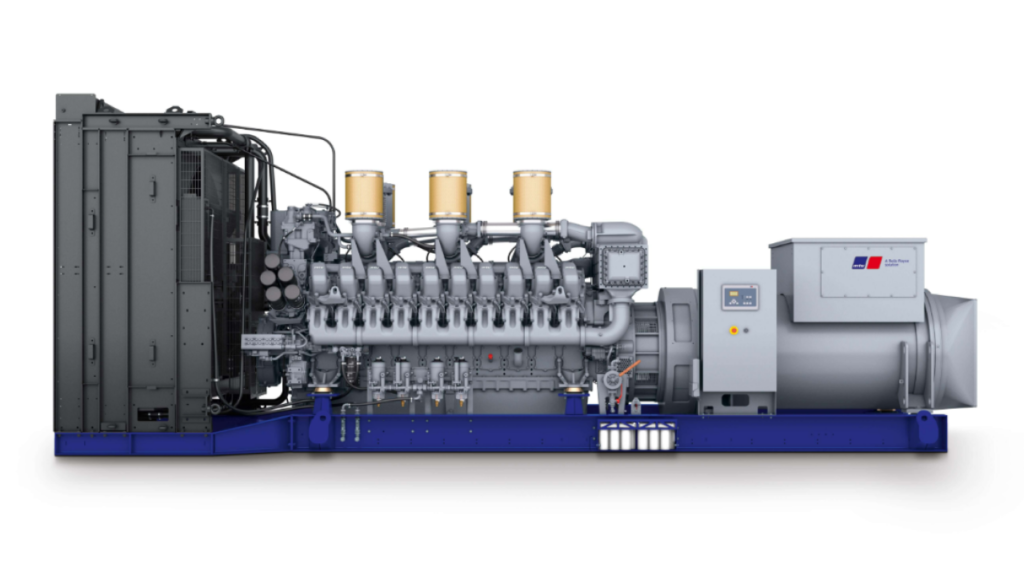
Despite rapid technological innovation, diesel generators remain the backbone of data center backup infrastructure because of their proven reliability and ability to deliver immediate power during outages. Instant reliability makes them especially valuable in Tier III and Tier IV facilities where even milliseconds of interruption are unacceptable. Modern generator systems have evolved significantly, incorporating smarter monitoring, improved fuel efficiency, and reduced emission designs that align better with current operational standards.
Today’s advanced units are also designed for seamless integration with automated transfer systems and remote diagnostics, allowing operators to monitor performance continuously. Operational confidence increases when facilities can predict maintenance needs and respond proactively instead of reacting to failures. As a result, diesel generators continue to serve as the primary safeguard against grid instability while adapting to modern efficiency expectations.
- Natural Gas Generator Systems
Natural gas generators are gaining traction as operators search for cleaner alternatives capable of supporting longer operational durations. Unlike diesel systems that rely on stored fuel, natural gas setups often connect directly to pipeline infrastructure, ensuring a continuous supply during extended outages. Fuel continuity becomes a major advantage for urban data centers where storage space and refueling logistics present challenges.
These systems also offer more stable fuel pricing in many regions, helping operators manage long-term operational costs more predictably. Lower emissions compared to traditional diesel solutions further support sustainability initiatives without sacrificing reliability. Balanced performance positions natural gas generators as an attractive option for facilities seeking both environmental compliance and dependable backup power.
- Battery Energy Storage Systems (BESS)
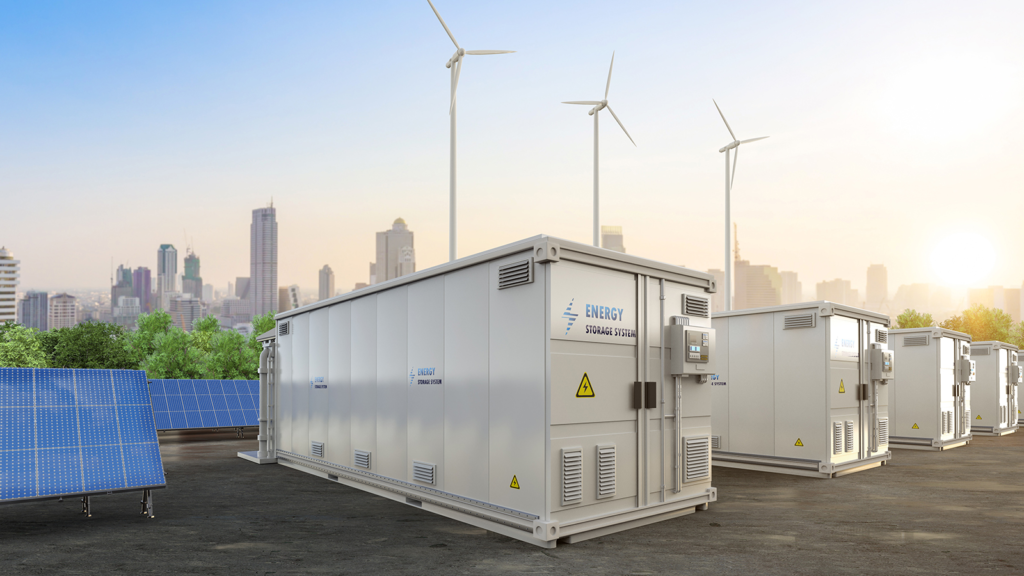
Battery energy storage systems have moved beyond their traditional UPS support role and are now becoming active components of data center power management. Instant response capability allows batteries to deliver power within milliseconds, eliminating transition gaps between grid failure and generator startup. This seamless switching significantly reduces the risk of equipment shutdown or data loss.
Beyond backup bridging, batteries help facilities optimize energy consumption through peak shaving and load balancing. Operators can store electricity during low-demand periods and deploy it when energy costs rise, improving overall efficiency. Energy optimization transforms batteries into both reliability tools and financial assets, particularly when integrated with renewable energy sources or hybrid microgrid architectures.
- Hydrogen Fuel Cell Power Systems
Hydrogen fuel cells are emerging as a forward-looking option for data centers aiming to reduce emissions without compromising reliability. Clean generation occurs through an electrochemical process that produces electricity with water vapor as the primary byproduct, making the technology attractive for operators working toward long-term sustainability targets. Unlike combustion-based systems, fuel cells operate quietly and with fewer moving components, which can lower mechanical wear over time.
However, adoption is still developing due to infrastructure limitations and higher initial investment requirements. Hydrogen production, storage, and transportation networks are not yet equally available across regions, which affects deployment feasibility for many facilities. Adoption barriers currently limit large-scale implementation, but pilot projects and research investments indicate strong future potential as hydrogen ecosystems expand globally.
- Hybrid Power Microgrids
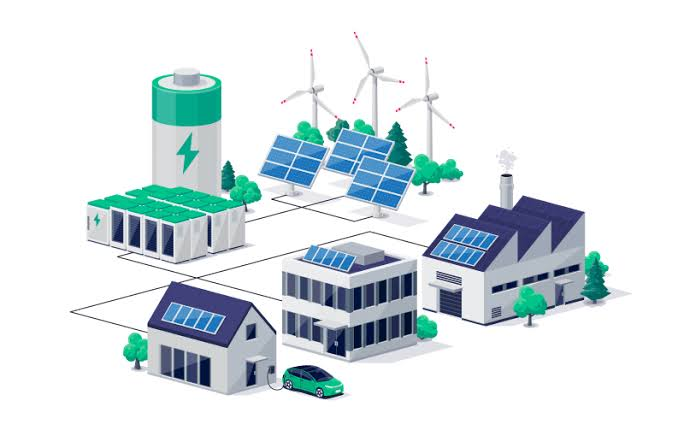
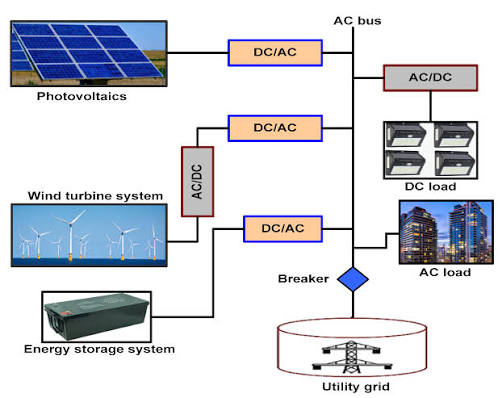
Hybrid microgrids represent a major evolution in how data centers manage electricity by combining multiple energy sources into a single intelligent system. Integrated architecture allows generators, batteries, renewable energy inputs, and grid power to operate together rather than independently. This coordination improves resilience because the system can automatically shift between energy sources depending on demand or external disruptions.
Advanced energy management software plays a central role by analyzing load patterns and distributing power dynamically to maximize efficiency. Facilities using hybrid models gain greater independence from unstable grids while maintaining consistent uptime performance. Operational flexibility makes microgrids especially appealing for hyperscale data centers and remote deployments where reliability and scalability must grow simultaneously with computing demand.
Common Mistakes Data Centers Make When Choosing Power Solutions
Many data centers invest heavily in power infrastructure, yet still face performance issues because planning decisions focus on immediate needs instead of long-term operations. Short-term planning often leads operators to oversize systems in an attempt to avoid risk, but excessive capacity increases fuel consumption, maintenance complexity, and overall operational cost without delivering proportional reliability benefits.
Another frequent issue is treating backup power as a standalone purchase rather than part of an integrated ecosystem. Facilities sometimes deploy generators, batteries, and monitoring tools separately, resulting in poor coordination during real outages. System fragmentation can create delays in power transition or inefficient load distribution, which defeats the purpose of redundancy planning.
Cost-driven decisions also introduce hidden risks. Choosing equipment based solely on initial price may overlook lifecycle expenses such as servicing requirements, spare parts availability, and efficiency losses over time. Lifecycle oversight becomes costly later, when maintenance downtime or upgrades disrupt operations expected to run continuously.
Finally, some operators underestimate the importance of certifications, technical support, and deployment expertise when selecting suppliers. Reliable hardware alone is not enough if installation, testing, and optimization are not handled properly. Implementation quality ultimately determines whether a power solution performs as expected when a real emergency occurs.
How to Choose the Right Power Solution for Your Facility
Selecting a power solution for a data center is no longer a simple comparison between generator capacity and expected electrical load. Modern facilities must evaluate how power systems will perform under changing operational conditions over many years. Strategic selection begins with understanding the facility’s role, whether it supports enterprise workloads, hyperscale cloud operations, or edge computing environments, because each requires a different balance between redundancy, scalability, and efficiency.
One of the first considerations is facility size and growth projection. Many operators design infrastructure based only on current demand, which leads to expensive upgrades when expansion becomes necessary. Scalability planning ensures that power systems can accommodate increasing rack density, AI workloads, and higher cooling requirements without requiring complete system replacement.
Location also plays a critical role in decision-making. Grid stability, fuel availability, environmental regulations, and climate conditions all influence which technologies perform best. Facilities operating in regions with unstable electricity supply often prioritize robust generator backup, while urban data centers may emphasize lower emissions and quieter operation. Location factors help determine whether diesel, natural gas, battery storage, or hybrid systems provide the most reliable long-term performance.
Operational priorities must also be clearly defined before investment decisions are finalized. Some organizations prioritize absolute uptime regardless of cost, while others aim to balance reliability with energy efficiency and sustainability goals. Performance priorities guide choices related to redundancy levels, automation capabilities, and energy management integration, ensuring infrastructure aligns with business objectives rather than technical assumptions.
Ultimately, the most effective approach combines multiple technologies into a coordinated ecosystem rather than relying on a single power source. Balanced integration helps data centers build infrastructure capable of supporting continuous digital growth while maintaining operational confidence in unpredictable energy environments.
The Future of Data Center Power Beyond 2026
Data center power infrastructure is moving toward systems that can think, adapt, and optimize performance with minimal human intervention. AI management is expected to play a central role by analyzing energy consumption patterns, predicting demand spikes, and automatically distributing power where it is needed most.
Another major shift involves the adoption of distributed energy resources, where electricity is generated and stored across multiple connected sources rather than relying on a single centralized supply. Distributed energy improves resilience by allowing facilities to maintain operations even when parts of the grid experience instability or outages.
Industrial automation will continue transforming maintenance practices as sensors and monitoring platforms provide continuous equipment diagnostics. Predictive maintenance enables operators to identify performance degradation early, reducing unexpected downtime and extending equipment lifespan. Over time, data-driven servicing will replace traditional fixed maintenance schedules.
Together, these developments are guiding the industry toward highly resilient power networks capable of self-adjustment and long-term efficiency.
Building Reliable Data Center Power Infrastructure for 2026 and Beyond
In 2026, data center power solutions aren’t just backup; they are a strategic asset. The right mix of generators, storage, and intelligent management transforms power systems into a resilient, long-term foundation.
Partnering with certified suppliers like ALEO adds another layer of assurance. Trusted partnerships guarantee equipment meets high-quality standards and performs reliably. Solutions with UL certification and direct shipment from the United States ensure authenticity and consistency.
Visit our website and connect with our team today to get on-site installation support with a one-year warranty that provides smooth deployment and lasting operational confidence.