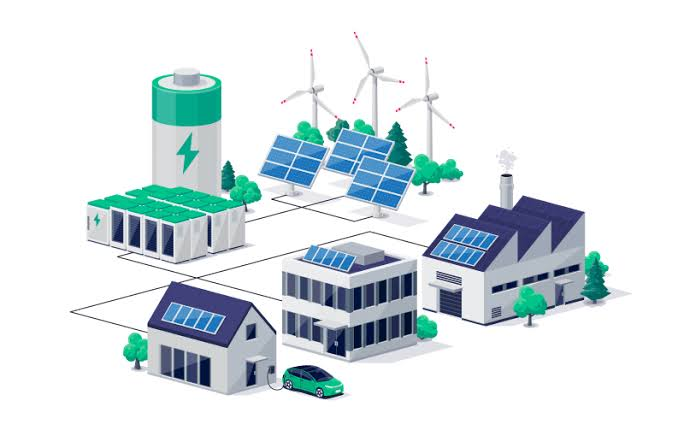
As industries move toward smarter, more resilient, and sustainable energy infrastructure, microgrids have become an important part of modern power systems. Businesses are no longer relying solely on centralised utility networks to meet their electricity needs. Instead, many are investing in localised energy systems that combine renewable energy, Battery Energy Storage Systems (BESS), backup generators, and intelligent controls to improve reliability and operational efficiency. Understanding what a microgrid is has therefore become essential for organisations planning new energy projects or modernising existing power infrastructure.
Unlike traditional power systems that depend entirely on electricity supplied through the utility grid, a microgrid operates within a defined electrical boundary and can coordinate multiple energy resources as one integrated system. It can generate, store, distribute, and manage electricity according to real-time demand while maintaining stable operation under changing conditions. Many microgrids also have the ability to disconnect from the main grid and continue operating independently during utility outages, making them particularly valuable for facilities where uninterrupted power is critical. This operational flexibility is one of the key reasons why microgrids are being adopted across industrial, commercial, and institutional sectors.
Modern microgrids are far more advanced than simple backup power systems. They incorporate intelligent Energy Management Systems (EMS), automated controllers, advanced protection equipment, and distributed energy resources that work together to optimise performance, improve energy efficiency, and support renewable energy integration. As technology continues to evolve, microgrids are becoming an essential part of grid modernisation and long-term energy planning.
This guide explains what a microgrid is, how it works, the technologies that make it possible, its operating modes, industrial applications, key benefits, and the challenges businesses should evaluate before investing in a future-ready energy infrastructure.
What Is a Microgrid?
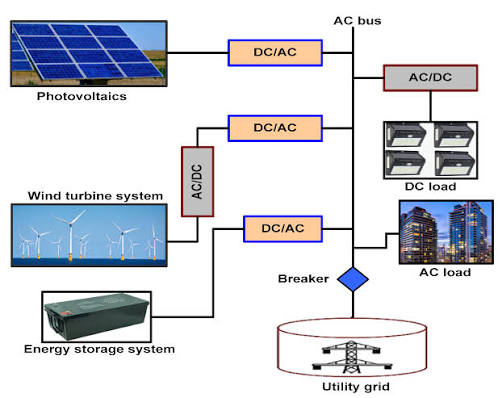
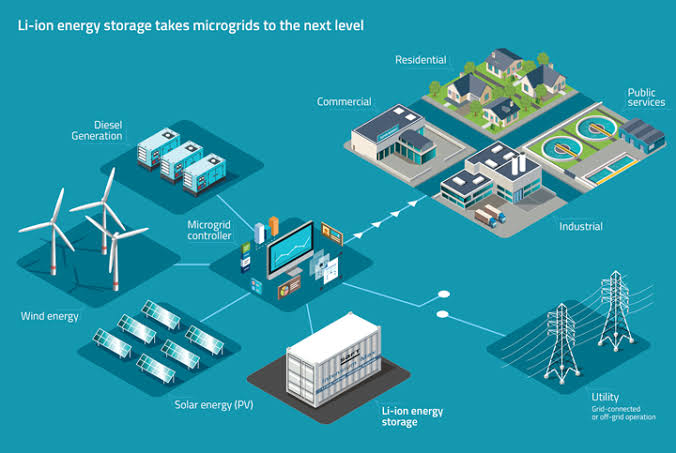
Understanding what a microgrid is requires looking beyond the simple definition of a localised power system. A microgrid is a self-contained electrical network that operates within a clearly defined boundary while coordinating multiple energy resources to supply electricity to connected loads. Unlike conventional power systems that depend entirely on centralised generation, a microgrid integrates distributed energy resources such as solar panels, wind turbines, Battery Energy Storage Systems (BESS), backup generators, and utility power into one coordinated system. This integrated energy network allows electricity to be generated and managed closer to where it is consumed.
A modern microgrid can operate while connected to the utility grid or independently in island mode during power outages. Intelligent Energy Management Systems (EMS) and microgrid controllers continuously monitor electricity demand, generation capacity, battery status, and grid conditions to determine how available energy resources should be used. Instead of relying on a single source of electricity, the system automatically balances multiple resources to improve efficiency, reliability, and operational flexibility.
More importantly, a microgrid is not simply a collection of power equipment. It is an intelligent energy platform capable of optimising power generation, storage, and distribution in real time. This ability to coordinate multiple technologies makes modern microgrids an important part of today’s distributed energy infrastructure, supporting both energy resilience and long-term sustainability.
How Does a Microgrid Work?
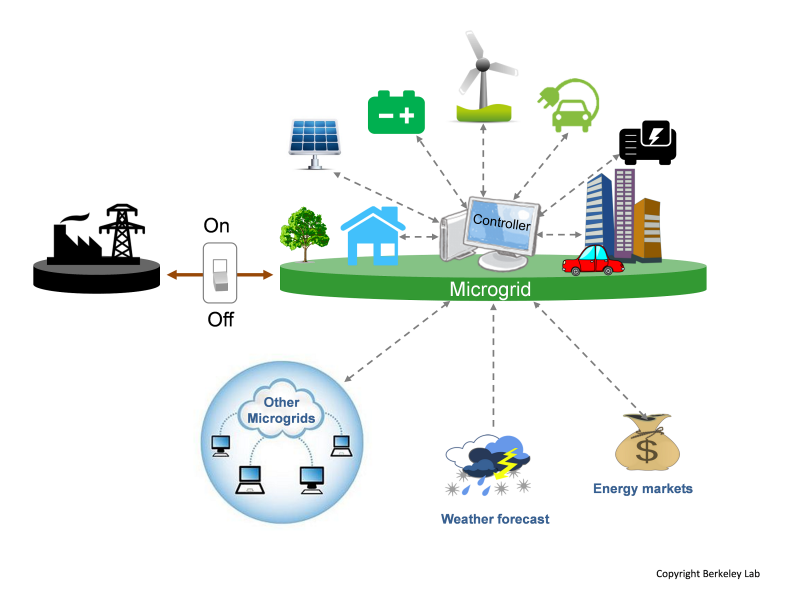
A microgrid functions by continuously balancing electricity generation, storage, and consumption within a defined electrical network. Rather than depending on a single power source, it coordinates multiple technologies that work together to provide stable and reliable electricity. Intelligent controllers monitor system conditions and automatically adjust power flows to maintain system stability under changing operating conditions.
Power Generation and Energy Storage
Electricity may be produced from solar panels, wind turbines, natural gas generators, diesel generators, or other distributed energy resources. Battery Energy Storage Systems (BESS) store excess electricity when generation exceeds demand and discharge it when additional power is needed. This coordination allows the system to maintain a stable supply while improving the use of renewable energy.
Intelligent Control and Power Distribution
Energy Management Systems (EMS) and microgrid controllers collect real-time data from connected equipment and determine how electricity should be generated, stored, or distributed. They can prioritise renewable energy, manage battery charging, start backup generators when required, and regulate power flow between the microgrid and the utility network. Through automated energy management, the system responds quickly to changing demand while maintaining reliable operation and supporting a smart power management framework.
Core Components of a Modern Microgrid
Every modern microgrid consists of multiple technologies that work together to generate, store, manage, and distribute electricity. While the exact configuration depends on the project’s energy requirements, understanding what a microgrid is also means understanding the role each component plays in maintaining reliable operation. Rather than functioning as independent pieces of equipment, these technologies communicate through intelligent control systems to create a coordinated power management system.
Distributed Energy Resources
Distributed energy resources (DERs) are the primary sources of electricity within a microgrid. These may include solar PV systems, wind turbines, natural gas generators, diesel generators, combined heat and power (CHP) systems, or other localised generation technologies. Using multiple energy sources improves flexibility and reduces dependence on a single power supply.
Battery Energy Storage Systems (BESS)
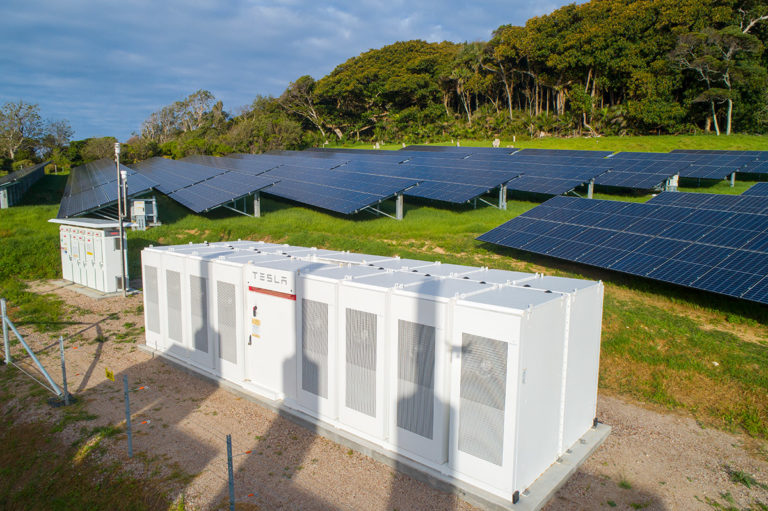
Battery Energy Storage Systems (BESS) store excess electricity when generation exceeds demand and discharge it when additional power is required. Besides supporting renewable energy integration, batteries improve voltage stability, reduce generator operating hours, and provide rapid response during sudden load changes. Their energy storage capability makes them one of the most valuable components of a modern microgrid.
Energy Management Systems (EMS)
The Energy Management System (EMS) serves as the intelligence behind the microgrid. It continuously analyses electricity demand, generation capacity, battery status, and grid conditions to determine how each energy resource should operate. This real-time coordination improves efficiency while reducing unnecessary fuel consumption.
Switchgear, Protection Systems, and Backup Generators
Switchgear, protection relays, and circuit breakers ensure electricity is distributed safely throughout the system while protecting equipment during electrical faults. Backup generators provide additional power when renewable generation and battery storage cannot fully meet demand, ensuring continuous operation under changing conditions. Together, these technologies create a reliable industrial energy solution.
Grid-Connected vs Islanded Operation
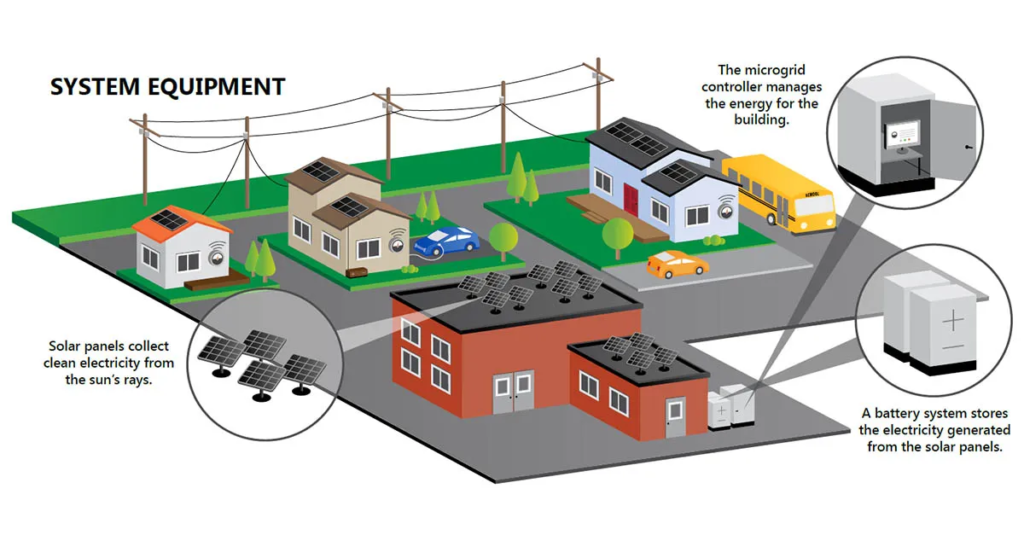
One of the defining characteristics of a modern microgrid solution is its ability to operate in more than one mode. Depending on utility conditions and operational requirements, a microgrid can remain connected to the main electricity network or temporarily operate as an independent power system. This dual operating capability provides greater flexibility than conventional electrical infrastructure and improves business continuity during planned or unexpected grid interruptions.
Grid-Connected Mode
During normal operation, the microgrid remains connected to the utility network and exchanges electricity when needed. It can import power during periods of high demand or export surplus electricity when local generation exceeds consumption, depending on system design and local regulations. Energy Management Systems (EMS) continuously optimise the use of renewable energy, Battery Energy Storage Systems (BESS), and generators to improve efficiency while reducing operating costs.
Islanded Mode
If a utility outage or disturbance occurs, the microgrid can automatically disconnect from the main grid and continue operating independently. Intelligent controllers maintain voltage, frequency, and power quality by coordinating local generation, battery storage, and backup generators. This capability allows critical facilities to continue operating without interruption, making island mode one of the most valuable features of a future-ready energy infrastructure.
Different Types of Microgrids
Although all microgrids perform the same basic function, they are designed to meet different operational requirements. The choice of system depends on factors such as electricity demand, available energy resources, site location, and the level of reliability required. Understanding these applications provides a broader perspective on what a microgrid is and why different industries adopt different system configurations. Each type is designed to solve specific energy challenges while improving operational efficiency.
Campus Microgrids
Campus microgrids serve universities, hospitals, military bases, airports, and large commercial complexes where multiple buildings share one coordinated energy system. They improve reliability while reducing operating costs across an entire facility.
Industrial and Commercial Microgrids
Manufacturing plants, mining operations, data centres, and commercial campuses use industrial microgrids to maintain continuous operations, manage energy costs, and integrate renewable energy with backup generation.
Community and Remote Microgrids
Community microgrids improve resilience for neighbourhoods and municipalities, while remote microgrids provide reliable electricity to islands, rural communities, agricultural facilities, and off-grid industrial sites where extending utility infrastructure is impractical. Their flexibility and scalability make them an important part of today’s distributed energy infrastructure.
Why Businesses Are Investing in Microgrids
Organisations across multiple industries are investing in microgrids because energy reliability has become just as important as energy cost. Frequent utility outages, rising electricity prices, stricter sustainability targets, and growing power demand have encouraged businesses to adopt more flexible energy strategies. Understanding what a microgrid is also means understanding why it has become a strategic investment rather than simply an alternative source of electricity. A well-designed microgrid helps businesses improve operational resilience while gaining greater control over how energy is generated and consumed.
One of the biggest advantages is the ability to integrate multiple energy resources into a single coordinated system. Renewable energy, Battery Energy Storage Systems (BESS), backup generators, and intelligent Energy Management Systems (EMS) work together to improve efficiency while reducing dependence on the utility grid. Businesses can also optimise electricity use during peak demand periods, lower fuel consumption, and maintain critical operations during outages.
Microgrids also support long-term business growth. As electricity demand increases, additional generation or storage capacity can often be integrated without redesigning the entire system. This flexibility makes microgrids suitable for manufacturing facilities, mining operations, commercial campuses, healthcare institutions, data centres, and remote industrial sites. By improving reliability, scalability, and energy efficiency, microgrids help organisations build a future-ready energy infrastructure.
Common Challenges of Microgrids
Although the benefits are significant, businesses should also understand the practical challenges associated with implementing a microgrid. Like any advanced energy system, successful deployment requires careful planning, engineering expertise, and long-term operational management. These considerations do not reduce the value of what is a microgrid, but they highlight the importance of selecting the right technology and project partner. Proper system planning helps minimise risks while maximising long-term performance.
The most common challenge is the higher initial investment compared with conventional backup generators. A complete microgrid includes renewable energy systems, Battery Energy Storage Systems (BESS), Energy Management Systems (EMS), protection equipment, and advanced controllers, all of which contribute to project cost. System integration is another important consideration, as multiple technologies must communicate and operate together without affecting reliability.
Microgrids also require regular maintenance, software updates, and periodic performance monitoring to ensure efficient operation. Organisations may need trained personnel or technical support to manage these systems effectively. However, with proper engineering, quality equipment, and ongoing maintenance, many of these challenges can be successfully addressed, allowing businesses to develop a reliable industrial energy solution.
The Future of Microgrid Technology
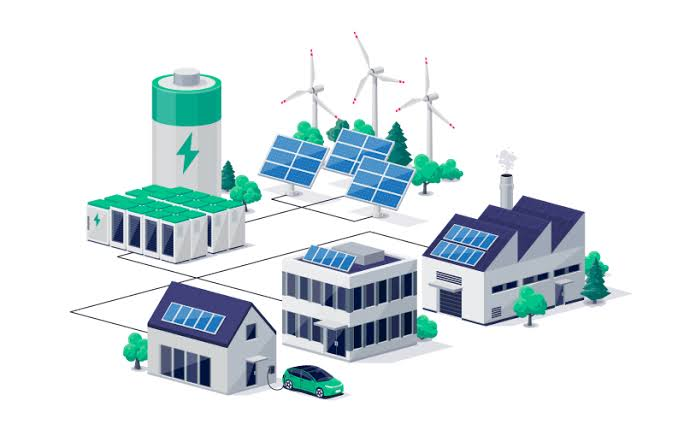
Microgrids are expected to play an increasingly important role in the global transition toward decentralised and intelligent energy systems. As renewable energy adoption grows and electricity demand continues to rise, businesses will require power infrastructure that is more flexible, efficient, and resilient than conventional utility networks. Looking beyond what is a microgrid, the next generation of systems will focus on greater automation, predictive analytics, and seamless coordination between distributed energy resources. These innovations will strengthen intelligent energy management while improving overall system performance.
Artificial intelligence, cloud-based monitoring platforms, and advanced Energy Management Systems (EMS) are already transforming how microgrids operate. These technologies can analyse real-time operating data, forecast electricity demand, optimise battery charging and discharging, and improve generator scheduling with minimal human intervention. As battery technology continues to advance, microgrids will also be able to store more renewable energy while reducing dependence on conventional fuel sources.
Future developments are also expected to strengthen the connection between microgrids and larger smart grid networks. Greater interoperability, digital monitoring, and flexible energy trading will allow businesses to participate more actively in modern electricity markets while maintaining reliable local power. These advancements will continue to make microgrids an essential part of a future-ready energy infrastructure.
Build Smarter Microgrids with ALEO
Understanding what a microgrid is is only the first step toward building a reliable and efficient energy system. The real value comes from designing a solution that matches your operational requirements, future expansion plans, and long-term energy goals. Whether your project focuses on improving reliability, integrating renewable energy, or reducing operating costs, a properly engineered microgrid can deliver lasting value through customised power solutions.
ALEO designs and customises microgrids ranging from 100 kW to 1 MW, complete with integrated Energy Management Systems (EMS) for intelligent monitoring, control, and energy optimisation. Every solution is tailored to support industrial facilities, commercial campuses, remote operations, and other demanding applications.
With UL-certified products from the USA, direct shipment from the United States, professional on-site installation and debugging support, and a 1-year warranty, ALEO provides dependable microgrid solutions backed by experienced engineering and technical expertise.
Visit our website and connect with us to discuss a customised microgrid solution that helps your business build a reliable industrial energy solution for the future.