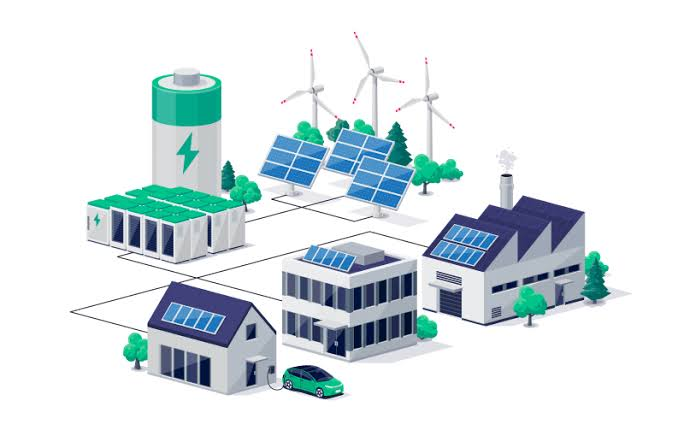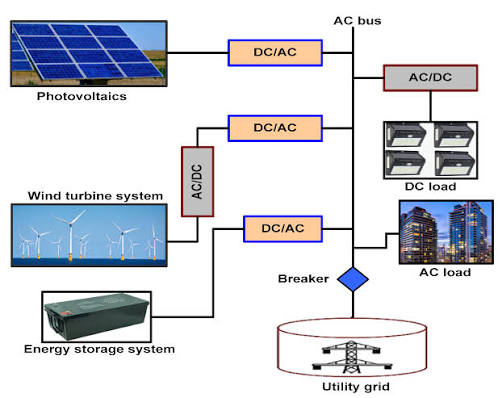
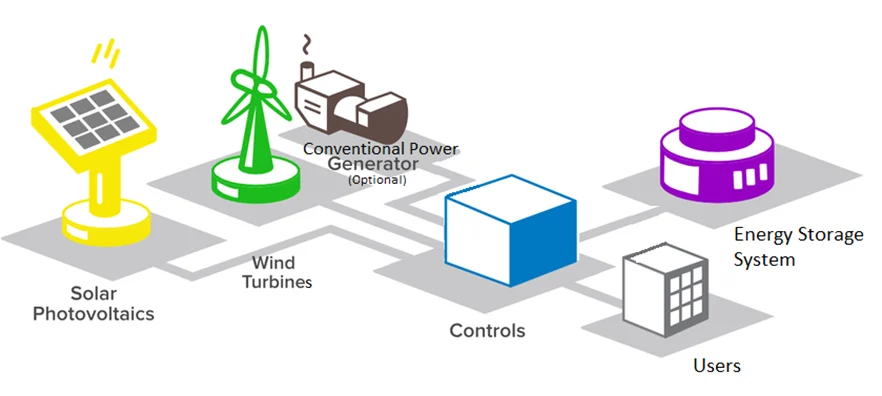
As industries and communities seek more reliable, flexible, and sustainable energy solutions, the microgrid power system has become an increasingly attractive alternative to conventional electricity networks. By combining distributed energy resources such as renewable energy, Battery Energy Storage Systems (BESS), backup generators, and intelligent controllers, microgrids can deliver dependable power while reducing reliance on centralised utility infrastructure. They are widely used in industrial facilities, commercial campuses, healthcare institutions, military bases, and remote locations where uninterrupted electricity is essential.
Despite these advantages, microgrids are not without challenges. Like any large energy investment, they involve technical, financial, and operational considerations that should be evaluated before implementation. Factors such as initial investment, system design, maintenance requirements, and renewable energy variability can influence both project costs and long-term performance. Understanding these practical challenges helps businesses determine whether a microgrid is the right solution for their operational needs.
At the same time, many of the perceived disadvantages can be addressed through proper engineering, advanced Energy Management Systems (EMS), and the integration of multiple energy resources. A well-designed microgrid can improve reliability, increase energy resilience, and provide long-term operational savings that outweigh many of the initial challenges.
This article explores the potential downsides of microgrids, examines their environmental impact and reliability, discusses the limitations of renewable energy, and explains why organisations continue investing in modern distributed energy solutions despite these challenges.
Why Businesses Are Investing in Microgrid Power Systems
Despite the challenges associated with implementation, many organisations continue investing in a microgrid power system because of the long-term operational benefits it can provide. Rising electricity costs, ageing utility infrastructure, frequent power outages, and growing sustainability goals have encouraged businesses to look for more resilient energy solutions. Instead of depending entirely on the main utility grid, a microgrid allows organisations to generate, manage, and distribute electricity closer to where it is consumed, improving energy resilience and operational control.
Industrial facilities, healthcare campuses, manufacturing plants, mining operations, military installations, and remote communities often require uninterrupted power to maintain safety and productivity. By combining renewable energy, Battery Energy Storage Systems (BESS), backup generators, and intelligent Energy Management Systems (EMS), microgrids help reduce downtime while improving the efficiency of available energy resources.
Another advantage is flexibility. A well-designed microgrid can operate alongside the utility grid during normal conditions and continue supplying electricity in island mode during outages. Many systems are also scalable, allowing organisations to add new generators, batteries, or renewable resources as energy demand grows. Although the initial investment may be higher than that of conventional power systems, the combination of improved reliability, lower operating costs, and future expansion capabilities makes microgrids an attractive long-term investment for many industries, contributing to a future-ready energy infrastructure.
What Are the Cons of Microgrids?
Like any energy solution, a microgrid power system has certain limitations that businesses should understand before making an investment. Most of these challenges are related to project planning, technology integration, and upfront costs rather than the concept of microgrids themselves. Evaluating these factors early helps organisations design systems that balance performance, reliability, and long-term value through careful project planning.
Higher Initial Investment
Building a microgrid generally requires a greater upfront investment than installing standalone diesel generators or relying solely on utility electricity. Costs may include renewable energy systems, Battery Energy Storage Systems (BESS), Energy Management Systems (EMS), switchgear, engineering, installation, and commissioning. Although these investments often provide long-term savings, they can be a challenge for organisations with limited capital budgets.
Complex Design and Integration
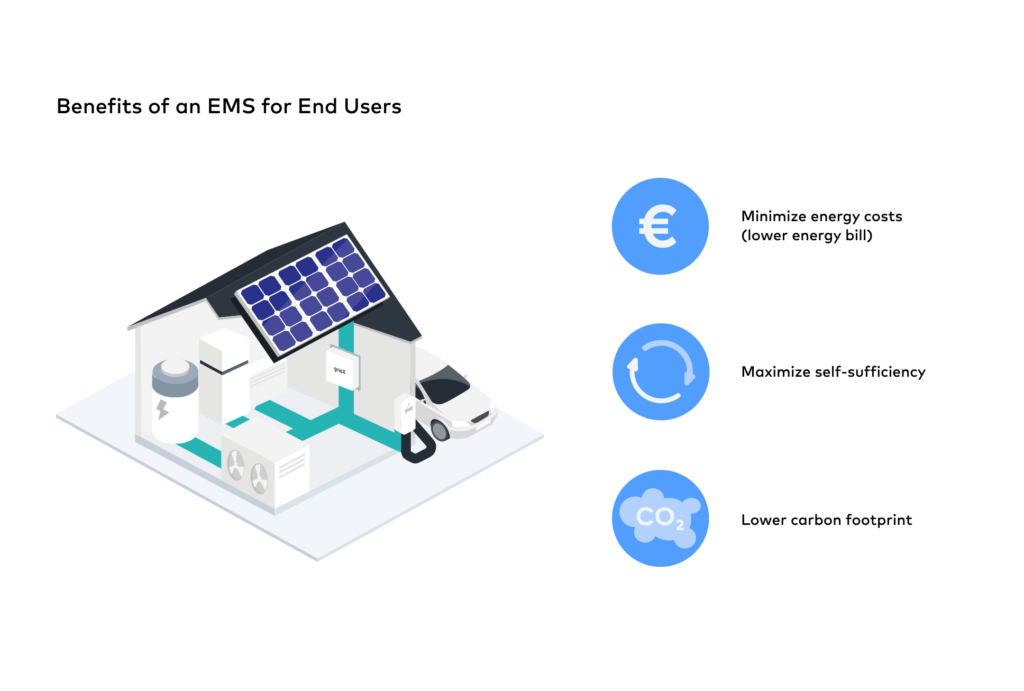
Microgrids combine multiple energy resources that must operate as one coordinated system. Integrating solar panels, batteries, generators, protection equipment, and controllers requires experienced engineering and careful system design. Without proper planning, compatibility issues or inefficient operation may affect overall system performance.
Maintenance and Skilled Operation
While renewable energy systems generally require less maintenance than conventional generators, a complete microgrid still requires periodic inspections, software updates, battery monitoring, and equipment servicing. Organisations may also need trained personnel or ongoing technical support to ensure the system continues operating efficiently.
Renewable Energy Variability
When a microgrid relies heavily on solar or wind generation, electricity production can vary because of weather conditions and time of day. Battery storage and backup generators help overcome this limitation, but they also increase project complexity and investment.
Longer Planning and Installation
Compared with conventional backup power systems, microgrids usually require more engineering, site assessments, permitting, testing, and commissioning before becoming operational. Although this extends the project timeline, it helps ensure the system delivers reliable performance and supports a reliable industrial energy solution.
Are Microgrids Bad for the Environment?
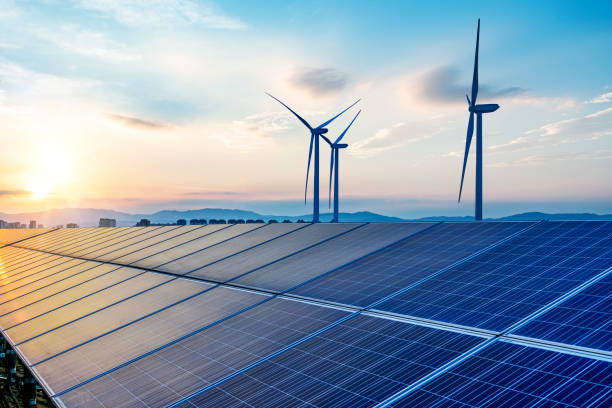
In most cases, a microgrid power system is not harmful to the environment. In fact, many modern microgrids are designed to reduce emissions by integrating renewable energy, Battery Energy Storage Systems (BESS), and intelligent Energy Management Systems (EMS). Compared with traditional power systems that rely entirely on fossil fuels, these hybrid solutions can lower fuel consumption while improving environmental performance.
However, the environmental impact of a microgrid depends on the energy sources it uses. A microgrid powered mainly by diesel generators will produce greenhouse gas emissions similar to those of other diesel-based power systems. In contrast, systems that combine solar panels, wind turbines, battery storage, and backup generators can significantly reduce fuel use and carbon emissions while maintaining reliable electricity.
Battery manufacturing, equipment production, and eventual component recycling also have environmental impacts that should be considered throughout the project’s lifecycle. Proper recycling programs and advances in battery technology are helping reduce these challenges and improve sustainability.
Overall, the environmental impact of a microgrid depends more on its design than on the technology itself. A well-planned hybrid system can support cleaner energy generation while maintaining dependable power for critical operations, contributing to a future-ready energy infrastructure.
Are Microgrids Reliable?
Reliability is one of the main reasons organisations invest in a microgrid power system. Unlike traditional power systems that may depend entirely on the utility grid or a single backup generator, microgrids coordinate multiple energy resources to maintain electricity under changing operating conditions. This multi-source reliability helps reduce the risk of complete power loss during utility outages or equipment failures.
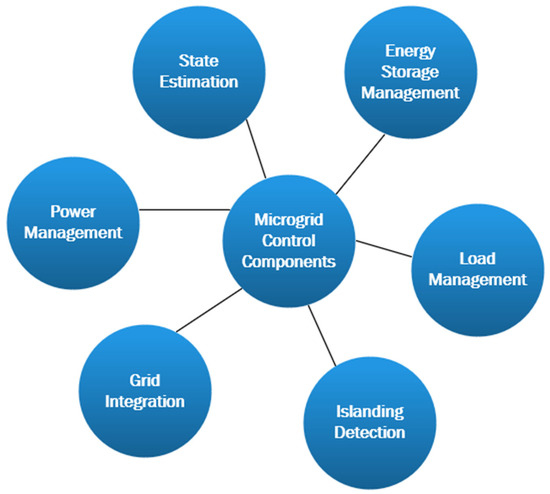
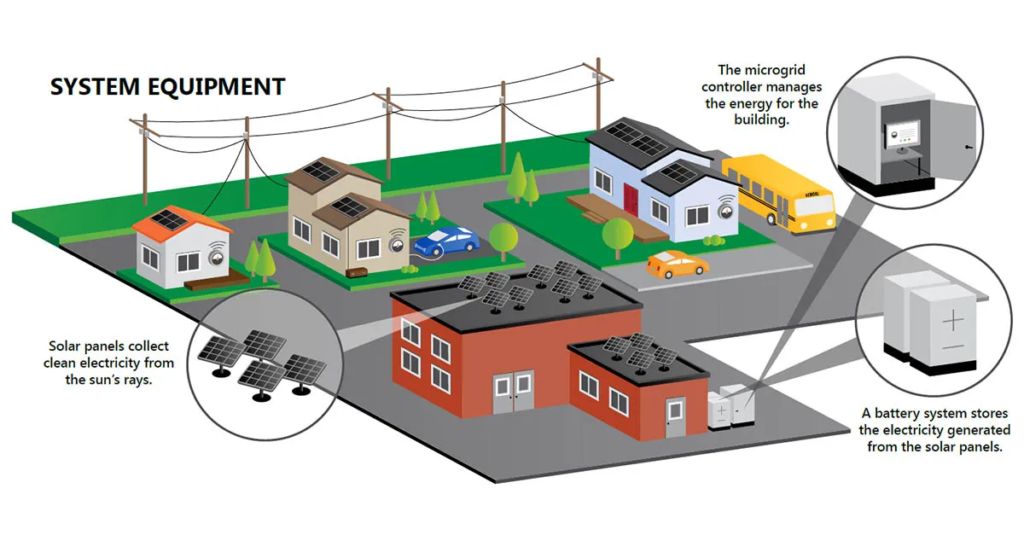
Modern microgrids combine renewable energy, Battery Energy Storage Systems (BESS), backup generators, and Energy Management Systems (EMS) into one coordinated network. Intelligent controllers continuously monitor electricity demand, battery status, and available generation, automatically selecting the most efficient energy source while maintaining stable operation.
Another important advantage is island mode operation. If the utility grid experiences an outage, the microgrid can disconnect and continue supplying electricity to critical loads using local energy resources. This capability is especially valuable for hospitals, manufacturing plants, data centres, military facilities, and remote industrial sites where uninterrupted power is essential.
Like any power system, reliability depends on proper engineering, quality equipment, and regular maintenance. When designed correctly, microgrids can provide dependable long-term performance while improving resilience, operational flexibility, and supporting a reliable power ecosystem.
Although a microgrid power system presents certain technical and financial challenges, most of them can be minimised through proper planning and engineering. Selecting high-quality equipment, integrating Battery Energy Storage Systems (BESS), implementing advanced Energy Management Systems (EMS), and performing routine maintenance all contribute to reliable long-term performance.
Working with an experienced solution provider also helps businesses avoid design issues, improve system efficiency, and maximise the return on investment, creating a reliable industrial energy solution.
What Are Five Disadvantages of Renewable Energy?
Renewable energy plays an important role in modern microgrid power system design, but it also has certain limitations that businesses should consider during project planning. These challenges do not reduce the value of renewable technologies; instead, they highlight why battery storage, backup generation, and intelligent controls are often included in hybrid microgrids. Understanding these renewable energy challenges helps organisations build more reliable and efficient power systems.
Weather Dependence
Solar panels and wind turbines generate electricity according to environmental conditions. Cloudy weather, nighttime operation, or low wind speeds can reduce energy production, making it difficult for renewable sources alone to meet continuous electricity demand.
High Initial Investment
Installing renewable energy systems often requires a larger upfront investment than conventional power generation. Solar panels, wind turbines, battery storage, and supporting electrical infrastructure increase project costs, although these investments can deliver long-term savings through lower fuel consumption.
Energy Storage Requirements
Because renewable generation is intermittent, Battery Energy Storage Systems (BESS) are often needed to store excess electricity for later use. While batteries improve reliability, they also add to project cost and system complexity.
Land and Space Requirements
Large solar installations and wind turbines require sufficient land or installation space. For facilities with limited available area, system design may need to balance energy production with site constraints.
Grid Integration Challenges
Integrating renewable energy into an existing electrical network requires careful engineering and advanced Energy Management Systems (EMS). Proper system integration ensures stable voltage, balanced power flow, and reliable operation under changing conditions, supporting a smart power management framework.
Why Do We Need Microgrids?
Growing electricity demand, ageing utility infrastructure, and increasing weather-related disruptions have highlighted the need for more resilient energy systems. A microgrid power system provides local electricity generation and management, helping businesses and communities maintain operations even when the main utility grid becomes unavailable. This improved energy security is one of the primary reasons organisations continue investing in microgrid technology.
Microgrids are particularly valuable in remote communities where extending utility transmission lines is expensive or impractical. They also support hospitals, data centres, manufacturing facilities, military installations, airports, and commercial campuses that cannot afford prolonged power interruptions. By combining renewable energy, Battery Energy Storage Systems (BESS), backup generators, and intelligent controls, microgrids improve reliability while reducing dependence on a single electricity source.
Another important benefit is flexibility. Businesses can expand their energy infrastructure over time by adding renewable generation, battery storage, or additional generators as demand increases. This scalability helps organisations prepare for future growth while improving operational efficiency and long-term energy resilience.
As industries continue modernising their power infrastructure, microgrids provide a practical solution for improving reliability, supporting renewable energy adoption, and developing a future-ready energy infrastructure.
What Is the World’s Largest Microgrid?
There is no universally accepted answer to this question because new large-scale microgrid projects continue to be developed around the world. The size of a microgrid can be measured by installed generating capacity, geographic coverage, or the number of customers it serves. As a result, different projects are recognised for different achievements in the industry.
One of the best-known examples is the Kodiak Island Microgrid in Alaska, USA. It combines renewable energy resources, battery storage, flywheel technology, and backup generation to supply reliable electricity while significantly reducing diesel fuel consumption. The project has become an important example of how advanced microgrid technologies can support communities located far from traditional utility infrastructure.
Today, even larger industrial and utility-scale microgrid projects are being developed to support manufacturing facilities, military bases, airports, ports, commercial campuses, and remote mining operations. These projects demonstrate how a modern microgrid power system can improve reliability, integrate renewable energy, and strengthen energy resilience for critical applications.
As technology continues to advance, the scale and capabilities of microgrids are expected to grow even further, supporting a reliable industrial energy solution.
Do the Benefits of Microgrids Outweigh the Challenges?
Like any major energy investment, a microgrid power system has both advantages and limitations. Higher upfront costs, longer project planning, and the complexity of integrating multiple energy resources are important considerations during the early stages of development. However, these challenges can often be addressed through proper engineering, quality equipment, Battery Energy Storage Systems (BESS), and intelligent Energy Management Systems (EMS). Taking a long-term approach allows businesses to evaluate the complete value of the system rather than focusing only on the initial investment.
For many industrial facilities, commercial campuses, healthcare institutions, remote communities, and critical infrastructure projects, the benefits often outweigh the disadvantages. Improved energy resilience, lower dependence on utility outages, better renewable energy utilisation, and greater operational flexibility make microgrids a practical solution for organisations seeking reliable electricity.
The key to success lies in selecting the right system design and an experienced engineering partner. A properly planned microgrid can deliver dependable performance for years while supporting future expansion and changing energy requirements. Rather than asking whether microgrids have disadvantages, businesses should evaluate whether the long-term operational benefits justify the investment for their specific application, helping them build a cost-efficient energy solution.
Build Smarter Energy Infrastructure with ALEO
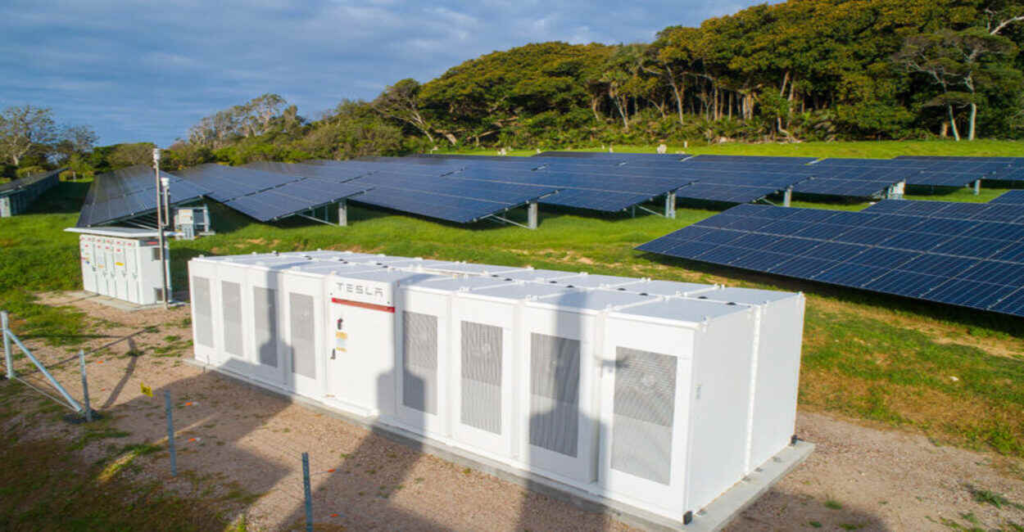
Every microgrid power system should be designed around the unique energy requirements of the facility it serves. At ALEO, we customise microgrid solutions ranging from 100 kW to 1 MW, integrating advanced Energy Management Systems (EMS) to deliver intelligent, reliable, and scalable power for industrial and commercial applications.
With UL-certified products from the USA, direct shipment from the United States, professional on-site installation and debugging support, and a 1-year warranty, ALEO provides complete microgrid solutions backed by engineering expertise and dependable technical support.
Whether you’re planning a new installation or upgrading your existing energy infrastructure, ALEO can help you build a customised microgrid that improves reliability, supports renewable energy integration, and prepares your business for future growth.
Visit our website and connect with us to discuss a tailored microgrid solution designed to strengthen your operations with a future-ready energy infrastructure.