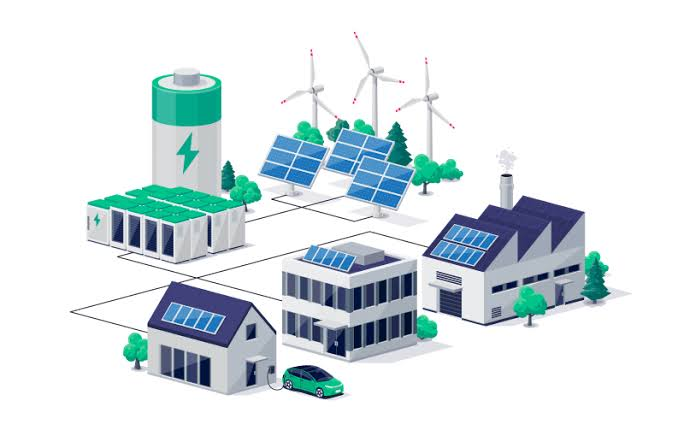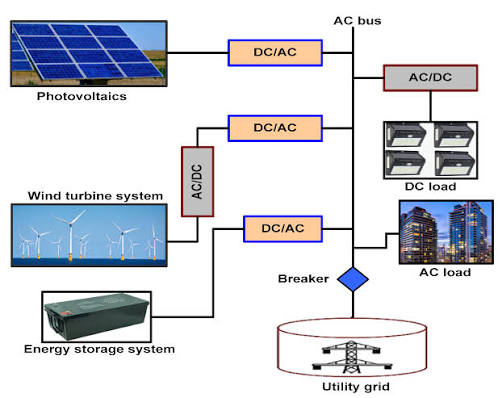
As businesses increasingly adopt decentralised energy solutions, reliable energy storage has become a critical part of modern power infrastructure. Renewable energy sources such as solar and wind offer significant advantages, but their output can fluctuate depending on weather and operating conditions. To ensure a stable and continuous electricity supply, many organisations are integrating advanced battery storage into their energy networks. This has made batteries an essential component of the modern microgrid system.
Unlike traditional backup power solutions that rely solely on generators, a microgrid system combines local power generation, intelligent controls, renewable energy, and energy storage to deliver reliable electricity under changing conditions. Batteries play an important role by storing excess energy, supplying instant backup power, and helping balance electricity demand throughout the day. This creates a smart energy storage strategy that improves both reliability and efficiency.
Battery Energy Storage Systems (BESS) also enable microgrids to make better use of renewable energy by storing surplus electricity instead of allowing it to go to waste. During periods of high demand or reduced renewable generation, the stored energy can be discharged to maintain uninterrupted operations. This reduces fuel consumption, improves energy efficiency, and strengthens overall system resilience.
In this article, we’ll explore whether a microgrid system uses batteries, how Battery Energy Storage Systems work, the benefits they provide, the industries that rely on them, and how battery technology is shaping the future of distributed energy.
What Is a Microgrid System?
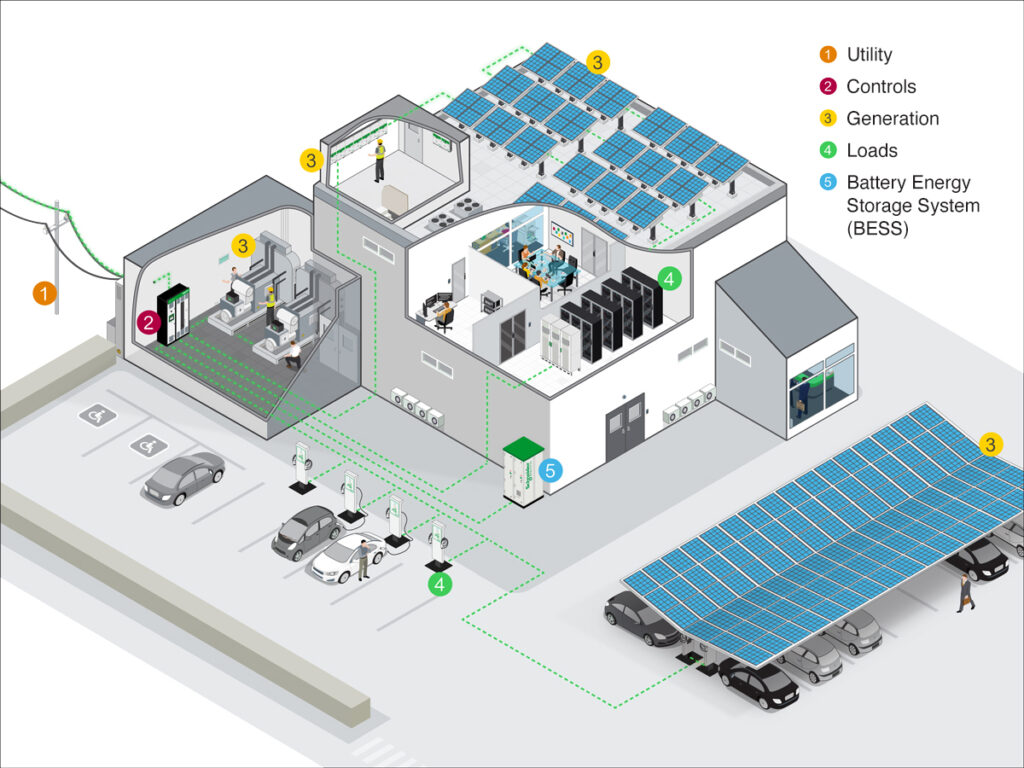
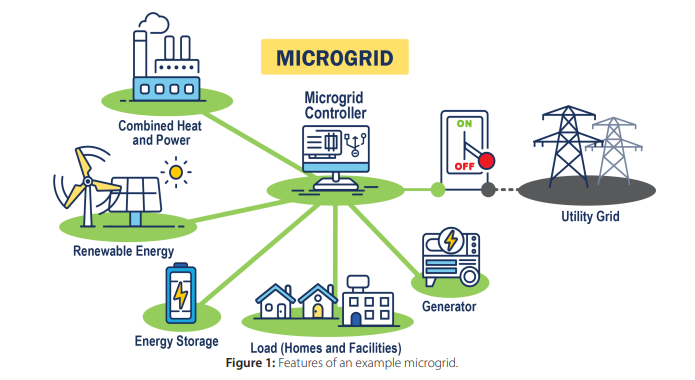
A microgrid system is a localised energy network that generates, stores, manages, and distributes electricity within a specific area. Unlike traditional power systems that rely entirely on centralised utility grids, a microgrid can produce electricity from local sources such as diesel generators, natural gas generators, solar panels, wind turbines, and battery storage. This creates a self-sustaining energy infrastructure that improves reliability and operational flexibility.
One of the key features of a microgrid system is its ability to operate in two modes. During normal conditions, it can remain connected to the utility grid and exchange electricity as needed. If the main grid experiences an outage, the microgrid can disconnect automatically and continue supplying power through its own local energy resources. This capability helps businesses maintain critical operations while reducing the impact of power disruptions.
An intelligent energy management system continuously monitors electricity generation, battery storage, and energy consumption to ensure efficient operation. By balancing multiple power sources in real time, the microgrid delivers stable voltage, improves power quality, and maximises energy efficiency across the network.
Today, microgrid systems are widely used in manufacturing facilities, hospitals, universities, commercial buildings, military installations, remote communities, and data centres where uninterrupted electricity is essential for safe and efficient operations.
Do Microgrids Use Batteries?
Yes, most modern microgrids use batteries because they improve reliability, increase energy efficiency, and support the integration of renewable energy sources. Battery Energy Storage Systems (BESS) have become one of the most valuable components of a microgrid system, allowing electricity to be stored when supply exceeds demand and used later when additional power is needed. This creates a reliable energy storage foundation for continuous operations.
Unlike conventional backup generators that only produce electricity when running, batteries store excess energy generated from solar panels, wind turbines, or generators. This stored electricity can then be released instantly during power outages, peak demand periods, or when renewable energy production decreases. The result is a more stable and flexible energy system that responds quickly to changing conditions.
Why Batteries Are Used in Microgrids
The primary purpose of batteries is to store electricity for future use. During periods of low energy demand or high renewable energy production, excess electricity is stored instead of being wasted. When demand increases or renewable output falls, the batteries discharge stored electricity to maintain a continuous power supply. This creates a balanced energy storage strategy that improves system efficiency.
Batteries also provide immediate backup power. Unlike generators, which require a short startup period, battery systems respond almost instantly when power interruptions occur. This rapid response protects sensitive equipment, reduces downtime, and ensures uninterrupted electricity for critical operations.
In addition, batteries reduce the workload on generators by supplying electricity during short-term demand spikes. This lowers fuel consumption, minimises equipment wear, and extends the operational life of conventional power generation systems.
How Battery Energy Storage Systems (BESS) Work
Battery Energy Storage Systems (BESS) operate by charging when excess electricity is available and discharging when additional power is required. Intelligent controllers continuously monitor energy production, battery capacity, and electricity demand to determine the most efficient charging and discharging schedule. This creates an automated energy management process that maximises system performance.
When renewable energy production exceeds current demand, the batteries store surplus electricity instead of sending it to waste. Later, during periods of higher demand or lower renewable generation, the stored energy is released to maintain a stable electricity supply.
Within a modern microgrid system, BESS works together with generators, renewable energy sources, and intelligent control platforms to optimise power distribution, improve reliability, and reduce dependence on external electricity supplies.
Types of Batteries Used in Microgrids
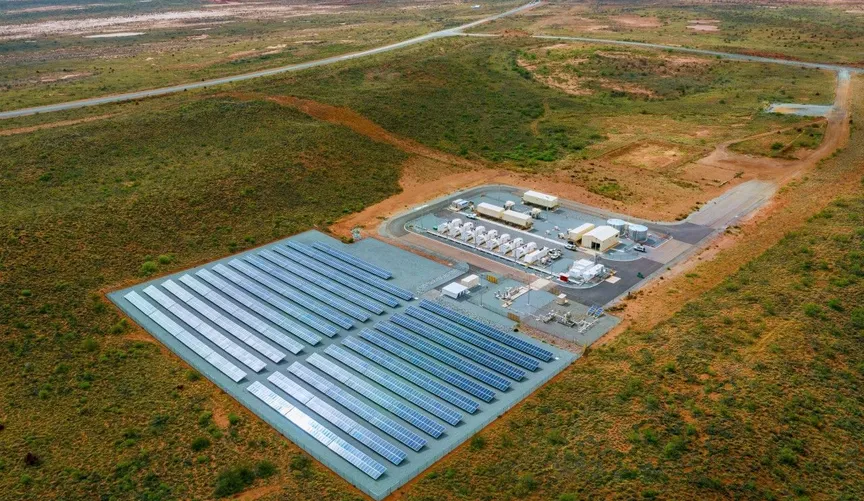
Different battery technologies are used in a microgrid system, each offering unique advantages depending on the application, budget, and operational requirements. Selecting the right battery type helps improve energy efficiency, backup performance, and long-term system reliability. This creates a tailored energy storage solution for different industries.
Lithium-ion batteries are the most widely used option because they offer high energy density, fast charging, long service life, and low maintenance requirements. They are commonly installed in industrial, commercial, and renewable energy microgrids where reliable performance is essential.
Lead-acid batteries remain a cost-effective solution for smaller microgrid applications. Although they have a shorter lifespan and require more maintenance than lithium-ion batteries, they are still used where budget is a primary consideration.
Flow batteries are another emerging technology designed for long-duration energy storage. They can discharge electricity over extended periods and are well-suited for utility-scale and renewable energy projects. As battery technology continues to evolve, newer solutions are improving energy capacity, charging speed, and operational lifespan, making the modern microgrid system even more efficient and reliable.
How Batteries Improve Renewable Energy Integration
Renewable energy sources such as solar panels and wind turbines generate electricity only when environmental conditions allow. Without energy storage, excess electricity produced during sunny or windy periods may be wasted, while power shortages can occur when generation decreases. Batteries solve this challenge by storing surplus electricity for later use. This creates a balanced renewable energy solution for modern power systems.
Within a microgrid system, Battery Energy Storage Systems (BESS) continuously charge when renewable generation exceeds demand and discharge when additional electricity is needed. This process smooths fluctuations in renewable energy output and provides a more stable and dependable power supply.
Battery storage also reduces dependence on conventional generators by allowing businesses to use stored renewable energy during peak demand or temporary outages. As a result, fuel consumption decreases, operating costs are reduced, and carbon emissions are lowered without affecting system reliability.
By improving the efficiency and consistency of renewable energy, batteries make microgrids more sustainable while ensuring continuous electricity for industrial facilities, commercial buildings, hospitals, data centres, and remote operations. This creates a future-ready renewable energy infrastructure that supports both operational resilience and long-term sustainability.
Industries That Benefit from Battery-Based Microgrid Systems
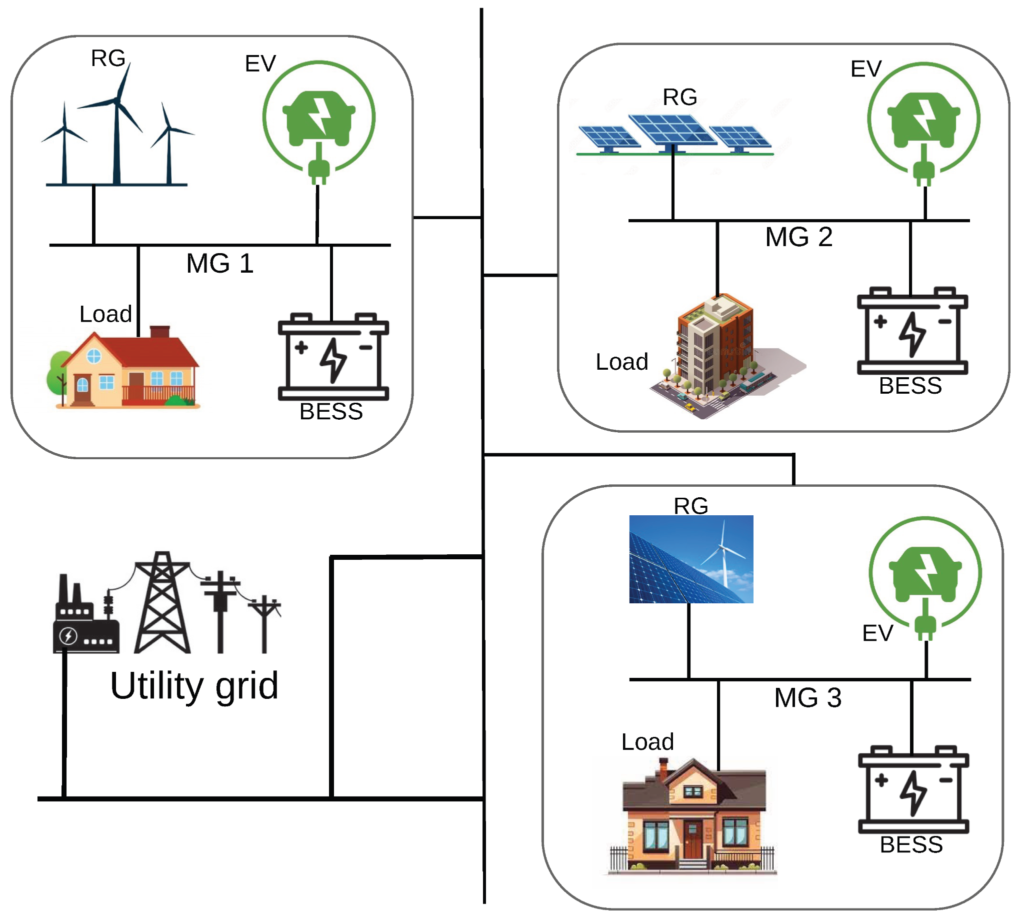
Battery storage has made the modern microgrid system more reliable and efficient, making it valuable across a wide range of industries. Organisations that depend on continuous electricity use Battery Energy Storage Systems (BESS) to improve power quality, reduce downtime, and optimise energy consumption. This creates a reliable energy solution for mission-critical operations.
Manufacturing facilities use battery-based microgrids to keep production lines running during grid disturbances while reducing peak electricity costs. Hospitals rely on stored energy to support life-saving medical equipment, emergency systems, and patient care during outages. Data centres benefit from instant battery backup that protects servers and sensitive IT infrastructure from power interruptions.
Universities, commercial buildings, airports, military facilities, and remote industrial sites also use battery-integrated microgrids to improve energy resilience and support renewable energy adoption. By combining generators, renewable energy, and battery storage, a microgrid system delivers dependable electricity while reducing operating costs and improving long-term energy security.
Challenges of Using Batteries in Microgrids
Although batteries provide many advantages, they also introduce several considerations that should be evaluated before implementing a microgrid system. Proper planning helps businesses maximise performance while achieving the best return on investment. This creates a well-planned energy storage strategy for long-term success.
One of the biggest challenges is the initial investment. Battery Energy Storage Systems require a higher upfront cost than conventional backup solutions, particularly for large industrial projects. However, many organisations offset these costs over time through lower fuel consumption, reduced electricity expenses, and improved operational efficiency.
Battery lifespan is another important factor. Over time, charging and discharging cycles gradually reduce battery capacity, making regular monitoring and eventual replacement necessary. Temperature control is equally important because extreme heat or cold can affect battery performance and longevity.
Maintenance, safety management, and end-of-life recycling should also be considered during system planning. Working with experienced providers ensures batteries are properly integrated, monitored, and maintained, allowing the microgrid system to deliver safe, efficient, and reliable performance throughout its operational life. This creates a sustainable battery management approach for modern energy infrastructure.
Benefits of Batteries in a Microgrid System
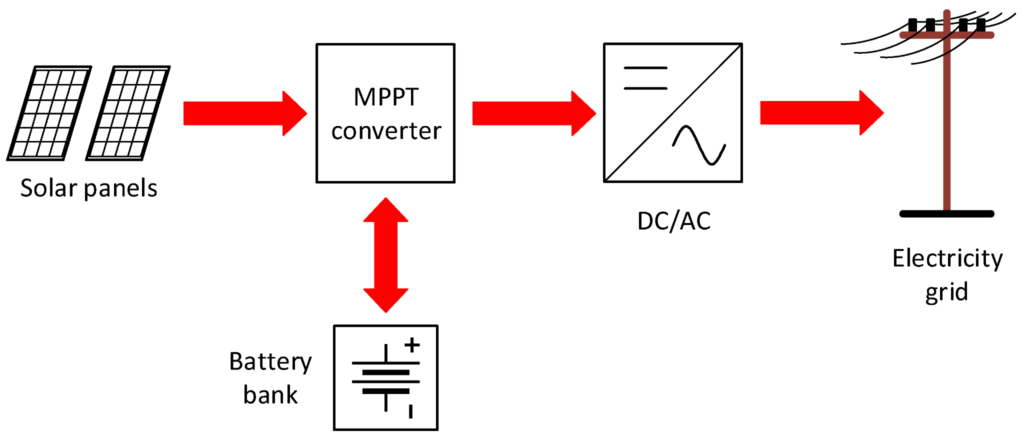
Batteries provide much more than emergency backup power. When integrated into a microgrid system, they improve energy efficiency, stabilise electricity supply, and help businesses make better use of available power resources. This creates a high-performance energy management solution for industrial and commercial facilities.
One of the biggest advantages is instant power availability. Unlike conventional generators that require a short startup period, batteries respond immediately during power interruptions, ensuring that sensitive equipment and critical operations continue without disruption. This is especially important for hospitals, manufacturing plants, and data centres where even a brief outage can result in significant operational losses.
Battery storage also supports peak shaving and load balancing. During periods of high electricity demand, stored energy can be used instead of relying entirely on utility power or operating generators at maximum capacity. This reduces fuel consumption, lowers electricity costs, and minimises wear on power generation equipment. This creates a cost-efficient power optimisation strategy that improves long-term operational performance.
Another important benefit is improved renewable energy utilisation. Batteries store excess electricity generated by solar panels or wind turbines and release it when renewable production decreases. This allows businesses to maximise clean energy usage while maintaining a reliable and stable power supply throughout the day.
Future of Battery Storage in Microgrid Systems
Battery technology continues to evolve, making the modern microgrid system more efficient, intelligent, and capable of supporting growing energy demands. Advances in battery chemistry, digital energy management, and renewable energy integration are enabling microgrids to deliver longer backup times, faster response, and greater operational flexibility. This creates a next-generation energy storage ecosystem for industrial and commercial applications.
One of the most promising developments is the advancement of solid-state and high-capacity lithium battery technologies. These next-generation batteries are expected to offer higher energy density, faster charging, longer service life, and improved safety compared to conventional battery systems. As these technologies mature, businesses will benefit from lower maintenance requirements and greater long-term value.
Artificial intelligence and advanced Energy Management Systems (EMS) are also transforming battery operation within a microgrid system. Intelligent software can analyse energy demand, predict consumption patterns, and automatically optimise charging and discharging schedules. This improves battery efficiency while maximising the use of renewable energy and reducing operating costs.
As industries continue investing in distributed energy infrastructure, battery storage will become an even more important part of future microgrids. Smarter Battery Energy Storage Systems, improved automation, and deeper renewable integration will help organisations build resilient, scalable, and sustainable power networks capable of meeting tomorrow’s energy challenges.
Build Smarter Battery-Based Microgrid Solutions with ALEO
Batteries have become a vital component of the modern microgrid system, improving power reliability, supporting renewable energy integration, and ensuring uninterrupted operations during changing energy conditions. When combined with dependable power generation and intelligent energy management, battery storage helps businesses build resilient and future-ready energy infrastructure. This creates a comprehensive power reliability solution for industrial and commercial facilities.
At ALEO, we provide industrial power solutions designed to integrate seamlessly with modern microgrid applications. Whether supporting backup generators, hybrid energy systems, or battery-based power networks, our solutions are engineered to deliver dependable performance, high efficiency, and long-term operational reliability.
Every ALEO system comes with UL certification from the USA, ensuring compliance with internationally recognised safety and quality standards. With direct shipment from the United States, on-site installation and debugging support, and a 1-year warranty, businesses receive complete confidence from installation through long-term operation.
Visit our website and connect with us to discover reliable industrial power solutions that support smarter, more efficient, and future-ready microgrid systems.