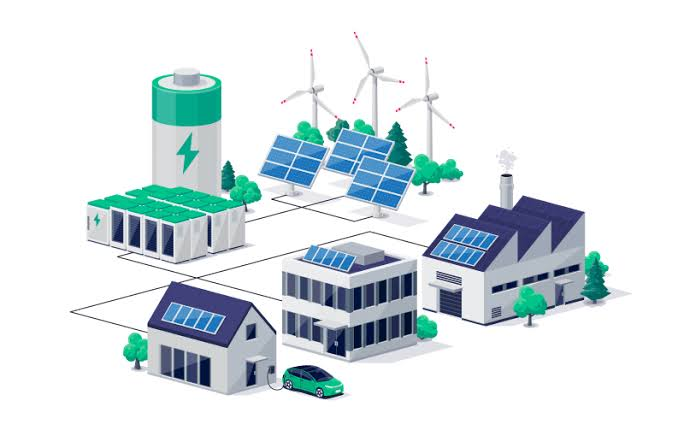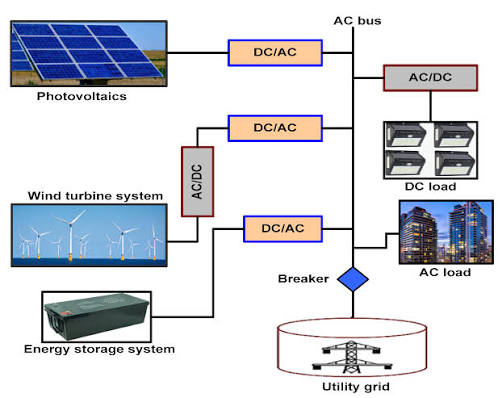
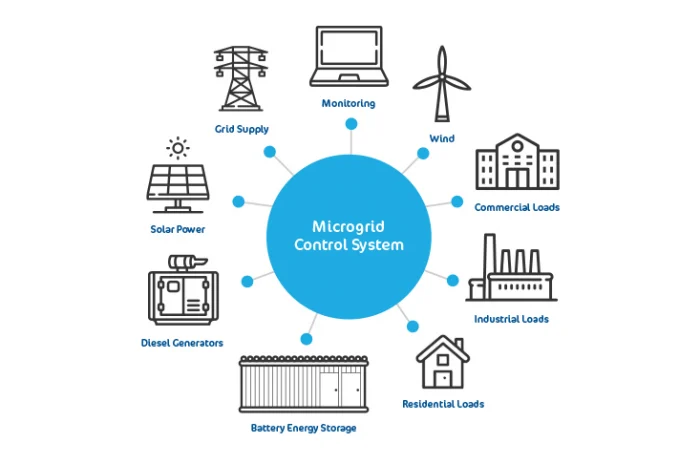
As industries and communities seek more reliable and flexible energy solutions, microgrids are becoming an increasingly important part of modern power infrastructure. Unlike traditional utility networks that distribute electricity across vast regions, a micro-grid is designed to generate and manage power for a specific location or group of facilities. This localised approach improves energy reliability, reduces dependence on the main grid, and supports uninterrupted operations during power disruptions.
When discussing the “range” of a micro-grid, many people assume it refers only to physical distance. In reality, the range of a micro-grid includes several factors, such as the area it can serve, the amount of electricity it can generate, the duration it can operate independently, and its ability to expand as energy demands grow. This creates a flexible and scalable energy solution for a wide variety of applications.
Advances in renewable energy, battery storage, and intelligent energy management systems have also made microgrids more capable than ever before. Whether powering a single commercial building, an industrial facility, or an entire campus, a well-designed microgrid can be customised to meet different operational requirements while maintaining high levels of efficiency and resilience.
In this article, we’ll explore what determines the range of a micro-grid, how large these systems can become, the factors that influence their performance, and why they are playing an increasingly important role in the future of distributed energy.
What is the Range of a microgrid?
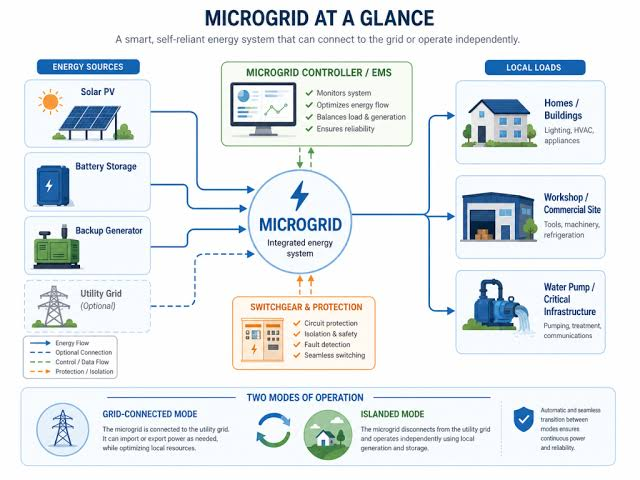
There is no single fixed range for a micro-grid because every system is designed according to the energy requirements of the facility it serves. Unlike traditional utility networks that distribute electricity across cities or regions, a micro-grid is built to supply power within a defined area while maintaining high reliability and operational efficiency. Its range depends on factors such as physical coverage, power generation capacity, battery storage, and system design. This creates a customizable energy infrastructure that can support applications of different sizes.
Physical Coverage Area
The physical range of a micro-grid can vary significantly. Smaller systems may supply electricity to a single building, warehouse, or commercial facility, while larger installations can power university campuses, hospitals, manufacturing plants, airports, industrial parks, or even remote communities. The coverage area is determined by the distribution network, connected electrical loads, and overall project requirements.
Unlike national power grids that transmit electricity over hundreds of kilometres, a micro-grid focuses on localised power distribution. By generating electricity close to where it is consumed, energy losses during transmission are minimised while improving system efficiency and reliability. This creates a localised power distribution network that supports uninterrupted operations.
Power Capacity
Another way to measure the range of a micro-grid is by its power capacity. Smaller commercial systems may generate only a few hundred kilowatts, while industrial microgrids can produce several megawatts of electricity to support heavy machinery and continuous production processes. Some utility-scale microgrids are capable of generating hundreds of megawatts, serving large campuses and critical infrastructure.
The capacity of a micro-grid depends on the combination of generators, renewable energy systems, and Battery Energy Storage Systems (BESS) installed within the network. As energy demand grows, additional generation units and storage systems can often be integrated without redesigning the entire infrastructure. This flexibility allows businesses to build energy systems that meet current needs while preparing for future expansion.
Operational Range
The operational range of a micro-grid refers to how effectively it can supply electricity under different operating conditions rather than the physical distance it covers. A well-designed microgrid can function both while connected to the utility grid and independently when the main grid becomes unavailable. This creates a resilient dual-mode power system that ensures continuous electricity for critical operations.
During normal conditions, a microgrid operates alongside the utility network, generating local electricity while drawing additional power from the grid when required. If a grid outage occurs, intelligent controllers automatically isolate the microgrid and switch it into island mode, allowing local generators, battery storage, and renewable energy sources to continue supplying electricity without interruption.
The duration of independent operation depends on several factors, including available fuel, battery capacity, renewable energy production, and overall electricity demand. Facilities with larger energy storage systems and multiple generation sources can remain operational for much longer periods, improving business continuity during extended power disruptions.
Scalability
One of the greatest strengths of a micro-grid is its scalability. Unlike conventional power systems that often require significant infrastructure upgrades, microgrids are designed to grow alongside changing energy requirements. This creates a future-ready energy infrastructure that supports long-term expansion.
Businesses can increase the capacity of a micro-grid by adding additional diesel generators, natural gas generators, solar panels, wind turbines, or Battery Energy Storage Systems (BESS). Intelligent energy management systems automatically integrate these new resources into the existing network while maintaining stable voltage, frequency, and power quality.
This modular design makes microgrids suitable for facilities that expect future growth, such as manufacturing plants, commercial campuses, airports, and industrial parks. Instead of replacing the entire energy system, organisations can expand their microgrid gradually, reducing investment costs while maintaining reliable and efficient electricity as operational demands increase.
What Determines the Range of a Micro-Grid?
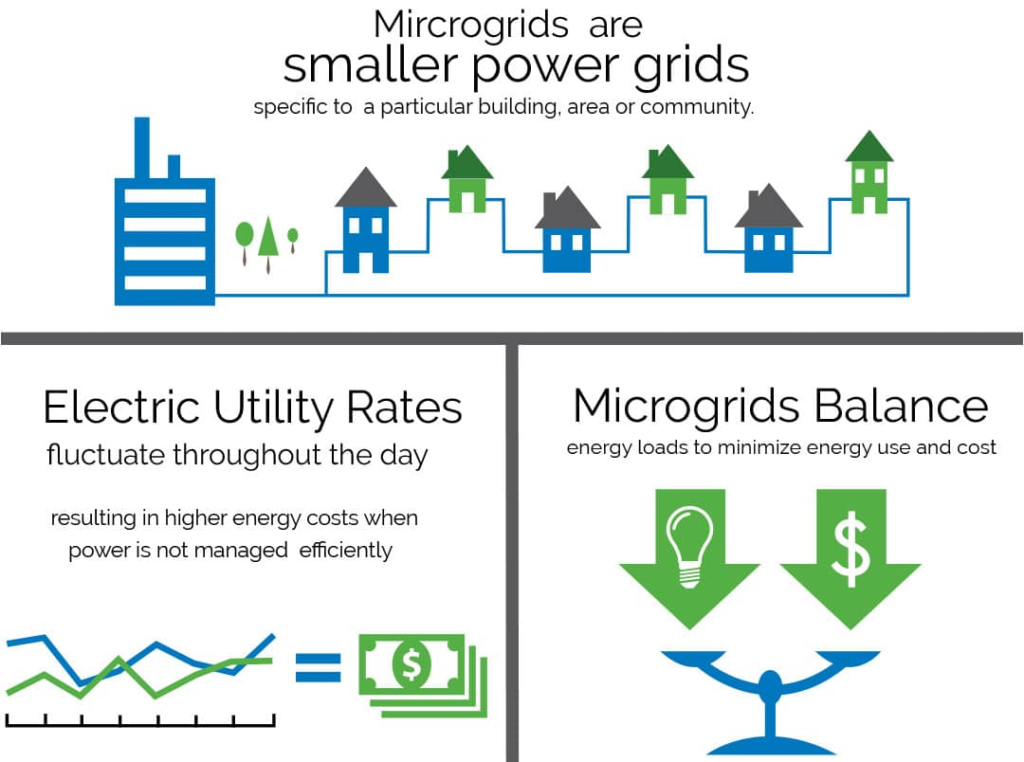
The range of a micro-grid is influenced by several technical and operational factors rather than a single measurement. Every installation is designed according to the facility’s energy requirements, meaning two microgrids of similar size may have very different capabilities. This creates a custom-engineered energy solution that meets specific operational needs.
One of the most important factors is energy demand. Facilities with higher electricity consumption require larger generation capacity and more advanced distribution infrastructure to maintain stable operations. Manufacturing plants, hospitals, and data centres typically need larger microgrids than office buildings or small commercial facilities.
The available power generation capacity also affects a microgrid’s range. Systems equipped with multiple generators, renewable energy sources, and battery storage can support larger electrical loads and operate independently for longer periods. Battery Energy Storage Systems (BESS) further extend operational capability by storing surplus electricity and supplying power when generation decreases or demand increases.
Another key factor is the energy management system. Intelligent controllers continuously monitor electricity production, battery levels, and consumption patterns to optimise power distribution throughout the network. Combined with properly designed distribution infrastructure, these technologies allow a micro-grid to operate efficiently while serving larger areas and more connected loads.
How Large Can a Micro-Grid Become?
One of the greatest advantages of a micro-grid is its scalability. There is virtually no fixed size limit because every system can be engineered according to the energy requirements of the facility it serves. This creates a highly scalable energy infrastructure for businesses of all sizes.
A small micro-grid may provide electricity for a single office building, warehouse, or retail facility, while larger installations can support manufacturing plants, hospitals, university campuses, airports, military bases, industrial parks, and even remote communities. Some utility-scale projects are capable of generating hundreds of megawatts of electricity by integrating multiple generators, renewable energy sources, and battery storage into one coordinated network.
The modular design of modern microgrids also allows businesses to expand over time. As electricity demand increases, additional generators, renewable energy systems, and Battery Energy Storage Systems (BESS) can be integrated without replacing the existing infrastructure. Intelligent control systems automatically manage these new resources while maintaining efficient operation.
This flexibility allows organisations to invest according to current operational needs while preparing for future growth. Whether serving one building or an entire industrial complex, a properly designed micro-grid can continue expanding alongside business operations. This creates a future-ready distributed energy solution that supports long-term reliability and business continuity.
A micro-grid is no longer limited to remote communities or small commercial facilities. Today, organisations across a wide range of industries use microgrids to improve energy reliability, reduce operating costs, and maintain business continuity during utility outages. This creates a reliable industrial energy solution for mission-critical operations.
The manufacturing sector is one of the largest users of microgrids because production lines depend on uninterrupted electricity. A microgrid helps factories maintain stable power for machinery, automation systems, and quality control equipment, reducing costly downtime and production losses.
In the healthcare industry, hospitals and medical centres rely on microgrids to provide continuous electricity for operating rooms, life-support equipment, laboratories, and emergency services. Unlike conventional backup systems, a micro-grid can seamlessly transition between grid-connected and island mode, ensuring critical medical operations continue without interruption.
Data centres also benefit significantly from microgrids because even a brief power outage can disrupt digital services, damage equipment, and result in financial losses. By combining generators, Battery Energy Storage Systems (BESS), and intelligent energy management systems, microgrids deliver stable and uninterrupted electricity for sensitive IT infrastructure.
Other industries, including airports, universities, mining operations, commercial buildings, and remote industrial facilities, use microgrids to strengthen energy resilience while supporting renewable energy integration. This creates a dependable distributed power network capable of meeting diverse operational requirements.
Benefits of Expanding a Micro-Grid
Expanding a micro-grid allows businesses to keep pace with growing energy demands without replacing their existing power infrastructure. Because microgrids are modular by design, organisations can gradually add generators, renewable energy systems, battery storage, and new electrical loads as operations expand. This creates a flexible long-term energy strategy for sustainable business growth.
One of the biggest benefits of expansion is improved power reliability. Additional generation capacity and Battery Energy Storage Systems (BESS) increase the system’s ability to maintain uninterrupted electricity during utility outages or periods of high demand. This helps businesses protect critical equipment, reduce downtime, and improve operational continuity.
Expanding a micro-grid also improves energy efficiency by allowing greater integration of renewable energy sources such as solar and wind power. Intelligent Energy Management Systems (EMS) automatically balance electricity generation, storage, and consumption to maximise renewable energy usage while reducing fuel consumption and operating costs.
Another important advantage is greater energy independence. As the micro-grid grows, businesses become less dependent on utility providers and better prepared for changing energy prices, grid instability, and future operational requirements.
By investing in scalable infrastructure today, organisations build a power system capable of supporting future expansion while maintaining reliable, efficient, and resilient operations. This creates a future-ready industrial energy infrastructure that delivers long-term value.
As energy demands continue to grow, the future of the microgrid lies in greater intelligence, flexibility, and scalability. Advances in automation, renewable energy, and battery technology are transforming microgrids from simple backup systems into fully integrated energy networks capable of supporting complex industrial and commercial operations. This creates a next-generation distributed energy ecosystem for modern businesses.
Artificial intelligence and advanced Energy Management Systems (EMS) are expected to play an increasingly important role in optimising microgrid performance. These intelligent platforms can analyse energy consumption patterns, predict electricity demand, and automatically manage generators, renewable energy sources, and Battery Energy Storage Systems (BESS) to improve efficiency and reduce operating costs.
Battery technology is also evolving rapidly, allowing microgrids to store more electricity, deliver longer backup durations, and integrate renewable energy more effectively. Combined with smart monitoring systems and predictive maintenance, these innovations will improve power reliability while extending equipment lifespan.
Another major trend is the growing adoption of hybrid micro-grid solutions that combine conventional generators with solar energy, wind power, and battery storage. These systems provide businesses with greater energy independence while reducing fuel consumption and supporting sustainability goals.
As governments and industries continue investing in distributed energy infrastructure, large-scale microgrids will become increasingly common across manufacturing facilities, hospitals, airports, commercial buildings, and remote operations. Their ability to deliver reliable, efficient, and scalable electricity will make them a cornerstone of future energy systems. This creates a future-ready power infrastructure for long-term business resilience.
Why Investing in the Right Micro-Grid Matters
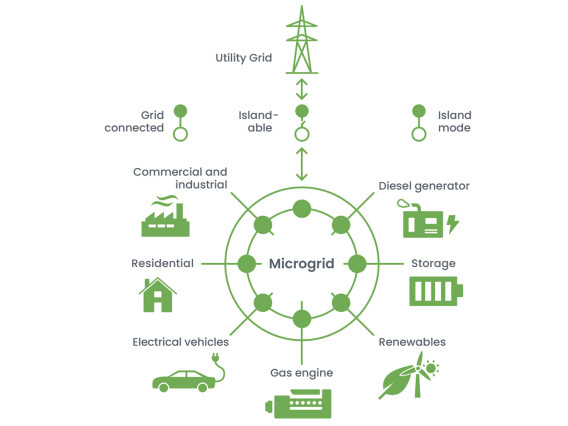
As energy demands become more complex, investing in the right microgrid is no longer just about preparing for power outages. It is about building an energy infrastructure that supports business growth, improves operational resilience, and adapts to changing electricity requirements over time. Organisations that implement properly designed microgrids gain greater control over how electricity is generated, stored, and distributed, allowing them to respond more effectively to fluctuating energy demands and utility grid disruptions. This creates a long-term energy resilience strategy for industrial and commercial operations.
A modern micro-grid also provides the flexibility to integrate new technologies as they become available. Businesses can gradually expand their systems by adding renewable energy sources, Battery Energy Storage Systems (BESS), or additional generators without replacing their existing infrastructure. This modular approach reduces future upgrade costs while ensuring the energy system continues to meet operational requirements. As industries place greater emphasis on efficiency, sustainability, and business continuity, investing in a scalable microgrid becomes a strategic decision that delivers long-term value, improved reliability, and a stronger foundation for future growth.
Build Scalable Micro-Grid Solutions with ALEO
The range of a micro-grid is not defined by a fixed distance but by its ability to meet the unique energy requirements of the facilities it serves. Whether powering a single commercial building or a large industrial complex, a properly designed microgrid provides reliable electricity, operational flexibility, and long-term scalability. This creates a smart energy foundation for modern businesses.
At ALEO, we deliver industrial power solutions engineered to support today’s growing energy demands. Our systems integrate seamlessly into microgrid applications, helping businesses improve energy resilience, optimise performance, and maintain uninterrupted operations across a wide range of industries.
Every ALEO solution comes with UL certification from the USA, ensuring compliance with internationally recognised safety and quality standards. With direct shipment from the United States, on-site installation and debugging support, and a 1-year warranty, customers receive dependable products backed by expert technical support.
Whether you are developing a new micro-grid or expanding an existing energy network, ALEO provides reliable, scalable, and future-ready power solutions designed for long-term performance.
Visit our website and connect with us to discover how our team can help you build a stronger and more resilient energy infrastructure.