As energy demands continue to grow, organisations are looking for smarter ways to improve reliability, reduce operating costs, and strengthen resilience against grid disruptions. One solution gaining significant attention is the scale microgrid, which enables power systems to expand as energy requirements evolve. Rather than relying solely on centralised electricity networks, scalable microgrids integrate multiple energy sources to create a more flexible and dependable power supply for commercial, industrial, and institutional facilities.
Unlike traditional power systems that often require extensive upgrades to accommodate growth, a scalable microgrid is designed with expansion in mind. It can integrate renewable energy, Battery Energy Storage Systems (BESS), conventional generation, and Energy Management Systems (EMS) into a unified framework that supports changing operational needs. This adaptability makes scalable microgrids an attractive solution for businesses seeking long-term energy security while improving efficiency and reducing downtime.
One common question surrounding these systems is ownership. While some people associate scale microgrids with specific companies, ownership is rarely limited to a single organisation. Depending on the project, a microgrid may be owned by utilities, private businesses, third-party investors, local communities, or public-private partnerships. Understanding these ownership structures helps organisations make informed decisions about financing, operation, maintenance, and future expansion.
This article explores what a scalable microgrid is, who typically owns scalable microgrid projects, the leading providers and competitors shaping the industry, and why scalable energy systems continue to play an increasingly important role in modern distributed energy infrastructure. It also examines how reliable power equipment supports these evolving systems and what businesses should consider when planning a future-ready energy infrastructure.
What Is a Scale Microgrid?
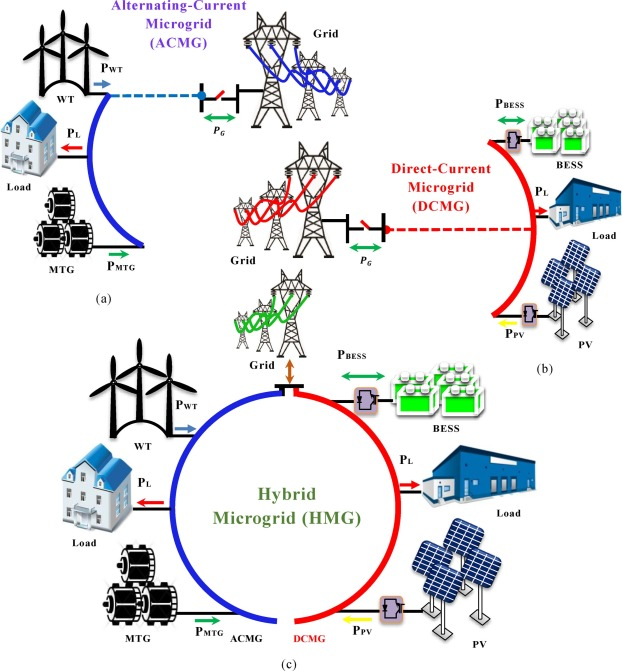
A scale microgrid is a flexible energy system that can grow alongside the needs of the facility or community it serves. Unlike traditional microgrids that are often designed for a fixed capacity, scalable microgrids are built with expansion in mind, allowing new energy resources, storage technologies, and electrical loads to be added over time. This modular approach enables organisations to start with a system that meets their current requirements while maintaining the flexibility to support future growth without completely redesigning the existing infrastructure.
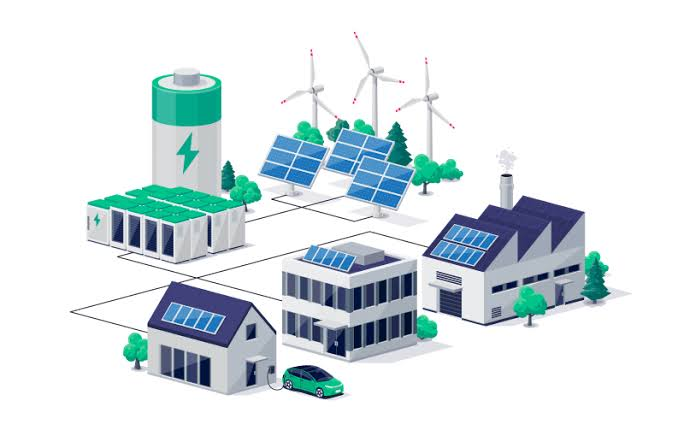
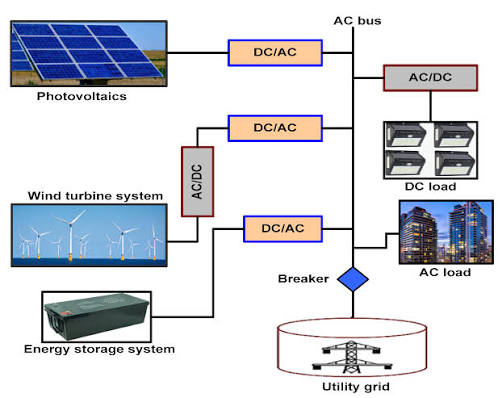
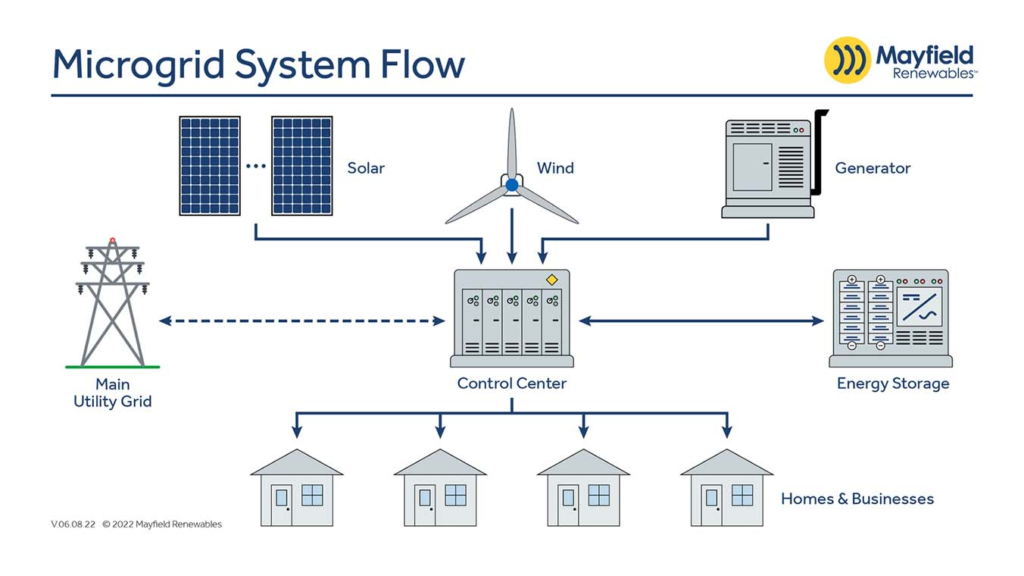
At its core, a scalable microgrid combines multiple energy sources into a coordinated network that can operate alongside the main utility grid or independently during outages. These systems often integrate renewable energy such as solar or wind, diesel generators, natural gas generators, Battery Energy Storage Systems (BESS), and advanced Energy Management Systems (EMS). The EMS continuously monitors energy production and consumption, automatically balancing available resources to maximise efficiency, reduce fuel consumption, and maintain stable power delivery across the facility.
One of the defining characteristics of a scale microgrid is its modular architecture. Instead of investing in a large, fully built system from the beginning, organisations can expand their energy infrastructure as operational demands increase. For example, a manufacturing plant may initially install generators and battery storage to provide backup power for critical equipment. As production grows or sustainability goals become more ambitious, additional renewable energy assets, storage capacity, or generation units can be integrated without disrupting the existing system. This phased investment strategy improves financial flexibility while reducing the risks associated with overbuilding.
Scalable microgrids are becoming increasingly valuable across industries where uninterrupted power is essential. Manufacturing facilities, data centres, healthcare campuses, mining operations, commercial developments, universities, and remote industrial sites all benefit from systems that can adapt to changing energy requirements. As businesses continue investing in distributed energy resources and modernising their operations, scalable microgrids provide a practical path toward greater resilience, improved operational efficiency, and reduced dependence on centralised utility networks. Their ability to evolve alongside technological advancements makes them an important component of today’s industrial grid energy solutions and a smart power management framework.
Who Owns Scale Microgrid Solutions?
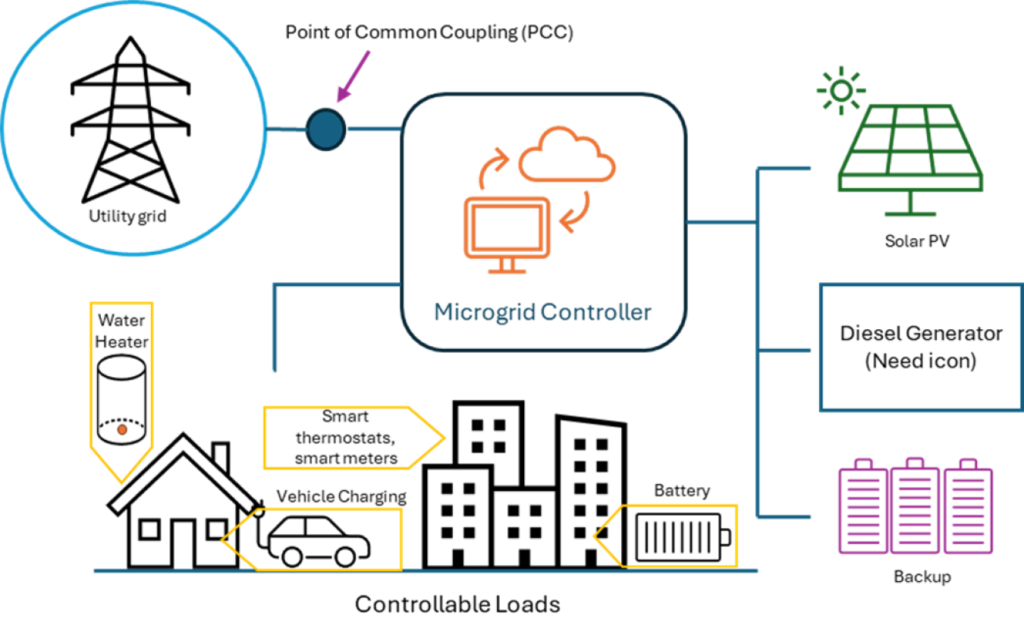
The ownership of a scale microgrid depends largely on the project’s purpose, financing model, and operational requirements. While some people associate scalable microgrids with a particular company or developer, the reality is that there is no single ownership model across the industry. Different stakeholders may own, operate, or manage a microgrid depending on who invests in the infrastructure, who consumes the electricity, and how the system is designed to support long-term energy goals. This flexibility is one of the reasons scalable microgrids have become increasingly popular across commercial, industrial, and public sectors.
Many industrial facilities choose to own their microgrids directly. In this model, the business invests in the generation equipment, Battery Energy Storage Systems (BESS), Energy Management Systems (EMS), and supporting infrastructure needed to power its operations. Direct ownership gives organisations greater control over maintenance schedules, equipment upgrades, energy costs, and system expansion. It also allows companies to customise their microgrid system according to production demands, sustainability targets, and backup power requirements.
Utility companies also play a significant role in microgrid ownership. Some utilities develop and operate scalable microgrids to improve grid reliability, strengthen service in remote areas, or support critical public infrastructure. These projects help stabilise the broader electricity network while allowing communities, hospitals, military facilities, and industrial parks to maintain reliable power during outages. In many cases, utilities work alongside technology providers and equipment manufacturers to integrate renewable energy, conventional generation, and energy storage into a unified solution.
Another common ownership structure involves third-party developers or energy service companies. Under this arrangement, a specialised company finances, builds, owns, and sometimes operates the microgrid, while the customer pays for the electricity or energy services provided. This approach reduces the upfront capital investment required from the end user, making scalable microgrids more accessible for organisations that want the benefits of distributed energy without managing the entire system themselves. Public-private partnerships and community-owned projects are also becoming more common, particularly in regions focused on improving local energy resilience and sustainability.
Regardless of who owns the system, successful scalable microgrids rely on collaboration among developers, utilities, equipment suppliers, and facility operators.
How Scale Microgrids Are Developed and Managed
Developing a scale microgrid involves far more than installing generators or connecting renewable energy sources. It requires careful planning, engineering, system integration, and ongoing management to ensure that every component operates as a coordinated energy network. Since each project has unique energy demands, developers typically design scalable microgrids with flexibility in mind, allowing additional generation capacity, storage, and control systems to be incorporated as operational requirements evolve.
The development process usually begins with an assessment of the facility’s energy profile. Engineers evaluate electricity consumption, critical loads, grid reliability, future expansion plans, and sustainability objectives before determining the most suitable combination of power resources. Depending on the application, the system may integrate diesel generators, natural gas generators, Battery Energy Storage Systems (BESS), solar panels, wind generation, or other forms of renewable energy. Selecting the right mix of technologies helps optimise efficiency while ensuring reliable backup power during utility outages or periods of peak demand.
Once the system design is finalised, engineering teams and equipment suppliers work together to install and commission the microgrid. One of the most important components is the Energy Management System (EMS), which acts as the operational intelligence behind the network. The EMS continuously monitors power generation, electricity demand, battery performance, and grid conditions, automatically determining which energy source should supply power at any given time. This real-time coordination improves fuel efficiency, reduces operating costs, and helps maintain stable performance across the entire microgrid system.
Effective management continues long after installation. Facility owners, utilities, or third-party operators regularly monitor equipment performance, schedule preventive maintenance, analyse energy data, and plan future capacity upgrades. As business operations expand, additional generators, storage units, or renewable energy assets can often be integrated without replacing the existing infrastructure. This modular approach allows organisations to protect their initial investment while adapting to changing production demands, regulatory requirements, and energy technologies.
Reliable equipment suppliers also play an important supporting role throughout the lifecycle of scalable microgrids. By supplying dependable power equipment that works alongside batteries, renewable resources, and advanced control systems, generator providers help strengthen modern industrial grid energy solutions and contribute to a high-performance energy strategy.
Who Are the Competitors of Scale Microgrid Solutions?
As the demand for resilient and decentralised power systems continues to grow, the market for scale microgrid solutions has become increasingly competitive. Rather than being dominated by a single company, the industry consists of global technology providers, power equipment manufacturers, engineering firms, and energy service companies that deliver different components of scalable microgrid projects. Some organisations specialise in digital energy management, while others focus on power generation, battery storage, or complete system integration.
Among the most recognised names in the industry are Schneider Electric, Siemens, ABB, Eaton, GE Vernova, Honeywell, Caterpillar, Cummins, Bloom Energy, and Mitsubishi Electric. These companies have established strong positions by offering technologies that support reliable, flexible, and scalable energy systems. Their portfolios often include Energy Management Systems (EMS), energy storage integration, distributed generation, digital monitoring platforms, and grid automation solutions that help organisations improve energy resilience and operational efficiency.
Although these companies compete in the same market, their strengths vary considerably. Some focus on advanced automation and energy optimisation software, while others are known for manufacturing high-capacity generators, battery technologies, or fuel cell systems. Many also partner with engineering firms, utilities, and independent developers to deliver customised microgrid projects for industrial facilities, healthcare campuses, military installations, universities, and commercial developments. As a result, customers often select providers based on project requirements rather than relying on a single vendor for every component.
It is also important to recognise that modern microgrid projects typically involve collaboration instead of direct competition alone. A single installation may combine generators from one manufacturer, battery systems from another supplier, renewable energy technologies from specialised developers, and monitoring software from a separate technology provider. This collaborative ecosystem enables organisations to build reliable and scalable power systems tailored to their operational needs while supporting the broader transition toward distributed energy.
Who Are the Leading Microgrid Providers?
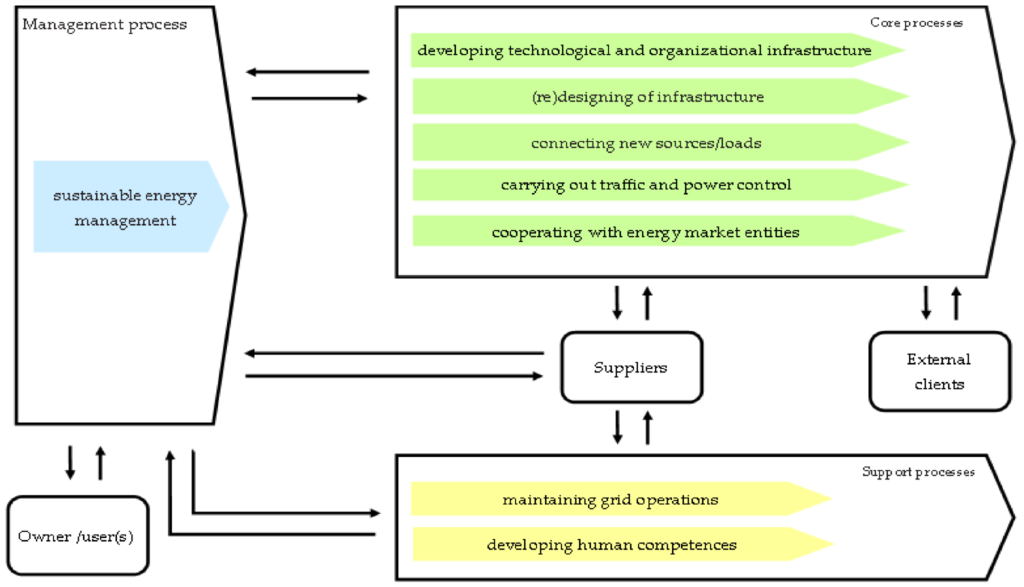
The leading providers in today’s microgrid industry are organisations that can deliver reliable technologies, integrate multiple energy resources, and support projects throughout their entire lifecycle. While every provider has its own area of expertise, the most successful companies combine engineering experience, advanced controls, and dependable power equipment to create systems that meet the evolving needs of commercial and industrial users. As demand for resilient energy infrastructure grows, these providers continue to expand their capabilities across different sectors and geographic regions.
Global companies such as Schneider Electric, Siemens, ABB, Eaton, GE Vernova, Honeywell, Caterpillar, Cummins, and Bloom Energy are widely recognised for their contributions to the microgrid market. Their solutions often include advanced control platforms, Battery Energy Storage Systems (BESS), renewable energy integration, power distribution equipment, and intelligent monitoring tools. Many also provide consulting, engineering, commissioning, and long-term service to help organisations maximise system performance and reliability.
Choosing the right provider involves more than comparing brand names. Businesses should evaluate factors such as industry experience, system scalability, technical support, equipment compatibility, and the ability to integrate with existing infrastructure. A provider that understands complex industrial operations can design solutions that balance energy efficiency with operational reliability while allowing future expansion as energy demands increase. This flexibility is particularly valuable for organisations planning long-term investments in cleaner and more resilient power systems.
Why Choosing the Right Power Partner Matters
As energy systems become more decentralised and businesses place greater emphasis on reliability, scalability, and sustainability, the importance of well-designed microgrid infrastructure will continue to grow. Understanding who owns a scale microgrid is only one part of the equation. Equally important is selecting trusted technology partners and dependable equipment that can support long-term performance. Whether a project is owned by a private company, utility, community, or third-party developer, its success depends on how effectively different energy resources are integrated and managed over time.
Scalable microgrids are designed to adapt to changing operational needs, making them a practical investment for organisations seeking greater energy resilience. By combining renewable resources, energy storage, intelligent controls, and reliable power generation, businesses can reduce operational risks while building a stronger foundation for future growth. Choosing high-quality equipment from experienced suppliers helps ensure these systems remain efficient, flexible, and ready to meet increasing energy demands.
Power Your Future with Reliable Industrial Energy Solutions. Connect With ALEO Today!
As industries continue to prioritise energy resilience, efficiency, and sustainability, investing in the right-scale microgrid solution has become a strategic advantage. Whether owned by a private enterprise, utility, community, or third-party provider, scalable microgrids enable organisations to adapt to changing energy demands while improving reliability and reducing dependence on traditional grid infrastructure. Choosing experienced technology partners and high-quality equipment is essential to ensuring long-term performance and operational flexibility.
ALEO delivers advanced industrial microgrid and power solutions designed to support modern energy infrastructure across a wide range of applications. From integrating generators, energy storage, and renewable energy sources to supporting scalable and hybrid power systems, ALEO helps businesses build resilient, future-ready energy networks tailored to their operational requirements.
With UL-certified products from the United States, direct shipment from the USA, professional on-site installation and debugging support, and a 1-year warranty, ALEO is committed to delivering dependable energy solutions that meet the highest industry standards. Whether you’re expanding an existing facility or developing a new microgrid project, ALEO provides the expertise and technology to help you build a future-ready energy infrastructure.
Visit our website and connect with us to explore reliable systems built for long-term emergency power needs.