Modern hospitals depend on electricity for nearly every aspect of patient care, from life-support equipment and surgical systems to diagnostic imaging and communication networks. Even a brief power interruption can affect critical medical operations and compromise patient safety. This makes a reliable hospital emergency power system one of the most important components of healthcare infrastructure. Continuous healthcare power supply is essential for maintaining safe and effective medical services.
Power outages can occur due to severe weather, grid failures, equipment malfunctions, or other unexpected events. When these situations arise, hospitals must continue operating without disruption to ensure that critical patients receive uninterrupted care. Emergency departments, intensive care units, operating theatres, and laboratory facilities all require dependable electricity at all times. Uninterrupted patient care operations depend heavily on reliable backup power systems.
To address these risks, hospitals invest in advanced emergency power solutions that automatically provide electricity when the main utility supply fails. These systems are designed with redundancy, fuel reserves, and automatic switching mechanisms to maintain essential services during emergencies. Comprehensive backup power infrastructure helps healthcare facilities remain operational under challenging conditions.
Beyond supporting medical equipment, emergency power also protects refrigeration systems for medicines, security networks, ventilation equipment, and digital patient records. A well-designed hospital emergency power strategy ensures that critical functions continue operating while minimising risks to staff and patients. Critical facility resilience planning strengthens overall healthcare preparedness.
In this article, we will discuss how hospitals maintain power during outages, the role of emergency generators, backup power regulations, runtime expectations, and the importance of reliable hospital emergency power systems.
Why Reliable Power Is Critical for Hospitals
Hospitals are among the most power-dependent facilities in modern society because many medical systems must operate continuously without interruption. Equipment such as ventilators, patient monitors, infusion pumps, and imaging systems relies on a stable electricity supply to function correctly. Continuous medical equipment operation is essential for patient safety and treatment effectiveness.
Power is equally important for hospital infrastructure beyond direct patient care. Lighting systems, elevators, communication networks, ventilation systems, and electronic medical records all require dependable electricity to support daily operations. A prolonged outage can disrupt hospital workflows and reduce the ability of medical teams to respond quickly to emergencies. Essential facility operation support depends on a reliable power source.
Critical care areas such as intensive care units, operating theatres, and emergency departments have particularly high power requirements. Any interruption in these locations can create serious risks for patients who depend on life-saving equipment and immediate medical intervention. Critical care reliability requirements make backup power systems a mandatory part of the healthcare infrastructure.
Hospitals also store temperature-sensitive medicines, vaccines, blood products, and laboratory samples that require constant refrigeration. Emergency power systems help preserve these resources during outages and prevent costly losses. Medical storage protection systems play a vital role in maintaining healthcare readiness.
Do Hospitals Have Generators in Case of a Power Outage?
Yes, hospitals are equipped with emergency generators specifically designed to provide electricity when utility power is lost. These generators automatically start within seconds of an outage and supply power to critical hospital systems. Automatic emergency power response helps ensure uninterrupted patient care during electrical failures.
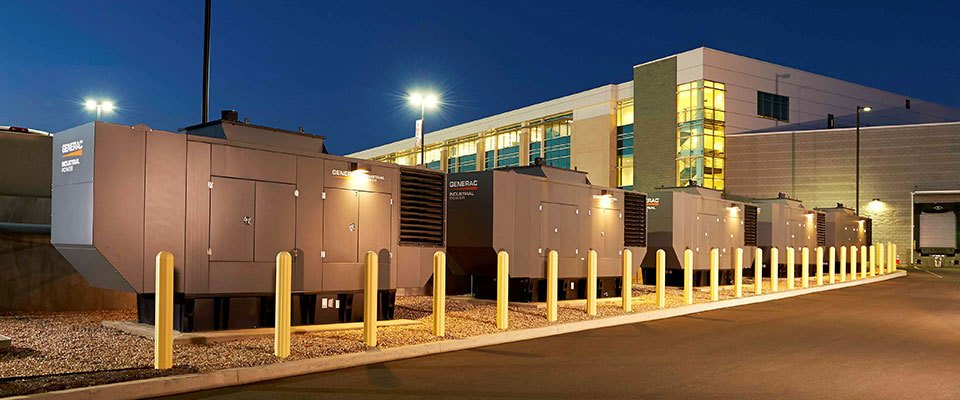
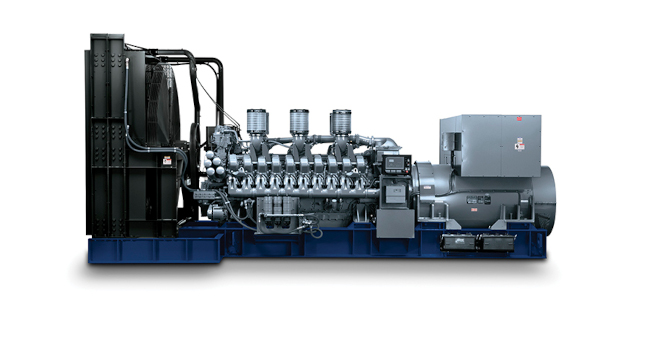
Most healthcare facilities use large diesel-powered generators because of their reliability, durability, and ability to support substantial electrical loads for extended periods. These systems are carefully sized to handle essential hospital operations during emergencies. High-capacity backup generation supports critical healthcare functions.
Hospitals do not typically connect every electrical system to emergency generators. Instead, power is prioritised for critical circuits such as life-support equipment, operating rooms, emergency lighting, communication systems, and essential medical infrastructure. Critical load prioritisation strategy ensures that the most important services remain operational.
To maintain readiness, hospital generators undergo regular testing, inspections, and maintenance procedures. This helps verify that emergency power systems will function correctly whenever they are needed. Routine reliability verification is a key part of hospital emergency preparedness.
Do Hospitals Have Their Own Power Source?
Yes, most hospitals have their own backup power sources in addition to the utility grid. While hospitals normally receive electricity from public power networks, they maintain independent emergency power systems that can immediately take over during outages. Independent backup power capability is a fundamental requirement for modern healthcare facilities.
The primary emergency power source in most hospitals is a diesel generator system. These generators are designed to start automatically when utility power fails and provide electricity to critical hospital operations. Depending on the facility size, hospitals may use multiple generators operating together to ensure sufficient capacity and redundancy. Generator-based emergency infrastructure supports continuous medical operations.
Many hospitals also use uninterruptible power supply (UPS) systems and battery backups to bridge the short gap between utility failure and generator startup. These systems provide instant power to sensitive equipment such as patient monitors, data servers, and life-support devices. Instant backup power protection helps prevent interruptions during power transitions.
Larger healthcare facilities often implement a multi-layered approach to hospital emergency power by combining generators, UPS systems, battery storage, and advanced monitoring technologies. This redundancy helps ensure that even if one backup component encounters a problem, critical services remain operational. A layered power resilience strategy improves overall reliability and emergency preparedness.
How Hospital Emergency Power Systems Work
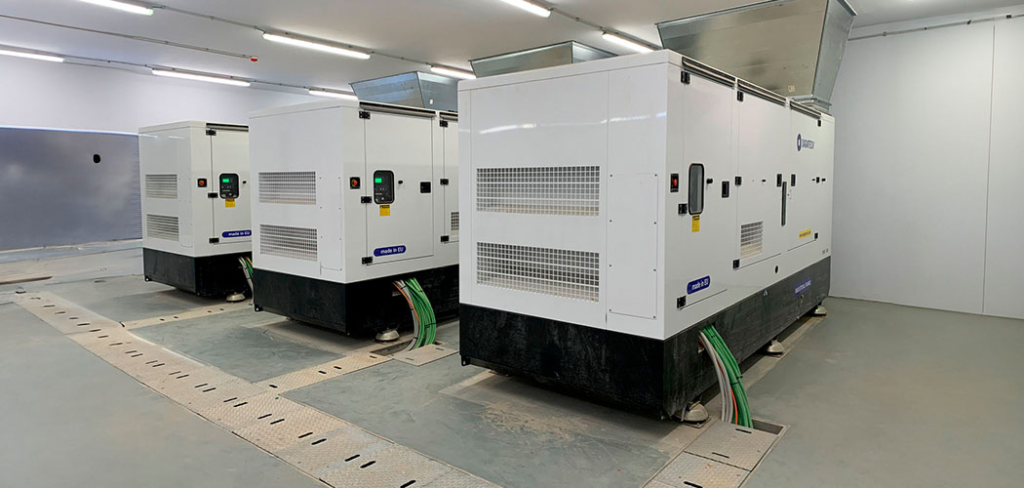
Hospital emergency power systems are designed to provide reliable electricity within seconds of a utility failure. These systems use multiple layers of protection, automation, and redundancy to ensure that critical medical services continue operating without interruption. Integrated emergency power architecture is essential for maintaining patient safety during outages.
Automatic Transfer Switch Operation
The emergency power process begins with an automatic transfer switch (ATS), which continuously monitors incoming utility power. When an outage is detected, the ATS immediately signals the backup generators to start operating. An automatic outage detection system enables a rapid response to power failures.
Once the generators reach stable operating conditions, the ATS transfers critical hospital loads from utility power to emergency power. This transition occurs within seconds, minimising disruption to essential medical equipment and facility operations. Rapid power transfer capability helps maintain uninterrupted healthcare services.
Essential and Critical Power Circuits
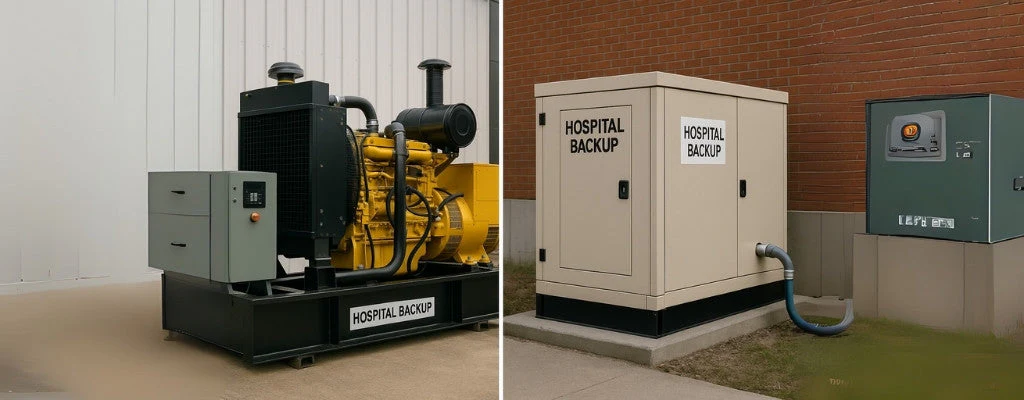
Not every electrical circuit in a hospital is treated equally during an emergency. Hospitals divide their electrical infrastructure into different categories based on operational importance. Critical circuit prioritisation strategy ensures that essential systems receive power first.
Emergency power is directed to intensive care units, operating theatres, emergency departments, life-support systems, nurse call systems, emergency lighting, and communication networks. This approach allows hospitals to maintain patient care even during extended outages. Priority healthcare power distribution supports continuous medical treatment.
Generator Capacity Planning
Hospital generators are carefully sized according to the facility’s electrical requirements. Engineers analyse equipment loads, patient care demands, HVAC systems, and emergency operations to determine the required generator capacity. Comprehensive load assessment planning helps ensure sufficient backup power availability.
Many hospitals also incorporate additional capacity beyond current needs to accommodate future expansion and unexpected emergency demands. This planning reduces the risk of generator overload during critical situations. Long-term capacity management improves operational resilience.
Fuel Storage and Supply Management
Reliable emergency power depends not only on generators but also on adequate fuel reserves. Hospitals typically maintain large on-site diesel storage systems capable of supporting operations for extended periods. Emergency fuel reserve planning is a key element of preparedness.
Fuel quality is regularly monitored to prevent contamination, degradation, or storage-related issues that could affect generator performance. Hospitals may also establish fuel delivery agreements with suppliers to ensure continued operation during prolonged emergencies. Fuel reliability management systems help maintain uninterrupted backup power.
Backup Power Redundancy
Hospitals cannot rely on a single generator because any equipment failure during an emergency could have serious consequences. For this reason, many healthcare facilities install multiple generators that can operate independently or in parallel to support critical loads. Redundant power system design significantly improves reliability during unexpected failures.
If one generator experiences a malfunction, another unit can continue supplying electricity to essential hospital operations. This layered approach reduces risk and helps ensure uninterrupted patient care even during equipment maintenance or technical issues. Fail-safe operational continuity is a core principle of hospital emergency power planning.
Maintenance and Testing Requirements
Emergency generators are only effective if they function properly when needed. Hospitals, therefore, follow strict maintenance schedules that include inspections, servicing, and performance testing throughout the year. A preventive maintenance program helps maintain system readiness and reliability.
Many facilities perform load bank testing to verify generator performance under simulated operating conditions. These tests help identify potential issues before an actual emergency occurs and ensure compliance with healthcare regulations. Routine performance verification strengthens emergency preparedness and operational confidence.
How Long Do Hospital Emergency Generators Last?
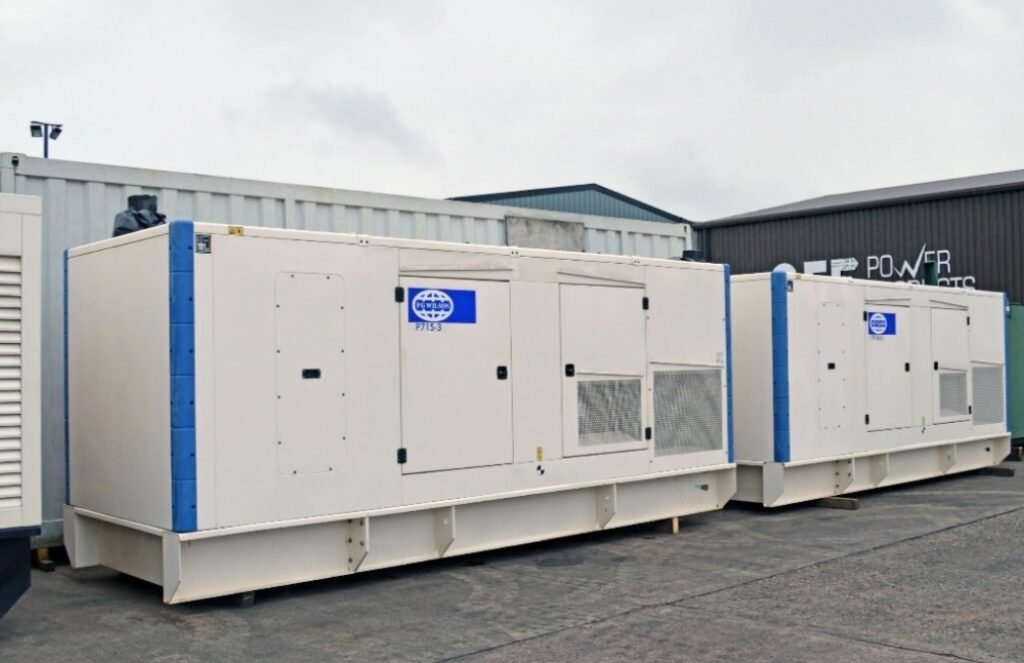
Hospital emergency generators are designed for extended operation and can often run continuously for several days as long as sufficient fuel is available. Most healthcare facilities maintain large fuel reserves specifically to support critical services during prolonged outages. Extended emergency runtime capability is essential for healthcare resilience.
The actual runtime depends on generator size, fuel storage capacity, and the amount of electrical load being supported. Larger hospitals with higher power demands typically consume fuel more quickly, while smaller facilities may operate longer on the same fuel supply. Fuel consumption management plays a major role in emergency planning.
In terms of lifespan, hospital-grade generators can often remain in service for decades when properly maintained. Regular servicing, component replacement, and operational testing help ensure long-term reliability and performance. Long-term equipment durability makes emergency generators a valuable healthcare infrastructure investment.
What Is the 3 Day Rule in a Hospital?
The 3-day rule generally refers to emergency preparedness planning that enables hospitals to remain operational for at least 72 hours during a major disaster or infrastructure failure. This includes maintaining sufficient fuel, medical supplies, water, food, and backup resources to support critical functions. The seventy-two-hour preparedness standard helps hospitals respond effectively to emergencies.
Emergency power systems play a central role in meeting this requirement. Hospitals often size fuel reserves and generator capacity to support essential services for multiple days without relying on immediate external assistance. Emergency resource sustainability improves resilience during large-scale disruptions.
The rule is particularly important during natural disasters, severe weather events, or widespread utility failures when supply chains and transportation networks may be temporarily affected. Proper planning allows healthcare facilities to continue treating patients while recovery efforts are underway. Disaster readiness planning strengthens overall healthcare continuity.
Challenges of Maintaining Hospital Emergency Power
Maintaining hospital emergency power systems is complex because these systems must remain ready at all times while supporting highly critical medical loads. One of the biggest challenges is ensuring fuel availability for extended outages, as generators depend heavily on a continuous diesel supply for operation. Emergency fuel dependency management is a key operational concern for hospitals.
Another major challenge is system reliability under constant readiness conditions. Emergency generators may remain idle for long periods, which can lead to issues such as fuel degradation, battery weakening, or mechanical wear if not properly maintained. Standby system readiness risk requires strict maintenance schedules and regular testing.
Hospitals must also manage strict regulatory and safety standards, which require frequent inspections, load testing, and documentation. This increases operational complexity and demands specialised technical teams to ensure compliance. Healthcare compliance requirements add an additional layer of responsibility.
Infrastructure cost is another important factor, as hospital-grade emergency power systems require significant investment in generators, fuel storage, transfer switches, and monitoring systems. High infrastructure investment needs make planning and budgeting essential for healthcare facilities.
Future Trends in Hospital Emergency Power
Modern hospitals are increasingly adopting smarter and more efficient emergency power systems that integrate automation, remote monitoring, and predictive maintenance. These technologies help identify potential issues before failures occur and improve system reliability. Smart power monitoring integration is shaping the future of healthcare energy systems.
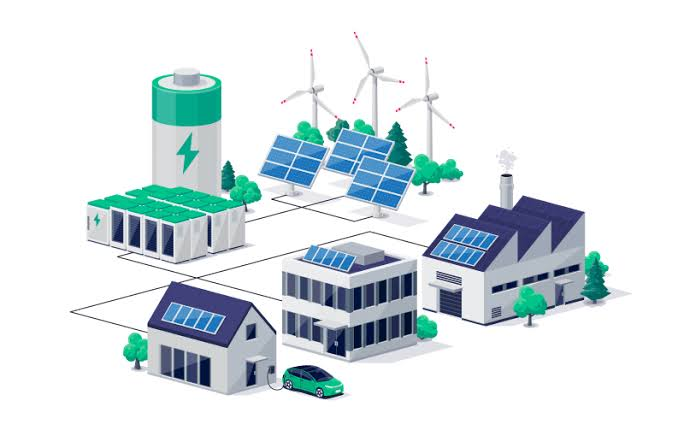
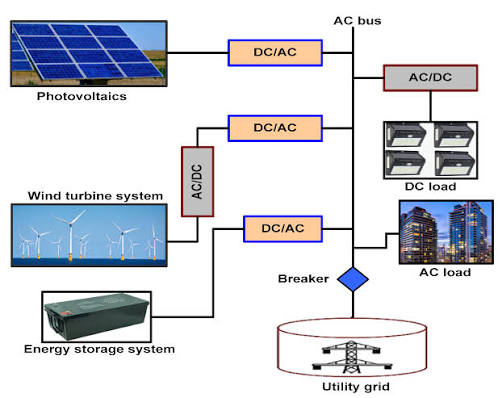
Hybrid energy solutions combining diesel generators with battery storage and renewable energy sources are also becoming more common. These systems reduce fuel dependency while improving sustainability and operational efficiency. Hybrid energy system adoption enhances long-term resilience.
Advanced control systems now allow hospitals to manage power distribution more precisely, ensuring that critical medical equipment receives priority during emergencies. This improves both safety and energy efficiency. Intelligent load management systems optimise hospital power usage during outages.
As technology continues to evolve, hospital emergency power systems are expected to become more automated, efficient, and environmentally sustainable while maintaining the high reliability required in healthcare environments. Next-generation healthcare resilience is driving innovation in emergency power infrastructure.
Get Reliable And Efficient Power Solutions – Connect With ALEO Today!
Hospital emergency power systems are a critical part of modern healthcare infrastructure, ensuring that life-saving equipment and essential medical services continue operating during unexpected power outages. From operating theatres and intensive care units to refrigeration systems and communication networks, these backup systems play a direct role in patient safety and hospital continuity. Reliable healthcare power continuity is essential for uninterrupted medical care.
The ability of hospitals to sustain operations for extended periods, including the widely recognised 72-hour preparedness standard, highlights the importance of fuel planning and system resilience. Well-designed emergency power infrastructure ensures that critical care is never compromised, even during large-scale disruptions. Healthcare emergency readiness planning strengthens overall system resilience.
ALEO provides UL-certified generator solutions from the USA with direct shipment, on-site installation and debugging, and a 1-year warranty to support dependable and efficient emergency power systems. Trusted industrial power solutions ensure long-term reliability when it matters most.
Visit our website and connect with us to explore more reliable generator solutions and advanced backup power systems for critical applications.