Meta Description: Compare generators and inverters for industrial and backup power applications. Learn the differences, runtime capabilities, battery requirements, and which solution is better for your energy needs.
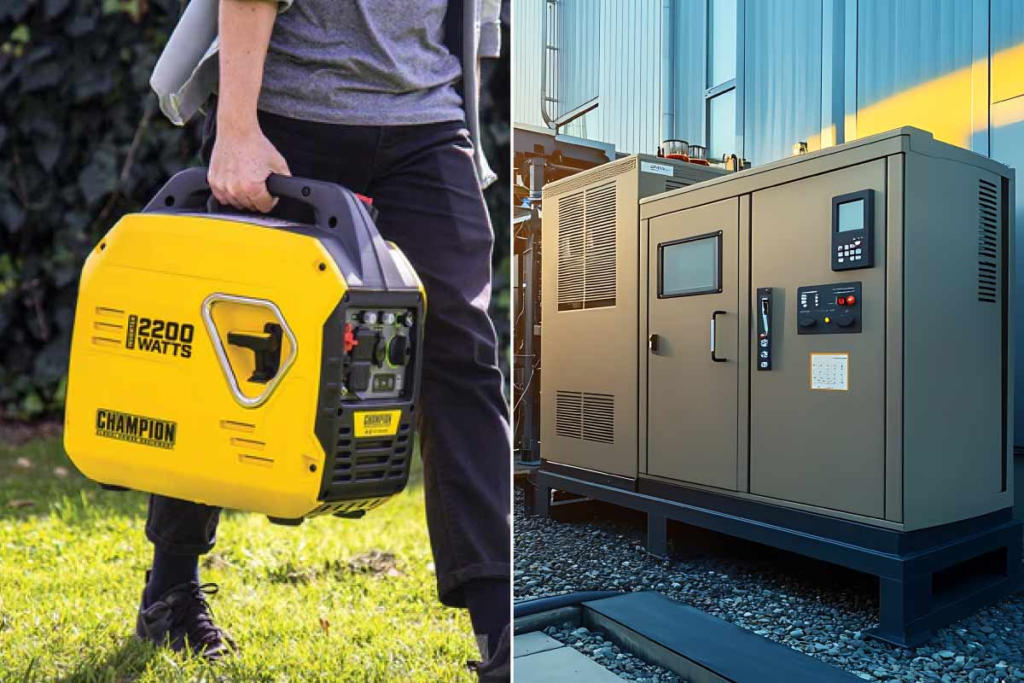
Reliable backup power has become essential for both residential and industrial users as power outages, energy instability, and operational demands continue to increase. Businesses and homeowners now rely on alternative power systems to maintain productivity, protect equipment, and ensure uninterrupted operations during electrical failures. This creates a growing backup power demand across multiple sectors.
When comparing backup solutions, the discussion around Genset vs inverter is one of the most common considerations. Both systems are designed to provide electricity during outages, but they operate differently and are suited for different applications, runtime requirements, and load capacities.
Inverters are typically preferred for short-term, low-noise, and battery-based power support, especially in homes and small offices. Generators, on the other hand, are designed for heavy-duty operation and can supply electricity for long durations under high-load conditions. This creates a capacity and runtime difference between the two technologies.
Choosing between a generator and an inverter depends on several factors, including power demand, operational hours, fuel availability, maintenance expectations, and long-term energy requirements. Selecting the wrong system can lead to insufficient backup capacity, operational inefficiency, or unnecessary costs.
In this article, we will compare Genset vs inverter systems in detail, including their power capabilities, runtime differences, operational costs, battery requirements, and suitability for industrial and residential applications. So, read on:
Genset vs Inverter: What Are the Main Differences?
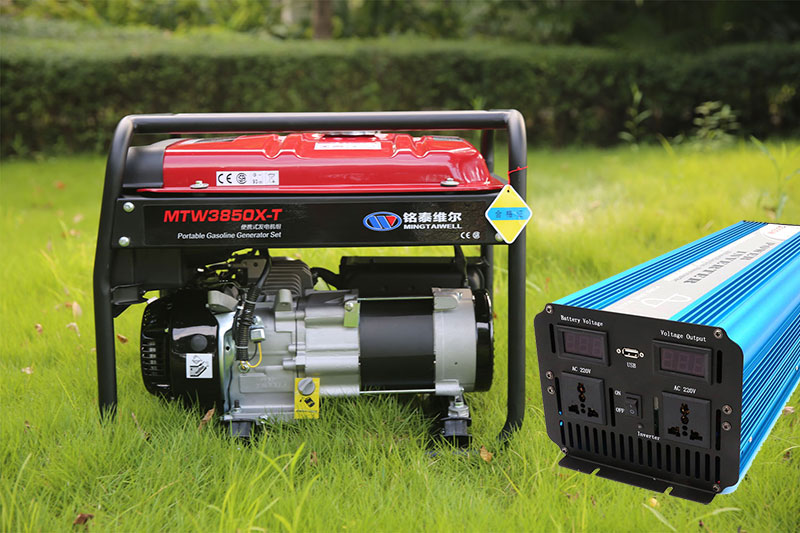
In the discussion of Genset vs inverter, generators are generally designed for heavy-duty and continuous operation, while inverters are more suitable for short-duration and low-load backup requirements. Understanding these differences helps users select the most practical and cost-effective solution for their specific needs.
Power Output and Load Capacity
One of the biggest differences between generators and inverters is their ability to handle electrical load. Generators are designed for high-capacity operation and can support heavy industrial equipment, motors, compressors, and large facilities without significant performance limitations. This creates a high-load industrial power capability for commercial applications.
Inverters, on the other hand, are limited by battery capacity and inverter rating. They are typically used for powering lights, computers, fans, televisions, and smaller appliances rather than industrial machinery. In large-scale Genset vs inverter comparisons, generators clearly dominate in terms of load handling and scalability.
Generators are also better suited for sudden load changes because fuel-powered engines can sustain high startup currents more effectively than battery systems. This makes them more reliable in environments with fluctuating operational demands.
Runtime and Continuous Operation
Runtime is another major difference between the two systems. Generators can continue operating for extended periods as long as fuel is available, making them ideal for industrial facilities, hospitals, and critical infrastructure requiring uninterrupted power. This provides a long-duration operational advantage during outages or remote operations.
Inverters rely entirely on stored battery energy, meaning their runtime is limited by battery size and charging capability. Once batteries are depleted, the inverter stops supplying power until recharged. In the comparison of Genset vs inverter, generators are generally more suitable for continuous operation, while inverters are better for short-term backup and low-energy applications. Industrial environments usually prioritise runtime reliability over silent operation, making generators the preferred solution.
Generators and inverters differ significantly in the way they store and deliver energy. Generators rely on diesel, gasoline, or natural gas to produce electricity continuously, while inverters depend on stored battery energy that must be recharged regularly. This creates a fuel versus battery dependency difference between the two systems.
One of the biggest advantages of generators is that they can continue operating for long durations as long as fuel is available. This makes them highly practical for industrial operations, construction sites, and remote environments where uninterrupted power is critical. In the overall Genset vs inverter comparison, generators provide greater flexibility for high-demand applications.
Inverters, however, are limited by battery capacity. Larger battery banks can increase runtime, but they also increase cost, charging time, and maintenance requirements. Operational cost also varies between the two systems. Generators require continuous fuel consumption and periodic servicing, while inverters mainly involve battery replacement and electricity charging costs. The better option depends on runtime expectations, energy demand, and operational priorities. This creates a usage-based operational cost comparison for backup power planning.
Noise, Portability, and Maintenance
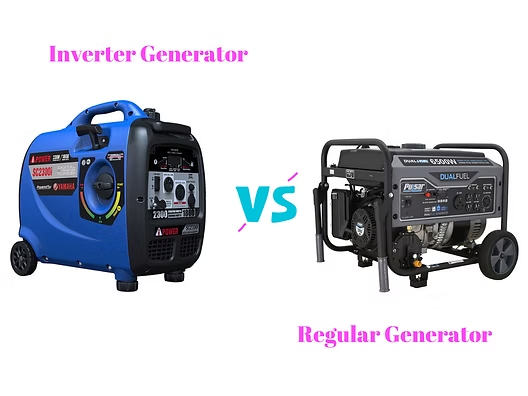
Noise level is one of the most noticeable differences between generators and inverters. Inverters operate silently because they do not use combustion engines during power delivery, making them suitable for homes, offices, and indoor environments where low noise is preferred. This provides a quiet backup power advantage for residential users.
Generators, especially industrial units, produce noticeable engine noise during operation due to fuel combustion and mechanical movement. Although soundproof enclosures can reduce noise levels, generators are generally louder than inverter systems.
Portability also varies depending on system size. Small inverters are lightweight and easy to move, while industrial generators are larger and require dedicated installation space, ventilation, and fuel storage. However, generators provide much higher power capacity and runtime capability compared to portable inverter systems.
Maintenance requirements are another important factor in the Genset vs inverter comparison. Generators require regular servicing, such as oil changes, filter replacement, and engine inspection,s to maintain reliability. Inverters typically require less mechanical maintenance but depend heavily on battery condition and charging efficiency. This creates a maintenance and reliability trade-off between the two technologies.
Why Use An Inverter Instead of a Generator?
Inverters are often preferred in situations where quiet operation, simplicity, and short-term backup power are more important than high load capacity or long runtime. They are widely used in homes, small offices, and light commercial setups where power demand is moderate, and noise control is essential. This creates a low-noise backup preference in residential energy systems.
In the context of a genset vs. an inverter, inverters offer several practical advantages for everyday use, especially where users do not require heavy industrial power support. They are also easier to install and operate compared to fuel-based generators, making them a convenient solution for non-industrial environments.
One of the key reasons people choose inverters is their silent operation. Since they rely on batteries instead of combustion engines, they produce no noise during usage. This makes them ideal for indoor use, nighttime backup, and environments where noise restrictions are important. This provides a quiet residential power solution for users.
Inverters also require less maintenance compared to generators because they have fewer mechanical components. There is no need for fuel management, oil changes, or engine servicing. However, their performance depends entirely on battery capacity and charging availability, which limits their long-term heavy-load usage.
Can You Run an Inverter 24 Hours a Day?
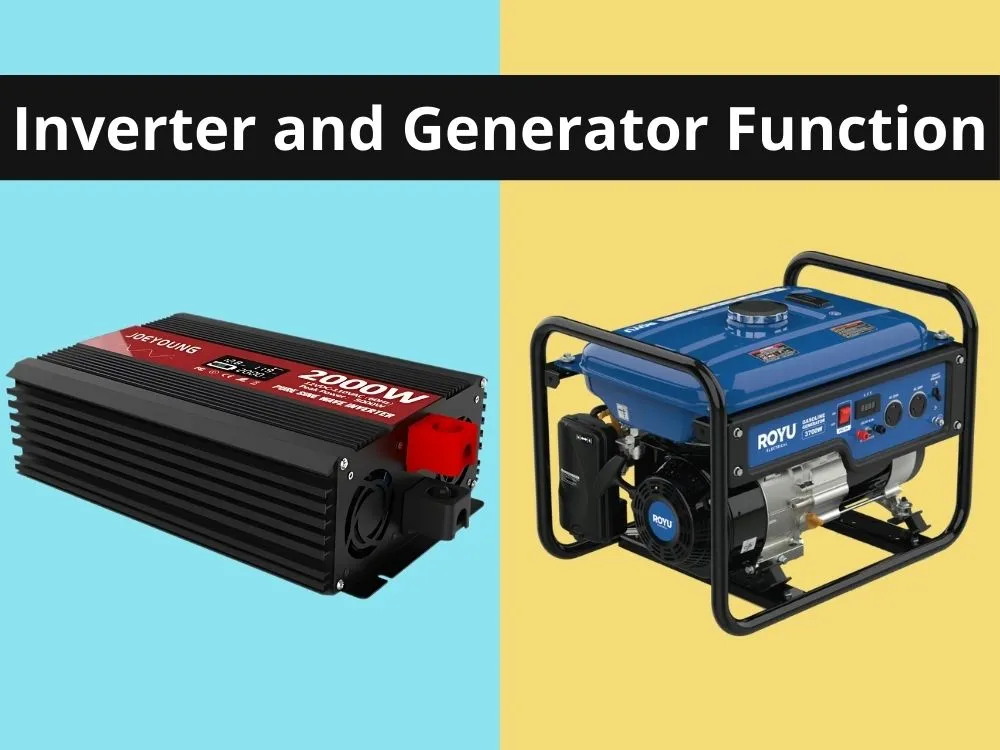
Running an inverter continuously for 24 hours depends entirely on battery capacity, load demand, and the charging system connected to it. While inverters can technically operate for long durations, they cannot function indefinitely without proper recharging. This creates a battery-dependent runtime limitation in continuous usage scenarios.
In most real-world applications, inverters are not designed for uninterrupted 24-hour heavy-load operation. If the load is low and a strong charging source (such as solar panels or a grid supply) is available, they can run for extended periods. However, without proper recharge cycles, the batteries will eventually discharge completely.
In the generator vs. inverter comparison, generators clearly perform better for continuous long-hour operation because they only require fuel to keep running. Inverters, on the other hand, depend on energy storage systems that need recovery time after discharge. This makes them more suitable for intermittent backup rather than continuous industrial usage.
Overheating, battery degradation, and efficiency loss can also occur if an inverter system is pushed beyond its designed operating limits. Proper load management and battery sizing are essential for improving runtime performance and system reliability.
How big a Battery Do I need to run a 3000W Inverter?
The battery size required for a 3000W inverter depends on load duration, system voltage, and desired backup time. A higher load requires significantly larger battery storage to maintain stable operation. This creates a capacity-based battery sizing requirement for inverter systems.
To run a 3000W inverter for a short duration, a minimum battery bank of 24V or 48V with high amp-hour capacity is typically required. For example, longer backup times require multiple deep-cycle batteries connected in series or parallel to increase total energy storage.
Efficiency losses must also be considered, as inverters do not convert energy at 100 per cent efficiency. This means actual battery requirements are higher than theoretical calculations. Heavy loads, such as 3000W consumption,n drain batteries quickly, especially if used continuously.
In the generator vs. inverter comparison, generators eliminate this limitation because they do not rely on stored energy. Instead, they produce continuous power as long as fuel is available, making them more suitable for high-load and long-duration applications.
Proper battery sizing is therefore critical for inverter performance, especially in residential and backup power systems where runtime expectations must be clearly defined before installation.
Which Option Is Better for Industrial Applications?
In industrial environments, the choice between a generator and an inverter depends mainly on load demand, runtime requirements, and operational reliability. Most industrial systems require a continuous and stable power supply, which makes generators the more practical option in high-demand settings. This creates a heavy-duty industrial power requirement for business operations.
In the comparison of Genset vs inverter, generators clearly perform better in industrial use because they can handle large electrical loads, support heavy machinery, and operate for long hours without interruption as long as fuel is available. This makes them suitable for factories, construction sites, data centres, and commercial facilities.
Inverters, on the other hand, are better suited for small-scale or temporary backup needs. They cannot efficiently support high-load industrial equipment for long durations due to battery limitations. Even with large battery banks, performance and runtime constraints make them less reliable for continuous operations. This creates a limited industrial scalability factor for inverter systems.
Another important factor is operational stability. Industrial systems require consistent voltage and frequency control, which generators are better equipped to maintain under varying load conditions. Inverters may face limitations when handling sudden load spikes or extended usage periods.
Cost Comparison Between Inverters and Generators
When comparing costs, both inverters and generators have different pricing structures based on installation, operation, and maintenance. Inverters usually have lower initial costs for small systems, but their overall expense increases with battery expansion and replacement over time. This creates a battery-driven cost scaling model for inverter systems.
Generators generally have higher upfront costs, especially industrial-grade units, but they offer better performance for large loads and long durations. Fuel consumption becomes the primary operating cost, along with periodic maintenance such as oil changes and servicing. This makes generators a fuel-based operational cost system in long-term usage.
Inverters may appear more economical for short-term residential use, but in high-demand environments, their battery replacement cycles and limited runtime can increase long-term costs. Generators, while fuel-dependent, provide continuous output without energy storage limitations, making them more cost-effective for industrial operations.
In the Genset vs inverter comparison, cost efficiency depends entirely on usage pattern. For short backup needs, inverters are cheaper, but for continuous or heavy-duty applications, generators provide better value over time.
Overall, businesses must consider not only initial investment but also operational cost, maintenance, and runtime requirements before choosing between the two systems.
Choosing the Right Backup Power Solution
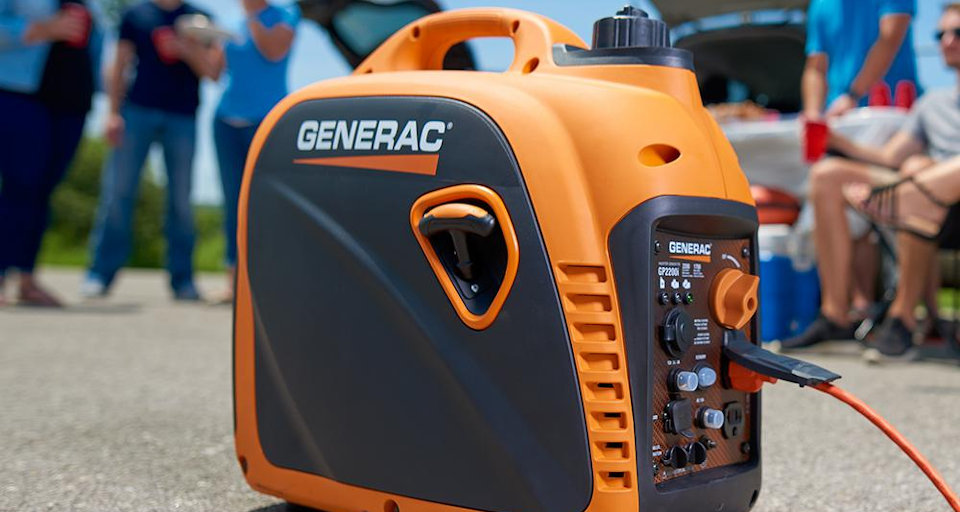
Selecting between an inverter and a generator depends entirely on the type of application, expected load, and duration of backup required. There is no universal solution, as both systems are designed for different operational needs. This creates a use-case-driven power selection model for users and businesses.
For residential and light commercial use, inverters are often sufficient because they provide silent operation, low maintenance, and clean backup power for essential appliances. However, they are limited by battery capacity and are best suited for short-duration outages or low-load environments.
In contrast, generators are the preferred choice for industrial and heavy-duty applications where a continuous power supply is critical. They can handle large electrical loads, support machinery, and operate for extended hours as long as fuel is available. In the generator vs. inverter comparison, generators clearly dominate in terms of scalability and runtime reliability.
Key factors such as budget, energy consumption, maintenance capacity, and operational environment should all be evaluated before making a decision. Understanding these requirements helps ensure that the chosen system delivers reliable and cost-effective performance over time.
Get Reliable Power Generation Solutions – Connect With ALEO Today!
Both inverters and generators serve important roles in backup power systems, but their suitability depends on application and energy demand. Inverters are ideal for quiet, short-term residential backup, while generators provide stronger, long-duration power support for industrial and commercial operations.
In the generator vs. inverter comparison, generators stand out for high-load capacity, continuous operation, and reliability, making them the preferred choice for critical infrastructure and business environments. Inverters, however, remain useful for smaller, efficient, and noise-sensitive setups.
At ALEO, we focus on delivering industrial-grade generator solutions built for long-term performance and reliability. Our systems come with UL certification from the USA, ensuring international safety and quality standards. With direct USA shipment, clients benefit from timely delivery, while on-site installation and debugging support ensure smooth setup and integration. Backed by a 1-year warranty, ALEO solutions provide dependable performance and operational confidence for critical power needs.
Visit our website and connect with us to explore options that suit you today!