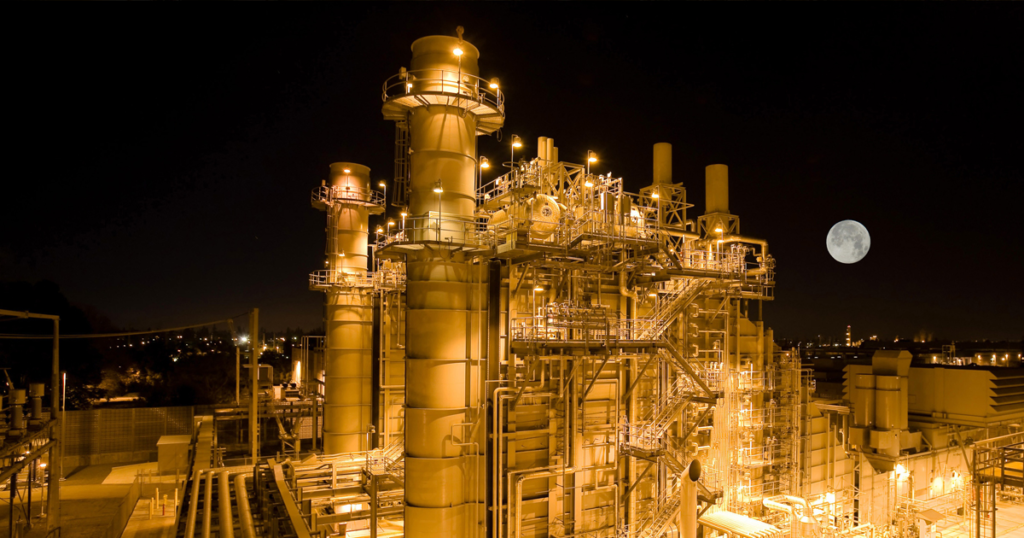
Large-scale power generation has become a key focus for industries and utility providers as energy demand continues to rise globally. Among different technologies, natural gas-based systems are widely adopted because they offer a balance of efficiency, scalability, and operational stability. This makes cost evaluation an essential part of project planning, especially when dealing with MW-level installations and industrial infrastructure.
When discussing pricing and feasibility, smaller reference systems like a 2 MW natural gas generator price help explain how costs scale as capacity increases. These smaller units provide a baseline for understanding how equipment cost, installation requirements, and fuel efficiency change at larger power plant levels.
In industrial planning, decision-makers are not only concerned with installation costs but also long-term operational expenses, fuel consumption, and efficiency performance. Natural gas power plants are often preferred because they can deliver consistent output while maintaining relatively lower emissions compared to traditional fossil fuel systems.
In this article, we will break down the cost of natural gas power plants per MW, examine large-scale projects such as 1,000 MW facilities, analyze fuel consumption patterns, and compare gas-based energy with electricity costs. We will also explore how a 2 MW natural gas generator price relates to overall scaling in industrial energy systems. So, read on:
How Much Does a Natural Gas Power Plant Cost Per MW?
The cost of a natural gas power plant per MW can vary significantly depending on technology type, efficiency level, location, and infrastructure requirements. On average, industrial-scale plants typically range between $700,000 to $1.3 million per MW, but this can increase for advanced combined-cycle systems. This makes cost estimation a project-specific financial assessment rather than a fixed value.
Simple open-cycle gas turbine plants are generally cheaper to install but offer lower efficiency, while combined-cycle systems cost more but provide higher output per unit of fuel. This balance between capital cost and efficiency plays a major role in long-term investment planning. In smaller-scale comparisons, systems like a 2 MW natural gas generator price help buyers understand how the cost per MW scales with capacity and technology.
Several factors directly influence per MW cost, including engineering design, fuel system integration, cooling infrastructure, and grid connection requirements. Location also impacts pricing due to transportation, labor, and regulatory standards. These elements collectively form a total project cost structure for power plant development.
Overall, natural gas power plants remain a competitive option due to their relatively lower installation cost compared to nuclear or large hydro projects, while still offering reliable and scalable power generation.
How Much Does a 1,000 MW Power Plant Cost?
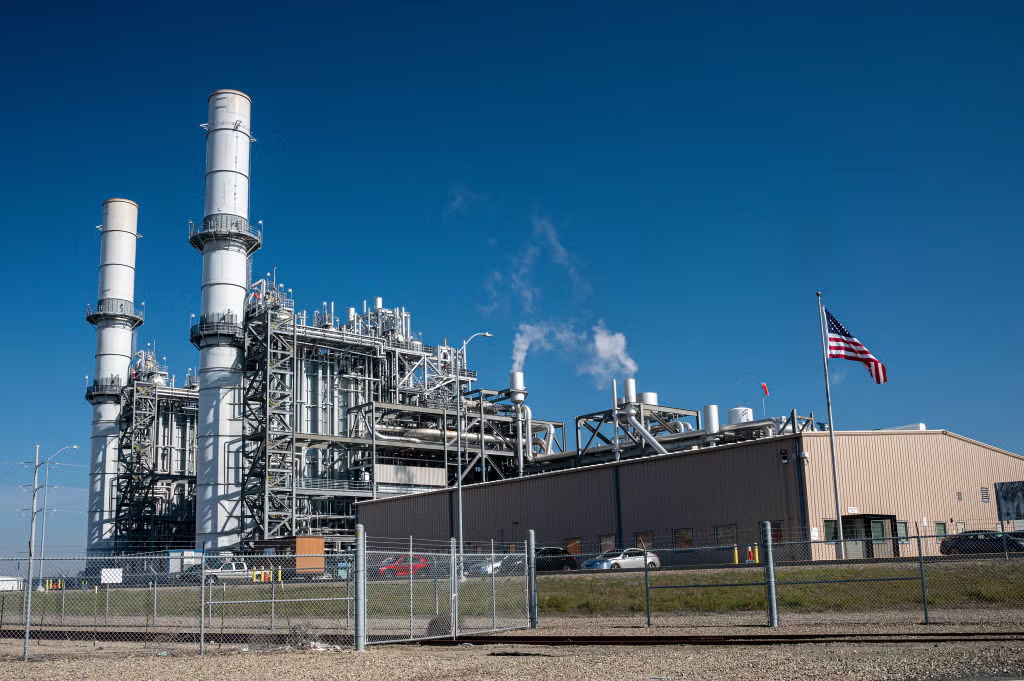
A 1,000 MW natural gas power plant is considered a large utility-scale project, and its total cost depends on technology type, efficiency design, and infrastructure complexity. On average, such a plant can cost between $700 million and $1.3 billion or more, depending on whether it uses simple cycle or combined cycle technology. This represents a large-scale capital investment structure in power sector planning.
Combined-cycle plants are more expensive because they use advanced systems to recover waste heat and improve efficiency, which increases upfront construction and equipment costs but reduces long-term fuel consumption. In contrast, simpler designs have lower installation costs but higher operational expenses over time.
When comparing scale, smaller systems like a 2MWw natural gas generator price help illustrate how costs increase exponentially as capacity expands into utility-level infrastructure. The cost is not just for generation units but also includes turbines, cooling systems, control systems, and grid integration. This creates a multi-component infrastructure cost model.
Additionally, land acquisition, engineering, construction labor, and environmental compliance significantly affect total project investment. Large-scale plants also require complex transmission connections to distribute power efficiently across regions.
Overall, a 1,000 MW plant is a long-term strategic energy investment designed for national or regional power supply stability rather than short-term returns.
How Much Gas Does a 1,000 MW Power Plant Use?
The fuel consumption of a 1,000 MW natural gas power plant depends mainly on its efficiency, operating load, and technology type. On average, such a plant can consume approximately 7 to 9 billion cubic feet of natural gas per year when running at full or near-full capacity. This makes fuel usage a primary operating cost driver in large-scale power generation.
Combined-cycle plants are more efficient and use less gas per unit of electricity compared to simple-cycle systems because they recover waste heat and convert it into additional power. This improves overall fuel efficiency and reduces long-term operational expenses. In comparison, smaller setups like a 2 MW natural gas generator price help illustrate how fuel consumption scales with capacity and load demand.
Fuel usage also varies depending on demand patterns. Plants rarely operate at 100 percent capacity all the time, so real consumption is often lower than theoretical maximum values. Grid requirements, peak demand periods, and seasonal variations all influence actual gas usage. This creates a load-dependent consumption model in real operations.
Overall, fuel cost remains one of the largest expenses in natural gas power generation, making efficiency optimization a key factor in project planning and long-term profitability.
How Much Does a 100 MW Gas Turbine Cost?
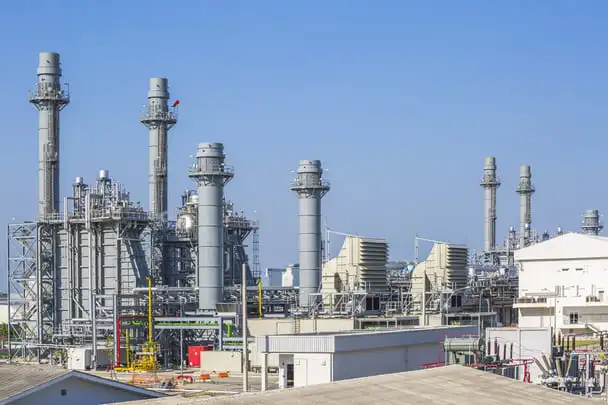
A 100 MW gas turbine is a large-scale industrial power generation system used for utility grids, industrial clusters, and critical infrastructure. Its cost is not fixed and varies based on technology, efficiency level, configuration type, and project location. On average, the price typically falls between $40 million and $80 million, but in advanced combined-cycle or turnkey projects, total investment can exceed this range significantly. This makes it a high-capital energy infrastructure asset rather than a simple equipment purchase.
Unlike smaller reference systems, such as a 2 MW natural gas generator price, which is used for localized industrial or backup applications, a 100 MW turbine is part of national or regional power generation planning and requires complete engineering, fuel, and grid integration systems.
Gas Turbine Price Range
The pricing of a 100 MW gas turbine is mainly divided into two categories: OEM supply and turnkey project delivery. OEM pricing usually includes only the core turbine unit, which reduces upfront cost but requires additional investment for installation, balance of plant systems, and commissioning.
Turnkey solutions, on the other hand, include everything from equipment supply to installation, testing, and operational readiness. While more expensive initially, they significantly reduce project risk and ensure faster deployment. This creates a complete project delivery vs equipment-only cost structure in industrial energy planning.
Another important factor affecting price is technology type. Simple-cycle turbines are cheaper but less efficient, while combined-cycle systems are more expensive but offer significantly higher power output from the same fuel input. This efficiency gain often justifies the higher initial investment in long-term operations.
Even smaller benchmark systems, like a 2 MW natural gas generator price, are used in feasibility studies to understand how cost scales with capacity, efficiency, and infrastructure complexity.
Installation & Infrastructure Cost
The installation cost of a 100 MW gas turbine system is often as high as the equipment itself. Large-scale civil works are required to build foundations capable of supporting heavy rotating machinery and managing vibration loads. Site preparation, land development, and structural engineering are essential parts of this phase.
In addition, grid connection infrastructure forms a major cost component. This includes transformers, switchyards, high-voltage transmission lines, and synchronization systems to integrate power into the national grid. Without this, the plant cannot deliver electricity at utility scale.
Cooling systems are also critical, especially for high-output turbines that generate significant heat during operation. These systems ensure temperature control and stable performance. Advanced control systems and automation technologies are installed to manage load balancing, safety shutdowns, and real-time monitoring.
When compared with smaller systems like a 2 MW natural gas generator price, the infrastructure complexity increases exponentially because 100 MW systems must operate continuously under grid-level demand. This creates a multi-layer engineering infrastructure cost model that significantly impacts total project investment.
Efficiency and Output Factors
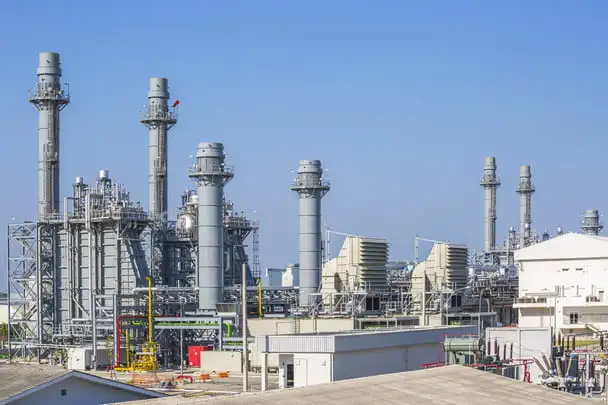
Efficiency is one of the most important factors affecting the total cost of a 100 MW gas turbine over its lifecycle. Higher efficiency means more electricity is produced from the same amount of fuel, directly reducing operating expenses. Over time, even small efficiency improvements can result in millions of dollars in savings.
Load efficiency plays a major role because gas turbines rarely operate at constant full capacity. Instead, they adjust output based on grid demand. Poor load management can reduce efficiency and increase fuel consumption, making operational planning essential. This leads to a dynamic load performance model in large-scale power systems.
Maintenance is another major cost and efficiency driver. Gas turbines require scheduled inspections, blade maintenance, combustion system tuning, and periodic overhauls. If maintenance is delayed or poorly managed, efficiency drops and fuel consumption increases significantly. Operational downtime during maintenance also impacts revenue generation in industrial and utility applications. Therefore, long-term planning focuses not just on purchase price but on lifecycle performance, including fuel usage, maintenance cycles, and reliability. Even smaller systems like a 2 MW natural gas generator price highlight how efficiency and maintenance scaling become more critical as system size increases. Overall, efficiency and output stability determine the true economic value of a 100 MW gas turbine more than its initial purchase cost.
Is Natural Gas Cheaper to Run Than Electricity?
In most industrial applications, natural gas power generation is often more cost-effective to run compared to purchasing electricity directly from the grid, especially in regions with high industrial tariffs. The main reason is that natural gas allows users to generate electricity on-site, giving them better control over fuel costs and energy efficiency. This creates a lower operational cost advantage for large-scale users.
However, the actual cost comparison depends on local gas prices, electricity tariffs, plant efficiency, and load requirements. In areas where electricity is heavily subsidized, grid power may appear cheaper in the short term. But for continuous or high-load operations, natural gas systems often provide more stable and predictable pricing. Even smaller systems, like a 2 MW natural gas generator, are used as benchmarks to understand how on-site generation can reduce dependency on external utilities.
Another key advantage is flexibility. Natural gas plants can be scaled and operated based on demand, which helps industries optimize energy usage and reduce waste. This makes them a flexible energy cost model for industrial operations.
Overall, while electricity may be simpler to use, natural gas often becomes more economical for long-term, high-demand industrial power generation.
Cost Factors in Natural Gas Power Plants
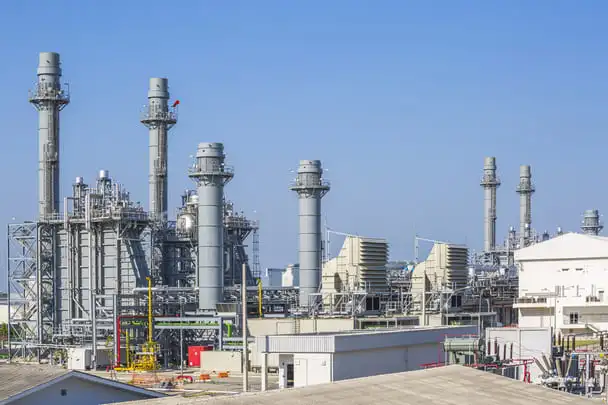
The total cost of a natural gas power plant is influenced by multiple technical and economic factors, making it a complex investment decision. The most important factor is plant capacity, as higher MW systems require more advanced turbines, infrastructure, and engineering support. This creates a capacity-based cost scaling effect in project planning.
Fuel price is another major factor, as natural gas prices can fluctuate depending on global markets and supply conditions. Since fuel is the largest operational expense, even small price changes can significantly impact long-term profitability.
The efficiency of the system also plays a critical role. High-efficiency combined-cycle plants produce more electricity from the same amount of gas, reducing overall cost per unit of power. In contrast, lower-efficiency systems increase fuel consumption and operational expenses.
Maintenance, location, and regulatory requirements further add to the total cost. Remote sites may require additional infrastructure, while strict environmental regulations can increase compliance expenses. Even smaller reference systems like a 2 MW natural gas generator price help illustrate how these cost factors scale with size and complexity.
Why Industries Prefer Gas Power Plants
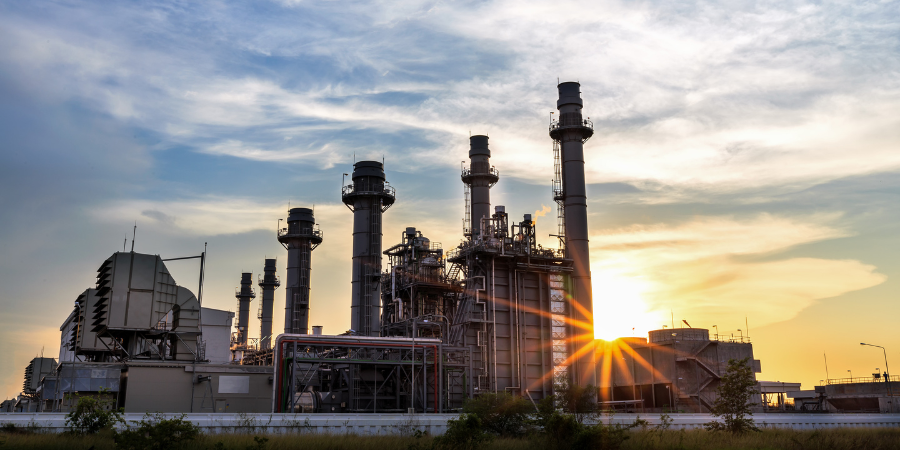
Industries increasingly prefer natural gas power plants because they offer a strong balance of efficiency, scalability, and operational reliability. Unlike conventional grid dependence, gas-based systems allow businesses to generate power on-site, which reduces exposure to outages and tariff fluctuations. This creates a greater energy control advantage for industrial operations.
One of the main reasons for this preference is consistent performance under high load conditions. Natural gas turbines can operate continuously with stable output, making them suitable for manufacturing plants, processing units, and large facilities where downtime is costly. Even smaller reference systems, like a 2 MW natural gas generator price, help businesses understand how scalable gas-based solutions can be for different operational sizes.
Another important factor is scalability. Gas power plants can be designed for small, medium, or large capacity depending on demand, making them flexible for expanding industries. This supports a modular capacity expansion model that aligns with long-term industrial growth.
Additionally, natural gas systems are generally cleaner compared to coal-based generation, which helps.s
Powerful Natural Gas Generators For Your Needs – Connect With ALEO
A 100 MW gas turbine should always be evaluated as a complete energy system rather than just a standalone machine, where efficiency, infrastructure, and lifecycle cost all play a critical role in final investment decisions.
At ALEO, our gas generator solutions are designed to meet demanding power requirements with a strong focus on reliability and long-term performance. Each unit comes with UL certification from the USA, ensuring compliance with international safety and quality standards.
We also provide direct shipment from the United States, helping ensure timely delivery for large-scale projects. To support smooth deployment, our team offers on-site installation and debugging services, ensuring proper setup and optimal system performance from day one.
Backed by a 1-year warranty, ALEO systems provide businesses with operational confidence, reduced downtime risks, and stable power output in critical environments. Visit our website and connect with our team today to ensure reliable, compliant, and efficient power support for modern urban construction environments.