Access to reliable electricity remains one of the biggest operational challenges for facilities located beyond the reach of traditional power grids. From mining camps and telecom towers to remote construction projects and agricultural operations, off-grid sites depend on reliable energy access to maintain productivity, safety, and continuous operations. In many cases, extending grid infrastructure to these areas is financially impractical or technically impossible, making remote power solutions a critical part of long-term infrastructure planning.
The expectations placed on off-grid power systems have changed significantly in recent years. Businesses no longer require simple temporary backup units; they need scalable, efficient, and intelligent systems capable of supporting continuous operations in harsh and unpredictable environments. As energy demands grow and sustainability targets become more important, traditional standalone fuel-based systems are increasingly being replaced or enhanced by hybrid power technologies.
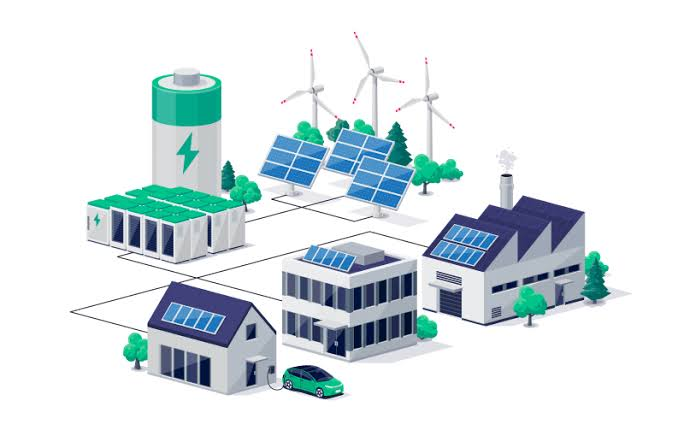
Today’s remote power solutions combine multiple technologies to improve reliability, reduce fuel dependency, and optimise operating costs. Solar integration, battery storage, hybrid microgrids, and advanced monitoring platforms are transforming how remote facilities generate and manage electricity. These innovations allow operators to maintain stable power delivery while improving efficiency and reducing logistical challenges.
Understanding the latest developments in remote power technology helps businesses choose systems that align with site conditions, operational demands, and long-term growth plans. This guide explores the newest remote power solutions for off-grid areas and explains how modern technologies are reshaping off-grid energy strategy in remote environments. So, keep reading:
Why Off-Grid Areas Need Specialised Power Infrastructure
Off-grid locations present unique operational challenges that make standard power systems unsuitable for long-term deployment. Remote industrial sites, construction zones, agricultural operations, and telecom installations often operate far from established electrical infrastructure, requiring businesses to develop independent energy strategies. In these environments, specialised remote power solutions are essential for maintaining continuous operations and avoiding costly disruptions.
One of the primary reasons off-grid areas require dedicated infrastructure is the high cost of extending traditional utility grids. Building transmission lines across mountains, deserts, forests, or isolated industrial zones can involve enormous capital investment, permitting delays, and logistical complexity. For many organisations, installing localised power systems offers a more practical and cost-effective alternative than waiting years for grid connectivity, making grid extension impractical in many cases.
Environmental conditions further increase the need for specialised systems. Remote sites frequently experience extreme heat, dust, humidity, freezing temperatures, or unstable terrain, all of which place added stress on electrical equipment. Power systems deployed in these areas must therefore be engineered for environmental durability and designed to operate reliably under harsh site conditions.
Operational dependency is another critical factor. Many remote facilities support high-value or mission-critical activities such as mineral extraction, oil and gas exploration, telecommunications, or infrastructure development. Even short power interruptions can halt operations, damage equipment, and create safety risks. This makes reliability a top priority when selecting mission-critical infrastructure for off-grid applications.
In addition, remote locations often face logistical limitations related to maintenance access, spare parts availability, and technical support. Specialised power infrastructure must therefore prioritise simplicity, reliability, and reduced service requirements to ensure long-term performance where technical assistance may not be immediately available, supporting reduced maintenance dependency in isolated environments.
Understanding Modern Remote Power Requirements
The power requirements of modern off-grid operations are more complex than simply generating enough electricity to run equipment. Today’s remote sites demand systems capable of adapting to variable loads, environmental pressures, and long operational periods while maintaining consistent performance. Understanding these demands is essential when evaluating modern power requirements for remote deployments.
One key consideration is load variability. Remote facilities rarely maintain a constant energy demand throughout the day. Equipment startup cycles, production schedules, HVAC operation, and occupancy changes all create fluctuating load profiles that power systems must accommodate. A properly designed remote power system must handle these variations without sacrificing load management efficiency or stability.
Another important factor is whether the site requires continuous or intermittent power. Some remote applications, such as telecom towers and monitoring stations, demand uninterrupted 24/7 electricity, while others only require power during working hours or specific operational windows. Understanding duty cycles helps determine the most appropriate operational power strategy for each application.
Fuel logistics also play a major role in system planning. In isolated areas, transporting diesel or propane can be expensive, weather-dependent, and operationally disruptive. As a result, many businesses are adopting hybrid systems that reduce fuel dependency while improving overall efficiency and lowering transportation requirements, making fuel logistics planning a core part of system design.
Maintenance accessibility further influences system selection. Since remote sites often lack on-site technicians, equipment must be durable, easy to service, and capable of remote diagnostics. This reduces downtime and helps operators manage maintenance limitations more effectively.
Finally, scalability has become increasingly important as remote operations grow over time. Businesses require systems that can expand with demand, allowing additional capacity without replacing the entire infrastructure. Modern remote power solutions are therefore designed with modularity and future expansion in mind, ensuring long-term scalability for evolving off-grid operations.
Latest Technologies Transforming Remote Power Solutions
Technological advancements are rapidly changing how businesses approach off-grid energy generation. Modern remote power solutions are no longer limited to standalone fuel-powered systems; they now integrate multiple technologies to improve efficiency, flexibility, and long-term reliability. These innovations are helping remote facilities reduce operating costs while maintaining dependable energy access in challenging environments.
Solar Hybrid Power Systems
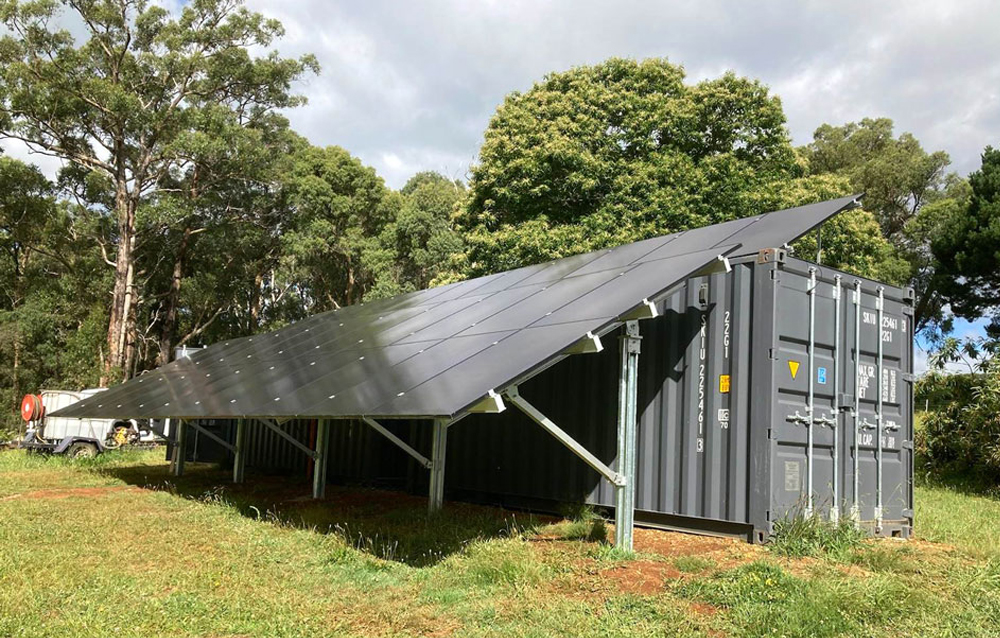
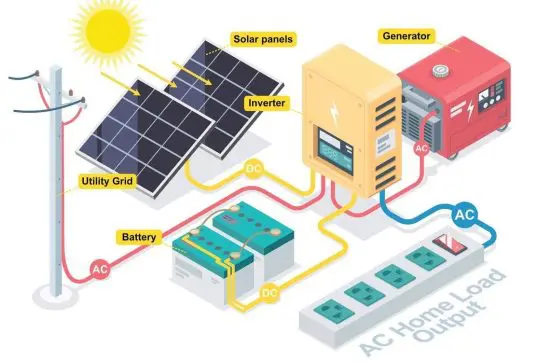
Solar hybrid systems combine photovoltaic panels with backup generation and storage components to create more efficient off-grid infrastructure. During daylight hours, solar panels supply electricity directly to the site while reducing fuel consumption from traditional backup units. This setup lowers operating expenses and supports renewable energy integration in remote environments where sunlight availability is consistent.
Battery Energy Storage Systems
Battery storage technology allows excess generated power to be stored and used when demand rises or renewable output drops. This improves energy stability and reduces the need for continuous fuel-based generation. Battery systems also help manage short-duration load spikes, making them valuable for load balancing support in remote applications.
Advanced Diesel Generator Technology
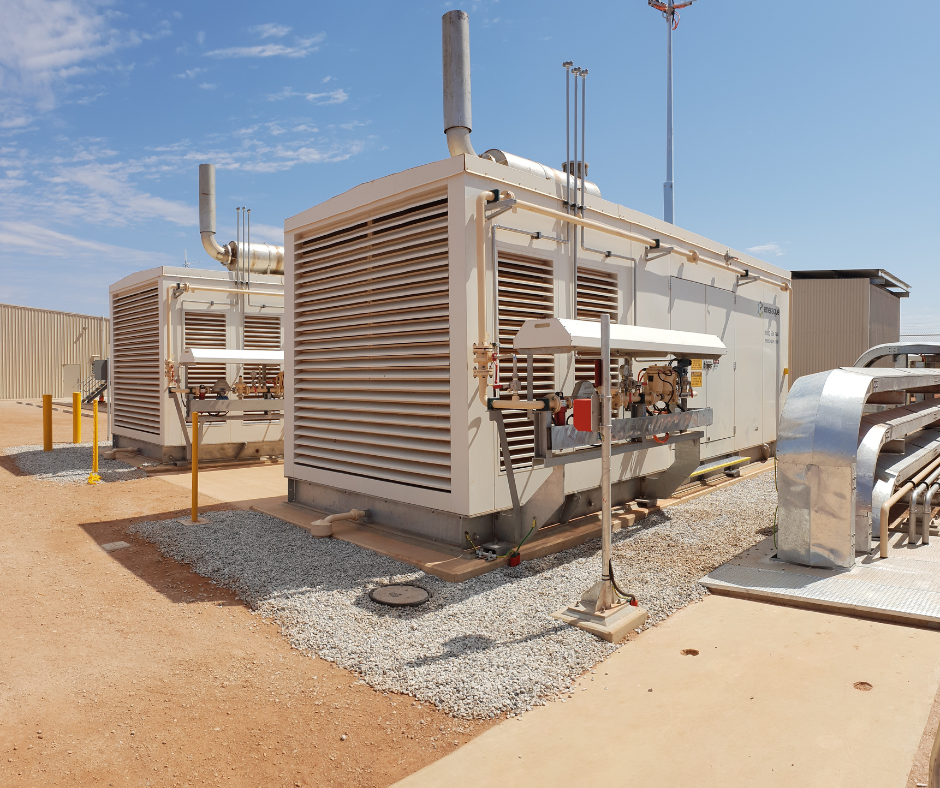
Modern diesel-based systems now feature improved engine efficiency, lower emissions, and intelligent control platforms. These upgrades make them more fuel-efficient and reliable for continuous-duty off-grid operation. Enhanced automation and monitoring capabilities have strengthened their role in high-demand remote operations where heavy loads require dependable output.
Hybrid Microgrid Systems
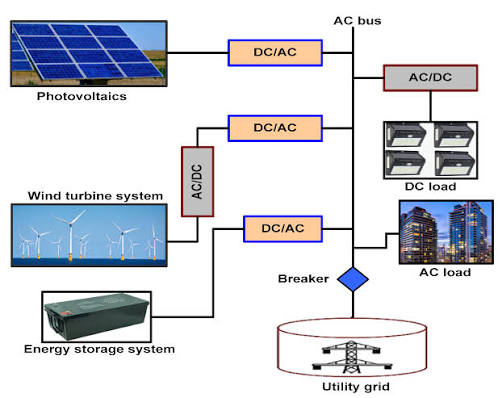
Hybrid microgrids combine multiple power sources such as solar, battery storage, and fuel-based generation into one coordinated energy ecosystem. Intelligent controllers automatically balance power input from each source to maximise efficiency and reliability. This makes hybrid microgrids one of the most advanced integrated energy systems available for remote infrastructure.
Remote Monitoring and Automation
Cloud-based monitoring platforms and IoT controls now allow operators to oversee system performance from anywhere. Real-time data on fuel levels, load demand, maintenance alerts, and performance trends enables proactive decision-making. This technology improves remote operational visibility and reduces the need for on-site technical supervision.
Modular Scalable Power Units
Modular power systems are designed to expand as operational demands increase. Businesses can add additional capacity without replacing the original infrastructure, making these units ideal for growing facilities. Their flexibility supports future-ready scalability in evolving off-grid projects.
Comparing Popular Remote Power Technologies
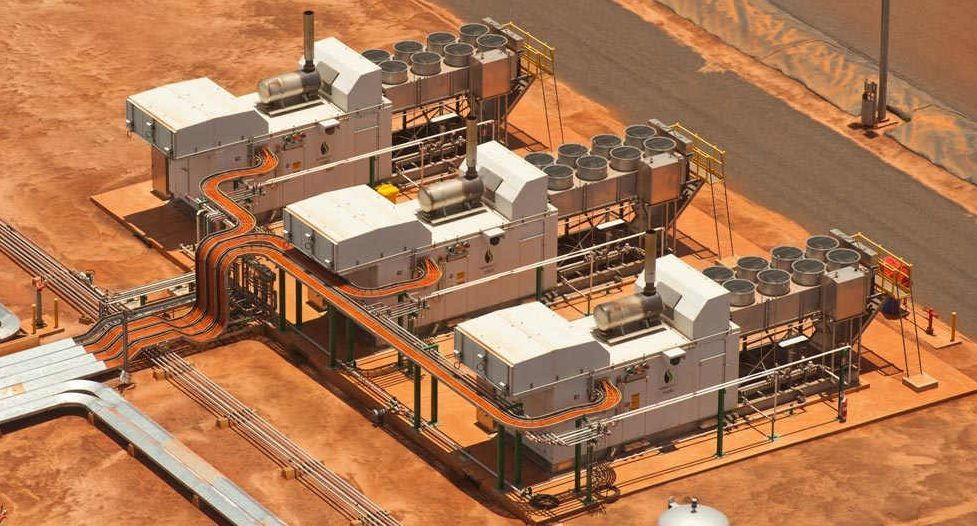
Different off-grid applications require different energy strategies, and no single system is ideal for every remote environment. Comparing available technologies helps businesses identify which remote power solutions best align with site conditions, runtime requirements, and long-term operational goals.
| Power Solution | Best Use Case | Advantages | Limitations |
| Solar Hybrid Systems | Sunny remote sites | Low fuel costs, renewable integration | Weather dependent |
| Diesel Systems | Heavy continuous loads | Reliable output, strong performance | Fuel transport required |
| Battery Storage | Short-term backup/peak shaving | Silent operation, instant response | Limited duration |
| Hybrid Microgrids | Mixed-demand remote facilities | High flexibility, fuel savings | Higher upfront cost |
Solar hybrid systems are ideal where sunlight is abundant and fuel transport costs are high. They reduce reliance on traditional fuels and improve long-term efficiency, making them increasingly popular in renewable-focused deployments.
Diesel-powered systems remain a strong option for remote industrial applications requiring high continuous output. Their ability to support heavy loads and operate reliably under harsh conditions makes them a dependable choice for industrial-grade remote power.
Battery storage systems excel in short-duration applications or when paired with renewable generation. They improve system responsiveness and help optimise energy distribution, although standalone battery solutions remain limited by runtime capacity. Hybrid microgrids provide the most flexibility by combining multiple technologies into a single coordinated platform. While they require greater upfront investment, they deliver strong long-term performance and efficiency for organisations seeking advanced multi-source energy management.
Key Factors When Selecting Remote Power Solutions
Selecting the right off-grid energy system requires more than comparing equipment specifications. Businesses must evaluate operational demands, site conditions, and long-term infrastructure goals to determine which remote power solutions will deliver the best balance of reliability, efficiency, and scalability. A well-planned selection process reduces operational risk and improves long-term system performance.
The first consideration is total power demand. Operators must calculate both continuous and peak electrical loads to ensure the selected system can support all critical equipment without overload. This includes evaluating startup surges from motors, HVAC systems, pumps, and industrial machinery that may temporarily increase power demand above average running levels.
Site location and environmental conditions also play a major role in equipment selection. Temperature extremes, altitude, dust, humidity, and terrain can all impact system efficiency and durability. Choosing equipment engineered for site-specific conditions helps ensure stable performance in harsh remote environments.
Fuel availability is another critical factor. If regular fuel delivery is difficult or expensive, hybrid systems or renewable-supported setups may provide better long-term value. Conversely, locations with accessible fuel supply chains may favour conventional diesel or gas-powered systems. Proper fuel logistics planning helps reduce transportation costs and operational complexity.
Runtime requirements must also be evaluated carefully. Some remote sites require 24/7 continuous operation, while others only need intermittent or scheduled power. Understanding actual duty cycles helps determine whether the best fit is a hybrid system, battery-supported design, or continuous-duty fuel-powered solution. Scalability is equally important for growing operations. Facilities that expect increased energy demand should select modular or expandable systems that support future growth. This ensures long-term flexibility without requiring full infrastructure replacement as operations expand.
Common Challenges in Off-Grid Power Deployment
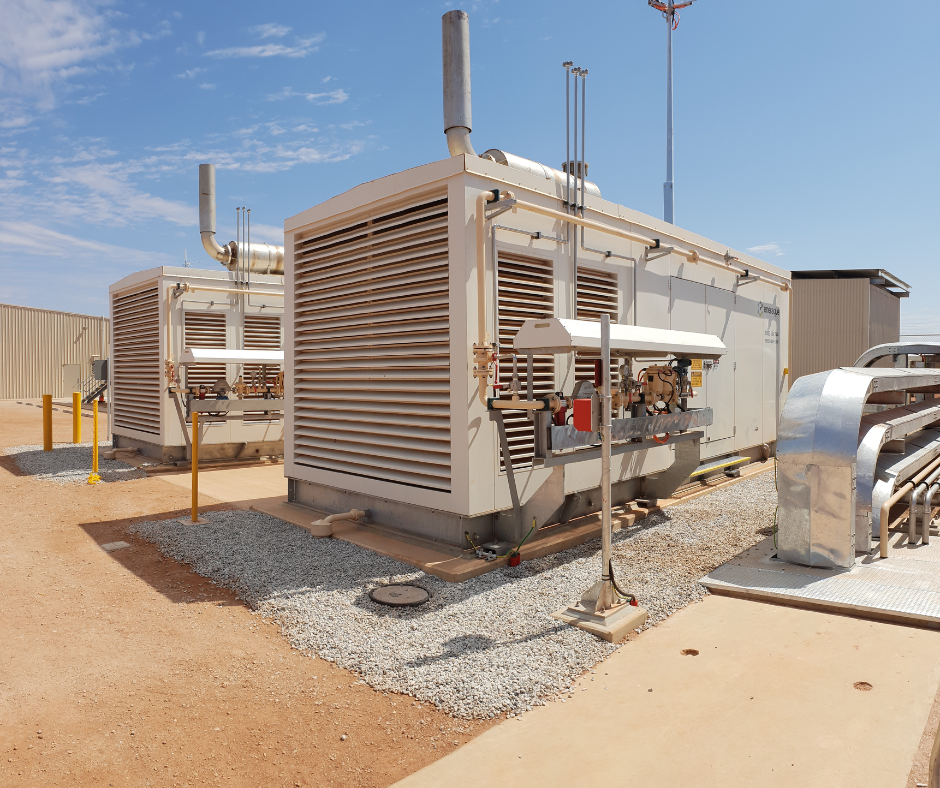
Deploying power systems in remote environments introduces unique logistical and operational difficulties that can significantly impact reliability if not addressed during planning. Understanding these obstacles helps organisations choose remote power solutions designed to withstand the realities of off-grid deployment.
One of the most common challenges is fuel transportation difficulty. Delivering diesel, propane, or other fuels to remote sites often requires specialised logistics, weather coordination, and significant transportation costs. In some locations, fuel delivery delays can threaten operational continuity if storage planning is inadequate.
Harsh environmental conditions also create major reliability concerns. Remote sites may experience sandstorms, heavy rainfall, freezing temperatures, or extreme heat, all of which place stress on power equipment. Systems deployed in these settings must be engineered for extreme weather resilience to maintain consistent performance.
Maintenance access can be another serious issue. Many remote sites lack on-site technical personnel, making repairs and routine servicing more difficult and time-consuming. Equipment failures may remain unresolved longer, increasing downtime risks. Selecting durable systems with remote diagnostics improves maintenance response efficiency in isolated areas.
Security concerns also affect remote power deployment. Isolated sites are often vulnerable to theft, vandalism, or unauthorised access, particularly when fuel tanks, batteries, or solar equipment are exposed. Protective infrastructure and monitoring systems help strengthen asset security protection in these environments.
Lastly, system downtime carries much more noticeable and greater consequences in off-grid locations because there is no utility backup available. Any equipment failure can halt operations entirely until repairs are made. This makes redundancy, reliability, and proper system design essential when implementing remote power solutions for mission-critical off-grid operations.
Future-Ready Remote Power Starts with the Right System – Connect With ALEO Today!
As off-grid operations continue to expand across industries, selecting the right energy infrastructure has become a critical part of long-term operational planning. The most effective remote power solutions are those that balance reliability, efficiency, scalability, and site-specific performance requirements rather than focusing only on initial cost. Businesses that invest in properly engineered systems gain stronger operational continuity, lower long-term costs, and improved resilience in remote environments.
At ALEO, our industrial power systems are designed to support demanding off-grid applications with dependable long-term performance. Each unit carries UL certification from the USA, ensuring compliance with international safety and performance standards while giving buyers confidence in overall quality and durability.
With direct USA shipment, businesses benefit from dependable delivery timelines that support time-sensitive deployments and remote project schedules. Our team also provides on-site installation and debugging support to ensure proper system integration and optimised performance from day one.
Backed by a 1-year warranty, ALEO solutions help organisations achieve stable remote power delivery, reduced downtime, and long-term operational confidence in critical off-grid environments.
Visit our website and connect with us today to access high-quality industrial systems, structured maintenance planning, and expert support.