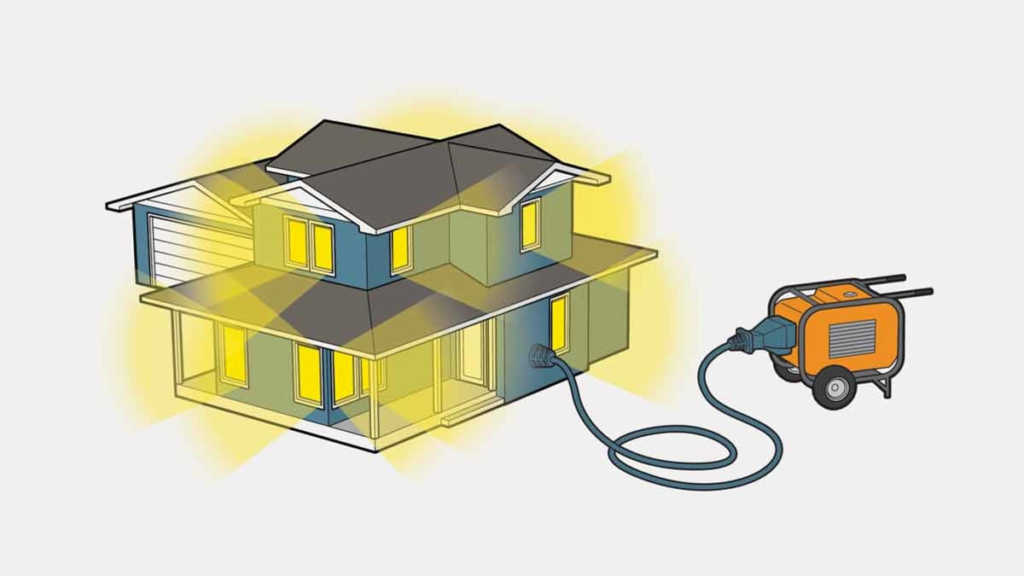
Power outages can create serious operational and safety challenges for modern households. From HVAC systems and refrigeration units to home offices and security equipment, residential properties now depend heavily on stable electricity for daily functionality. This is why selecting the correct generator capacity has become an important part of long-term energy planning. Reliable backup power systems help homeowners maintain comfort, protect appliances, and reduce disruption during unexpected outages.
Many homeowners assume generator selection is based only on house size, but actual energy demand depends on several technical factors. Air conditioning systems, water pumps, kitchen appliances, startup wattage, and simultaneous power usage all influence the final generator requirement. Improper generator selection can lead to overload issues, unstable performance, excessive fuel consumption, and unnecessary maintenance costs. Accurate power demand calculations are essential for achieving dependable residential backup performance.
The process of whole house generator sizing also affects operational efficiency and long-term running costs. An undersized system may fail to support critical appliances, while an oversized generator can waste fuel and increase installation expenses. Modern residential backup systems must balance runtime capability, efficiency, and load management to provide stable power under varying household conditions. Efficient energy backup planning helps improve generator reliability and overall operational lifespan.
As residential power requirements continue to increase, homeowners are paying closer attention to fuel options, runtime expectations, and smart load distribution strategies. Understanding these technical considerations allows property owners to make informed decisions when selecting a backup system for emergency or continuous use scenarios. Proper generator capacity selection plays a major role in maintaining household stability during grid failures.
In this article, we will discuss how to determine the correct generator capacity, appliance load calculations, fuel considerations, runtime expectations, and important factors that affect whole house generator sizing.
Why Correct Generator Sizing Matters for Residential Power Backup
Choosing the correct generator size is essential for maintaining stable and efficient residential backup power during outages. A generator that is too small may struggle to support critical appliances, while an oversized unit can increase fuel consumption and installation costs unnecessarily. Proper whole house generator sizing helps homeowners achieve dependable performance without placing excessive strain on the backup system. Stable residential power support improves overall system reliability during emergency situations.
Incorrect generator sizing can lead to overload conditions that affect both the generator and connected electrical equipment. High-demand appliances such as air conditioners, water pumps, and refrigerators require significant startup power, and insufficient generator capacity may cause voltage fluctuations or automatic shutdowns. These operational issues can reduce appliance lifespan and create unstable power conditions inside the property. Overload prevention strategies help maintain smooth generator performance under changing load conditions.
Generator efficiency is also directly connected to proper load management. When a generator operates within its recommended load range, it consumes fuel more efficiently and maintains better runtime performance. An undersized generator may constantly run at maximum capacity, increasing wear and maintenance requirements over time. In contrast, oversized systems often waste fuel because they operate below optimal efficiency levels. Efficient generator load balancing supports long-term operational savings and improved equipment durability.
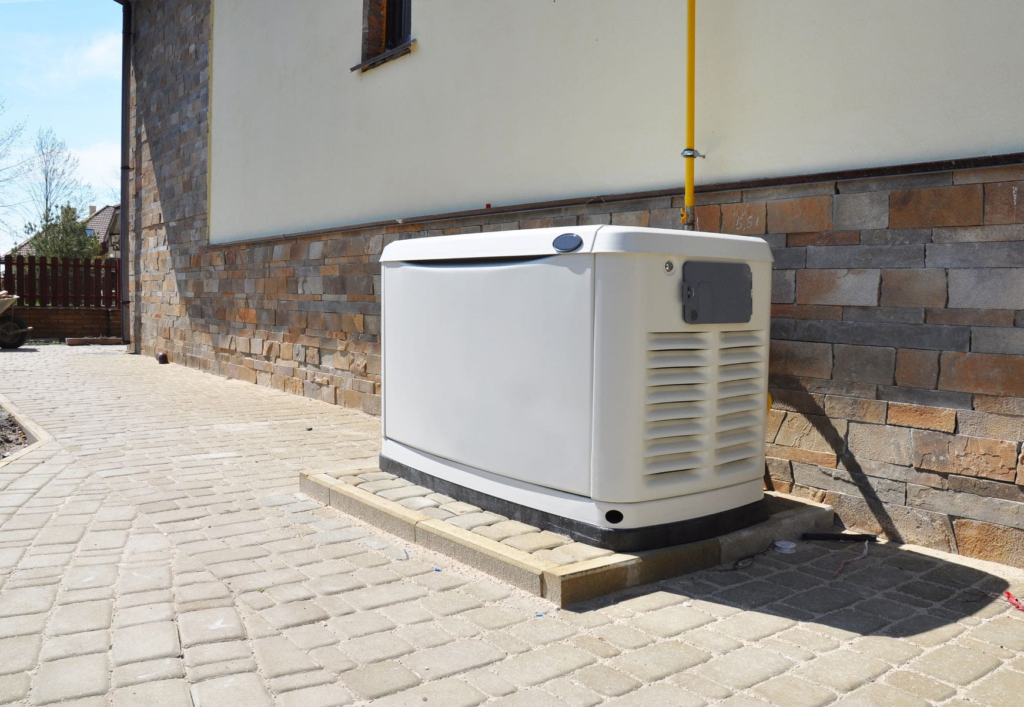
Correct whole house generator sizing also plays an important role in residential safety and comfort. Backup systems are commonly expected to support heating, cooling, lighting, internet connectivity, and food storage during prolonged outages. If the generator cannot handle these operational demands consistently, homeowners may experience major disruptions during severe weather or utility failures. Reliable emergency power continuity helps households maintain comfort and functionality when grid power becomes unavailable.
In addition to performance benefits, accurate generator sizing supports future energy planning for residential properties. Many homeowners eventually add smart appliances, home offices, EV chargers, or expanded HVAC systems that increase electrical demand. Selecting an appropriately sized generator with reasonable expansion capacity helps avoid costly upgrades later. Long-term residential energy planning allows backup systems to remain effective as household power requirements continue to evolve.
How Do I Calculate the Generator Size I Need?
Determining the correct generator capacity requires a detailed evaluation of household electrical demand. The process involves identifying essential appliances, calculating running and startup wattage, and estimating how much equipment may operate simultaneously during an outage. Proper whole house generator sizing helps ensure the backup system can deliver stable performance without unnecessary operational stress. Accurate household load assessment improves both efficiency and long-term generator reliability.
Identifying Essential Appliances
The first step in generator sizing is determining which appliances and systems must remain operational during a power outage. Most homeowners prioritize refrigeration systems, lighting circuits, HVAC equipment, internet devices, water pumps, and kitchen appliances. Larger homes may also require backup support for security systems, garage doors, office equipment, or medical devices. Critical appliance load planning helps create a realistic estimate of household energy demand.
Not every appliance needs to operate simultaneously during an outage. Some homeowners choose selective load management to reduce generator size requirements and fuel costs. For example, electric ovens, pool systems, or secondary HVAC zones may remain disconnected while critical systems continue operating. This approach allows more efficient whole house generator sizing for residential applications with moderate power needs. Selective power distribution strategies help balance operational performance and installation costs.
Understanding Starting vs Running Wattage
Many electrical appliances require higher power during startup than during normal operation. Equipment with motors or compressors, such as air conditioners, refrigerators, and sump pumps, can draw two to three times their running wattage during startup cycles. Ignoring these surge requirements may cause the generator to overload or shut down unexpectedly. Startup power surge analysis is essential for maintaining generator stability during fluctuating electrical demand.
Running wattage represents the continuous power needed to keep an appliance operating after startup. Generator calculations must include both running load totals and temporary startup surges to prevent operational interruptions. Modern generator systems often include advanced load management features that help distribute startup demand more effectively across connected circuits. Continuous power load calculation improves generator efficiency and protects connected equipment from unstable voltage conditions.
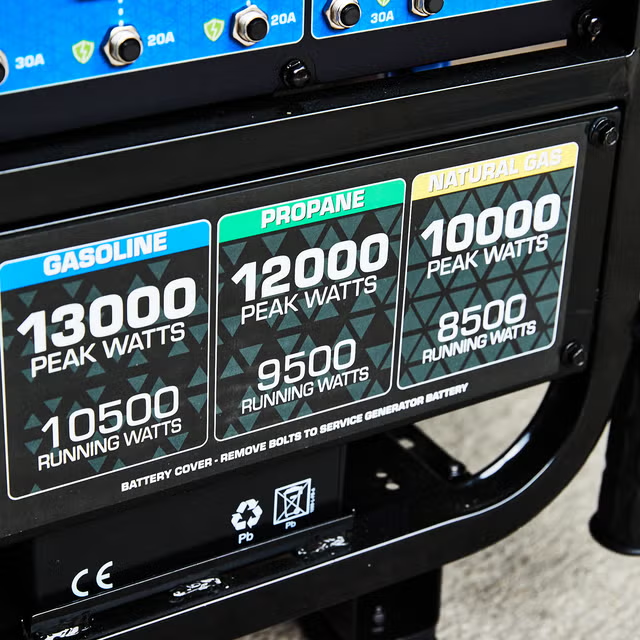
Calculating Total Household Load
After identifying appliances and understanding startup demand, the next step is calculating the total household electrical load. This is done by adding the running wattage of all essential appliances and including additional capacity for startup surges. Many professionals recommend adding a safety margin to accommodate unexpected increases in demand or future appliance additions. Comprehensive electrical demand calculation helps prevent undersized generator installations.
For example, a medium-sized residential property with central air conditioning, refrigeration, lighting, and basic appliances may require between 15kW and 22kW of backup power capacity. Larger homes with multiple HVAC systems or electric heating may require significantly more. Accurate whole house generator sizing ensures the system operates efficiently while maintaining stable power delivery during extended outages. Reliable backup power estimation supports better operational consistency and long-term system performance.
How Big Is a Generator for a 2000 sq ft House?
A 2000 sqft house usually needs a generator in the range of 10kW to 20kW, depending on how many appliances are run during an outage. Proper whole house generator sizing ensures the system can handle both essential loads and occasional high-demand appliances without overload. A basic home load estimate helps narrow down the correct capacity quickly.
If you only want to power essentials like lights, fridge, and fans, a 10kW to 14kW generator is often enough. But if you also want to run central AC, water pumps, and kitchen appliances together, the requirement can increase to 18kW to 22kW. Comfort vs essential load is the main deciding factor here.
Ultimately, square footage alone is not enough; appliance usage and startup wattage matter more in whole house generator sizing. Real usage demand check gives a more accurate result than home size alone.
Key Factors That Affect Whole House Generator Sizing
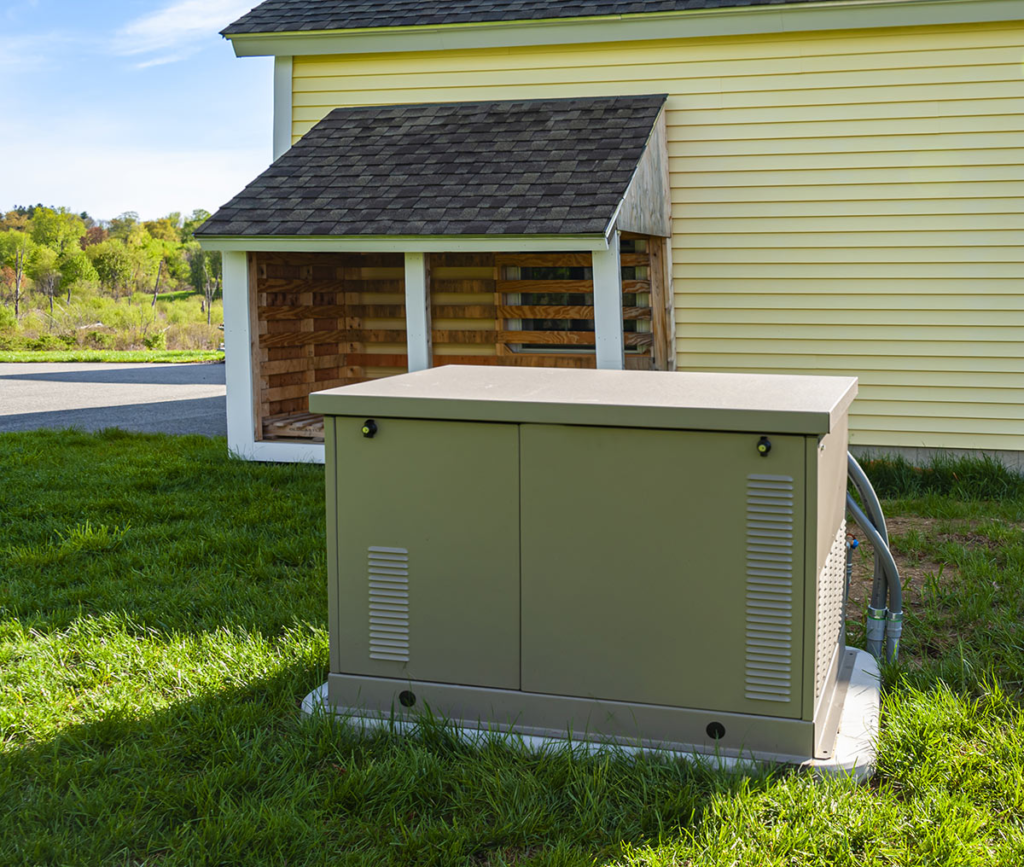
Proper generator sizing depends on a few critical technical factors that directly impact performance, efficiency, and long-term reliability in residential use.
Air Conditioning and Heating System Demand
HVAC systems are usually the largest power consumers in a home and often determine the generator size. In whole house generator sizing, their high startup surge and continuous running load must always be considered. HVAC load impact factor is the biggest sizing driver.
Seasonal usage also matters because summer cooling and winter heating can significantly increase demand. Oversizing or undersizing without HVAC consideration leads to instability. Seasonal load variation affects real performance needs.
Fuel Type and Generator Performance
Fuel type affects runtime, efficiency, and operating cost. Natural gas is common for homes due to convenience, while diesel offers better performance under heavy loads. Fuel efficiency difference influences system selection.
Propane is another reliable option with clean burning and good storage life, making it suitable for emergency backup. Fuel choice reliability impacts long-term usage.
Single-Phase vs Three-Phase Power Requirements
Most homes use single-phase systems, which are sufficient for standard appliances and residential backup setups. Proper whole house generator sizing must match this configuration. The electrical compatibility factor ensures safe operation.
Three-phase power is typically for commercial or high-load systems and is rarely needed in standard homes. Phase-matching importance prevents system issues.
Generator Runtime and Load Efficiency
Generators perform best when operating within an optimal load range. Too little or too much load reduces efficiency and increases wear. Optimal load range improves fuel economy.
Heavy continuous loads increase fuel consumption and heat stress, affecting long-term durability. Load stress impact reduces lifespan if unmanaged.
Automatic Transfer Switch Compatibility
An ATS allows automatic switching between the grid and the generator, ensuring uninterrupted power during outages. Seamless switching function improves reliability.
It also helps manage load distribution by prioritizing essential circuits at startup. The load control advantage prevents overload.
Maintenance and Long-Term Reliability
Correct sizing reduces strain on the generator, improving service life and reducing breakdown risk. Balanced load operation ensures durability.
Regular maintenance, like oil changes and inspections, is necessary, especially under heavy usage. Routine service needs to maintain performance stability.
Can a 13000 Watt Generator Run a House?
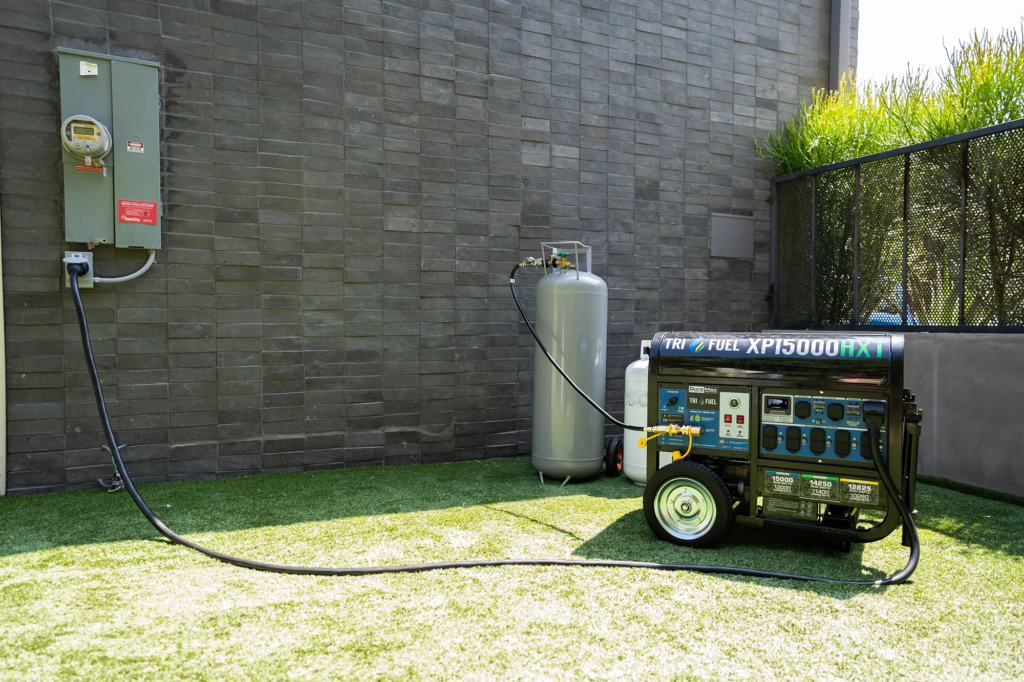
A 13,000-watt (13kW) generator can run a house, but only under controlled load conditions. It is generally suitable for essential circuits like lighting, refrigerators, fans, and some small appliances. Proper whole house generator sizing is important here because exceeding load limits can quickly cause overload or shutdown. The essential load coverage limit defines what this size can realistically support.
In most cases, a 13kW generator cannot comfortably run multiple heavy appliances at the same time, especially central air conditioning, electric heaters, or water pumps. It works best for partial home backup rather than full-home luxury usage. Simultaneous load restriction is the key limitation of this capacity.
So yes, it can run a house, but only if loads are managed carefully, and high-demand appliances are used one at a time.
Is It Cheaper to Run a Generator Than to Pay for Electricity?
Running a generator is usually not cheaper than using grid electricity in normal conditions. Fuel costs (diesel, petrol, or gas) make generator operation more expensive per unit of power compared to utility rates. In whole house generator sizing decisions, generators are mainly treated as backup systems, not primary energy sources. Backup power cost reality clearly shows generators are for emergencies, not daily use.
Generators also require maintenance, oil changes, and periodic servicing, which adds to long-term operating costs. While electricity bills are consistent and relatively predictable, generator fuel consumption increases significantly under heavy load. Operational expense comparison favors grid power for regular usage.
Is It Worth It for Emergencies?
Generators become cost-effective when used for short-term outages or critical backup situations where power loss would cause greater financial or operational damage. In these cases, the value is reliability rather than cost savings. Emergency power justification is the main reason homeowners invest in generators despite higher fuel costs. So, while generators are not cheaper than electricity, they are essential for uninterrupted power during outages and system failures.
Practical Sizing Checklist Before Buying
Before finalizing a generator, it is important to evaluate your actual household load instead of relying only on house size. Check which appliances must run during outages, especially HVAC systems, refrigerators, water pumps, and lighting circuits. Consider both running wattage and startup surges, as these can significantly change your required capacity. A small safety margin should also be added to handle unexpected load increases or future appliance additions. Proper whole house generator sizing ensures you avoid overspending on oversized units or facing performance issues with undersized systems. An accurate load planning step helps you choose the right capacity with confidence.
Get Properly-Sized Power Generation Solutions – Connect With ALEO Today!
Correct generator selection plays a critical role in ensuring stable and reliable backup power for residential use. Proper whole house generator sizing helps avoid overload issues, reduces fuel waste, and ensures that essential appliances continue running smoothly during outages. Reliable backup planning is essential for long-term residential energy stability.
When a generator is correctly sized, it performs efficiently under load, requires less maintenance, and delivers consistent output during both short and extended power failures. This improves overall household safety, comfort, and operational continuity. Efficient power management directly enhances system lifespan.
ALEO provides industrial-grade generator solutions designed for dependable residential and commercial applications, including UL-certified systems from the USA, direct USA shipment, on-site installation and debugging, and a 1-year warranty. Trusted industrial support ensures complete peace of mind.
For professional guidance and tailored generator solutions, visit our website and connect with us to ensure accurate sizing and reliable backup performance built for long-term use.