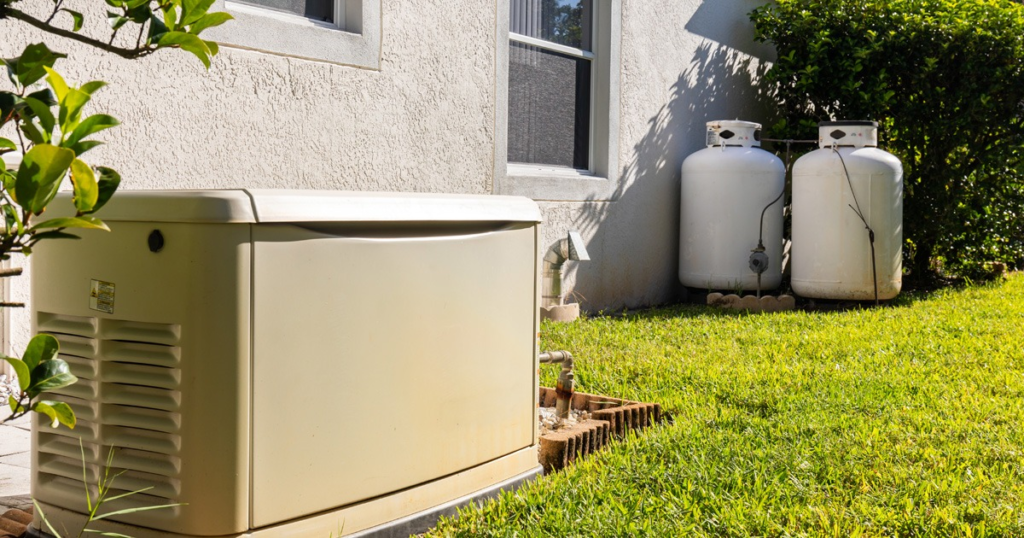
Propane generators have become a popular backup power solution for homes because they are cleaner to operate, easier to store fuel for, and more reliable during long outages compared to gasoline-based systems. Among residential options, the 7500-watt generator is widely used because it can support a significant portion of household electrical needs during emergencies. Residential backup power demand continues to grow as grid reliability becomes more uncertain in many regions.
One of the most important considerations when using a propane generator is understanding how long a fuel source will last. A common setup is a 20 lb propane tank, but many users are unsure how much runtime they can actually expect from it under real operating conditions. The answer depends heavily on electrical load, appliance usage, and generator efficiency. Fuel runtime estimation factors play a key role in practical planning.
A 7500 watt generator is capable of running essential home systems such as refrigerators, lights, fans, and sometimes even small air conditioning units, but heavier loads will significantly increase propane consumption. This makes load management an important part of maximising runtime during outages. Load-based fuel consumption control directly impacts operational efficiency and backup duration.
Understanding whether propane is cost-effective compared to gasoline, how long a tank lasts, and what appliances can realistically be supported helps users make better decisions during emergencies. Safety and proper usage also play a critical role in ensuring stable and efficient generator performance. Efficient emergency power planning improves both safety and reliability.
In this article, we will discuss how long a 20 lb propane tank can run a 7500 watt generator, fuel cost comparisons, safety rules, and practical residential usage considerations.
Understanding A 7500 Watt Generator?
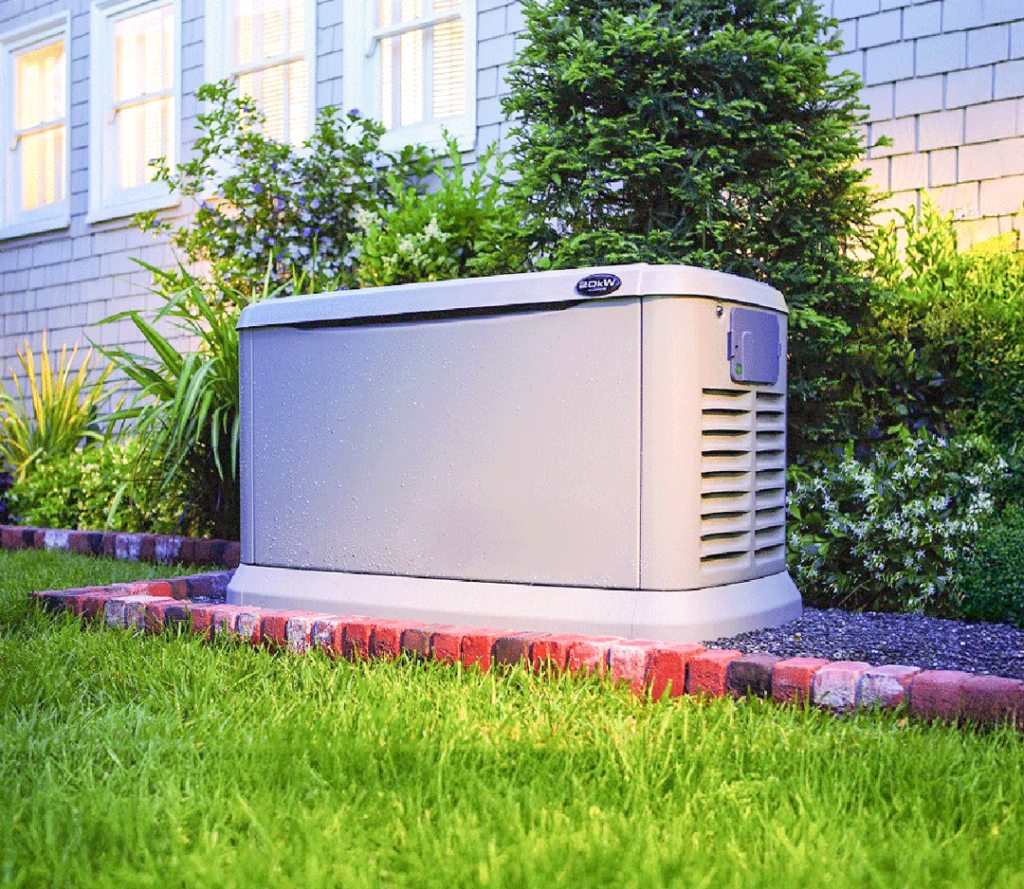
A 7500 watt generator is a medium to high-capacity power system designed to provide backup electricity for residential and light commercial use. It can supply enough power to run essential household appliances during outages, making it a popular choice for emergency preparedness. Residential backup power capacity makes it suitable for partial home operation.
This type of generator typically includes both running watts and surge watts. The running capacity supports continuous operation of appliances, while the surge capacity handles short startup demands from motor-driven equipment like refrigerators or pumps. Startup load handling ability is important for stable performance.
In practical use, a 7500 watt generator can power multiple essential systems such as lighting, refrigerators, fans, Wi-Fi routers, and, in some cases, small air conditioning units, depending on total load management. However, it is not usually intended for full-house simultaneous operation of all appliances. Essential load support capability defines its realistic usage range.
Can You Run a Generator on a 20 lb Propane Tank?
Yes, a 7500 watt generator can run on a 20 lb propane tank, as long as it is properly connected using a compatible regulator and fuel line setup. Propane is a common fuel choice for portable and standby generators due to its clean-burning and stable storage properties. Propane fuel compatibility makes it a convenient backup energy source.
However, a 20 lb tank has limited fuel capacity, so runtime will depend heavily on electrical load. Under lighter loads, the generator will run longer, but heavy usage, such as HVAC systems, will reduce operating time significantly. The fuel capacity limitation factor directly affects the runtime duration.
Safety is also important when using propane tanks. Proper ventilation, secure connections, and leak-free fittings are necessary to prevent hazards during operation. Safe fuel connection practice ensures reliable and risk-free generator use.
In real-world applications, 20 lb propane tanks are often used for short-term or emergency backup rather than long-duration continuous operation. Temporary backup power usage is the most practical application for this setup.
How Long Does a Propane Tank Last on a 7,500-Watt Generator?
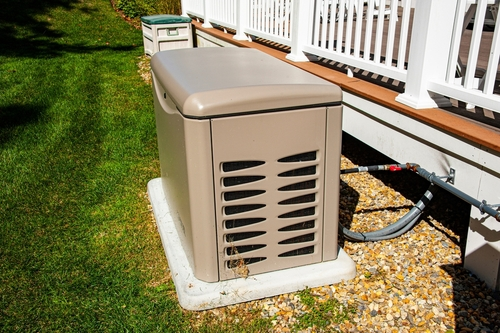
The runtime of a 20 lb propane tank on a 7,500 watt generator depends mainly on how much electrical load is being used at any given time. A 20 lb tank typically holds about 4.7 gallons of propane, and fuel consumption increases significantly as more appliances are connected. Load-based runtime variation is the biggest factor in real-world performance.
Under light load conditions, where only essential appliances like lights, a refrigerator, and a Wi-Fi router are running, a 20 lb propane tank may last approximately 6 to 10 hours. This makes it suitable for short outages or emergency support. Light load efficiency range improves fuel duration.
When operating under medium load, such as adding fans, small kitchen appliances, or occasional HVAC usage, the runtime may drop to around 4 to 6 hours. The generator consumes more fuel to maintain a stable output under increased demand. Moderate load fuel consumption reduces operating time.
Under heavy load conditions, where multiple high-demand appliances are running simultaneously, the runtime may fall to 2 to 4 hours or even less. This includes situations where air conditioning or heating systems are involved. High load fuel drain significantly reduces propane efficiency.
Key Factors That Affect Propane Generator Runtime
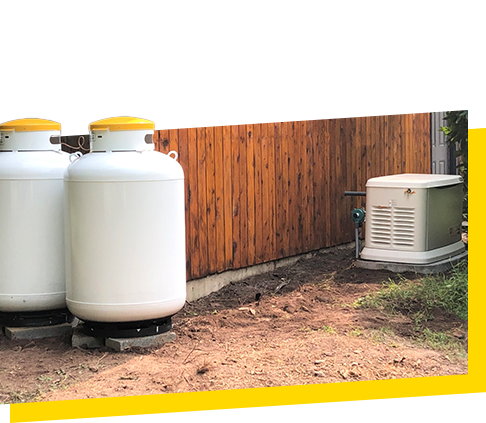
The runtime of a 7500 watt generator on propane is influenced by several technical and operational factors. Understanding these helps users maximise efficiency and plan fuel usage more effectively during outages. Generator efficiency optimisation depends on multiple working conditions.
Electrical Load Demand
Electrical load is the most critical factor affecting propane consumption. Higher load means the engine must produce more power, which increases fuel usage. Appliances like air conditioners, heaters, and pumps significantly reduce runtime. High load fuel directly impacts the operating duration.
Managing load by prioritising essential devices can significantly extend runtime during emergencies. Load prioritisation strategy improves fuel efficiency.
Generator Efficiency and Size
A 7500 watt generator is designed to handle substantial residential loads, but efficiency varies based on design and engine condition. Well-maintained generators consume less fuel and provide more stable output. Engine efficiency performance influences overall runtime.
Oversized or undersized usage can also affect efficiency, making proper load matching important. Correct capacity utilisation improves fuel economy.
Weather and Environmental Conditions
Cold temperatures can reduce propane efficiency and affect vaporisation rates, while hot conditions may increase cooling demands. Poor ventilation can also reduce performance. Environmental operating impact affects generator stability.
Proper placement and airflow help maintain consistent combustion and improve runtime. Ventilation efficiency control supports better fuel usage.
Fuel Consumption Rate of Propane
Propane is measured in BTUs, and a 7500 watt generator consumes fuel based on energy demand rather than tank size alone. A 20 lb tank provides limited energy storage compared to larger propane cylinders. The fuel energy limitation factor determines runtime capacity.
Understanding consumption rates helps users estimate how long backup power will last during outages. Energy-to-runtime conversion is essential for planning.
Maintenance and Operating Condition
A well-maintained generator runs more efficiently and consumes less fuel over time. Dirty filters, poor tuning, or worn components increase propane usage. Maintenance efficiency control improves long-term performance.
Regular servicing ensures stable combustion and consistent power output under varying loads. System reliability maintenance supports longer runtime.
Is It Cheaper to Run a Generator Off Gas or Propane?
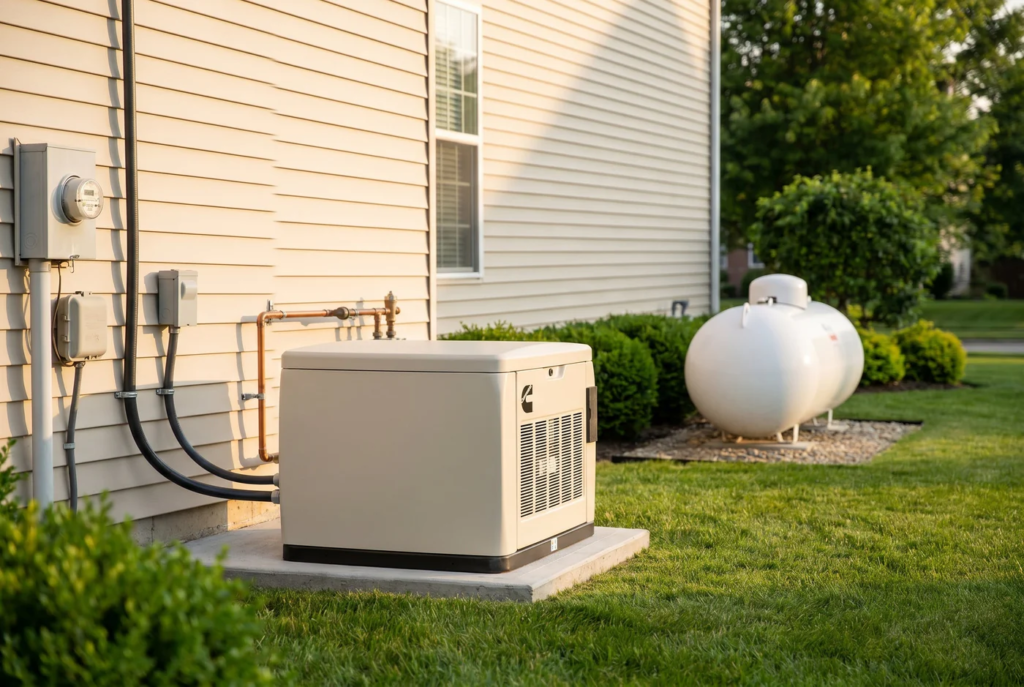
Whether gasoline or propane is cheaper depends on fuel prices, generator efficiency, and how the system is used. In most cases, gasoline provides slightly higher energy density, meaning it can produce more power per gallon compared to propane. Fuel energy efficiency comparison is the key factor in cost differences.
However, propane has advantages in storage stability and long-term availability. It does not degrade like gasoline and can be stored safely for long periods without fuel treatment. This makes it more practical for emergency readiness, even if operating costs are sometimes higher. Long-term fuel storage benefits increase propane’s reliability.
Gasoline generators are often cheaper to run per hour under light loads, but propane systems tend to offer cleaner combustion and lower engine maintenance requirements. This can reduce long-term servicing costs. Maintenance cost balance affects overall ownership expense.
In real-world usage, cost differences are usually small and depend heavily on local fuel pricing and usage frequency. Many users choose propane for convenience rather than purely for cost savings. A practical fuel choice decision often prioritises reliability over price.
What Is the 20-20-20 Rule for Generators?
The 20-20-20 rule is a general operational guideline used to help maintain generator health during usage and prevent long-term engine stress. While interpretations vary, it is commonly associated with managing load, runtime, and cooling intervals for stable performance. Balanced operation principle helps improve the generator’s lifespan.
One common interpretation focuses on avoiding continuous heavy loading by allowing the generator to operate in balanced cycles, preventing overheating and fuel strain. This helps maintain consistent engine speed and reduces wear on internal components. Thermal load management supports stable operation.
It is also linked to maintenance awareness, reminding users to monitor generator performance at regular intervals and avoid running it under extreme stress for long durations. This improves safety and efficiency. Preventive usage practice reduces breakdown risk.
Overall, the 20-20-20 rule is less of a strict technical standard and more of a practical guideline to ensure generators are used in a balanced and efficient way. Operational discipline approach enhances reliability.
Can I Run My House on a 7,500-Watt Generator?
A 7500 watt generator can run a significant portion of a household, but it is not designed for full simultaneous operation of all appliances. It is best suited for essential loads during power outages, such as lighting, refrigeration, fans, and communication devices. Essential home backup capability defines its realistic usage.
With proper load management, it may also support select high-demand appliances like a small air conditioner or water pump, but not both at the same time, along with other heavy loads. Selective appliance operation is necessary for stability.
Whole-house operation depends heavily on total electrical demand, and many homes exceed 7500 watts when all systems are running together. This makes prioritisation essential. The load prioritisation requirement ensures safe performance.
In most cases, a 7500-watt generator is considered a strong partial-home backup solution rather than a complete replacement for grid power. A partial home backup solution is its most practical application.
Common Mistakes When Using Propane Generators
One of the most common mistakes users make is underestimating fuel consumption, especially when using a 20 lb propane tank with a 7500 watt generator. Running multiple heavy appliances at the same time can drain fuel quickly and significantly reduce runtime. Overload fuel miscalculation is a frequent cause of short backup duration.
Another major issue is poor load management, where users connect too many devices without prioritising essential appliances. This leads to unstable performance and unnecessary strain on the generator. Improper load distribution reduces efficiency and increases fuel usage.
Neglecting maintenance is also a critical mistake. Dirty filters, loose connections, or poor engine tuning can increase propane consumption and reduce overall performance. Maintenance neglect directly affects generator reliability.
Improper ventilation and unsafe placement can also reduce efficiency and create safety hazards during operation. Generators require open airflow to operate safely and effectively. Ventilation safety requirements are essential for stable performance.
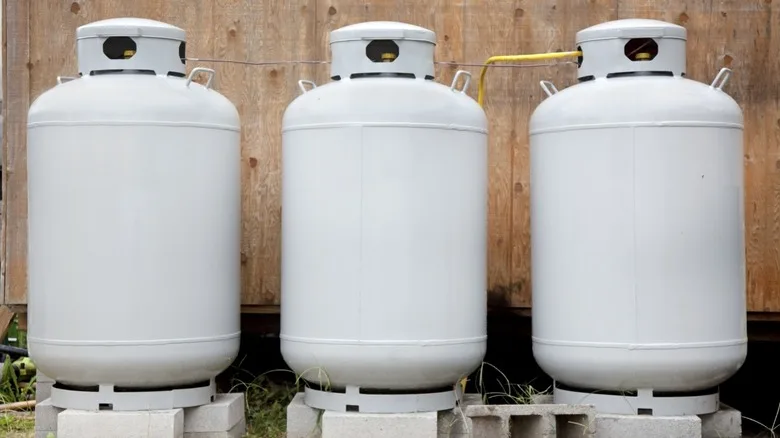
Tips to Improve Propane Generator Runtime
Improving runtime starts with proper load management. Running only essential appliances such as lights, refrigerators, and communication devices helps extend operating hours significantly. Essential load optimisation improves fuel efficiency.
Regular maintenance also plays a major role in improving performance. Clean filters, proper tuning, and timely inspections ensure smooth combustion and stable operation. Routine servicing benefits increase generator efficiency.
Using high-quality propane and ensuring proper tank connections can also improve fuel consistency and reduce waste during operation. Fuel quality consistency supports stable runtime.
Finally, avoiding unnecessary appliance switching and managing power usage in stages helps reduce sudden load spikes, which improves overall efficiency. Controlled power usage strategy enhances generator performance.
Get Power Solutions That Match Your Needs – Connect With ALEO Today!
A 7500 watt generator powered by a 20 lb propane tank can provide useful short-term backup power, but its runtime is strongly dependent on load conditions, fuel efficiency, and proper usage. Under light loads, it can last several hours, while heavy household demand significantly reduces operating time. Load-dependent runtime behaviour is the most important factor in real-world performance.
For most households, this setup is best suited for emergency situations where only essential appliances are running. Proper load management, regular maintenance, and safe operation practices all play a key role in maximising efficiency and avoiding unnecessary fuel waste. Efficient emergency operation ensures better reliability during outages.
While propane offers clean burning and safe storage advantages, it is not always the longest-lasting option for extended backup needs without larger fuel tanks. Understanding these limitations helps users plan better for outages and choose the right system size. Practical fuel planning insight improves preparedness and system selection.
ALEO provides UL-certified generator solutions from the USA with direct shipment, on-site installation and debugging, and a 1-year warranty for dependable performance. Trusted power backup solutions ensure reliable energy support when it matters most.
Visit our website and connect with us to explore more reliable generator solutions and find the right backup power system for your needs. Our experts can’t wait to help you choose lasting solutions that best match your needs!