Reliable electricity is essential for remote facilities and industrial operations where even a brief power interruption can result in production losses, equipment damage, or safety risks. However, many mines, manufacturing plants, oil and gas facilities, commercial campuses, and rural communities operate in locations where utility infrastructure is limited, unstable, or unavailable. To overcome these challenges, organisations are increasingly investing in microgrid solutions that generate, manage, and distribute electricity closer to where it is needed.
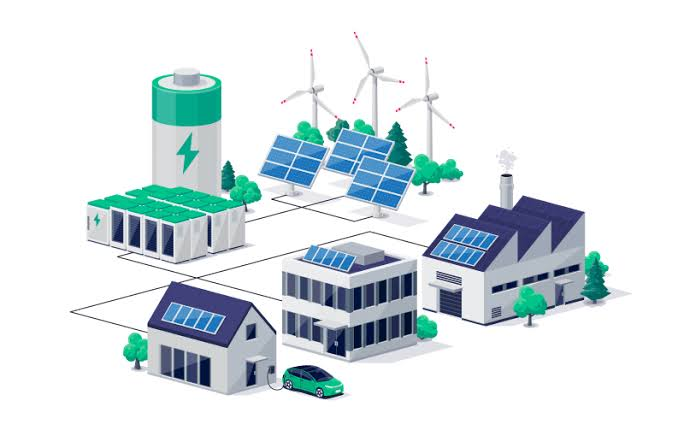
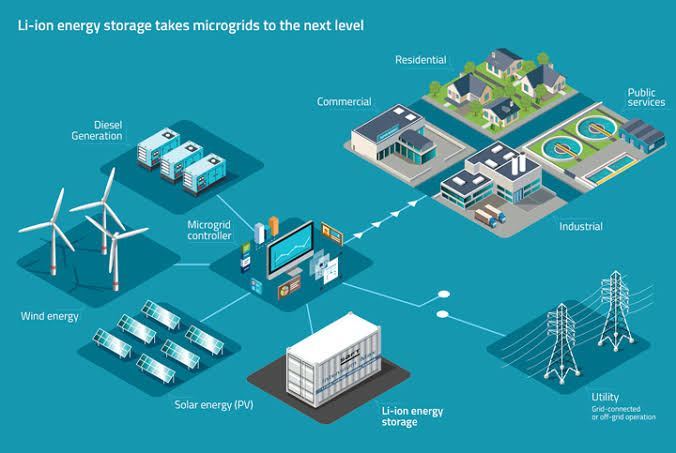
Unlike conventional power systems that rely on a single source of electricity, a microgrid combines distributed energy resources such as solar panels, wind turbines, Battery Energy Storage Systems (BESS), backup generators, and intelligent Energy Management Systems (EMS). These technologies work together to supply stable electricity while automatically responding to changes in energy demand, weather conditions, and grid availability. This coordinated approach improves operational reliability while reducing dependence on external power infrastructure.
One of the greatest strengths of a microgrid is its ability to balance multiple energy sources without interrupting business operations. Whether connected to the utility grid or operating independently in remote environments, the system continuously monitors power generation, storage, and consumption to maintain efficient and reliable performance. This flexibility allows organisations to optimise fuel consumption, integrate renewable energy, and improve long-term energy resilience.
This article explains how power for microgrid systems works in remote and industrial applications, covering electricity generation, energy storage, intelligent power management, operating modes, and the factors that influence long-term system performance. It also explores why microgrids are becoming a critical part of future-ready energy infrastructure for modern industries.
Why Remote and Industrial Sites Need Microgrids
Remote and industrial facilities often operate under conditions where maintaining a continuous electricity supply is both difficult and essential. Mining sites, oil and gas operations, manufacturing plants, commercial campuses, and rural communities may be located far from existing transmission infrastructure or connected to utility networks that experience frequent outages and voltage fluctuations. These challenges have increased the demand for reliable power for microgrid solutions that can generate and manage electricity locally. By reducing dependence on centralised power networks, organisations gain greater control over their energy supply and improve business continuity during unexpected disruptions.
In many remote locations, extending utility transmission lines is either technically impractical or financially uneconomical. Businesses often rely on diesel generators, but rising fuel costs, transportation challenges, and routine maintenance can significantly increase long-term operating expenses. A well-designed microgrid addresses these issues by integrating multiple energy sources that work together to provide dependable electricity under changing operating conditions.
Beyond improving reliability, microgrids also support sustainability and future expansion. Renewable energy sources, Battery Energy Storage Systems (BESS), and Energy Management Systems (EMS) allow organisations to reduce fuel consumption, optimise electricity use, and increase operational efficiency. As energy demand grows, additional resources can be integrated without replacing the entire system, making microgrids a flexible investment that supports a future-ready energy infrastructure.
How Power for Microgrid Is Generated
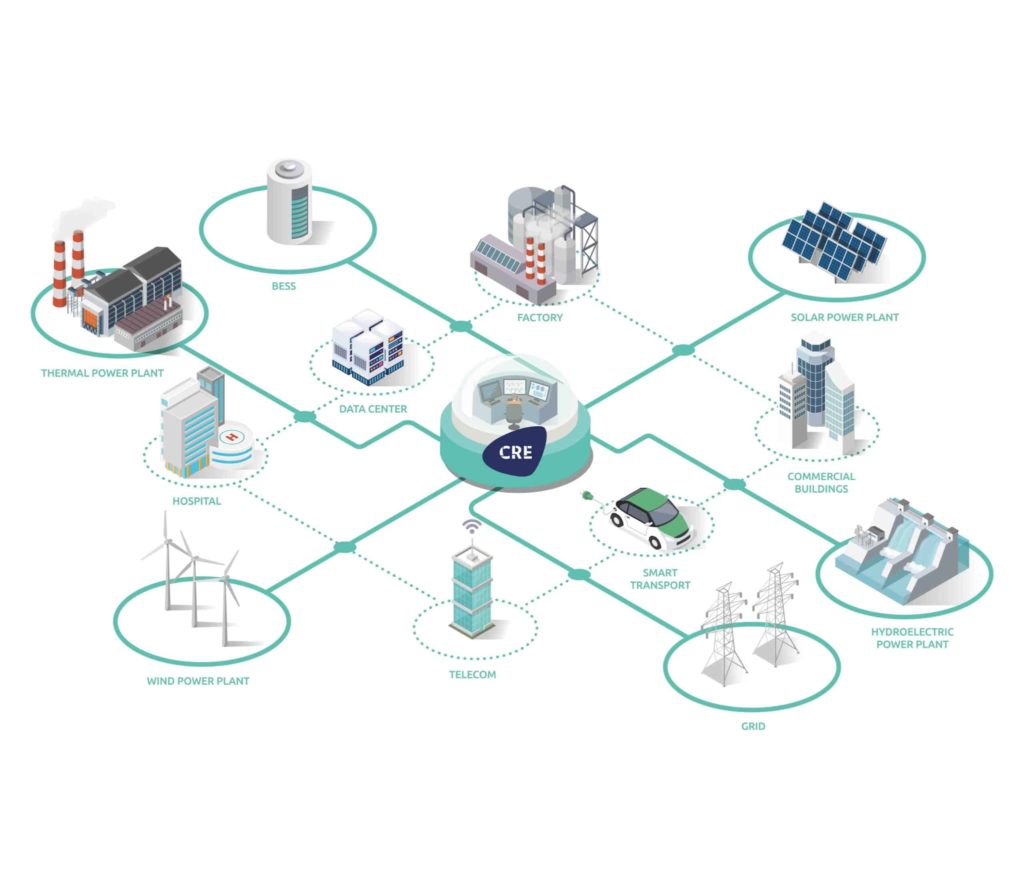
A power for microgrid solution does not rely on a single source of electricity. Instead, it combines multiple generation technologies that work together to provide stable, efficient, and reliable power. The exact energy mix depends on project requirements, available natural resources, operating costs, and reliability objectives. This diversified approach improves energy security by reducing dependence on any one power source.
Renewable Energy Sources
Solar panels and wind turbines are commonly used to generate clean electricity for modern microgrids. During periods of favourable weather, renewable energy can supply a significant portion of the electrical load while reducing fuel consumption and operating costs. Excess electricity is often stored in Battery Energy Storage Systems (BESS) for use when renewable generation decreases.
Diesel and Natural Gas Generators
Backup generators continue to play an important role in many industrial microgrids. They provide dependable electricity during periods of high demand, low renewable generation, or extended utility outages. Natural gas generators are often selected where fuel infrastructure is available, while diesel generators remain common in remote locations.
Hybrid Power Generation
Most industrial microgrids use a hybrid approach that combines renewable energy, battery storage, and conventional generators. Intelligent Energy Management Systems (EMS) continuously determine which energy source should operate at any given time, balancing efficiency, reliability, and fuel consumption. This coordinated operation creates a smart power management framework that delivers dependable electricity under changing operating conditions.
How Energy Is Stored and Managed
Generating electricity is only one part of a successful microgrid. To deliver reliable power for microgrid applications, the system must also store excess energy and distribute it efficiently as demand changes. This is achieved through Battery Energy Storage Systems (BESS) and intelligent Energy Management Systems (EMS), which work together to balance generation, storage, and consumption in real time. Their coordinated operation improves energy efficiency while maintaining stable power under varying operating conditions.
Battery Energy Storage Systems (BESS)
Battery Energy Storage Systems (BESS) store surplus electricity produced by renewable energy sources or generators during periods of low demand. When electricity consumption increases, or renewable generation decreases, the batteries discharge stored energy to support connected loads. This reduces unnecessary generator operation, lowers fuel consumption, and provides rapid response during sudden changes in demand. Batteries also help maintain voltage stability and improve the overall reliability of the microgrid.
Energy Management Systems (EMS)
The Energy Management System (EMS) serves as the operational intelligence of the microgrid. It continuously monitors power generation, battery status, electrical loads, weather forecasts, and grid conditions before deciding how each energy resource should operate. Instead of allowing generators or batteries to run continuously, the EMS automatically selects the most efficient operating strategy based on real-time conditions. This intelligent coordination minimises energy waste, improves equipment performance, and supports a reliable industrial energy solution.
How Electricity Flows Through a Microgrid
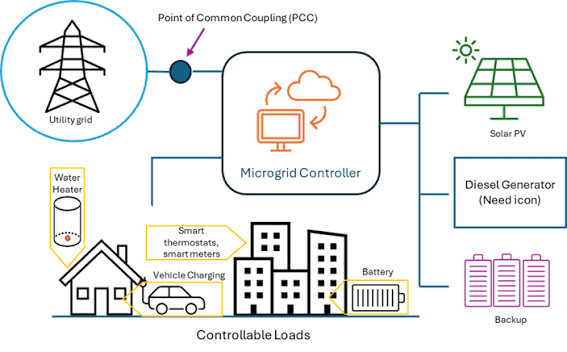
The movement of electricity within a microgrid is carefully managed to ensure that every connected load receives stable and reliable power. Rather than following a fixed path from one power source, power for microgrid systems continuously adjusts electricity flow based on generation capacity, battery status, and real-time energy demand. Intelligent controllers monitor every stage of the process, allowing the system to respond quickly to changing operating conditions while maintaining power quality.
From Generation to Distribution
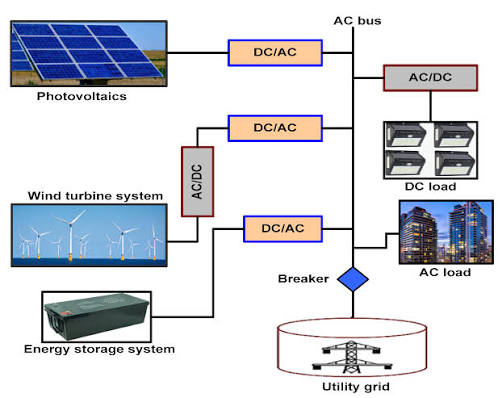
Electricity is first generated by solar panels, wind turbines, diesel generators, natural gas generators, or other distributed energy resources. Before reaching connected equipment, the power passes through inverters, switchgear, and protection devices that regulate voltage, frequency, and electrical safety. The electricity is then distributed to industrial machinery, commercial buildings, or other connected loads according to current demand.
Continuous Power Balancing
Unlike conventional electrical systems, a microgrid continuously balances electricity production and consumption. If renewable generation exceeds demand, excess electricity is stored in Battery Energy Storage Systems (BESS). When demand increases, or renewable output decreases, stored energy or backup generators automatically supply the additional power required. This dynamic power balancing ensures stable operation while reducing unnecessary fuel consumption and improving overall efficiency, creating a smart power management framework.
Grid-Connected vs Islanded Operation
One of the defining features of a modern microgrid is its ability to operate under different utility conditions. Depending on system requirements, power for microgrid applications can remain connected to the utility network or operate independently when external electricity becomes unavailable. This flexibility provides organisations with greater operational control and improves energy resilience during unexpected outages.
Grid-Connected Mode
During normal operation, the microgrid works alongside the utility grid, importing electricity when local generation is insufficient and, where regulations allow, exporting surplus power when production exceeds demand. Energy Management Systems (EMS) optimise the use of renewable energy, battery storage, and generators to improve efficiency and reduce electricity costs.
Islanded Mode
If the utility supply is interrupted, the microgrid automatically disconnects from the external network and continues operating using local energy resources. Battery storage, renewable generation, and backup generators work together to maintain voltage, frequency, and continuous electricity for critical loads. This seamless transition minimises downtime and ensures essential operations continue without interruption, supporting a future-ready energy infrastructure.
Power for Microgrid in Remote Applications
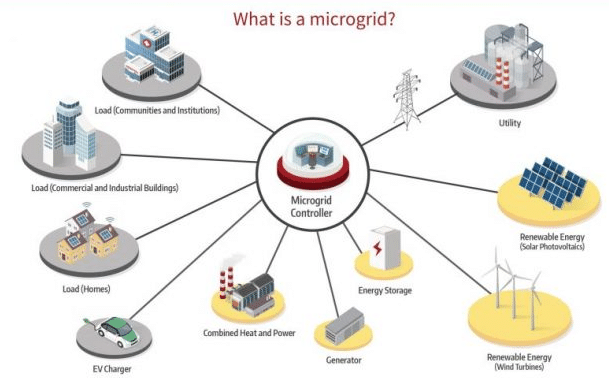
Remote locations often face unique energy challenges because they are located far from utility transmission networks or experience unreliable grid service. Supplying electricity to mining sites, oil and gas operations, telecommunications towers, islands, agricultural facilities, and rural communities can be both expensive and technically complex. A well-designed power microgrid solution allows these facilities to generate and manage electricity locally, reducing dependence on long transmission lines while improving energy reliability.
Renewable energy sources, Battery Energy Storage Systems (BESS), and backup generators work together to provide continuous electricity even when weather conditions or fuel availability change. Intelligent Energy Management Systems (EMS) automatically coordinate these resources to reduce fuel consumption, improve efficiency, and maintain stable operation throughout the day.
For many remote operations, transportation costs associated with diesel fuel represent a significant portion of operating expenses. By integrating renewable energy into the microgrid, organisations can reduce generator operating hours, lower maintenance requirements, and improve long-term cost efficiency. The result is a more resilient and flexible energy system capable of supporting essential services in locations where conventional utility infrastructure is limited or unavailable, contributing to a reliable industrial energy solution.
Power for Microgrid in Industrial Applications
Industrial facilities require a stable and continuous electricity supply to keep production lines, automation systems, heavy machinery, and critical equipment operating efficiently. Even a brief interruption can result in production delays, damaged equipment, or financial losses. A power for microgrid solution helps industrial businesses improve energy reliability by coordinating multiple power sources through one intelligent system. This continuous power supply supports daily operations while reducing dependence on the utility grid.
Manufacturing plants, data centres, healthcare facilities, commercial campuses, ports, and airports often use microgrids to improve resilience and manage increasing electricity demand. Renewable energy, Battery Energy Storage Systems (BESS), and backup generators work together to provide reliable electricity while Energy Management Systems (EMS) optimise how each resource is used. This coordinated approach helps reduce peak demand charges, improve fuel efficiency, and increase the use of renewable energy without affecting operational performance.
Another advantage is scalability. As industrial facilities expand, additional generators, battery storage, or renewable resources can be integrated into the existing microgrid without rebuilding the entire electrical infrastructure. This flexibility allows businesses to adapt to future energy requirements while developing a future-ready energy infrastructure.
Key Benefits of Intelligent Microgrid Power Management
The effectiveness of a microgrid depends not only on its equipment but also on how efficiently those resources are managed. Intelligent control systems continuously monitor electricity demand, generation capacity, battery status, and utility conditions to ensure microgrid applications operate at maximum efficiency. This real-time optimisation allows businesses to make better use of available energy while maintaining stable and reliable performance.
One of the biggest benefits is improved operational reliability. By automatically coordinating renewable energy, battery storage, and backup generators, the system reduces dependence on any single energy source. Intelligent management also minimises unnecessary generator operation, lowering fuel consumption, reducing maintenance requirements, and extending equipment life.
Advanced Energy Management Systems (EMS) can also support remote monitoring, predictive maintenance, and future expansion. These capabilities help businesses identify potential issues before they affect operations while providing the flexibility to integrate additional energy resources as demand grows. Together, these advantages improve operational efficiency, reduce lifecycle costs, and contribute to a smart power management framework.
Factors That Affect Microgrid Performance
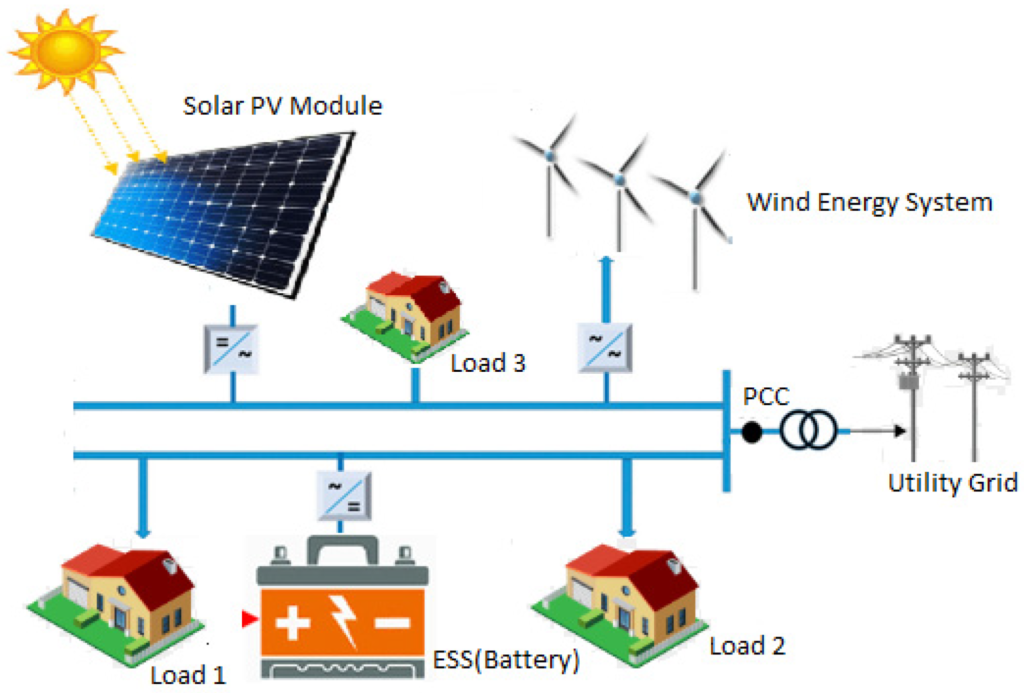
The performance of a microgrid depends on much more than the quality of its equipment. Even the most advanced power for microgrid solution must be properly designed, configured, and maintained to deliver consistent results. Factors such as energy demand, renewable resource availability, battery capacity, control strategies, and maintenance practices all influence overall system performance and long-term reliability.
One of the most important considerations is the facility’s load profile. Understanding when and how electricity is consumed allows engineers to size generators, Battery Energy Storage Systems (BESS), and renewable energy resources correctly. Oversized or undersized equipment can reduce efficiency, increase operating costs, and limit the system’s ability to respond to changing demand.
Weather conditions also affect renewable energy generation, making effective Energy Management Systems (EMS) essential for balancing available resources. Routine maintenance, software updates, and continuous performance monitoring further ensure that generators, batteries, and control systems operate as intended. By combining proper engineering with proactive maintenance, businesses can maximise efficiency, improve equipment lifespan, and build a reliable industrial energy solution.
Build Reliable Microgrid Power Systems with ALEO
A successful power microgrid project requires more than reliable equipment—it requires a solution that is carefully engineered to match your operational requirements, energy demand, and future growth plans. Whether you operate a remote mining site, manufacturing facility, commercial campus, or critical infrastructure, a customised microgrid can improve reliability, reduce operating costs, and strengthen long-term energy resilience.
ALEO designs and customises microgrid solutions ranging from 100 kW to 1 MW, complete with integrated Energy Management Systems (EMS) for intelligent monitoring, automation, and power optimisation. Every system is tailored to deliver dependable performance while supporting renewable energy integration and future expansion.
With UL-certified products from the USA, direct shipment from the United States, professional on-site installation and debugging support, and a 5-year warranty, ALEO delivers complete microgrid solutions backed by technical expertise.
Visit our website and connect with us to discuss a customised microgrid solution that helps your business build a future-ready energy infrastructure.