Energy reliability has become a major priority for industries, businesses, and communities that cannot depend entirely on traditional power grids. Unexpected outages, increasing energy demands, and the need for better control have encouraged organisations to explore smarter and more flexible energy systems. This shift has created a modern energy management approach focused on reliability and independence.
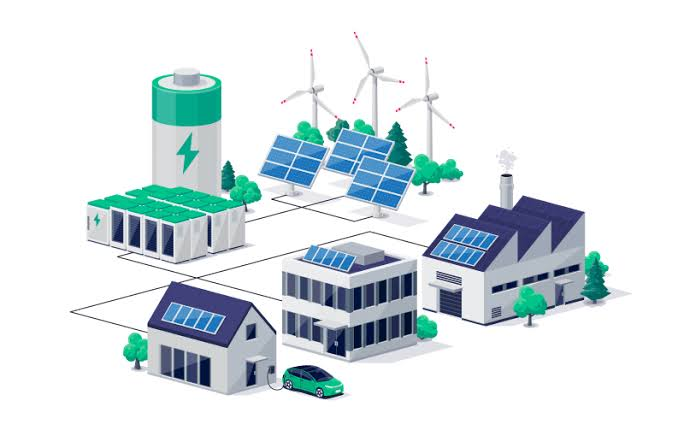
A Microgrid solution provides a localised power system that can generate, manage, and distribute electricity within a specific area. Unlike conventional grid dependency, microgrids can combine different energy sources such as generators, renewable power, and storage systems to maintain a stable electricity supply.
For industrial and commercial users, microgrids are not only about backup power but also about improving efficiency, reducing downtime, and gaining better control over energy usage. Their ability to operate with or without the main grid creates a flexible power infrastructure model for critical applications.
As energy requirements continue to evolve, businesses are adopting advanced systems that provide stability and long-term operational support. In this article, we will explore what a microgrid is, how a Microgrid solution works, its cost, components, advantages, limitations, and where these systems are commonly used.
What Is a Microgrid in Simple Terms?
A microgrid is a small, localised energy system that can generate and distribute electricity for a specific area such as a factory, hospital, business facility, or community. Instead of depending completely on the main utility grid, it allows users to manage their own power supply through different energy sources. This creates a localised energy distribution system for improved reliability.
A Microgrid solution typically includes power generation equipment, control systems, and sometimes energy storage units that work together to maintain stable electricity. These systems can operate while connected to the main grid or independently during outages, depending on the design and energy requirements.
The main purpose of a microgrid is to provide greater energy control and reduce the risks associated with grid failures. For industries where downtime can affect production, safety, or operations, microgrids provide a more dependable way to maintain power availability. This creates an independent power management approach for critical environments.
In simple terms, a microgrid works like a smaller version of a traditional power grid but gives users more flexibility over how their energy is produced and used. It supports better efficiency, reliability, and long-term energy planning for modern applications.
How Does a Microgrid Solution Work?
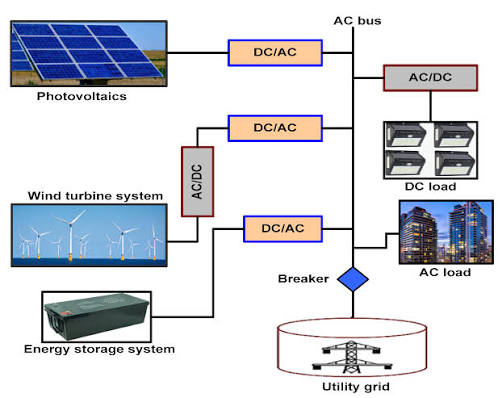
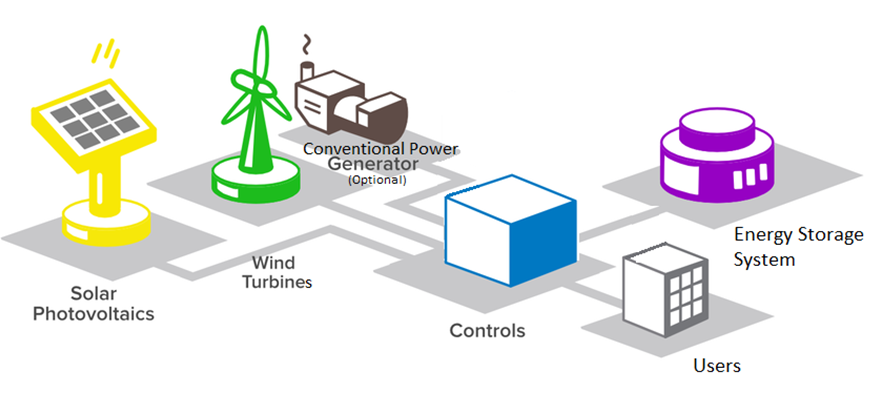
A Microgrid solution works by combining different energy sources, storage systems, and control technologies into one connected power network. Instead of relying on a single electricity source, it manages multiple resources to provide stable and efficient power based on real-time demand. This creates a smart energy coordination system for modern facilities.
The process starts with power generation, where electricity can come from sources such as diesel generators, natural gas generators, solar panels, wind systems, or other energy technologies. These sources work together to ensure that enough power is available for connected loads and critical operations.
Energy storage systems, such as batteries, help store extra electricity and release it when demand increases or when the main grid is unavailable. This improves backup capability and allows the system to maintain continuous operation during power disruptions. This provides a reliable backup energy structure for industrial users.
A major part of every microgrid is the control system, which monitors energy production, consumption, and distribution. It automatically decides when to use stored energy, switch power sources, or connect with the main grid. This intelligent management helps improve efficiency, reduce waste, and maintain stable performance.
Key Components of a Microgrid Solution
A successful Microgrid solution is built from multiple components that work together to generate, store, control, and distribute electricity efficiently. Each part plays an important role in maintaining stable power delivery, especially in industrial environments where downtime can create major operational challenges. This creates an integrated energy management system for reliable performance.
Unlike traditional power setups that depend on a single electricity source, microgrids combine different technologies to improve flexibility and resilience. The design of each system depends on energy demand, location, operating conditions, and long-term reliability goals.
Power Generation Sources
Power generation is the foundation of every microgrid because it determines how electricity is produced for daily operations. Microgrids can use different sources, including diesel generators, natural gas generators, solar panels, wind turbines, or a combination of multiple technologies. This creates a diverse energy generation structure for better reliability.
For industrial facilities, generators are commonly integrated because they provide stable power output and can support heavy loads during critical operations. Renewable sources may also be included to improve efficiency and reduce fuel dependency, creating a balanced approach between sustainability and performance.
A well-designed Microgrid solution selects power sources based on actual load requirements, operating hours, and site conditions. This ensures that the system delivers consistent energy without unnecessary waste or reliability issues.
Energy Storage Systems
Energy storage systems play an important role in improving microgrid flexibility by storing excess electricity and supplying it when needed. Battery storage allows users to balance energy demand, reduce interruptions, and maintain operations during temporary power shortages. This creates a continuous energy availability advantage for critical applications.
Storage systems are especially useful when microgrids include renewable energy sources because solar and wind generation can fluctuate depending on weather conditions. Batteries help stabilise supply by filling the gap between production and demand.
In industrial applications, proper storage sizing is essential to ensure the system can support important loads without performance issues. The right battery capacity improves reliability and helps maintain smooth power delivery.
Microgrid Control Systems
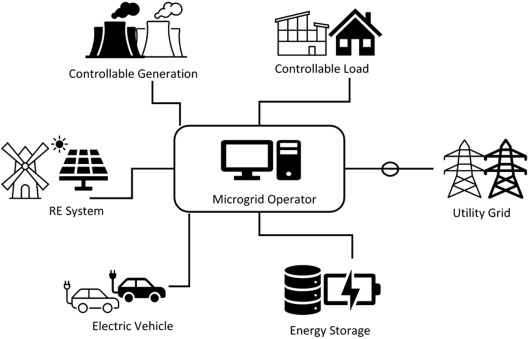
The control system acts as the brain of a microgrid by monitoring, managing, and optimising energy flow between different power sources. It continuously tracks electricity generation, consumption, storage levels, and load requirements to ensure stable operation. This creates an intelligent power management system for modern energy networks.
Advanced controllers automatically decide when to use stored energy, activate generators, or connect with the main utility grid based on real-time conditions. This reduces manual intervention and allows the system to respond quickly during power changes or unexpected outages.
For industries and critical facilities, control systems are especially important because they maintain efficiency and prevent disruptions. A properly configured Microgrid solution uses automation technology to balance reliability, cost, and energy performance according to operational needs.
Grid Connection and Island Mode Operation
One of the most important features of a microgrid is its ability to work both with the main grid and independently when required. Under normal conditions, it can remain connected to the utility grid while managing local energy resources. This provides a flexible operating capability for different power situations.
During grid failures or emergencies, a microgrid can switch into island mode, where it disconnects from the main grid and continues supplying electricity using local power sources. This function is highly valuable for hospitals, industrial plants, data centres, and other facilities where downtime can cause serious problems.
A Microgrid solution with island mode capability improves energy security by reducing dependence on external power networks. It ensures that essential operations continue even during outages, making microgrids an effective option for reliability-focused environments.
How Much Do Microgrids Cost?
The cost of a microgrid can vary significantly depending on its size, energy capacity, technology, and installation requirements. Small systems designed for individual facilities may cost much less, while large industrial microgrids with advanced controls, generators, and storage systems require higher investment. This creates a project-specific cost structure rather than a fixed price.
A Microgrid solution typically includes several cost components, such as power generation equipment, batteries, control systems, installation, and system integration. The final price depends on how much power the facility requires and whether additional technologies like renewable energy or large-scale storage are included.
Energy storage is often one of the biggest factors affecting microgrid pricing. Larger battery systems increase upfront investment but provide better backup capability and flexibility during outages. This creates a cost versus reliability balance when designing a microgrid.
Although initial costs can be higher compared to traditional backup systems, microgrids often provide long-term value through improved energy control, reduced downtime, and better operational efficiency. For industries where power interruptions lead to major losses, the investment can provide significant reliability benefits.
What Does a Microgrid Look Like?
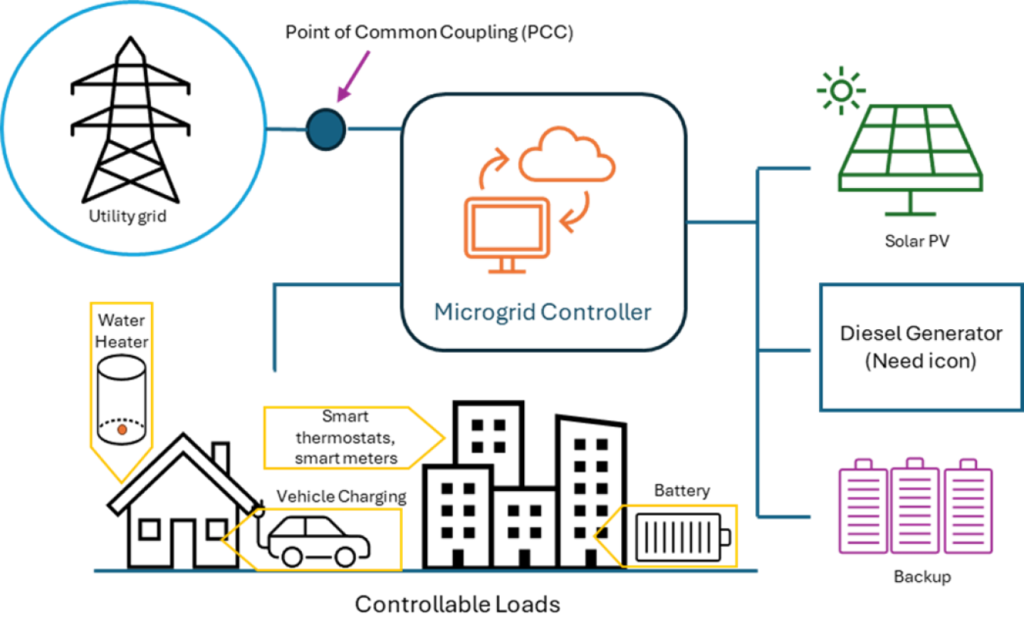
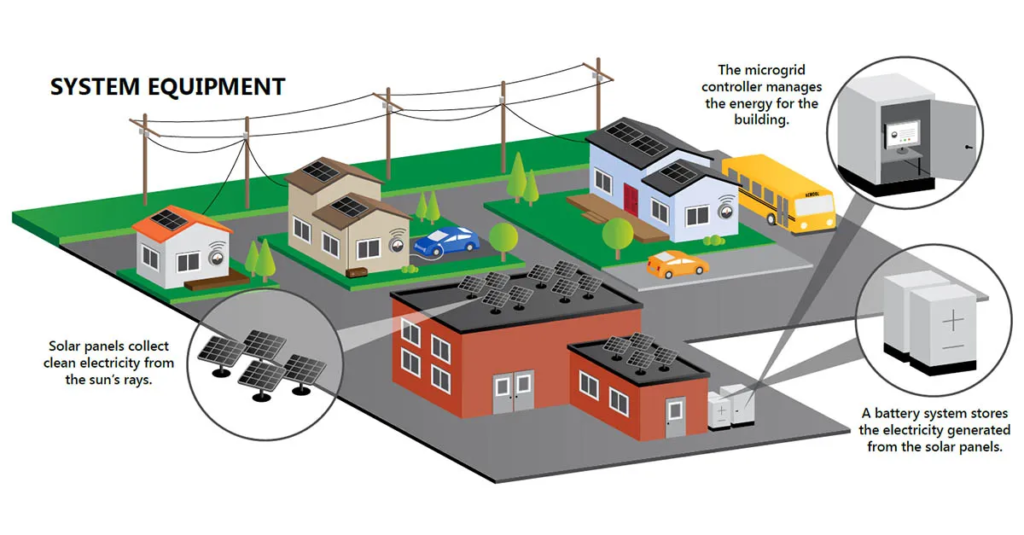
A microgrid does not have one fixed appearance because its design depends on the location, energy requirements, and type of application. In general, it looks like a connected network of power generation units, storage systems, and control equipment working together to supply electricity. This creates a customised energy infrastructure layout for different users.
A typical Microgrid solution may include generators, solar panels, battery banks, electrical panels, and smart controllers installed within a facility or specific area. These components communicate with each other to balance energy production and consumption while maintaining a reliable power supply.
For an industrial site, a microgrid may appear as a combination of large generator units, control rooms, switchgear, and energy management systems. In residential communities, it may include smaller renewable systems and shared storage solutions. This creates a scalable power system design based on energy demand.
The main purpose of the design is not appearance but functionality. Every component is arranged to ensure efficient power flow, backup availability, and smooth operation during normal conditions or grid failures. A properly planned microgrid provides both flexibility and reliability for long-term energy needs.
What Are the Disadvantages of Microgrids?
Although microgrids provide reliability and energy independence, they also come with certain challenges that must be considered before installation. The biggest limitation is the high initial investment required for equipment, engineering, and system integration. This creates a higher upfront cost barrier compared to traditional power solutions.
A Microgrid solution often includes multiple technologies such as generators, batteries, control systems, and renewable energy sources. Managing these components requires advanced planning and technical expertise to ensure everything operates efficiently together.
Maintenance can also be more complex because microgrids combine different power assets into one system. Regular inspections, software monitoring, battery checks, and generator maintenance may be required to maintain reliable performance. This creates a multi-system maintenance requirement for long-term operation.
Another challenge is proper system design. If a microgrid is not correctly sized according to energy demand, it may experience inefficiency, unnecessary costs, or limited backup capability. However, with proper engineering and planning, these disadvantages can be reduced significantly.
Benefits of Microgrid Solutions for Industries
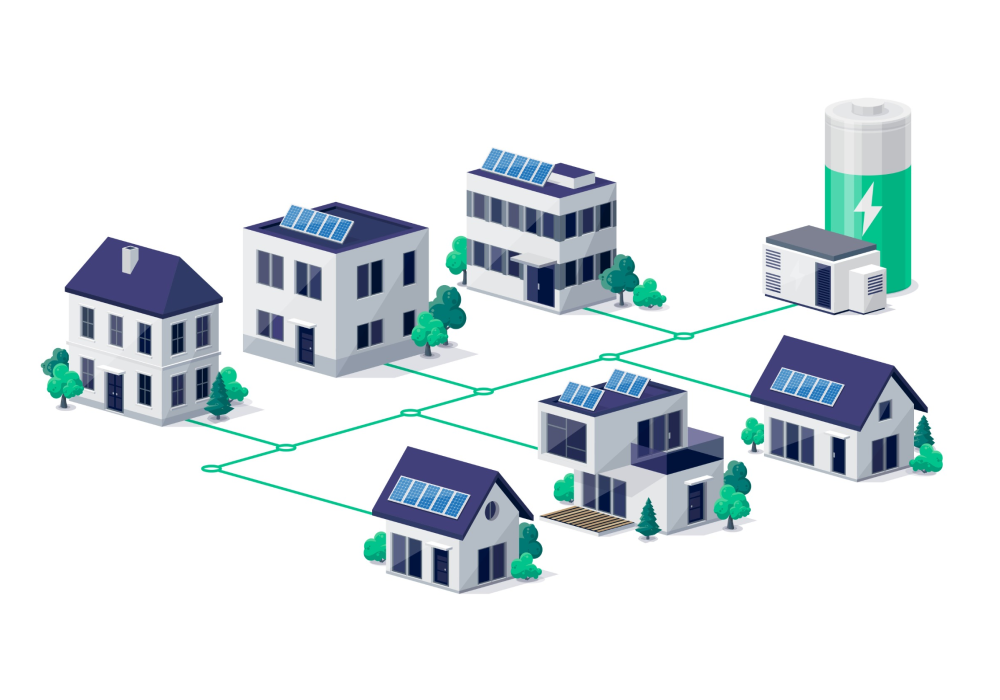
Industries are increasingly adopting microgrids because they provide better control over energy generation, distribution, and reliability. For facilities where power interruptions can affect production, safety, or revenue, having a more independent energy system becomes a major advantage. This creates a reliable operational continuity strategy for critical applications.
A Microgrid solution helps reduce dependence on the main grid by allowing businesses to use local power generation sources. During outages or grid instability, microgrids can continue supporting essential operations, helping industries avoid costly downtime and unexpected disruptions.
Another major benefit is improved energy efficiency. Advanced control systems monitor power usage and automatically balance available resources to reduce waste and optimise performance. This creates a smart energy optimisation process for industrial facilities.
Microgrids also offer scalability, meaning they can be expanded as energy requirements grow. Businesses can add more generation capacity, storage, or renewable energy sources over time without completely redesigning their power infrastructure.
For industries focused on long-term reliability, a properly designed Microgrid solution provides flexibility, improved resilience, and better control over future energy requirements.
Where Are Microgrids Commonly Used?
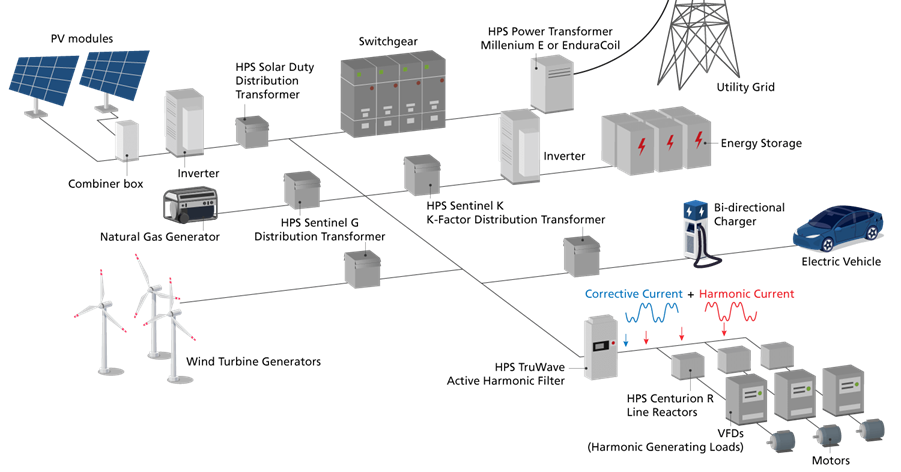
Microgrids are commonly used in locations where energy reliability, independence, and continuous operation are essential. They are especially valuable for facilities that cannot afford unexpected power interruptions or complete dependence on traditional grid systems. This creates a critical power reliability solution for demanding environments.
Industrial facilities and manufacturing plants use microgrids to maintain stable production and reduce downtime caused by grid failures. By combining generators, storage systems, and advanced controls, a Microgrid solution helps maintain consistent power availability for heavy equipment and essential operations.
Hospitals and data centres also rely on microgrids because even short power disruptions can cause serious operational problems. These facilities require stable electricity for sensitive equipment, emergency systems, and continuous service availability. This creates a mission-critical energy support system for essential infrastructure.
Remote locations such as mining sites, construction projects, and off-grid facilities also benefit from microgrids. In areas where traditional grid access is limited or unreliable, microgrids provide a practical way to generate and manage electricity locally.
Build Reliable Energy Systems with Confidence – Connect With ALEO Today!
A Microgrid solution is becoming an important part of modern energy infrastructure by helping industries achieve better reliability, flexibility, and control over their power supply. By combining generation sources, storage systems, and intelligent controls, microgrids support continuous operations while reducing dependency on traditional grid systems. This creates a resilient energy management approach for critical applications.
At ALEO, we provide industrial power solutions designed for demanding environments where stable and efficient energy performance is essential. Our systems support businesses that require dependable power infrastructure, reduced downtime risks, and long-term operational confidence. This ensures a reliable industrial power foundation for future energy needs.
Each unit comes with UL certification from the USA, meeting international safety and quality standards for performance and durability. With direct shipment from the United States, businesses benefit from reliable delivery timelines, while our on-site installation and debugging support ensure smooth integration and optimised operation.
Backed by a 1-year warranty, ALEO solutions provide confidence for industries looking to strengthen their energy infrastructure. Visit our website and connect with us today to build a stable, efficient, and future-ready power system.