Modern homes and businesses rely heavily on uninterrupted electricity for daily operations, communication, security, and comfort. Even short power outages can disrupt internet access, damage sensitive equipment, interrupt remote work, and affect essential household systems. As weather-related outages and grid instability become more common, many property owners are considering whether investing in a backup generator is a practical long-term solution. Reliable emergency power access has become increasingly important for residential and commercial users.
A backup generator provides temporary electrical power when the main utility supply fails. Depending on the system size and configuration, it can support essential appliances, HVAC systems, refrigeration units, lighting, and business-critical equipment during emergencies. Properly installed systems improve operational continuity while reducing the inconvenience and risks associated with extended outages. Continuous backup power support helps maintain stability during unexpected electrical failures.
However, many homeowners question whether the investment is truly worth the installation and operating costs. Factors such as outage frequency, fuel availability, maintenance requirements, and runtime expectations all influence the overall value of a backup generator. In some areas, generators serve as occasional emergency tools, while in others, they become essential for maintaining everyday functionality. Long-term power reliability planning plays a major role in generator purchasing decisions.
Choosing the right generator also requires understanding load requirements, fuel efficiency, safety standards, and installation considerations. Portable and standby systems each offer different advantages depending on operational needs and budget expectations. Evaluating these technical factors helps property owners make informed decisions about backup power solutions. Proper generator selection strategy improves both performance and long-term reliability.
In this article, we will discuss whether investing in a backup generator is worthwhile, important safety considerations, fuel runtime expectations, operational benefits, and key factors homeowners should evaluate before installation.
Understanding a Backup Generator
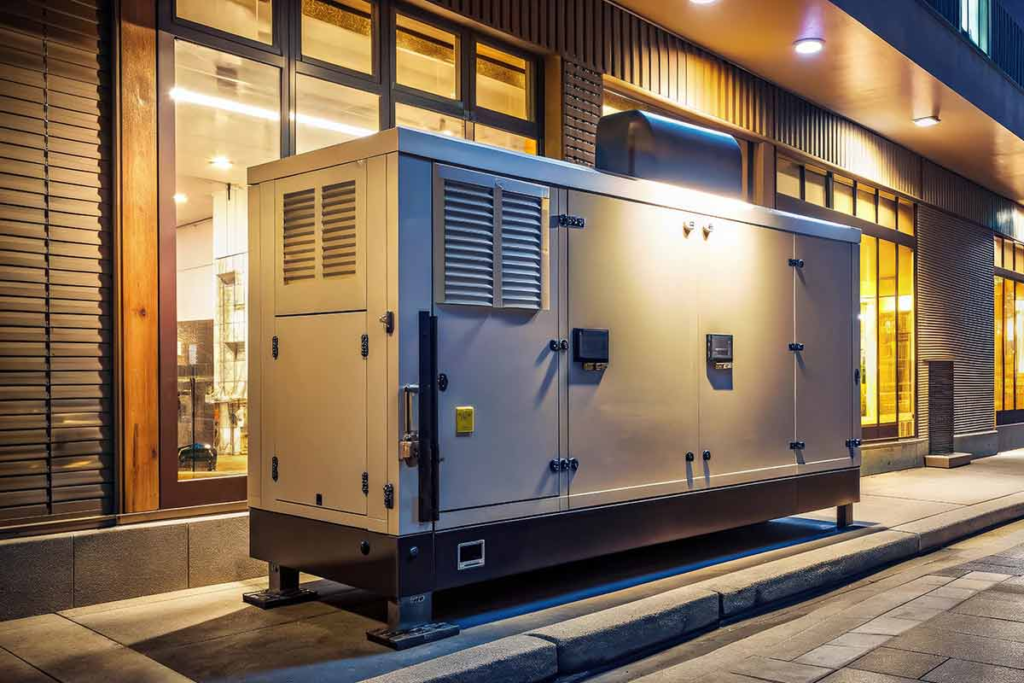
A backup generator is a power system designed to supply electricity during utility outages. It automatically or manually provides temporary power to essential appliances, lighting systems, HVAC equipment, and other electrical devices when the main grid fails. An emergency power backup solution helps maintain operational continuity during unexpected outages.
Backup generators are generally available as portable or standby systems. Portable generators are smaller and used for limited appliance support, while standby generators are permanently installed and connected directly to the building’s electrical system. Standby systems can automatically activate during outages using a transfer switch. Automatic power restoration capability improves convenience and reliability.
These systems are widely used in residential homes, offices, healthcare facilities, retail spaces, and industrial environments where uninterrupted electricity is critical. As dependence on electrical systems continues to increase, backup generator installations are becoming more common for both safety and operational reasons. Growing energy reliability demand continues driving generator adoption.
Do I Really Need a Backup Generator?
Whether you need a backup generator depends largely on how often power outages affect your area and how critical uninterrupted electricity is for your daily operations. Homes with remote work setups, medical devices, security systems, or temperature-sensitive appliances often benefit significantly from backup power support. Power outage risk factor helps determine the necessity of generator installation.
A backup generator also helps protect food storage, internet connectivity, heating and cooling systems, and important electronic equipment during extended outages. In areas with severe weather conditions or unstable utility infrastructure, generators provide greater operational security and peace of mind. Residential emergency preparedness improves overall household reliability.
For many homeowners and businesses, a generator is not just a convenience but a long-term investment in operational continuity and safety during unpredictable grid failures.
Main Benefits of Installing a Backup Generator
Backup generators provide both operational and practical advantages during unexpected power outages. They help maintain household functionality, protect electrical equipment, and reduce disruption caused by grid failures. Reliable outage protection is one of the main reasons homeowners invest in backup systems.
Emergency Power Reliability
A backup generator supplies immediate electricity during outages, helping essential appliances and systems continue operating normally. This reduces downtime and improves residential comfort during emergencies. Continuous power availability supports everyday operations during grid failure.
Appliance and Equipment Protection
Sudden outages and unstable voltage can damage sensitive electronics and household appliances. Backup systems help maintain stable power delivery and reduce the risk of electrical damage. Equipment safety support improves long-term appliance reliability.
Business and Productivity Continuity
For remote workers and home-based businesses, power outages can interrupt communication, internet access, and productivity. Backup generators help maintain operational continuity during extended disruptions. Uninterrupted work capability reduces downtime losses.
Comfort During Extended Outages
Generators help power HVAC systems, refrigeration units, lighting, and water pumps during prolonged outages. This improves household safety and comfort in extreme weather conditions. Extended outage comfort becomes critical during severe conditions.
Increased Property Value
Homes equipped with professionally installed backup generators are often viewed as more reliable and prepared for emergencies. This can improve long-term property appeal and resale value. Added residential value makes generators a useful long-term investment.
Reduced Food Spoilage Risk
Backup generators keep refrigerators and freezers running during outages, preventing food from spoiling and reducing financial loss. Food preservation protection helps avoid unnecessary waste during long power cuts.
Key Factors That Determine Whether a Backup Generator Is Worth It
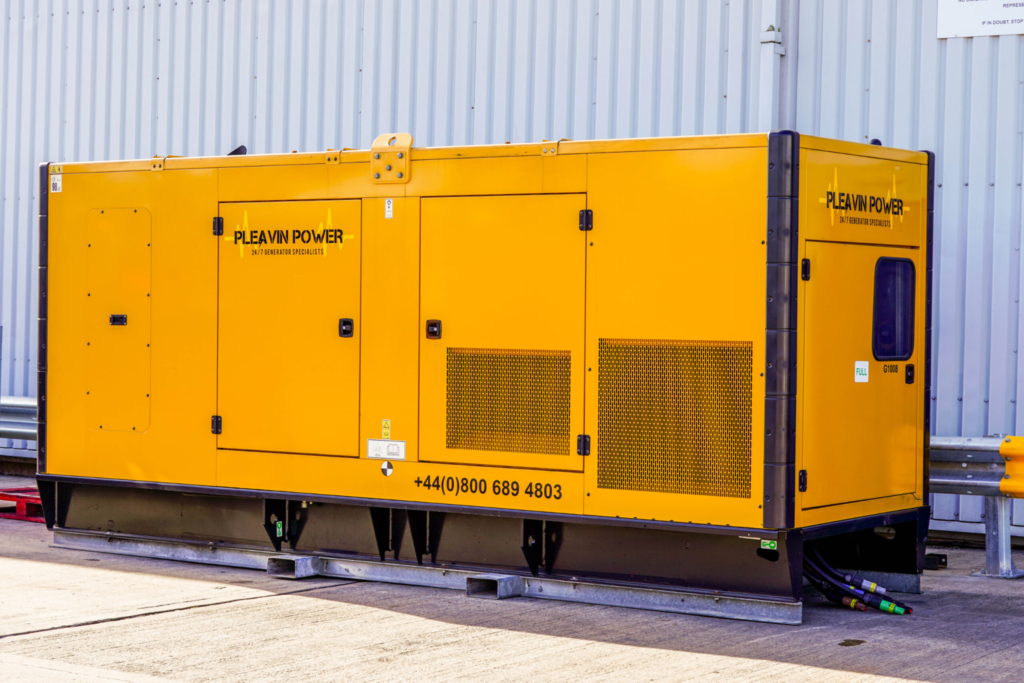
Several operational and financial factors influence whether investing in a backup generator is a practical long-term decision for residential or light commercial use.
Power Outage Frequency and Duration
Homes located in areas with frequent outages often benefit the most from backup power systems. Long outages can interrupt communication, refrigeration, security systems, and HVAC operation. Outage frequency strongly affects generator value.
Weather conditions, ageing infrastructure, and grid instability can also increase the need for dependable backup power. In these situations, generators help reduce operational disruption and improve emergency preparedness. Grid reliability concerns influence installation decisions.
Fuel Type and Runtime Efficiency
Fuel choice affects operating cost, runtime, and maintenance requirements. Natural gas generators offer convenient fuel access, while diesel systems provide strong performance under heavy loads. Fuel efficiency consideration impacts long-term operating value.
Propane generators are also common because they store well and burn cleaner than diesel. Runtime depends heavily on generator size and load demand during operation. The runtime performance factor determines emergency usability.
Generator Capacity and Load Management
The generator must be sized according to the appliances and systems that need backup power. Essential-load systems are more affordable, while whole-home systems require higher capacity. Proper load planning improves system efficiency.
High startup loads from HVAC systems and pumps must also be considered to avoid overload conditions. Startup wattage requirement affects generator sizing accuracy.
Installation and Safety Requirements
Professional installation is critical for safe generator operation. Transfer switches, ventilation, and electrical compliance all help prevent operational hazards. Safe installation standards improve long-term reliability.
Improper setup can create backfeeding risks and damage household electrical systems during outages. Electrical safety protection is essential for residential use.
Maintenance and Long-Term Operating Cost
Backup generators require regular servicing, including oil changes, inspections, and fuel system maintenance. Routine care helps maintain performance and reduce breakdown risk. The importance of routine maintenance affects overall reliability.
Although generators involve installation and operating costs, many homeowners consider the investment worthwhile for emergency readiness and uninterrupted power access. Long-term operational value often outweighs outage-related inconvenience.
What Is the 20/20/20 Rule for Generators?
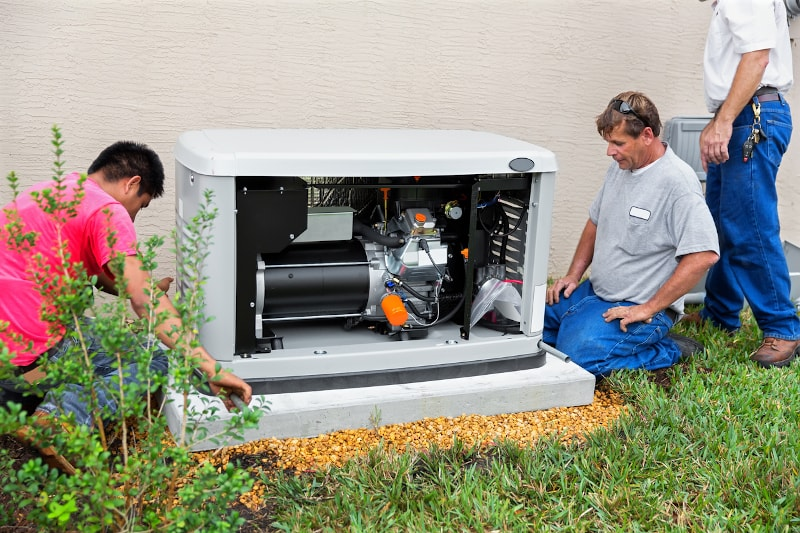
The 20/20/20 rule is a general generator maintenance and operation guideline used to help improve performance and reduce unnecessary stress on the system. While interpretations may vary, it commonly refers to operating the generator under moderate load conditions for regular intervals to maintain engine health and efficiency. Balanced generator operation helps improve long-term reliability.
In many cases, the rule emphasises avoiding continuous operation at extremely low or maximum load for extended periods. Running the generator periodically under proper load helps prevent fuel system issues, moisture buildup, and carbon deposits inside the engine. Preventive runtime practice supports smoother generator performance.
The rule is also associated with load management and cooling intervals during prolonged operation. Proper runtime scheduling helps reduce overheating risk and improves fuel efficiency during emergency use. Controlled operational cycling can extend generator lifespan and reduce maintenance requirements.
How Long Will a 250 Gallon Propane Tank Run a Generac Generator?
The runtime of a 250-gallon propane tank depends on the generator size and the electrical load being used during operation. Most residential Generac generators can run for several days on a partially filled tank when operating under moderate load conditions. Propane runtime estimation varies according to power demand and generator capacity.
At partial load, a standby generator typically consumes fuel more slowly, allowing longer runtime during outages. However, heavy appliance usage such as HVAC systems, electric heaters, and water pumps can significantly increase propane consumption. Load-based fuel consumption directly affects operational duration.
In practical residential applications, a 250-gallon propane tank may support a medium-sized standby generator for approximately 5 to 10 days under balanced usage conditions. Runtime can vary depending on weather, appliance load, and generator efficiency. Extended outage fuel planning is important for reliable emergency backup operation.
Can You Just Plug a Generator Into an Outlet?
Plugging a generator directly into a household outlet is extremely dangerous and should never be done. This unsafe method, commonly called backfeeding, can send electricity into utility lines and create serious risks for utility workers and household electrical systems. Unsafe backfeeding hazard is one of the biggest generator safety concerns.
Generators should always be connected using a properly installed transfer switch or approved connection system. These systems isolate the generator from the utility grid and safely distribute backup power throughout the property. Proper transfer switch installation ensures safe and compliant operation.
Improper generator connections can also damage appliances, overload circuits, and violate local electrical codes. Professional installation is strongly recommended to maintain operational safety and electrical reliability. Electrical safety compliance is essential for all backup generator systems.
Common Mistakes Homeowners Make With Backup Generators
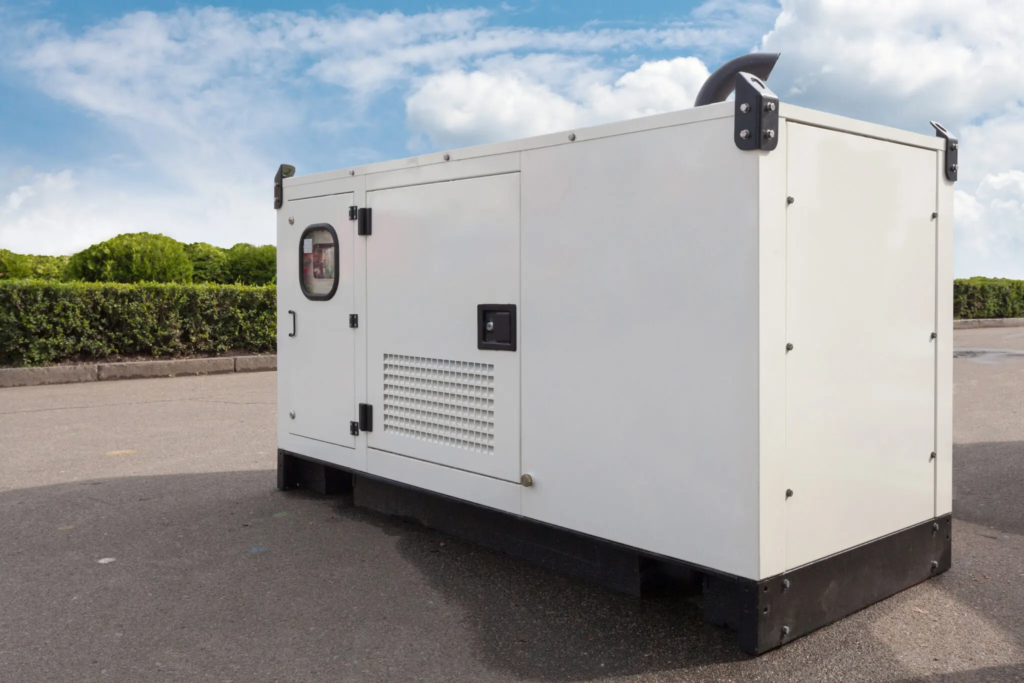
One of the most common mistakes is choosing a generator without properly calculating household power demand. Undersized generators struggle with high startup loads, while oversized systems waste fuel and increase operating costs. Incorrect sizing reduces efficiency and reliability.
Many homeowners also neglect routine maintenance, fuel planning, and periodic system testing. Without proper servicing, generators may fail during critical outages when backup power is needed most. Poor maintenance practices shorten equipment lifespan.
Unsafe installation methods and improper outlet connections are also major issues. Using professional installation and proper transfer switches greatly improves operational safety and long-term system performance. A safe installation approach helps prevent electrical hazards and equipment damage.
Is a Backup Generator a Good Long-Term Investment?
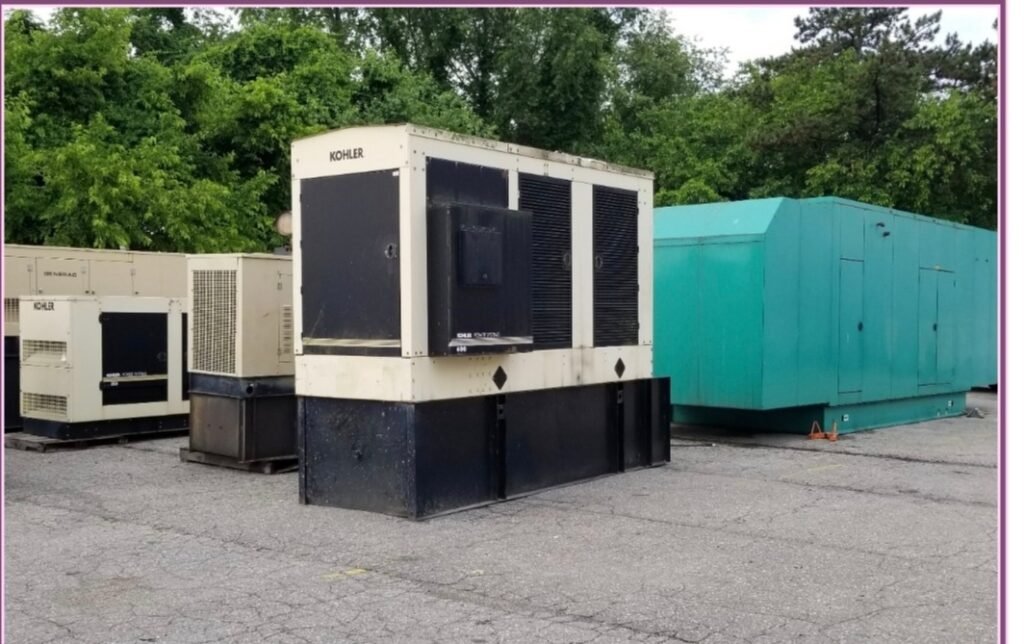
A backup generator can be a strong long-term investment for homeowners and businesses that experience frequent power interruptions or rely heavily on continuous electricity. It provides immediate power during outages, helping maintain essential systems such as lighting, refrigeration, HVAC, and communication equipment. Long-term power reliability is the main value proposition of backup generators.
From a financial perspective, a generator does not replace grid electricity, but it reduces losses caused by downtime, spoiled food, disrupted work, or damaged equipment. For remote workers, medical needs, or climate-sensitive environments, this reliability often outweighs the initial installation and fuel costs. Operational risk reduction makes generators valuable in real-world scenarios.
Over time, properly maintained generators can operate for many years, especially when correctly sized and installed with proper safety systems. This makes them a durable infrastructure asset rather than a short-term appliance. Durability and service life enhance long-term return on investment.
Get Reliable Backup Power Solutions – Connect With ALEO Today!
Backup generators have become an essential part of modern energy planning, especially in areas where power interruptions affect daily life, productivity, and safety. They ensure that critical systems continue running during outages, reducing disruption and protecting both comfort and equipment. Reliable emergency power makes them a practical solution for long-term preparedness.
The real value of a generator depends on usage needs, outage frequency, and proper system selection. When correctly installed and maintained, it provides consistent backup performance and reduces risks associated with sudden power loss. Stable operational continuity improves household and business resilience over time.
ALEO offers UL-certified generator solutions from the USA, ensuring high safety and performance standards. With direct USA shipment, on-site installation and debugging, and a 1-year warranty, customers receive complete support from selection to setup. Trusted industrial support ensures reliable backup power solutions.
For professional guidance and the right generator system for your needs, visit our website and connect with us for long-term energy solutions built for safety, efficiency, and performance.