Unexpected power outages can disrupt business operations, halt production lines, and compromise safety in commercial and industrial facilities. For companies relying on critical systems, uninterrupted electricity is not just convenient, it’s essential. While utility power is generally reliable, storms, equipment failures, or grid maintenance can leave organizations vulnerable to downtime.
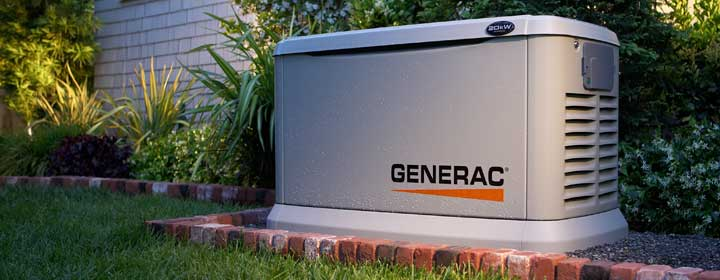
Generac generators powered by propane offer a practical solution for ensuring continuous operational stability. Unlike gasoline, propane is cleaner, easier to store long-term, and produces fewer emissions. For commercial setups, having the right generator paired with an appropriately sized propane tank ensures that essential systems continue running without interruption.
A common question among facility managers and industrial buyers is: how long will a 250-gallon propane tank run a Generac generator? The answer depends on multiple factors, including generator size, load demand, and efficiency. Understanding these variables is crucial for accurate fuel planning, safe installation, and cost-effective operation.
In this guide, we’ll explore runtime calculations, compare propane with gasoline for cost-effectiveness, and provide practical advice for selecting and maintaining a Generac generator for commercial backup power. By the end, you’ll have a clear picture of how to plan fuel usage, maximize efficiency, and ensure reliable power during any outage. So, read on:
Understanding Propane Fuel and Generator Performance
Propane is a highly efficient fuel source for generators, offering consistent energy output and cleaner combustion than traditional gasoline. Its energy density allows a relatively compact tank to provide long operational hours, making it ideal for commercial backup power. Unlike diesel or gasoline, propane has a longer shelf life, which reduces the risk of fuel degradation when generators are not in use for extended periods.
Generator runtime depends heavily on load requirements. A generator running at 25% load will consume less fuel per hour than one operating at full capacity. For commercial facilities, understanding peak and average energy needs is essential for planning propane storage. Facilities that underestimate consumption risk running out of fuel during critical outages, potentially interrupting operations or affecting sensitive equipment.
Maintenance considerations also differ with propane. Because it burns cleaner, propane reduces carbon buildup inside the engine, extending service intervals. This contributes to long-term reliability and lowers the cost of ownership for industrial buyers. Propane-fueled generators also produce fewer emissions, making them suitable for indoor installations or areas with stricter environmental regulations.
Propane vs Diesel Efficiency
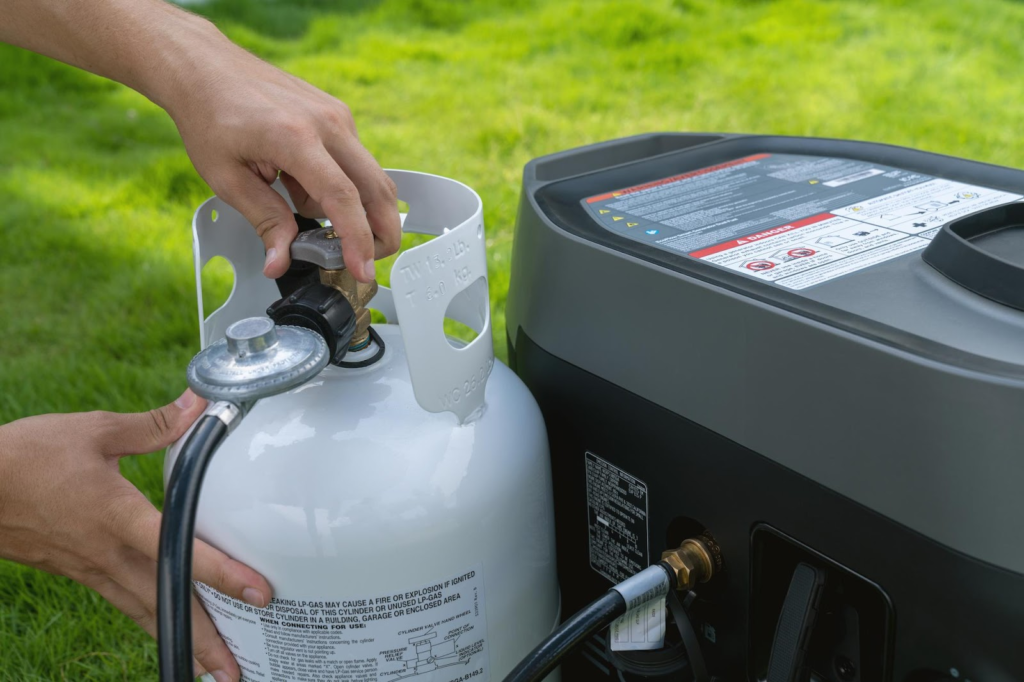
Diesel has a higher energy density per gallon, which can translate to slightly longer runtime for the same tank size. However, diesel engines emit more soot and require frequent maintenance to maintain efficiency. Propane, on the other hand, is cleaner and more manageable, though slightly more storage is required to achieve the same energy output. For commercial backup power applications, propane’s reduced maintenance requirements, longer shelf life, and safer handling often outweigh the minor difference in energy density. Choosing between diesel and propane ultimately depends on operational priorities, available storage space, and environmental considerations.
Calculating Generac Runtime on 250 Gallons
Understanding how long a Generac generator can run on a 250-gallon propane tank requires knowing the generator’s fuel consumption rate and the energy load applied. Generators list consumption in gallons per hour (GPH), typically at varying load percentages. A facility running essential systems at 50% load will consume less propane per hour than one running full operations.
To calculate runtime, divide the tank size by the generator’s hourly fuel consumption. For example, a 22kW Generac running at 50% load consumes roughly 2.8 GPH. A 250-gallon propane tank would therefore provide approximately 89 hours of continuous operation under these conditions. For businesses relying on commercial backup power, this kind of practical fuel planning is essential to avoid unexpected outages.
Example Calculation for a 22kW Generac Generator
| Load (%) | Consumption (GPH) | Estimated Runtime (Hours) |
| 25% | 1.5 | 166 |
| 50% | 2.8 | 89 |
| 75% | 4.0 | 62 |
| 100% | 5.5 | 45 |
Factors such as ambient temperature, tank pressure, and generator maintenance can influence actual runtime. Cold weather reduces propane pressure, potentially limiting fuel flow. Worn components or clogged regulators may also slightly increase fuel consumption.
Factors Affecting Propane Runtime
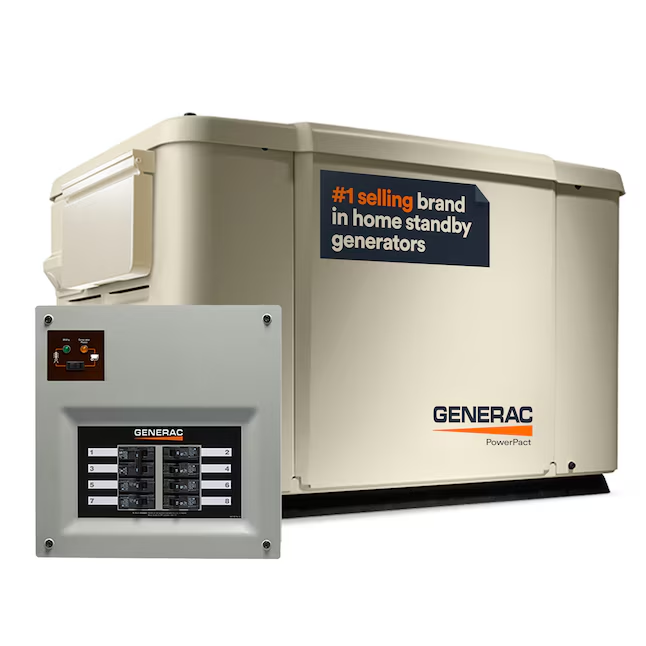
Several factors influence how long a Generac generator can run on a 250-gallon propane tank, and understanding these variables is essential for effective fuel planning and uninterrupted operation.
Ambient temperature plays a significant role in propane performance. Propane is stored as a liquid under pressure, and lower temperatures reduce tank pressure, which can limit fuel flow to the generator. In extremely cold climates, tanks may require insulation or heating solutions to maintain consistent pressure and prevent a drop in runtime. Facility managers should monitor temperature conditions and plan accordingly to avoid unexpected fuel shortages during outages.
Load variation directly affects consumption. Generators running near full capacity will burn propane faster than those operating at partial loads. Fluctuating demand, such as simultaneous activation of multiple systems, can shorten runtime unexpectedly. Monitoring energy usage and calculating average vs peak load helps predict fuel needs accurately, ensuring the generator can sustain essential equipment throughout an outage.
Tank and regulator condition is another critical factor. Leaks, loose fittings, or faulty valves reduce the efficiency of fuel delivery and can compromise safety. Regular inspections of hoses, connections, and regulators are essential to maintain consistent performance and prevent waste.
Finally, the maintenance status of the generator itself affects fuel efficiency. Clean, well-serviced engines consume propane more effectively, while worn or neglected components may increase consumption. Scheduling routine servicing, filter changes, and load testing ensures the system operates at peak efficiency.
By accounting for temperature, load, tank integrity, and maintenance, facility managers can optimize propane usage and achieve continuous, reliable operation, minimizing downtime and supporting critical commercial operations.
Installation and Safety Considerations
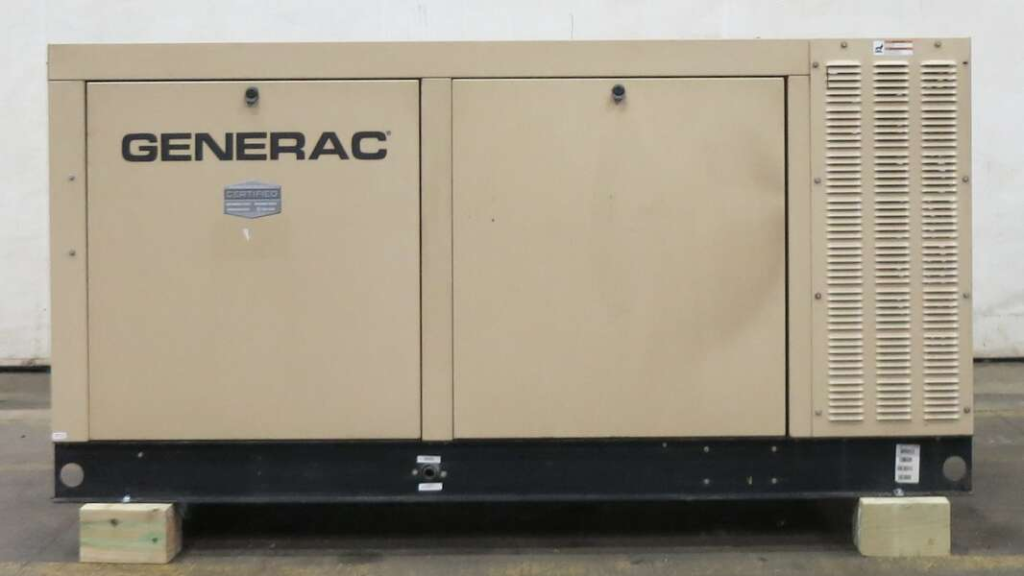
Proper installation of propane tanks is critical to ensure both safety and reliable performance of a Generac generator. Tanks must be placed on level, stable surfaces with adequate clearance from buildings, flammable materials, and sources of heat. UL-certified regulators, hoses, and valves should be installed by trained professionals to prevent leaks or pressure issues that can compromise commercial backup power.
For larger facilities, professional installation also ensures compliance with local regulations, including fire codes and environmental requirements. Connecting the generator to an emergency transfer switch allows for seamless power delivery during outages, eliminating the need for manual intervention and reducing the risk of operational disruption.
Routine inspection and maintenance of propane systems are equally important. Facility managers should check for leaks, verify regulator performance, and monitor tank pressure regularly. Even minor wear or obstruction in hoses or valves can lead to reduced efficiency or unsafe conditions. Proper grounding of tanks and generators prevents electrical hazards during storms or high-voltage events.
By following professional installation procedures and adhering to safety protocols, businesses can achieve reliable, uninterrupted operation, minimizing downtime and safeguarding both personnel and equipment. Proactive attention to safety also extends the lifespan of the generator and propane system, providing peace of mind during critical outages.
Cost Comparison: Gas vs Propane
When planning commercial backup power, understanding the financial implications of fuel choice is critical. While gasoline generators often have a lower upfront fuel cost, propane provides advantages that can make it more economical over the long term, especially for industrial and commercial applications. Propane burns cleaner, reducing engine wear and extending service intervals, which directly lowers maintenance costs. This factor is particularly relevant for facilities that rely on their generator for multiple hours during outages or frequent testing cycles.
Fuel efficiency depends not only on cost per gallon but also on storage, handling, and maintenance requirements. Gasoline has a tendency to degrade over time, requiring rotation or additives to remain effective. Improper storage can lead to stale fuel that reduces engine performance or causes operational failure. Propane, on the other hand, can be stored for years without degradation, making it a reliable choice for emergency preparedness. For facilities that cannot risk downtime, this reliability is often more valuable than short-term fuel savings.
Another consideration is environmental compliance and indoor usage. Gasoline emits more pollutants and fumes, which may restrict indoor installation or require additional ventilation. Propane burns cleaner and produces fewer emissions, making it suitable for indoor or partially enclosed installations. This also reduces the long-term risk of engine corrosion and carbon buildup, which translates to fewer service calls and longer generator life.
From a cost-per-hour perspective, propane may initially appear more expensive, but the long-term operational efficiency often offsets the price difference. Facilities benefit from reduced maintenance, fewer downtime incidents, and consistent fuel performance. For example, a mid-sized Generac running at 50% load may consume 2.8 gallons of propane per hour, but over months of standby operation, the savings in engine upkeep and reliability can surpass the small difference in fuel cost compared with gasoline.
Ultimately, the decision between gasoline and propane should consider runtime reliability, maintenance needs, environmental factors, and safety considerations. For businesses prioritizing uninterrupted commercial backup power, propane frequently emerges as the preferred choice due to predictable performance, cleaner operation, and lower lifecycle costs, ensuring that essential operations remain functional during unexpected power failures.
Practical Buyer Guidance for Commercial Backup Power
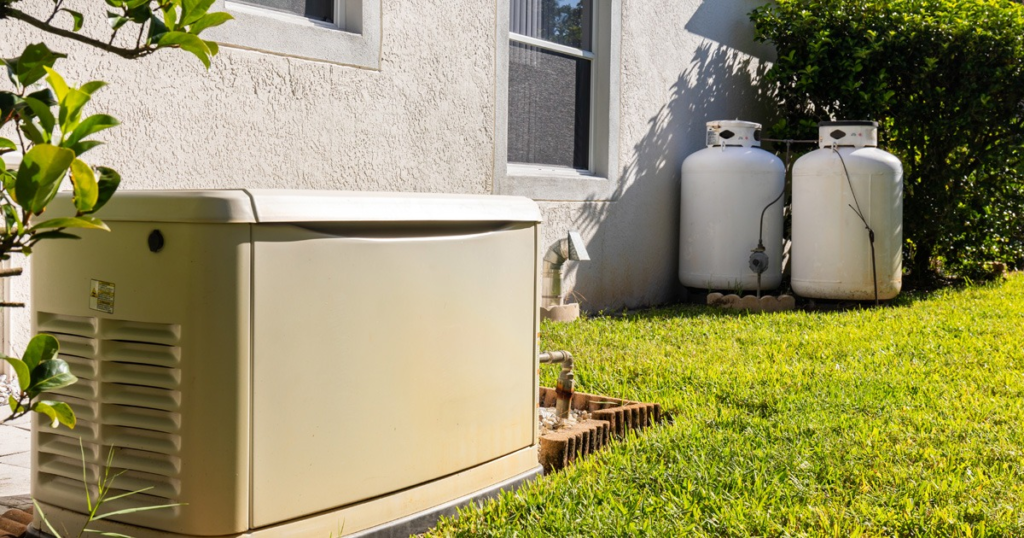
Selecting the right Generac generator and propane setup requires careful real-world fuel planning to ensure continuous operation during outages. The first step for any facility manager or industrial buyer is to accurately assess energy requirements. This involves calculating both peak and average load demands to determine the appropriate generator size. Overestimating may lead to unnecessary capital and fuel expenses, while underestimating could result in insufficient runtime during critical situations, potentially disrupting operations or damaging sensitive equipment.
Tank size is equally important. A 250-gallon propane tank provides reliable runtime for mid-sized generators, but facilities with higher energy demands or frequent outages may require additional tanks, dual-fuel systems, or a combination of propane and gasoline storage. Proper sizing ensures that essential systems remain operational without interruption, reducing downtime and maintaining continuous commercial operations.
Maintenance and monitoring routines are another cornerstone of reliable generator operation. Regular inspections of hoses, regulators, valves, and tank integrity prevent leaks and ensure consistent fuel flow. Routine testing of the generator under load conditions confirms that it performs as expected during actual power outages. Neglecting these checks can lead to higher fuel consumption, unexpected downtime, and potential safety hazards.
Additionally, environmental and regulatory factors should be considered. Propane-fueled generators produce fewer emissions, making them suitable for indoor or partially enclosed installations, where gasoline fumes would pose a hazard. UL-certified units shipped directly from the USA provide assurance of quality and compliance with international safety standards, further reducing operational risk.
For facilities that prioritize uptime, incorporating a backup plan such as dual-fuel capability, additional tank storage, or automated transfer switches can provide extra layers of reliability. These measures ensure that even in extended power outages, critical systems like HVAC, security, servers, or industrial machinery remain operational without interruption.
By combining accurate load assessment, appropriate tank sizing, routine maintenance, and contingency planning, industrial and commercial buyers can maximize efficiency, reduce downtime risk, and achieve continuous, reliable commercial operations. This holistic approach ensures that investments in Generac generators and propane storage deliver optimal value while safeguarding critical operations during unexpected outages.
Additional Considerations for Buyers
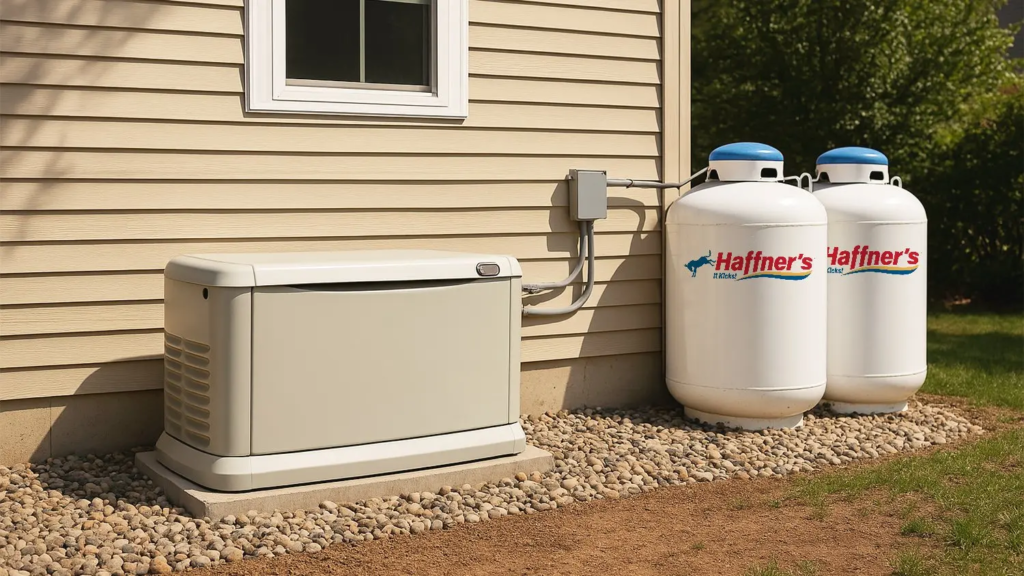
When planning a propane-powered Generac generator for commercial backup power, several additional factors can significantly influence performance, safety, and long-term reliability. These considerations are often overlooked but are essential for ensuring uninterrupted operations.
Local regulations are one of the first aspects to address. Many jurisdictions require specific placement distances for propane tanks from buildings, roads, and combustible materials. Compliance with fire codes, environmental regulations, and building codes not only ensures safety but also prevents fines or operational delays. Consulting with certified installation professionals helps navigate these requirements while guaranteeing proper setup.
Environmental conditions also affect generator performance. Propane tanks are pressure-dependent, meaning extremely cold temperatures can reduce fuel flow and runtime. Facilities in colder climates may need insulated tanks or heaters to maintain consistent fuel delivery. Similarly, high ambient temperatures can increase pressure in the tank, requiring proper ventilation and monitoring to ensure safe operation.
Emergency preparedness should be part of any commercial backup power strategy. This includes monitoring propane levels, planning refill schedules, and having contingency plans for extended outages. Some businesses may benefit from dual-fuel systems or supplemental gasoline storage to guarantee uninterrupted power in unforeseen circumstances. Automated transfer switches can further streamline operation, ensuring that generators start immediately during outages without human intervention.
Finally, the quality and support of the equipment matter. Choosing UL-certified units guarantees adherence to international safety and performance standards. On-site installation support, professional maintenance services, and a one-year warranty provide additional assurance that the system will function reliably over time.
By considering regulations, environmental factors, emergency planning, and equipment quality, industrial and commercial buyers can create a robust, reliable backup power strategy. These additional measures minimize downtime, enhance safety, and maximize the efficiency and lifespan of both the generator and propane system.
Ensure Reliable Propane-Powered Backup – Connect With ALEO Today!
Maintaining uninterrupted commercial operations is essential for any facility. A properly sized Generac generator with a 250-gallon propane tank ensures critical systems stay online while reducing the risk of downtime.
ALEO’s propane generator solutions offer efficient, continuous operation, UL certification from the USA, and direct shipment for timely delivery. On-site installation and debugging make integration smooth, while a 1-year warranty and flexible 30-day delivery provide added peace of mind.
Visit our website and connect with us to get help with proper load planning, maintenance, and professional support. With our solutions, businesses can rely on uninterrupted commercial backup power during any outage.