Unexpected power loss can shut down production lines, interrupt critical systems, and create expensive downtime for industrial and commercial facilities. In sectors where continuous operations are essential, backup power equipment is often viewed as an operational necessity rather than an optional investment. Selecting the right generator, therefore, requires evaluating long-term performance, reliability, and ownership value.
Among available backup solutions, the diesel generator remains one of the most widely used choices for industrial and commercial applications. Businesses favor diesel-powered systems because they can handle heavy electrical loads, operate for long durations, and provide dependable standby or prime power in demanding environments.
However, purchasing a diesel generator is not simply about choosing the most powerful unit available. Buyers must carefully assess fuel consumption, maintenance requirements, and expected runtime to determine whether diesel ownership aligns with their operational needs and budget.
A generator that performs well on paper may still become an inefficient investment if it is oversized, poorly utilized, or mismatched to the application. Application suitability ultimately determines whether a diesel generator delivers strong long-term value or becomes an unnecessary expense. Read on to know more:
Key Factors That Determine Whether a Diesel Generator Is Worth Buying
Whether a diesel generator is worth buying depends less on the generator itself and more on how well it matches the buyer’s operational requirements. A diesel unit may offer excellent performance in one application while becoming unnecessarily expensive in another. Use-case alignment is therefore critical when evaluating investment value.
One major consideration is outage frequency and runtime expectations. Facilities that experience frequent or prolonged power interruptions often benefit more from diesel ownership because runtime efficiency improves long-term value when the generator is used regularly.
Load demand is another major factor. Diesel generators are particularly cost-effective when supporting medium to high electrical loads, especially in industrial settings where equipment startup currents and continuous operation demand substantial power capacity. Load profile suitability should always be assessed before purchase.
Buyers should also evaluate fuel availability, site infrastructure, and internal maintenance capabilities before investing. Diesel generators require proper fuel storage, routine servicing, and load management to operate efficiently over time, making ownership readiness a key part of the buying decision.
Cost vs Performance Analysis of Diesel Generator Ownership
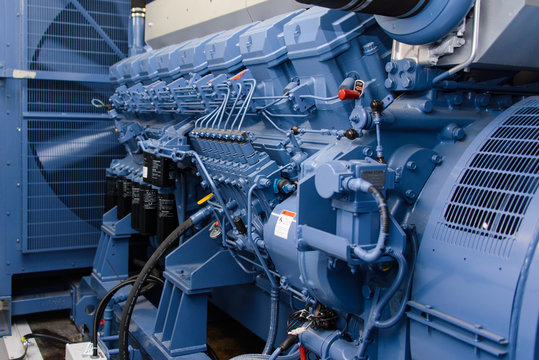
Investing in a diesel generator requires a clear understanding of how upfront cost translates into long-term performance and operational value. For industrial buyers, the decision is rarely based on purchase price alone but on how efficiently the system performs over its entire lifecycle. Cost performance balance is therefore the foundation of any serious evaluation.
Initial Purchase Costs Compared to Other Generator Types
Diesel generators generally have a higher initial purchase cost compared to gasoline or smaller portable generator systems. This is mainly due to their heavier construction, industrial-grade engines, and ability to handle larger electrical loads. However, this higher entry cost often reflects stronger durability and longer service life in demanding environments. Upfront investment level is typically higher but justified in industrial applications.
Compared to alternative fuel types, diesel units are engineered for continuous or heavy-duty operation, which increases manufacturing complexity and overall pricing. While gas-powered units may appear cheaper initially, they often lack the same load-handling capacity and long-duration stability required in commercial or industrial operations. Purchase cost comparison must always consider intended usage, not just price tags.
For businesses, this means the cheapest option is not always the most economical in the long run. A properly sized diesel generator can reduce operational disruptions and replacement frequency, which offsets the initial investment over time. Value-based pricing becomes more relevant than simple cost comparison.
Long-Term Fuel Efficiency and Operating Costs
Fuel consumption is one of the most important factors affecting long-term diesel generator costs. Diesel engines are generally more fuel-efficient under consistent and heavy loads, making them suitable for industrial environments where power demand is steady or high. Fuel efficiency advantage becomes more noticeable during extended runtime periods.
Over time, this efficiency can significantly reduce operating expenses, especially in facilities that rely on generators for backup power during frequent outages or peak demand periods. While fuel prices fluctuate, diesel systems typically offer better energy output per unit of fuel compared to many alternatives. Operational fuel savings accumulate significantly in high-usage scenarios.
However, efficiency depends heavily on proper load management. Running a generator at extremely low loads for long periods can reduce fuel efficiency and negatively impact engine performance. This makes correct sizing and usage essential for controlling costs. Load efficiency management is a key factor in optimizing fuel consumption.
Maintenance and Service Requirements Over Time
Diesel generators require regular maintenance to maintain performance and prevent unexpected failures. This includes oil changes, filter replacements, coolant checks, and periodic system inspections. While these requirements add to operational responsibility, they are essential for long-term reliability. Preventive maintenance discipline ensures consistent performance over time.
Maintenance costs can vary depending on usage intensity and environmental conditions. Generators operating in dusty, humid, or high-temperature environments typically require more frequent servicing. However, these costs are predictable and can be planned as part of operational budgeting. Service cost predictability helps businesses manage long-term expenses effectively.
Neglecting maintenance can lead to reduced efficiency, higher fuel consumption, and even premature system failure. On the other hand, properly maintained diesel generators often deliver many years of stable performance. Maintenance impact value directly influences overall ownership cost.
Total Cost of Ownership for Industrial Buyers
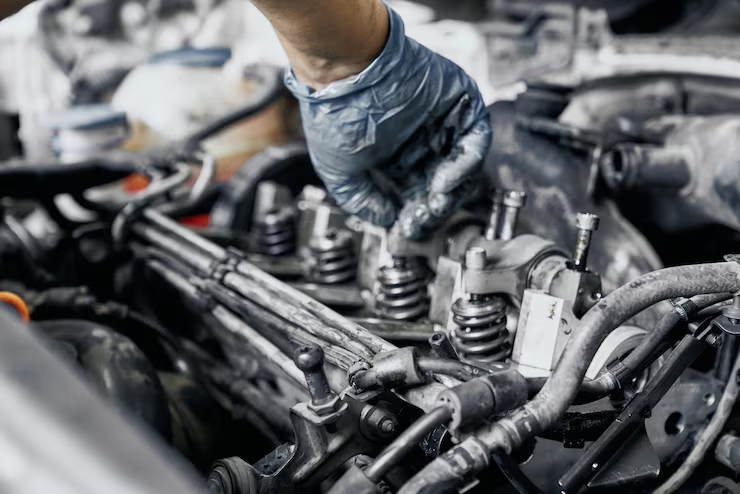
Total cost of ownership (TCO) provides the most accurate picture of whether a diesel generator is a worthwhile investment. It includes purchase price, fuel consumption, maintenance costs, and operational lifespan. Lifecycle cost evaluation gives a complete financial perspective rather than focusing on initial expense alone.
For industrial buyers, diesel generators often prove cost-effective when used in high-demand or frequent outage environments. Their durability and fuel efficiency under load help balance the higher upfront cost over time. Long-term cost efficiency becomes evident when measured across years of operation.
However, in low-usage scenarios, the same system may become less economical due to maintenance and idle running considerations. This is why proper application assessment is critical before purchase. Usage-based economics ultimately determines whether the investment is justified.
What Are the Disadvantages of a Diesel Generator?
Despite their strong industrial reputation, diesel generators also come with certain limitations that buyers must consider before making an investment decision. These disadvantages do not eliminate their value but help define where they are most suitable and where alternative solutions may be more practical. Operational limitations should always be evaluated alongside performance benefits.
One of the most commonly noted drawbacks is the higher upfront purchase cost compared to smaller or alternative generator types. For businesses with limited capital budgets or low backup power requirements, this initial expense can feel significant. However, this cost is often balanced by long-term durability and efficiency in demanding applications. Initial cost burden can impact short-term purchasing decisions.
Noise and emissions are another important consideration. Diesel engines naturally produce more sound and exhaust output, which may require additional soundproofing or compliance measures depending on the installation environment. In urban or regulated zones, this can add extra setup requirements. Environmental compliance becomes a key planning factor in such cases.
Fuel storage and handling also require proper infrastructure. Diesel must be stored safely and maintained to prevent contamination or degradation over time, especially for standby systems that are not used frequently. This introduces additional management responsibility for facility operators. Fuel storage requirements are often underestimated during planning stages.
What is the 80% Rule for Generators?
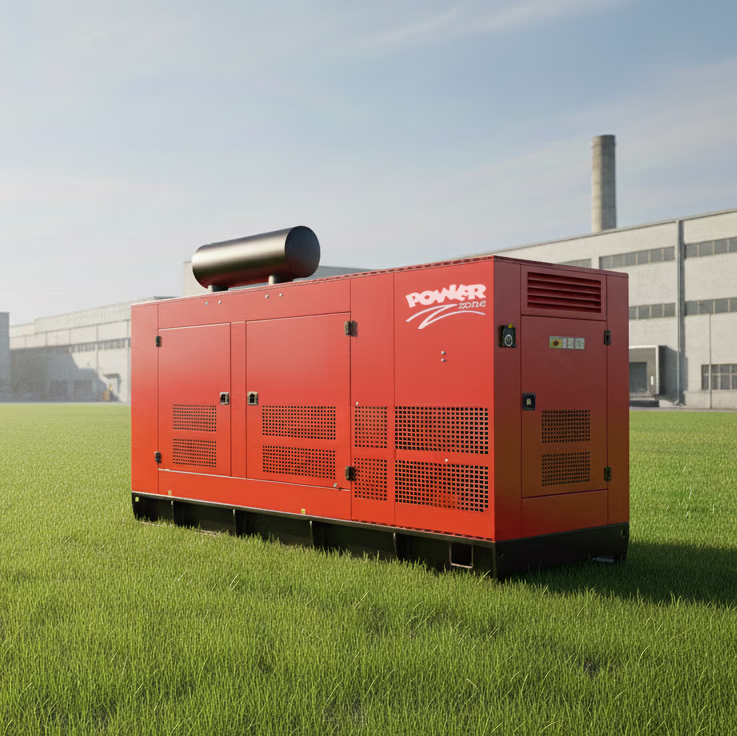
The 80% rule for generators is a practical loading guideline used to ensure stable performance and long-term engine health during operation. It suggests that a generator should ideally operate at around 80% of its rated capacity for optimal efficiency rather than running continuously at full load or too far below capacity. Optimal load range is considered essential for balanced performance and reduced mechanical stress.
When a generator runs too close to 100% capacity for long periods, it can overheat, wear out faster, and experience reduced efficiency. On the other hand, running at very low loads for extended periods can lead to carbon buildup and poor combustion performance. Maintaining a balanced load helps avoid both extremes. Engine load balance plays a key role in preventing long-term operational issues.
For industrial users, this rule is especially important because load demand often fluctuates. Proper load management ensures that the generator operates within a safe and efficient zone even when machinery usage changes throughout the day. A load management strategy helps maintain consistent performance and fuel efficiency over time.
What Is the 20-20-20 Rule for Generators?
The 20-20-20 rule is a preventive maintenance guideline used for standby generators to ensure they remain operationally ready even when not frequently used. It is generally interpreted as running the generator every 20 days, for 20 minutes, at a minimum of 20% load. Routine exercise cycling helps keep the system in a healthy working condition.
Regular exercise prevents fuel stagnation, battery weakening, and internal component issues that can develop when a generator sits idle for long periods. This practice ensures that the engine remains responsive and ready to start during actual power outages. Idle prevention maintenance is critical for standby reliability.
For industrial facilities, following this rule reduces the risk of unexpected startup failures during emergencies. It also allows technicians to identify potential issues early through routine operation checks, improving overall system dependability. Emergency readiness assurance is a key benefit of consistent testing.
What Is the Life Expectancy of a Diesel Generator?
The life expectancy of a diesel generator depends on build quality, maintenance routine, and operating conditions rather than a fixed timeline. Industrial-grade units can last for many years if properly serviced and operated within recommended load limits. Service life duration is usually measured in operating hours, with well-maintained systems delivering thousands to tens of thousands of hours of reliable performance.
Regular oil changes, filter replacements, and load management significantly extend operational life. Harsh environments, poor fuel quality, or neglected maintenance can reduce lifespan quickly. Maintenance-driven longevity is the key factor that determines how long a diesel generator remains efficient and dependable in real-world industrial use.
Is DEF Going Away for Diesels?
DEF (Diesel Exhaust Fluid) is not going away from diesel generator systems, especially in modern emission-compliant engines. It remains an essential part of selective catalytic reduction systems used to reduce harmful emissions and meet regulatory standards. Emission compliance systems continue to rely on DEF technology in industrial applications.
While future engine technologies may evolve, current regulations still require DEF in many diesel-powered systems. Industrial buyers should plan for its ongoing use rather than expect removal. Regulatory requirement stability ensures DEF remains relevant in diesel generator operations for the foreseeable future.
What Is the Most Reliable Diesel Generator?
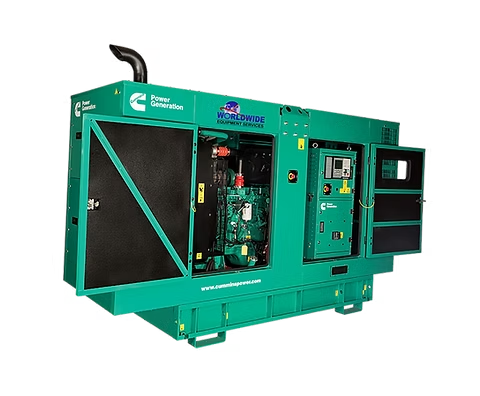
Reliability in diesel generators is not defined by a single brand or model but by a combination of engineering quality, system integration, and long-term support structure. In industrial applications, reliability is measured by how consistently a unit performs under load without unexpected shutdowns or performance drops. System reliability factors are therefore more important than just marketing reputation.
Engine quality is one of the strongest indicators of reliability. Industrial-grade diesel engines built with durable components, efficient combustion systems, and proven design architecture tend to perform more consistently over time. These engines are designed to handle continuous or heavy-duty operation without frequent breakdowns. Engine build quality plays a central role in operational dependability.
Another key factor is the alternator and electrical system design. A high-quality alternator ensures stable voltage output, even under fluctuating loads, which protects sensitive industrial equipment from damage. Poor alternator performance can reduce overall system reliability regardless of engine strength. Power output stability is essential for maintaining consistent performance.
Support infrastructure also determines how reliable a diesel generator feels in real-world use. Availability of spare parts, technical support, and service expertise can significantly reduce downtime during unexpected issues. A generator with strong after-sales support often proves more reliable in practice than one with limited servicing options. After-sales support directly impacts operational continuity.
Ultimately, the most reliable diesel generator is the one that matches application needs, is properly sized, and is supported by consistent maintenance practices. Even the best equipment can fail if incorrectly installed or neglected. Proper system integration is the final factor that ensures long-term reliability.
Investment Worthy Diesel Generators – Connect ALEO Today
A diesel generator becomes a worthwhile investment when consistent power reliability, heavy load handling, and long operational runtime are essential for business continuity. For industrial and commercial users, it is not just about purchasing a machine but securing uninterrupted performance in environments where downtime directly impacts productivity and cost.
At ALEO, we help businesses choose the right generator based on real project requirements rather than guesswork. Our properly sized, UL-certified units are designed for demanding construction and industrial environments, ensuring safety, durability, and performance under pressure. Certified equipment reliability gives buyers confidence in every deployment.
We also provide direct shipment from the United States, on-site debugging, and professional installation support to ensure smooth integration at your site. ALEO ensures your operations stay on track without unnecessary delays. End-to-end project support makes the entire process seamless from selection to setup.
Visit our website and connect with us today to avail generators with long-term support, including a 1-year warranty.