Noise levels have become a major consideration when selecting a generator, especially in residential areas, commercial spaces, hospitals, and outdoor events, where sound control directly affects comfort and operations. Traditional generators are often associated with loud engine noise and vibration, which can create disturbance in sensitive environments. This has increased demand for advanced solutions like silent type generator systems designed specifically for low-noise performance. The low-noise power demand trend is shaping modern generator technology.
Unlike conventional models, modern silent generators are engineered with improved insulation, optimised engine design, and advanced exhaust systems to significantly reduce operational noise. These improvements allow users to maintain reliable backup power without creating unnecessary sound pollution. Sound-controlled generator technology plays a key role in improving usability across different applications.
Noise reduction is not just about comfort; it is also important for compliance with environmental regulations and maintaining suitable working conditions in places like hospitals, offices, and residential complexes. As a result, manufacturers are focusing more on designing generators that balance performance with quieter operation. Acoustic efficiency engineering is now a key part of generator development.
Understanding how quiet generators work, what affects their decibel levels, and which types perform best can help users choose the right solution for their specific needs. Informed generator selection ensures better performance and user satisfaction.
In this article, we will discuss the quietest generator types, noise levels in decibels, whether truly silent generators exist, leading manufacturers, and safety guidelines for generator usage. So, keep reading:
Why Generator Noise Matters?
Generator noise is an important factor because it directly affects comfort, usability, and compliance in both residential and commercial environments. In densely populated areas, excessive noise can disturb daily life, affect sleep quality, and create tension between neighbours. Residential noise impact control is a key concern when selecting a generator.
In commercial and industrial settings, noise levels can also influence workplace productivity and communication. Loud generators may interfere with operations, especially in environments that require concentration or customer interaction. Workplace acoustic efficiency plays an important role in operational quality.
Certain environments, such as hospitals, clinics, and event venues, require especially low noise output to maintain a calm and controlled atmosphere. In these cases, silent type generator solutions are preferred to ensure smooth operation without disruption. Sensitive environment noise control is essential for functional reliability.
Many regions also enforce environmental noise regulations that limit how much sound equipment can produce, particularly in urban or residential zones. Compliance with these standards is necessary to avoid penalties and operational restrictions. Noise regulation compliance standards influence generator selection and installation.
Overall, managing generator noise is not just about comfort—it is also about practicality, safety, and legal compliance across different usage scenarios. Balanced noise management strategy improves overall usability and acceptance.
What Type of Generator Is the Quietest?
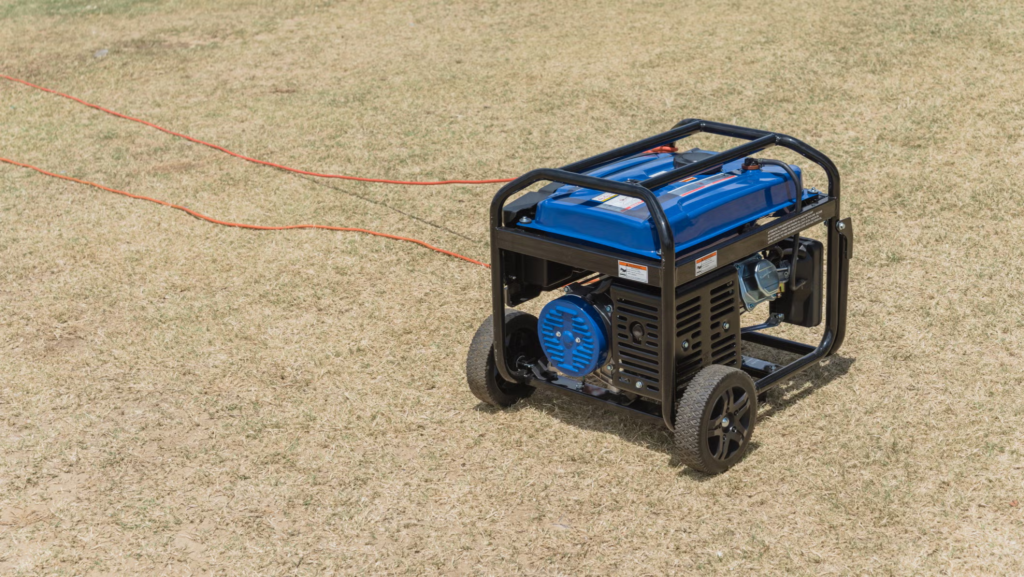
The quietest generator type available today is generally the inverter generator. These units are designed with advanced engine technology that automatically adjusts engine speed according to the electrical load, which significantly reduces noise output during light usage. Variable speed engine control is the main reason inverter generators operate more quietly than conventional models.
Unlike traditional generators that run at a constant speed regardless of load, inverter generators only produce the required power, which reduces unnecessary engine strain and sound levels. This makes them ideal for residential use, camping, and small commercial applications. Load-based noise optimisation improves overall acoustic performance.
Additionally, many inverter generators come with enhanced sound insulation and compact designs that further reduce vibration and operational noise. Integrated sound-dampening design helps maintain low decibel levels during operation.
Overall, inverter technology combined with improved engineering makes this type the quietest and most efficient option for low-noise power needs. Silent operation efficiency advantage defines modern generator design.
Is There Any Generator That Is Not Noisy?
No generator is completely silent, but modern “silent generators” are designed to operate at very low noise levels that are barely noticeable in normal environments. The practical silent operation concept defines real-world performance expectations.
These generators use soundproof enclosures, vibration isolation systems, and advanced exhaust mufflers to significantly reduce noise output. While they still produce sound, it is controlled and minimised compared to traditional open-frame generators. Acoustic noise reduction engineering improves user comfort.
In real-world conditions, noise levels depend on load, installation environment, and generator size. Even the quietest models will produce some level of sound when operating under heavy load. Load-dependent noise variation affects performance perception.
So while completely noise-free generators do not exist, silent type generators come close enough for residential and professional use where low disturbance is required. Near-silent operational design enhances usability.
What Is the Quietest Decibel Generator?
The quietest generators available today typically operate in the range of 50 to 65 decibels when measured at around 7 meters under partial load conditions. This is comparable to normal conversation or background office noise, making them suitable for residential and sensitive environments. Low-decibel operation range defines modern silent generator standards.
Inverter generators are usually at the lower end of this range because they adjust engine speed based on demand, reducing unnecessary noise output. Smaller units tend to be quieter, while larger capacity generators may produce slightly higher decibel levels. Size-based noise variation affects real-world performance.
Load conditions also play a major role in noise output. A generator running at full capacity will always be louder than one operating under partial load. Proper load management can therefore help reduce noise levels in practical usage. Load-dependent sound output impacts acoustic performance.
Overall, the quietest generators are those designed with inverter technology, soundproof enclosures, and efficient engine control systems that prioritise low noise operation without compromising performance. Acoustic efficiency design balance ensures silent performance.
How Silent Type Generator Technology Works
Silent type generators are designed using multiple engineering systems that work together to reduce operational noise without affecting power output. Unlike traditional generators, they focus on balancing performance with acoustic control, making them suitable for residential, commercial, and sensitive environments. Noise reduction engineering system is the foundation of silent generator design.
Inverter Technology and Engine Speed Control
Inverter generators use advanced electronic control systems that automatically adjust engine speed according to power demand. When the load is low, the engine runs slower, producing less noise and consuming less fuel. Variable engine speed optimisation significantly reduces sound output.
This load-based operation also improves fuel efficiency and reduces mechanical stress on the engine, making the system quieter and more durable in long-term use. Efficient load response control enhances overall performance.
Acoustic Enclosures and Soundproof Design
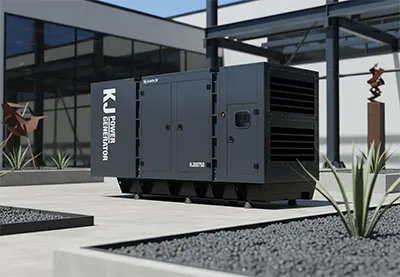
Silent generators are equipped with specially designed enclosures that block and absorb sound vibrations. These housings are built using insulating materials that reduce noise leakage from the engine compartment. Integrated sound insulation structure minimises external noise.
Vibration control systems are also used to prevent mechanical movement from amplifying sound, making the generator quieter during operation, even under load. Anti-vibration design technology improves acoustic stability.
Muffler and Exhaust Noise Control Systems
Exhaust noise is one of the main sources of generator sound. Silent type generators use advanced muffler systems that reduce engine exhaust noise before it is released into the environment. Exhaust noise suppression system lowers overall sound levels.
These systems are engineered to control airflow and reduce pressure spikes, which helps maintain smoother and quieter exhaust output. Controlled exhaust flow design improves acoustic performance.
Load Impact on Noise Levels
Generator noise increases with load because the engine must work harder to produce more power. Silent generators are most effective when operating under partial load conditions, where engine speed remains lower. Load-sensitive noise variation affects real-world performance.
Proper load management can therefore help users maintain quieter operation during daily use. Optimised power usage control supports reduced noise output.
Residential vs Industrial Silent Generators
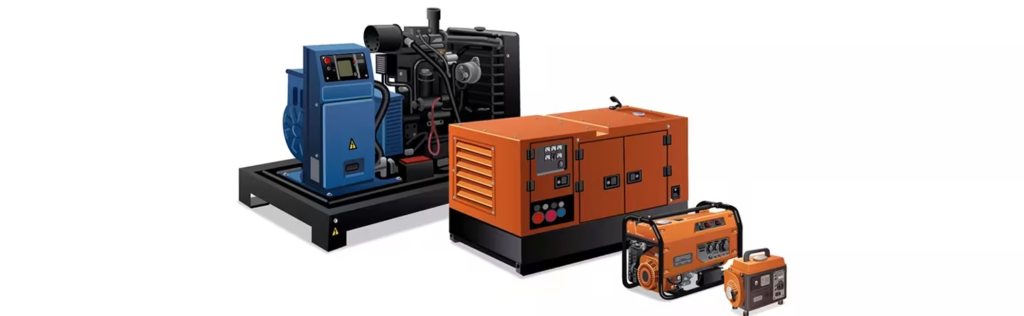
Residential silent generators are typically compact inverter units designed for low power requirements and minimal noise output. Industrial silent generators, on the other hand, are larger but use heavy-duty acoustic enclosures to control sound. Application-based noise engineering defines design differences.
Both types aim to achieve quiet operation, but their construction varies based on power capacity and usage environment. Environment-specific generator design ensures suitable noise control.
Who Builds the Quietest Generator?
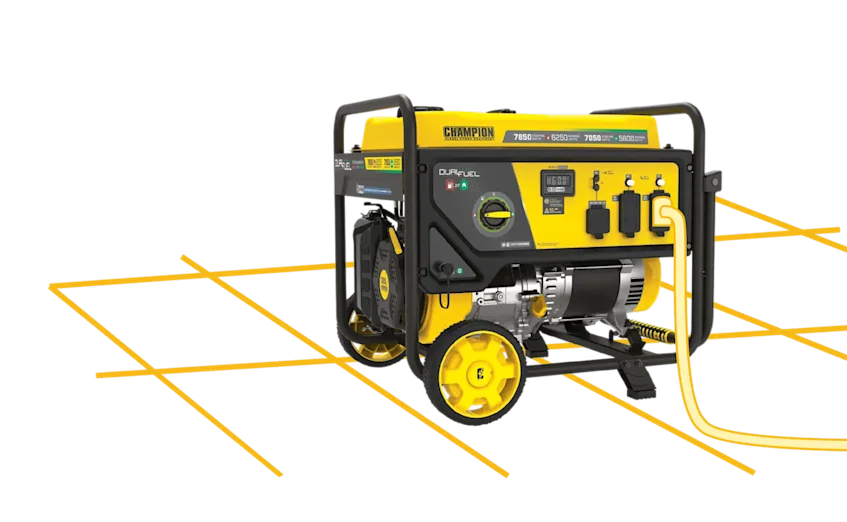
The quietest generators are generally produced by manufacturers that specialise in inverter technology and advanced soundproof engineering. These companies focus on combining efficient engine design with acoustic control systems to achieve low-noise performance suitable for residential, commercial, and outdoor use. Precision acoustic engineering focus defines top-tier silent generator brands.
Most leading manufacturers achieve quiet operation through integrated inverter systems, smart throttle control, and factory-built soundproof enclosures. These design elements work together to reduce vibration and exhaust noise while maintaining stable power output. Integrated noise reduction design improves overall performance quality.
High-quality silent generators are also developed with strict testing standards to measure decibel levels under different load conditions. This ensures that the final product performs consistently in real-world environments, not just laboratory conditions. Real-world noise performance testing ensures reliability.
Ultimately, the quietest generators come from brands that prioritise engineering precision, fuel efficiency, and acoustic insulation rather than just raw power output. A balanced performance engineering approach defines market leaders.
What Should You Not Plug Into a Generator?
Certain devices should not be directly plugged into a generator because they can overload the system, cause damage, or create safety risks. High-surge appliances such as large air conditioners, heavy industrial machines, or welding equipment can exceed generator capacity if not properly calculated. Electrical load safety management is essential for safe operation.
Sensitive electronics like laptops, TVs, and medical devices should not be connected without surge protection or a stabilising system, especially on non-inverter generators, where voltage fluctuations may occur. Power fluctuation protection requirements help prevent equipment damage.
Overloading a generator by connecting too many appliances at once is another common mistake that can lead to shutdowns or long-term engine stress. Proper load distribution is necessary to maintain stable performance. Balanced load distribution control improves safety and efficiency.
Using unsafe extension cords or improper wiring setups is also risky and can lead to electrical hazards. Always use certified cables and correct installation methods. Safe electrical connection practices ensure reliable generator usage.
Benefits of Silent Type Generators
Silent type generators offer a major advantage in environments where noise control is important, such as residential areas, hospitals, offices, and outdoor events. Their low sound output allows users to maintain power backup without disturbing surrounding activities. Noise-free operational comfort improves usability across multiple settings.
One of the key benefits is improved living and working conditions. Reduced noise levels help maintain focus, sleep quality, and overall comfort, especially in densely populated areas. Enhanced environmental comfort makes them suitable for urban use.
Silent generators also support compliance with local noise regulations, which is important in cities and controlled industrial zones. This reduces the risk of penalties or operational restrictions. Regulatory noise compliance ensures hassle-free operation.
Additionally, most silent generators are designed with better fuel efficiency and vibration control systems, which contribute to smoother and more stable performance over time. Efficient and stable operation design improves long-term reliability.
Factors That Affect Generator Noise Levels
Several factors influence how noisy a generator will be during operation. Engine size is one of the main contributors, as larger engines generally produce more sound due to higher power output. Engine capacity noise impact affects overall sound levels.
Load conditions also play a significant role, since generators become louder when operating under heavy demand. Partial load operation usually results in quieter performance. Load-based sound variation affects real-world usage.
Maintenance condition is another important factor. Poorly maintained engines, loose components, or clogged exhaust systems can increase vibration and noise output. Maintenance-related noise control improves performance stability.
Finally, installation environment and enclosure quality significantly affect how much sound is absorbed or reflected. Proper soundproof housing can greatly reduce operational noise. Acoustic installation efficiency enhances quiet operation.
In addition to these factors, generator placement plays an important role in noise perception. Installing the unit on vibration-absorbing surfaces or away from reflective walls can significantly reduce sound impact in nearby areas. Strategic placement control improves acoustic performance.
Weather conditions such as wind direction and open space surroundings can also influence how far noise travels, especially in outdoor installations. Environmental sound dispersion factors affect real-world noise levels.
Regular servicing and tightening of internal components further help maintain consistent low-noise performance over time. Preventive noise maintenance practices ensure long-term acoustic efficiency.
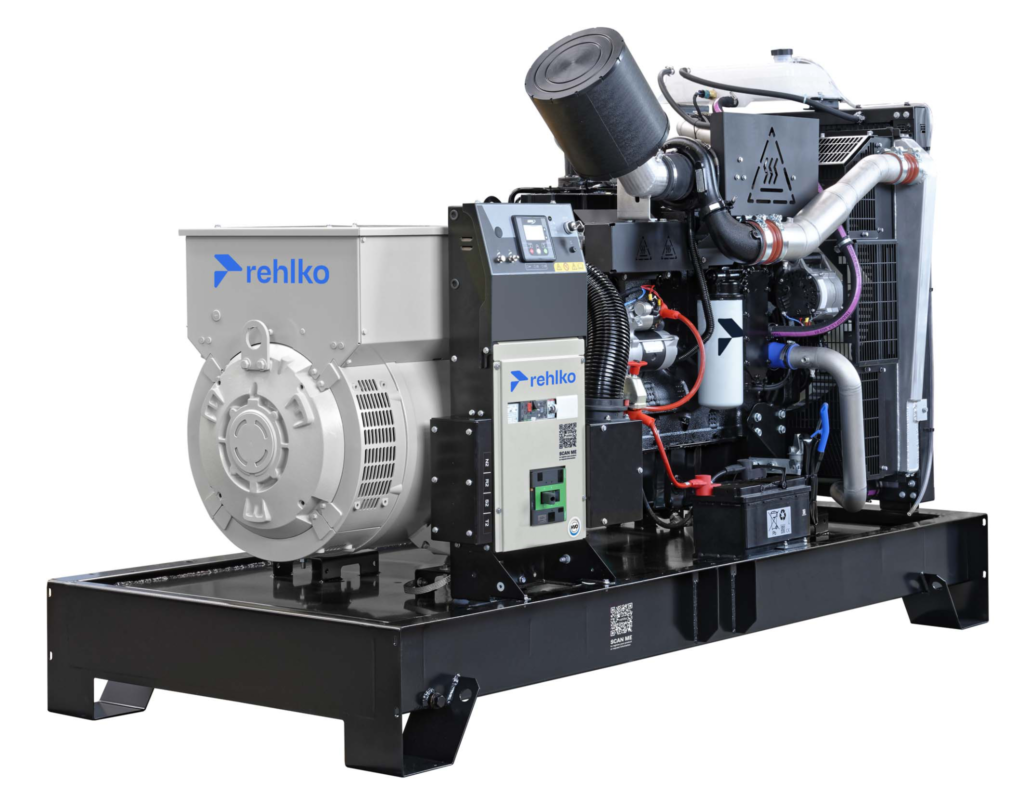
Get Reliable And Silent Power Solutions – Connect With ALEO Today!
Choosing the quietest generator depends on understanding how modern silent-type generator systems are engineered to reduce noise without compromising performance. With advancements in inverter technology, soundproof enclosures, and improved engine control systems, generators today can operate at significantly lower decibel levels compared to traditional models. Low-noise power innovation is reshaping generator design for modern use.
While no generator is completely silent, high-quality inverters and enclosed systems come very close, making them suitable for residential, commercial, and sensitive environments. Proper load management and installation conditions also play an important role in maintaining quiet operation. Controlled acoustic performance ensures practical, real-world usability.
ALEO provides UL-certified generator solutions from the USA with direct shipment, on-site installation and debugging, and a 1-year warranty, ensuring reliable and efficient power systems designed for modern requirements. Trusted silent power solutions support dependable energy performance.
Visit our website and connect with us to explore advanced generator options built for quiet, efficient, and reliable operation.