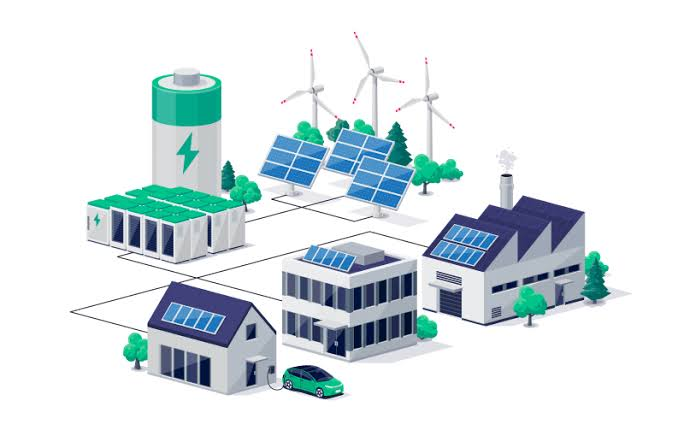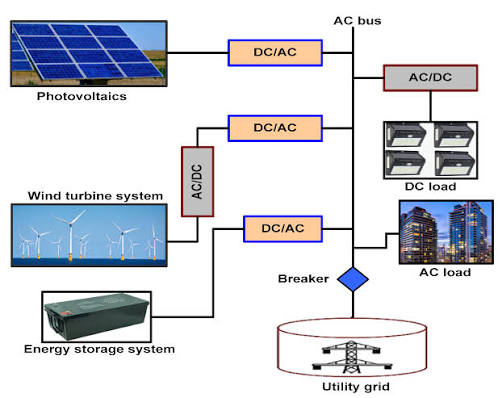
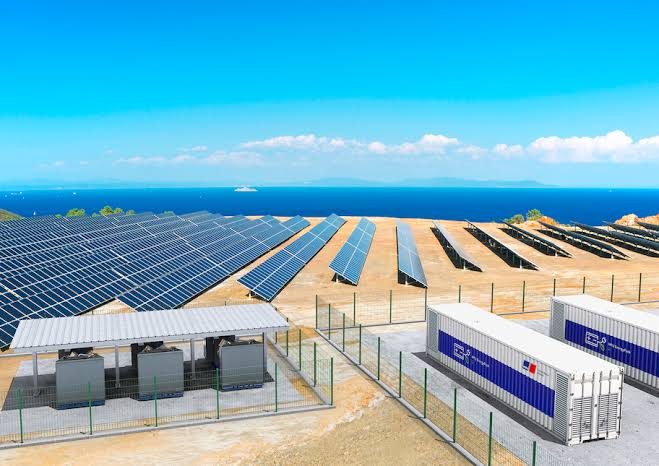
As businesses continue adopting renewable energy and decentralised power systems, battery storage has become one of the most important technologies supporting modern microgrids. A well-designed microgrid battery storage system does much more than provide backup electricity during outages. It stores excess energy, balances fluctuations in power generation, stabilises voltage, and ensures critical facilities receive uninterrupted electricity even under changing operating conditions. These capabilities improve operational resilience while allowing organisations to maximise the value of their energy resources.
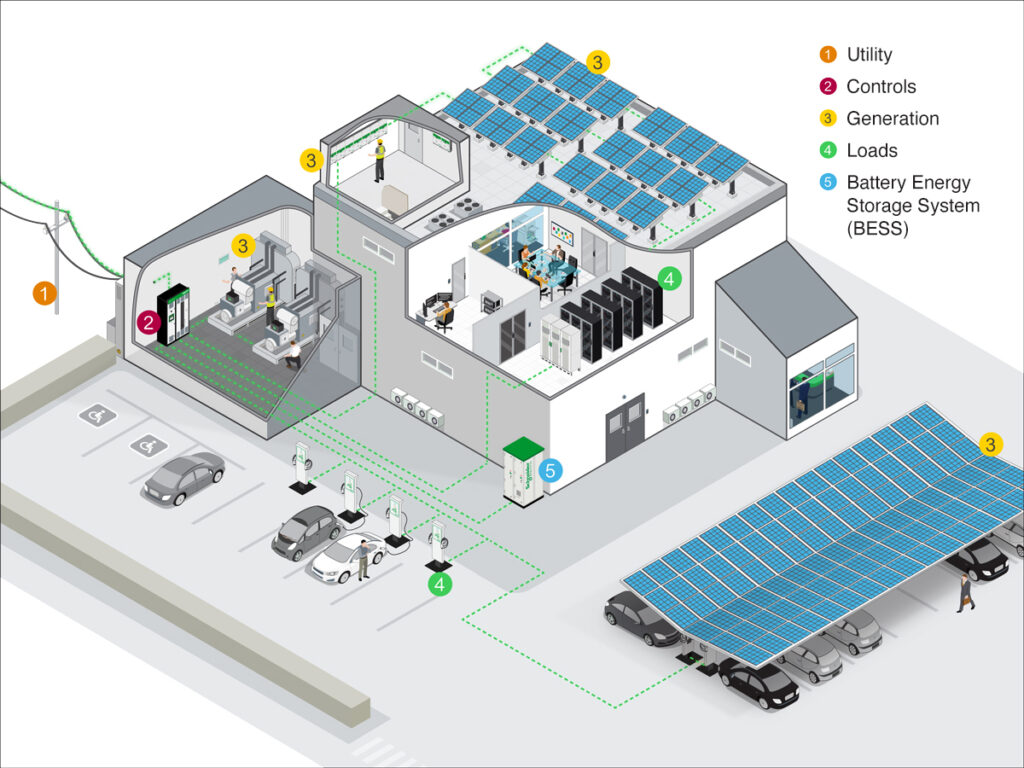
Battery Energy Storage Systems (BESS) have transformed how microgrids operate by enabling renewable energy sources such as solar and wind to be used more efficiently. Instead of allowing surplus electricity to go unused, batteries store it for later use when generation decreases or demand increases. Combined with intelligent Energy Management Systems (EMS), battery storage automatically charges and discharges according to real-time operating conditions, helping businesses reduce fuel consumption, improve power quality, and optimise overall system efficiency.
The applications of battery storage extend far beyond emergency backup power. Industrial facilities, manufacturing plants, data centres, hospitals, commercial campuses, remote communities, mining operations, and electric vehicle charging infrastructure all rely on advanced battery technologies to improve energy reliability and operational flexibility. As electricity demand continues to grow, battery storage is becoming an essential component of resilient and scalable microgrid solutions that support both business continuity and long-term sustainability through intelligent energy management.
This article explores eight important applications of microgrid battery storage, explaining how Battery Energy Storage Systems (BESS) improve renewable energy integration, support critical operations, enhance power quality, reduce operating costs, and strengthen modern microgrids with a future-ready energy infrastructure.
Why Battery Storage Is the Backbone of Modern Microgrids
Modern microgrids are designed to deliver reliable, flexible, and efficient electricity under a wide range of operating conditions. While renewable energy sources and backup generators generate electricity, Battery Energy Storage Systems (BESS) provide the flexibility needed to balance supply and demand in real time. This makes microgrid battery storage one of the most valuable components of a modern energy system. By storing excess electricity and supplying it when generation decreases or demand rises, battery storage strengthens energy resilience while reducing dependence on conventional fuel sources.
One of the greatest advantages of battery storage is its ability to respond almost instantly to changing electrical conditions. Unlike conventional generators that require time to start and synchronise, batteries can deliver power within milliseconds, maintaining stable voltage and supporting critical loads without interruption.
Battery storage also enables organisations to maximise renewable energy utilisation. Excess electricity produced during periods of strong solar or wind generation can be stored instead of being wasted, then used later during peak demand or when renewable output falls. Energy Management Systems (EMS) continuously coordinate charging and discharging cycles to optimise efficiency, protect battery health, and reduce unnecessary generator operation. As businesses seek greater energy independence and lower operating costs, battery storage has become an essential technology for building a future-ready energy infrastructure.
1. Renewable Energy Integration
One of the most important applications of microgrid battery storage is improving the use of renewable energy. Solar panels and wind turbines generate electricity according to weather conditions rather than customer demand, creating periods of surplus generation followed by periods of reduced output. Battery Energy Storage Systems (BESS) solve this challenge by storing excess electricity when renewable production is high and delivering it when additional power is required. This process improves renewable energy utilisation while maintaining a reliable electricity supply.
Without battery storage, excess renewable electricity may be curtailed or wasted because it cannot always be consumed immediately. By storing this energy for later use, businesses can reduce reliance on diesel generators or utility electricity while increasing the overall efficiency of the microgrid. This not only lowers operating costs but also supports sustainability goals by maximising the contribution of clean energy sources.
Energy Management Systems (EMS) play an essential role by continuously monitoring renewable generation, battery capacity, electricity demand, and weather forecasts. Based on this information, the EMS automatically determines when batteries should charge or discharge to maintain optimal performance. This intelligent coordination improves energy efficiency, reduces fuel consumption, and ensures renewable resources contribute as much as possible to daily operations. Together, BESS and EMS create a smart power management framework that enables renewable energy to become a dependable source of electricity for industrial and commercial microgrids.
2. Backup Power During Grid Outages
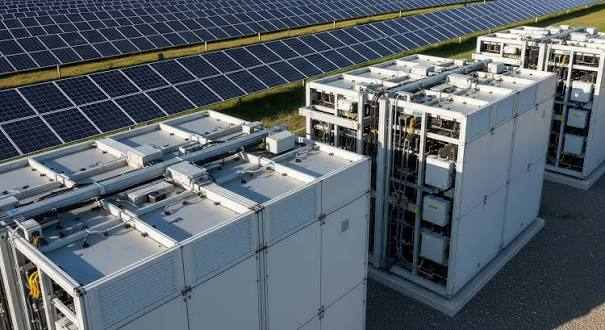
One of the primary functions of microgrid battery storage is providing immediate backup power when the utility grid becomes unavailable. Unlike conventional generators that require time to start and synchronise, Battery Energy Storage Systems (BESS) respond almost instantly, supplying electricity to critical loads without interruption. This rapid response improves power continuity and helps prevent costly downtime in facilities where uninterrupted electricity is essential.
Battery storage is particularly valuable for hospitals, data centres, manufacturing plants, airports, and commercial campuses where even a few seconds of power loss can interrupt operations or damage sensitive equipment. During a utility outage, the batteries immediately supply electricity while backup generators start and reach stable operating conditions. This seamless transition maintains voltage stability and protects critical systems from sudden power disturbances.
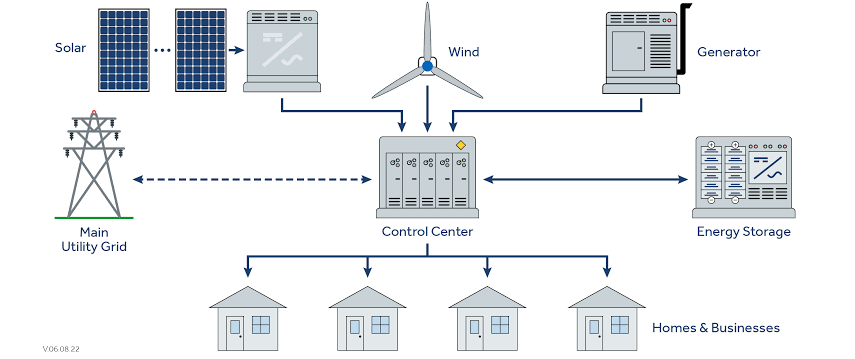
When operating in island mode, batteries continue working alongside renewable energy sources and generators to balance electricity demand. Energy Management Systems (EMS) coordinate every energy resource in real time, ensuring batteries discharge efficiently while preventing unnecessary generator operation. This intelligent control reduces fuel consumption, extends equipment lifespan, and enables the microgrid to maintain reliable operation until normal utility service returns. Together, these capabilities create a reliable industrial energy solution for mission-critical facilities.
3. Peak Shaving and Demand Charge Reduction
Electricity costs are influenced not only by total energy consumption but also by periods of peak demand when facilities draw large amounts of power from the grid. One of the most cost-effective applications of microgrid battery storage is reducing these demand peaks through a strategy known as peak shaving. By supplying stored electricity during high-demand periods, Battery Energy Storage Systems (BESS) help businesses lower electricity expenses while reducing stress on the utility network.
Instead of purchasing expensive electricity during peak pricing periods, the battery discharges stored energy to support part of the facility’s electrical load. Once demand decreases or electricity prices fall, the batteries recharge using renewable energy or lower-cost grid electricity. This strategy helps industrial and commercial facilities manage energy costs without affecting day-to-day operations.
Energy Management Systems (EMS) continuously monitor electricity demand, battery state of charge, and utility pricing to determine the most economical charging and discharging schedule. Automated control ensures batteries are available when demand is highest while protecting battery health and maintaining sufficient reserve capacity for emergencies. By reducing peak demand charges, optimising energy use, and improving overall efficiency, battery storage delivers long-term financial benefits while supporting a cost-efficient energy solution.
4. Load Balancing and Power Quality Improvement
Maintaining stable electricity is essential for industrial facilities where voltage fluctuations or sudden changes in demand can affect sensitive equipment and production processes. One of the most valuable applications of microgrid battery storage is balancing electrical loads while improving overall power quality. Battery Energy Storage Systems (BESS) respond almost instantly to changes in electricity demand, supplying or absorbing power whenever necessary. This rapid response improves grid stability and helps maintain consistent operating conditions across the microgrid.
Industrial equipment such as motors, automation systems, robotics, and data processing equipment often create rapidly changing electrical loads. Without battery storage, these fluctuations may place additional stress on generators and other electrical infrastructure. Batteries smooth these variations by supplying short bursts of power during sudden demand increases and storing excess electricity when demand falls.
Energy Management Systems (EMS) continuously monitor voltage, frequency, and power flow throughout the microgrid. By coordinating batteries with renewable energy sources and backup generators, the EMS maintains stable electrical conditions while improving equipment efficiency and reducing unnecessary generator cycling. This coordinated operation protects sensitive equipment, enhances operational reliability, and supports a smart power management framework.
5. Industrial Process Continuity
Many industrial operations run continuously, making uninterrupted electricity essential for productivity, equipment protection, and worker safety. Manufacturing plants, mining operations, oil and gas facilities, and processing industries rely on microgrid battery storage to maintain power during utility disturbances and sudden changes in electrical demand. Battery Energy Storage Systems (BESS) provide immediate support whenever electricity supply is interrupted, improving operational continuity across critical processes.
Unexpected power interruptions can stop production lines, damage machinery, interrupt automated systems, and result in costly downtime. Battery storage minimises these risks by supplying electricity instantly while backup generators synchronise or renewable energy resources adjust to changing operating conditions. This seamless transition helps maintain production without affecting product quality or operational efficiency.
Energy Management Systems (EMS) further improve reliability by coordinating battery storage with generators and renewable energy resources. The EMS automatically determines the most efficient operating strategy based on real-time demand, battery capacity, and available generation. This intelligent coordination reduces fuel consumption, improves equipment utilisation, and ensures industrial facilities maintain dependable operations while building a reliable industrial energy solution.
6. Data Centres and Critical Infrastructure
Data centres and other critical infrastructure require continuous electricity because even a brief interruption can disrupt essential services and cause significant financial losses. One of the most important applications of microgrid battery storage is providing immediate, high-quality power to facilities where uptime is a business-critical requirement. Battery Energy Storage Systems (BESS) deliver instant power response, protecting sensitive equipment while ensuring uninterrupted operations during utility outages and power disturbances.
Hospitals, airports, telecommunications facilities, emergency response centres, and financial institutions also depend on battery storage to maintain essential services. Batteries bridge the gap between utility power and backup generators, preventing interruptions while maintaining stable voltage and frequency for sensitive electrical equipment.
Energy Management Systems (EMS) continuously monitor battery health, electrical loads, and available generation to optimise system performance. By intelligently coordinating renewable energy, battery storage, and backup generators, the EMS improves reliability while reducing operating costs and supporting future expansion. These capabilities make battery storage an essential technology for protecting mission-critical infrastructure and creating a future-ready energy infrastructure.
7. Remote and Off-Grid Energy Systems
Remote locations often face significant challenges in accessing reliable electricity because extending utility transmission networks can be technically difficult and financially impractical. For these applications, microgrid battery storage provides a dependable solution by storing locally generated electricity and supplying power whenever it is needed. Combined with renewable energy sources and backup generators, Battery Energy Storage Systems (BESS) improve energy independence while reducing reliance on diesel fuel and long-distance power transmission.
Mining sites, rural communities, islands, agricultural operations, military installations, and telecommunications towers frequently operate in environments where continuous electricity is essential, but utility infrastructure is limited. Battery storage allows these facilities to make greater use of solar and wind energy by storing surplus generation during favourable conditions and delivering it during periods of low renewable output or increased demand.
Energy Management Systems (EMS) automatically coordinate charging and discharging based on electricity demand, battery capacity, weather conditions, and generator availability. This intelligent operation reduces fuel consumption, lowers maintenance requirements, and improves overall system efficiency. As a result, remote microgrids become more reliable, cost-effective, and environmentally sustainable while supporting a reliable industrial energy solution.
8. EV Charging and Future Smart Grids
The rapid adoption of electric vehicles is creating new demands on electrical infrastructure, making microgrid battery storage an increasingly valuable solution for EV charging networks. Fast-charging stations can place significant pressure on the utility grid during periods of high demand. Battery Energy Storage Systems (BESS) help manage these loads by storing electricity during off-peak periods and supplying it during vehicle charging sessions. This approach improves charging efficiency while reducing stress on the electrical network.
Battery storage also supports the development of smart grids by improving the integration of distributed energy resources. Renewable energy generated from solar or wind installations can be stored and later used to power EV chargers, reducing dependence on conventional electricity sources. This creates a more flexible and resilient energy system capable of adapting to changing demand patterns.
Advanced Energy Management Systems (EMS) further enhance performance by coordinating battery charging, renewable generation, utility electricity, and EV charging schedules in real time. As transportation becomes increasingly electrified and energy systems become more interconnected, battery storage will play a central role in supporting smart cities, sustainable mobility, and scalable energy infrastructure. These capabilities position battery storage as a key technology for building a future-ready energy infrastructure.
Power Your Microgrid with ALEO Battery Storage
Choosing the right microgrid battery storage solution is essential for improving energy resilience, reducing operating costs, and ensuring reliable power under changing operating conditions.
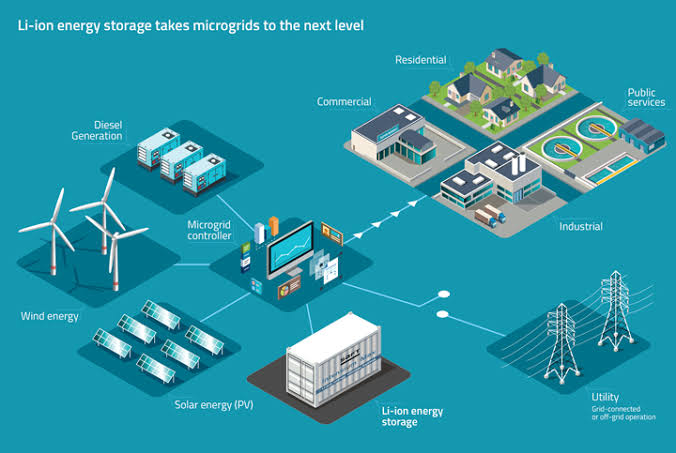
ALEO designs and customises microgrid solutions ranging from 100 kW to 1 MW, integrating advanced Energy Management Systems (EMS) and high-performance Battery Energy Storage Systems to optimise power generation, storage, and distribution. Every solution is engineered to meet the specific operational requirements of industrial facilities, commercial campuses, remote applications, and mission-critical infrastructure.
With UL-certified products from the USA, direct shipment from the United States, professional on-site installation and debugging support, and a 5-year warranty, ALEO provides dependable microgrid solutions backed by experienced engineering expertise.
Visit our website and connect with us to discuss a customised battery storage solution that strengthens your operations with a reliable industrial energy solution.