The global energy sector is rapidly shifting toward decentralised power systems that offer greater flexibility, resilience, and operational efficiency. As businesses face rising electricity costs, increasing grid instability, and growing sustainability goals, the demand for advanced microgrid solutions continues to grow. This has created a new era of distributed energy across industrial and commercial sectors.
Leading microgrid companies are driving this transformation by developing technologies that combine local power generation, energy storage, renewable integration, and intelligent control systems. These solutions help organisations improve energy security, reduce downtime, and maintain reliable operations even during utility grid disruptions.
From manufacturing facilities and hospitals to data centres and remote industrial sites, microgrids are becoming an essential part of modern energy infrastructure. Companies specialising in these technologies are investing heavily in innovation to deliver smarter, more scalable, and more efficient energy systems. This creates a future-focused energy ecosystem for businesses worldwide.
With many providers entering the market, choosing the right microgrid partner can be challenging. In this article, we highlight the top microgrid companies leading the future of distributed energy, explore their key strengths, and explain how they are shaping the next generation of reliable power solutions.
How Microgrid Companies Became Key Players in Modern Energy
The rise of microgrid companies is closely linked to the growing demand for more reliable, decentralised, and resilient energy systems. For decades, industries and communities depended almost entirely on centralised utility grids to meet their electricity needs. While this model supported large-scale power distribution, it also exposed businesses to grid failures, rising electricity costs, and limited flexibility during emergencies. This created a shift toward distributed energy across global markets.
As renewable energy technologies, battery storage, and digital control systems advanced, energy providers began developing localised power networks that could generate and manage electricity closer to the point of use. This marked the beginning of modern microgrid development. Early projects were mainly installed in remote locations and military facilities, but the technology quickly expanded into manufacturing plants, hospitals, universities, commercial buildings, and data centres.
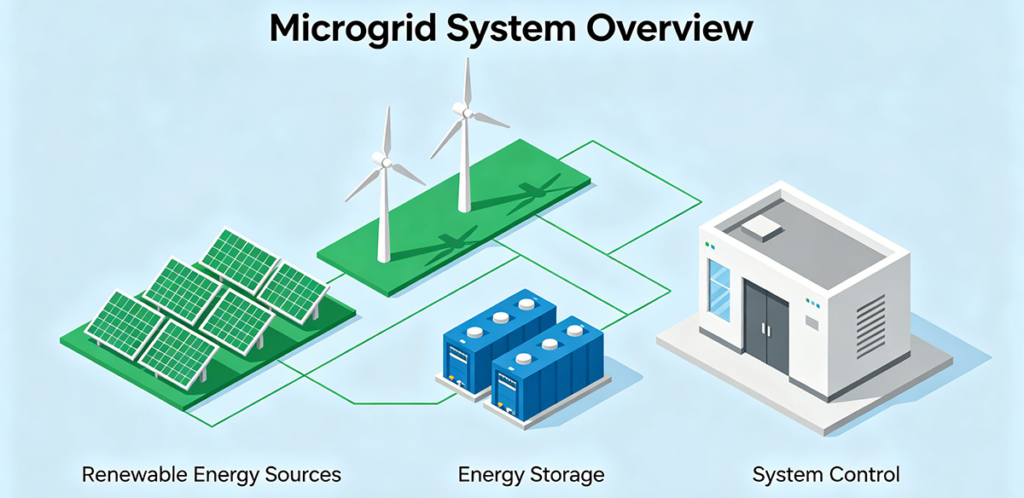
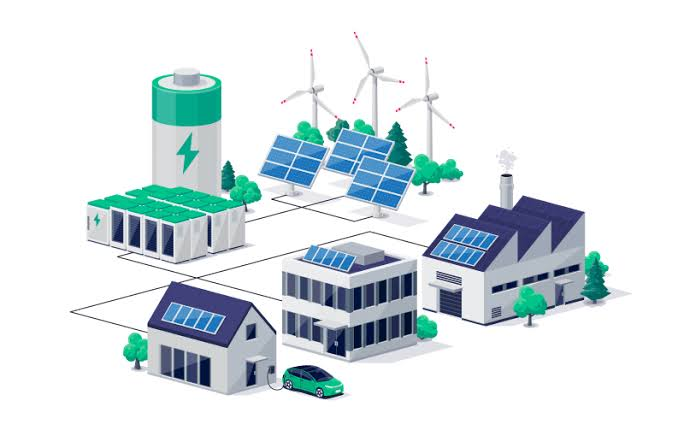
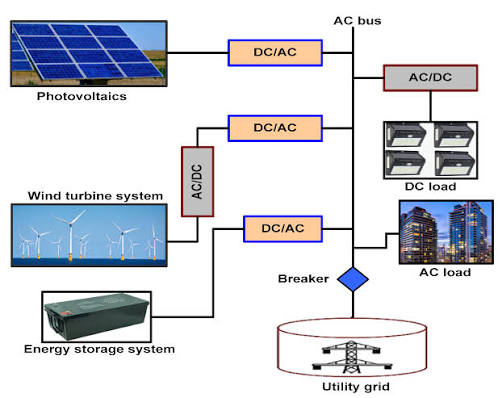
Today, microgrid companies do far more than supply equipment. They provide complete energy ecosystems that combine generators, renewable energy sources, battery storage, intelligent energy management systems, and advanced monitoring technologies. These integrated solutions help organisations improve power reliability, reduce operational costs, strengthen energy security, and support long-term sustainability goals. This creates a comprehensive energy management approach for modern industries.
As governments and businesses continue investing in distributed energy infrastructure, competition among microgrid providers has accelerated. Leading companies are now focused on developing smarter, more efficient, and scalable solutions that can adapt to changing energy demands. The organisations featured in this article are among those helping shape the future of distributed power through innovation, engineering expertise, and reliable energy technologies.
Top 10 Microgrid Companies to Watch
The rapid growth of distributed energy has encouraged many organisations to develop advanced microgrid technologies that improve energy resilience, efficiency, and operational flexibility. While each company brings different strengths to the market, the following organisations are widely recognised for their contributions to modern microgrid development. This creates a competitive distributed energy landscape that continues to drive innovation across industrial and commercial sectors.
1. Schneider Electric
Schneider Electric is one of the most recognised microgrid companies in the global energy industry. The company specialises in energy management, industrial automation, and smart grid technologies that help businesses optimise electricity consumption while improving operational reliability. Its microgrid solutions combine renewable energy, battery storage, generators, and intelligent software into one integrated platform.
Schneider Electric serves industries such as manufacturing, healthcare, commercial real estate, and data centres. Through advanced monitoring and automation, its systems help organisations improve energy efficiency, reduce operating costs, and maintain stable power during grid disruptions. This provides a smart energy management platform for complex industrial environments.
2. Siemens
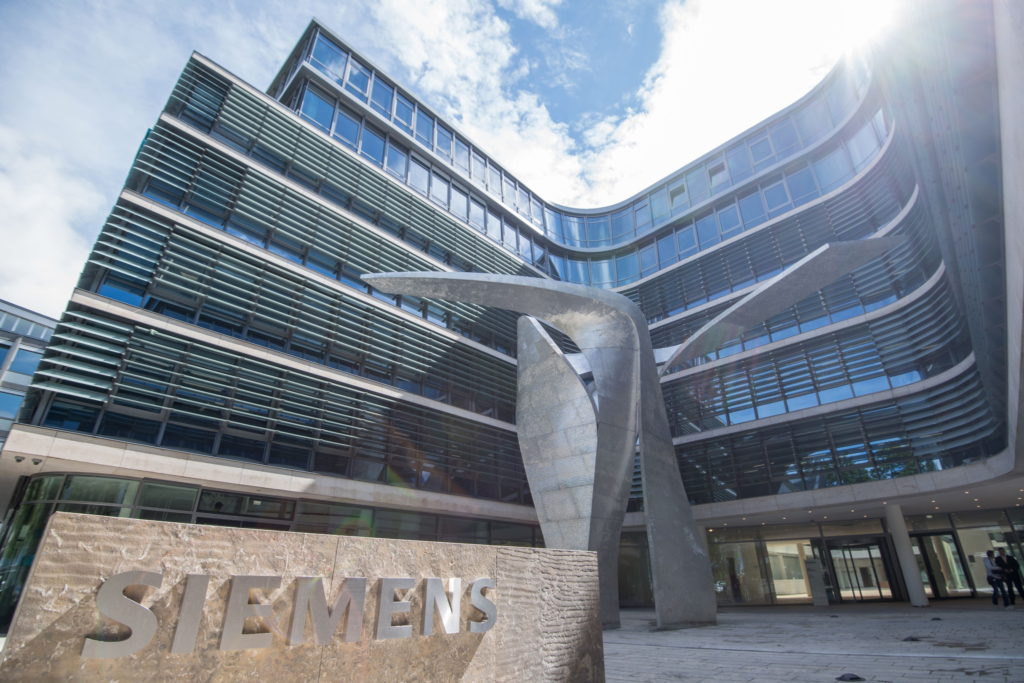
Siemens has established itself as a leading provider of digital energy infrastructure and grid modernisation technologies. Its microgrid portfolio focuses on integrating distributed energy resources with advanced automation systems to create reliable and efficient power networks. This creates a digitally connected energy ecosystem for modern businesses.
The company’s solutions support factories, airports, universities, utilities, and commercial facilities by combining renewable energy, conventional generation, battery storage, and intelligent control systems. Siemens also emphasises digitalisation, allowing customers to monitor and optimise energy performance through real-time analytics and predictive management.
3. ABB
ABB is known for its expertise in electrification, industrial automation, and power distribution technologies. As one of the leading microgrid companies, ABB develops solutions that help organisations improve power quality, increase energy efficiency, and strengthen operational resilience.
Its microgrid systems integrate renewable energy, battery storage, diesel generators, and advanced control platforms to ensure a stable electricity supply under changing operating conditions. ABB’s technologies are widely used in industrial facilities, utilities, mining operations, and remote locations where dependable power is essential. This delivers a reliable power integration solution for demanding applications.
4. Eaton
Eaton is a global power management company recognised for developing electrical infrastructure that improves energy efficiency, safety, and business continuity. Its microgrid solutions help organisations manage distributed energy resources while maintaining reliable power for mission-critical operations. This creates a business-focused energy management solution for commercial and industrial users.
Eaton’s systems integrate renewable energy, battery storage, generators, and intelligent control software into a single platform. These solutions allow businesses to optimise energy consumption, lower utility costs, and improve resilience during power outages. Eaton serves industries including healthcare, manufacturing, commercial buildings, and government facilities where uninterrupted electricity is essential.
5. GE Vernova
GE Vernova is playing an important role in advancing distributed energy through its expertise in power generation, grid modernisation, and renewable energy technologies. The company develops microgrid solutions that combine conventional generation with renewable resources to improve energy reliability and operational flexibility. This provides a modern grid resilience strategy for large-scale energy users.
Its microgrid portfolio supports industrial facilities, utilities, campuses, and remote operations by integrating gas turbines, generators, battery storage, and digital energy management platforms. GE Vernova also focuses on improving grid stability and helping organisations transition toward cleaner and more efficient energy systems.
6. Honeywell

Honeywell is widely known for its building automation and industrial control technologies, but it has also become one of the established microgrid companies serving commercial and industrial markets. Its solutions combine intelligent software with distributed energy resources to improve operational efficiency and reduce energy costs.
Honeywell’s microgrid platforms integrate solar energy, battery storage, generators, and advanced building management systems into one coordinated solution. Real-time monitoring and automated energy optimisation help businesses respond quickly to changing electricity demand while maintaining reliable operations. This creates an intelligent building energy network that supports long-term business performance.
7. Hitachi Energy
Hitachi Energy has become a major contributor to the distributed energy sector through its advanced grid technologies and digital energy solutions. The company focuses on helping utilities, industries, and infrastructure projects build resilient power networks that integrate renewable energy with conventional generation. This creates a smart grid modernisation approach for evolving energy demands.
Its microgrid portfolio includes intelligent control systems, battery energy storage integration, power quality solutions, and advanced grid automation technologies. These capabilities enable customers to improve energy efficiency, maintain a stable electricity supply, and strengthen operational resilience in both grid-connected and remote environments.
8. Caterpillar
Caterpillar is widely recognised for its heavy equipment and industrial power generation expertise. Through its Cat® power solutions, the company has established itself among leading microgrid companies by delivering robust generator-based microgrids for demanding industrial applications.
Its solutions are commonly deployed in mining operations, oil and gas facilities, construction projects, and remote communities where dependable electricity is essential. By combining diesel generators, renewable energy sources, battery storage, and intelligent controllers, Caterpillar helps organisations achieve reliable power while improving fuel efficiency. This provides a high-performance industrial energy solution for challenging operating environments.
9. Rolls-Royce (MTU Solutions)
Through its MTU Solutions division, Rolls-Royce develops advanced hybrid microgrids that combine conventional generation with renewable energy and battery storage technologies. The company’s systems are designed for mission-critical facilities that require continuous, high-quality power under varying operating conditions.
MTU Solutions serves industries including healthcare, manufacturing, utilities, defence, and data centres. Its intelligent energy management platforms automatically optimise power generation and storage, helping customers reduce fuel consumption while improving reliability. This creates a hybrid power optimisation strategy for modern industrial facilities.
10. ALEO
ALEO is an emerging provider of industrial power solutions, helping businesses build reliable energy infrastructure for demanding commercial and industrial applications. Unlike companies that focus primarily on software or grid management, ALEO emphasises robust power generation systems designed for high-load performance, operational reliability, and long-term durability.
ALEO’s solutions support distributed energy projects by integrating industrial generators into modern microgrid environments where stable backup power is essential. Each system is engineered to deliver dependable performance for manufacturing plants, commercial facilities, construction projects, and remote operations. This creates a reliable industrial power foundation for business continuity.
All ALEO generator systems are backed by UL certification from the USA, ensuring compliance with internationally recognised safety and quality standards. Combined with direct shipment from the United States, on-site installation and debugging support, and a 1-year warranty, ALEO provides customers with dependable power solutions that support long-term operational confidence.
How to Choose the Right Microgrid Company
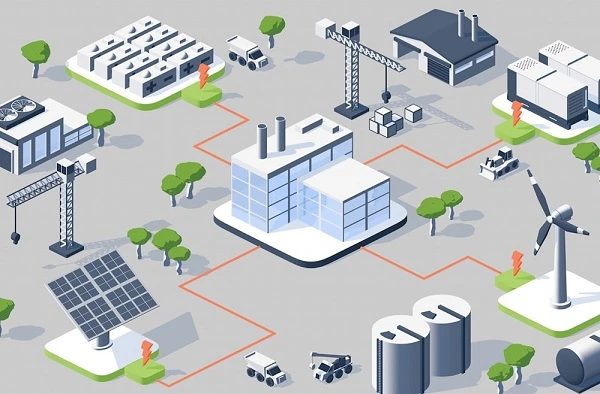
Selecting the right microgrid provider is just as important as choosing the technology itself. Every business has unique energy requirements, operational priorities, and future expansion plans, making it essential to work with a company that can deliver solutions tailored to specific applications. This creates a strategic technology selection process for long-term success.
One of the first factors to consider is industry experience. Established microgrid companies with successful projects across manufacturing, healthcare, utilities, commercial buildings, and remote operations are generally better equipped to understand complex energy challenges and deliver dependable solutions.
Technology capability is another key consideration. A reliable provider should offer integrated solutions that combine generators, renewable energy sources, battery storage, intelligent energy management systems, and advanced monitoring platforms. Companies with broader technology portfolios can design more flexible and scalable energy infrastructure.
Engineering expertise and installation support are equally important. Microgrids require proper system sizing, equipment integration, and commissioning to achieve reliable performance. Providers offering professional engineering, on-site installation, and technical support help reduce implementation risks while improving long-term operational efficiency. This creates a comprehensive project delivery approach for industrial customers.
Businesses should also evaluate after-sales support, maintenance services, certifications, and warranty coverage before making a final decision. Strong technical assistance and ongoing service ensure that microgrid systems continue operating efficiently as energy requirements evolve, providing long-term value beyond the initial installation.
Key Technologies Used by Leading Microgrid Companies
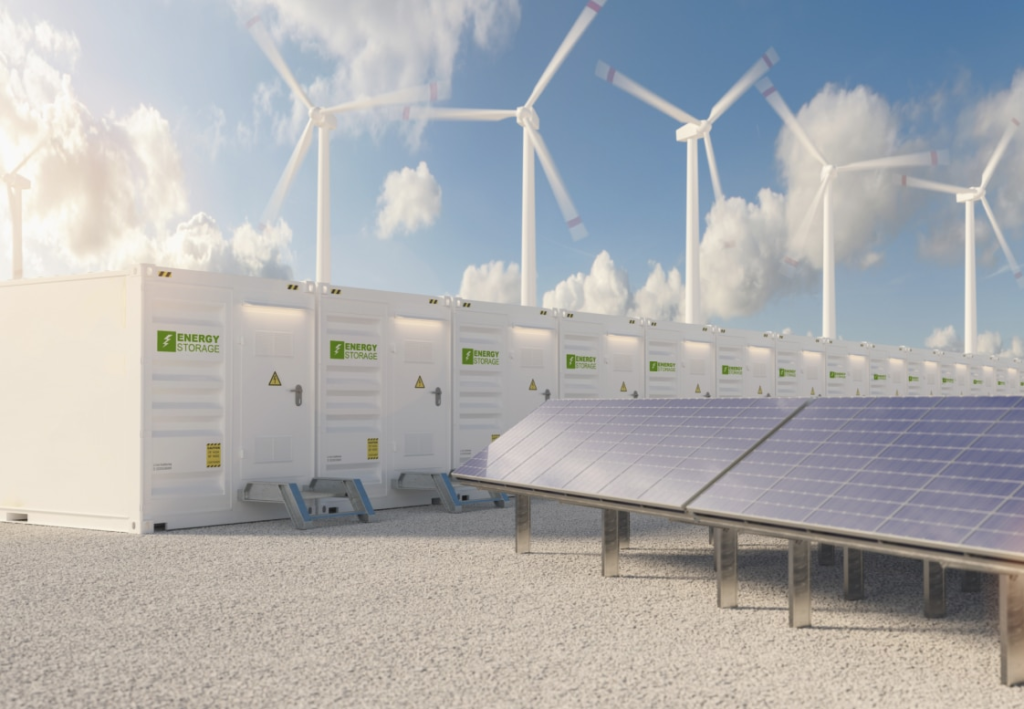
The success of modern microgrids depends on the integration of multiple technologies that work together to generate, store, manage, and distribute electricity efficiently. Leading microgrid companies invest heavily in these technologies to improve power reliability, reduce operating costs, and support long-term energy resilience. This creates an integrated energy technology ecosystem for industrial and commercial applications.
Power generation remains the foundation of every microgrid. Depending on project requirements, systems may use diesel generators, natural gas generators, solar panels, wind turbines, or hybrid combinations that balance efficiency with reliability. By utilising multiple energy sources, businesses can reduce dependence on traditional utility grids while maintaining a stable electricity supply.
Battery Energy Storage Systems (BESS) have become another essential component of modern microgrids. They store excess electricity, support peak load management, and provide backup power during outages. Combined with intelligent Energy Management Systems (EMS), businesses can automatically optimise electricity generation, storage, and consumption according to real-time demand. This provides a smart energy optimisation framework for continuous operations.
Cloud-based monitoring platforms, IoT-enabled sensors, and predictive analytics further improve microgrid performance by providing real-time operational insights. These technologies help facility managers identify potential issues early, improve maintenance planning, and maximise overall system efficiency.
Build the Future of Distributed Energy with ALEO
As distributed energy continues to evolve, businesses need reliable partners capable of delivering dependable power solutions that support long-term operational success. While leading microgrid companies continue driving innovation across the industry, choosing the right provider ultimately depends on reliability, engineering expertise, and long-term service support. This creates a trusted industrial energy partnership for businesses investing in modern power infrastructure.
At ALEO, we specialise in industrial power solutions designed for demanding commercial and industrial environments where performance and reliability are critical. Our generator systems are engineered to integrate seamlessly into distributed energy projects, helping businesses strengthen power resilience, improve operational continuity, and support future energy expansion.
Every ALEO solution comes with UL certification from the USA, ensuring compliance with internationally recognised safety and quality standards. With direct shipment from the United States, on-site installation and debugging support, and a 1-year warranty, we provide customers with complete confidence from project planning through long-term operation.
Whether you are developing a new microgrid or expanding an existing energy infrastructure, ALEO delivers dependable industrial power solutions built for long-term performance. Visit our website and connect with us to build a reliable, scalable, and future-ready energy system.