The global energy industry is shifting from traditional centralized power generation toward smarter and more flexible energy systems. Rising electricity demand, grid reliability concerns, and renewable energy growth have increased the importance of distributed energy resources as a modern solution for efficient power management. Decentralized energy transformation is changing how electricity is produced and consumed.
Unlike conventional power systems that depend mainly on large power plants and long transmission networks, distributed energy resources generate or store electricity closer to where it is needed. These systems include technologies such as solar panels, battery storage, small-scale wind systems, and backup power solutions. Localized energy generation systems help improve reliability and reduce dependence on traditional grids.
Businesses, communities, and homeowners are adopting distributed energy solutions to gain better control over energy usage, reduce power interruptions, and integrate renewable resources more effectively. These systems also support grid stability by balancing supply and demand during changing energy conditions. Flexible power management solutions improve overall energy efficiency.
As energy technology continues to advance, distributed systems are becoming an important part of future infrastructure planning. Understanding how they work, their applications, and their limitations helps users make better decisions about energy investments. Future-ready energy planning supports sustainable and reliable power development.
In this article, we will discuss what distributed energy resources are, how energy distribution works, common DER examples, benefits, challenges, and their role in the future of power systems.
What Are the Distributed Energy Resources?
Distributed energy resources (DERs) are small-scale energy generation and storage systems located close to where electricity is used. Instead of depending completely on large centralized power plants, DER systems allow homes, businesses, and facilities to produce, store, and manage power locally. Local energy production approach improves flexibility and energy control.
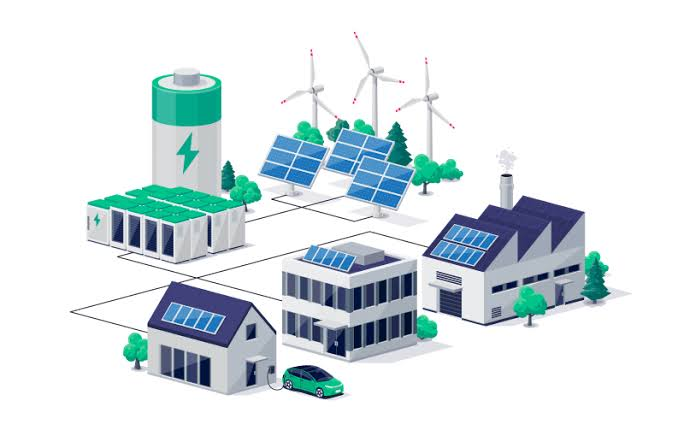
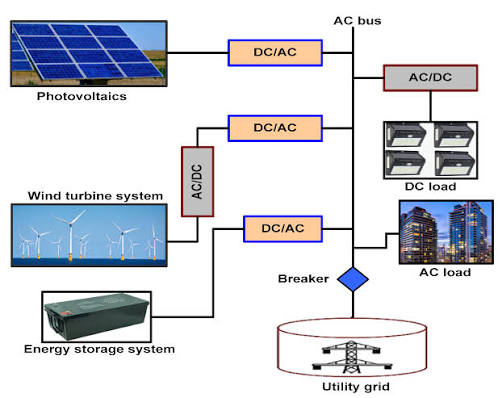
Common distributed energy resources include solar panels, battery storage systems, wind turbines, fuel cells, and backup generators. These technologies can operate independently or work together with the main electrical grid to provide a more reliable power supply. Multiple energy technology integration supports modern energy needs.
One of the main purposes of DER systems is to improve energy efficiency by reducing the distance electricity must travel. Producing power closer to users helps decrease transmission losses and supports better grid performance. Efficient electricity distribution increases overall system reliability.
Distributed energy resources also allow users to participate more actively in energy management by controlling generation, storage, and consumption patterns. User-controlled energy systems are becoming an important part of future power networks.
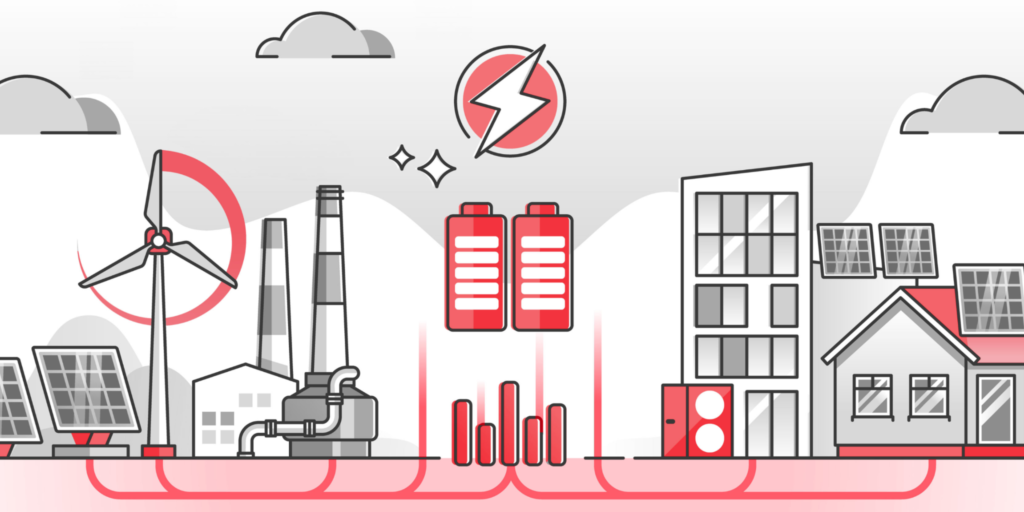
What Is the Distribution of Energy Resources?
The distribution of energy resources refers to how electricity generation sources are arranged and delivered to users. Traditional systems depend on centralized power plants that generate electricity and send it through long transmission networks before reaching homes or businesses. The centralized power delivery model has been the standard approach for many years.
Modern energy distribution is becoming more decentralized, with smaller energy systems placed closer to consumption points. This allows electricity to be produced locally through renewable sources, storage systems, and backup technologies. Decentralized energy infrastructure improves flexibility and resilience.
Distributed energy systems reduce pressure on the main grid by allowing multiple smaller resources to contribute electricity when needed. This creates a more balanced and adaptable power network. Grid stability improvement is one of the key advantages of distributed energy.
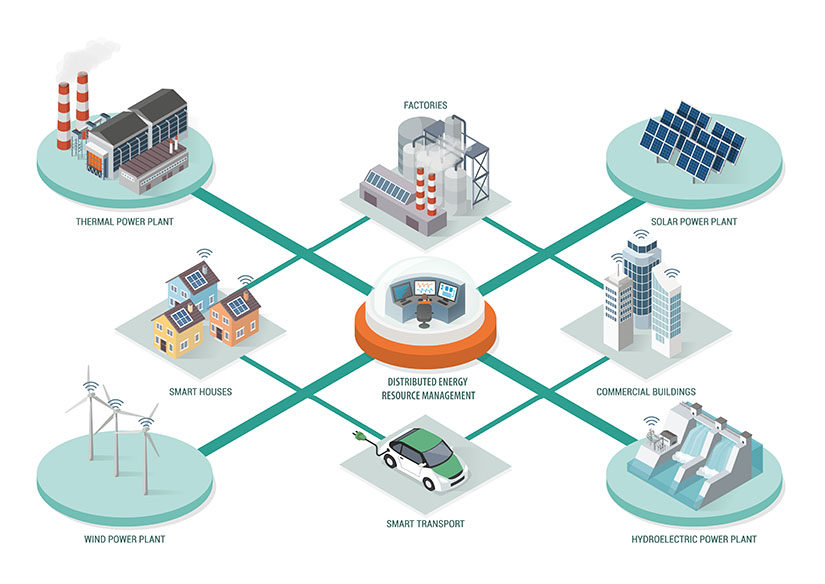
As technology advances, energy distribution is moving toward smarter systems that use automation and monitoring tools to manage electricity flow efficiently. Smart energy coordination supports the future of reliable power networks.
Types and Applications of Distributed Energy Resources
Distributed energy resources include several technologies that work together to create a more flexible, efficient, and reliable power network. Each system has a different role, from generating renewable electricity to storing energy and providing backup support during outages. Integrated energy resource management helps improve modern power infrastructure.
Solar Energy Systems
Solar energy is one of the most widely used forms of distributed energy. Rooftop solar panels and commercial solar installations generate electricity close to where it is consumed, reducing dependence on traditional grid power. Local renewable power generation makes solar a major part of DER adoption.
Solar systems can operate independently or combine with batteries and other technologies to create a more reliable energy solution. This allows users to store excess power and use it when solar production is lower. Solar storage integration improves energy flexibility.
Battery Energy Storage Systems
Battery storage systems allow users to store electricity generated from renewable sources or the grid for later use. They are especially useful during peak demand periods or power outages. Stored energy availability improves reliability and backup capability.
Advanced battery systems also help stabilize the electricity supply by balancing energy production and consumption. This makes them important for both individual users and larger grid operations. Energy balance optimization supports efficient power management.
Wind Energy Resources
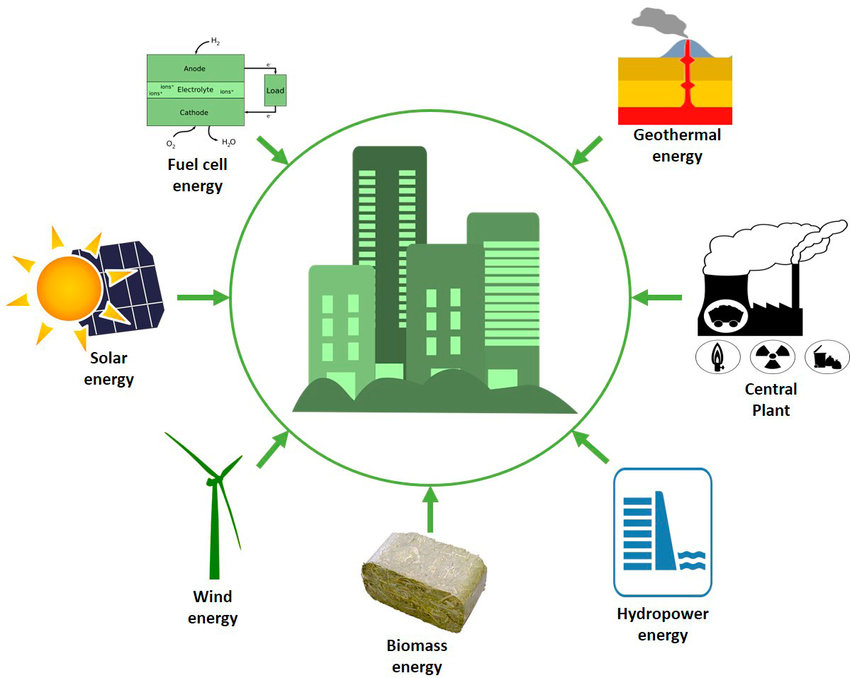
Small-scale wind systems are another example of distributed energy resources. These systems convert wind movement into electricity and can support homes, businesses, and remote facilities where wind conditions are suitable. Renewable wind generation adds diversity to energy production.
When combined with other resources such as solar and storage systems, wind energy contributes to a more balanced and reliable power network. Hybrid renewable integration improves long-term energy stability.
Backup Generators and Hybrid Systems
Backup generators provide dependable power when renewable production is low or when the main grid becomes unavailable. They are commonly used in commercial facilities, hospitals, and industries requiring continuous electricity. Reliable backup power support ensures operational continuity.
Hybrid systems combine generators with renewable energy and battery storage to increase efficiency while maintaining reliability. This approach reduces fuel dependency while ensuring consistent energy availability. Hybrid energy system design creates a stronger power solution.
Smart Grid and Energy Management Systems
Modern distributed energy resources depend on intelligent control systems to monitor and manage electricity flow. These technologies automatically balance generation, storage, and consumption based on demand. Smart energy control systems improve operational efficiency.
Advanced monitoring tools also help identify energy patterns, reduce waste, and optimize system performance. Data-driven power management supports smarter energy usage.
Electric Vehicles as Energy Resources
Electric vehicles are becoming part of future distributed energy systems through vehicle-to-grid technology. This allows stored energy in EV batteries to support buildings or the electrical grid when needed. Vehicle energy integration creates new opportunities for power management.
As EV adoption grows, these systems may become an important part of balancing renewable energy supply and demand. Future energy flexibility strengthens modern electricity networks.
What Is an Example of Distributed Energy?
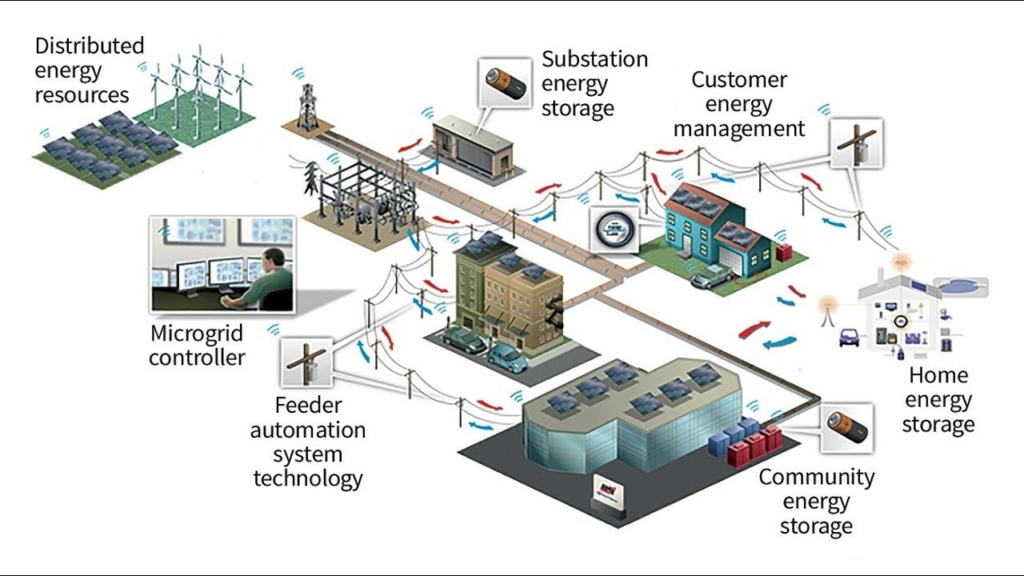
A common example of distributed energy is a rooftop solar power system installed on a home or commercial building. Instead of receiving all electricity from a distant power plant, users can generate energy directly at their location. On-site electricity generation helps improve energy independence and efficiency.
Another example is a microgrid that combines solar panels, battery storage, and backup generators to supply power for a specific facility or community. These systems can operate with the main grid or independently during outages. Flexible energy operation improves reliability during power interruptions.
Battery storage units are also important distributed energy resources because they store excess electricity and provide power when demand increases. Stored energy utilization helps balance energy supply and consumption.
Together, these technologies create a more flexible power system by bringing energy production closer to the point of use. A decentralized power approach supports the future of modern electricity networks.
Why Is My Electric Bill So High If I Have Solar?
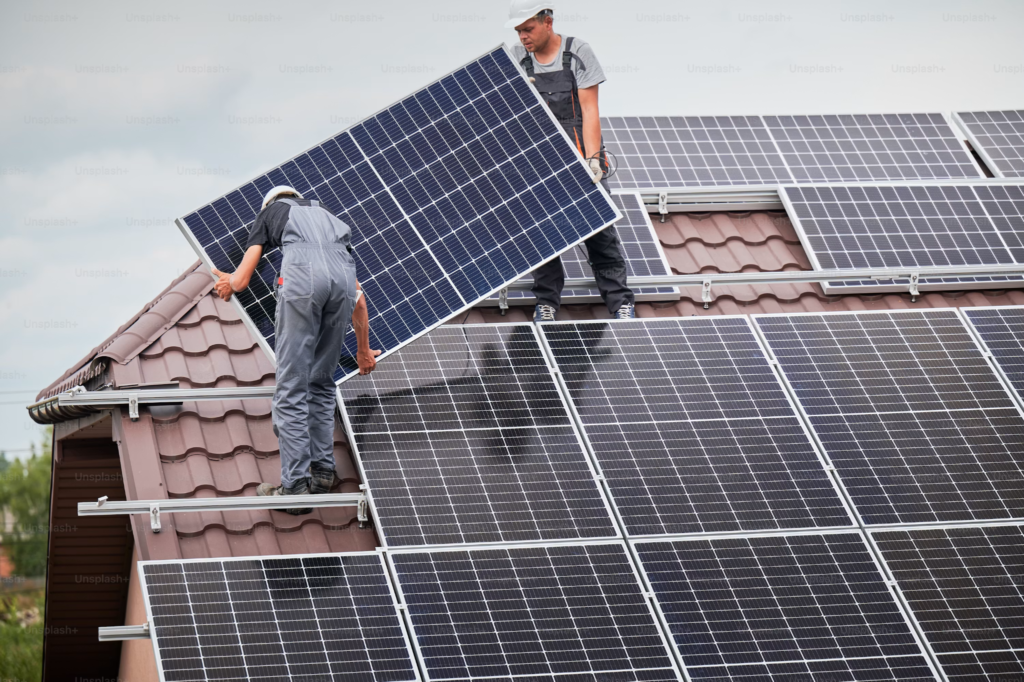
Having solar panels does not always mean an electricity bill will disappear completely. Many solar users remain connected to the utility grid and may still pay service charges, connection fees, or electricity costs when solar production is not enough. Grid connection expenses can contribute to monthly bills.
Energy usage patterns also affect savings. If a household consumes more electricity than the solar system produces, additional power must be purchased from the grid. Energy consumption balance determines overall cost reduction.
Solar output changes depending on weather, season, panel efficiency, and available sunlight. During periods of lower production, users may rely more heavily on grid electricity. Seasonal production variation impacts energy savings.
Battery storage can help maximize solar benefits by storing extra daytime energy for later use. Without storage, some users may still depend on grid power during evenings or peak usage times. Energy storage availability improves solar efficiency.
Benefits of Distributed Energy Resources
Distributed energy resources provide several advantages by bringing electricity generation closer to the point of consumption. This reduces reliance on large centralized power plants and creates a more flexible energy network. Decentralized energy benefits help improve modern power systems.
One of the biggest benefits is improved reliability. When combined with storage systems and backup solutions, DER systems can continue supplying electricity during grid outages or disruptions. Enhanced power reliability supports homes, businesses, and critical facilities.
Distributed systems can also reduce transmission losses because electricity travels shorter distances before being used. This improves overall energy efficiency and reduces unnecessary waste within the power network. Efficient energy delivery creates better system performance.
Another advantage is the easier integration of renewable energy sources such as solar and wind. These technologies help reduce dependence on fossil fuels and support cleaner energy development. Renewable energy adoption strengthens long-term sustainability goals.
Challenges of Distributed Energy Resources
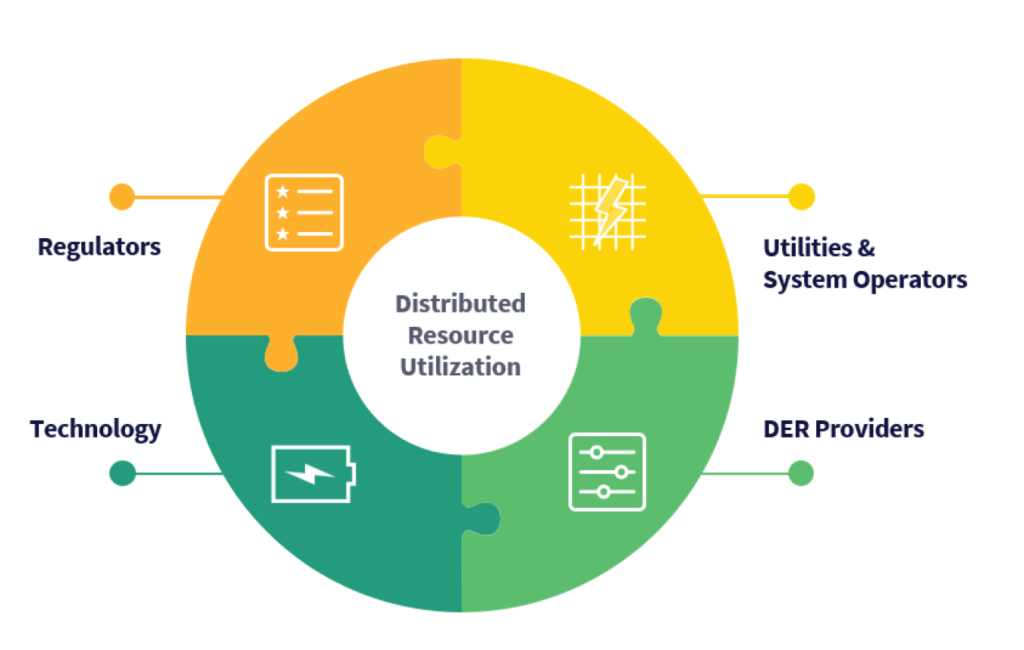
While distributed energy resources provide reliability, efficiency, and energy flexibility, they also introduce several technical and operational challenges. Since DER systems combine different technologies such as solar, batteries, generators, and control platforms, proper planning is required to achieve stable performance. Integrated system complexity is one of the main challenges in large-scale adoption.
One major concern is the initial investment required for installation. Equipment costs, engineering design, battery storage, and smart control systems can make upfront expenses higher compared to traditional energy solutions. However, long-term savings and improved reliability often balance these costs over time. High installation investment affects early project planning.
Grid integration is another important challenge because distributed systems must coordinate with existing utility networks. Managing electricity flow from multiple small sources requires advanced communication systems, automation, and monitoring technology. Complex grid coordination ensures safe and reliable operation.
Energy storage limitations can also affect DER performance. Renewable sources like solar and wind depend on environmental conditions, meaning production may not always match demand. Without sufficient battery storage, users may still need support from the main grid or backup systems. Storage capacity limitations influence energy independence.
Maintenance and technical expertise are also important considerations. Since distributed energy systems include multiple components, regular inspections, software updates, and equipment servicing are required to maintain efficiency. Ongoing system maintenance supports long-term reliability.
Additionally, regulatory requirements and utility policies can create challenges for some users. Permits, connection standards, and energy export rules may vary depending on location. Understanding these requirements before installation helps prevent delays and ensures smooth operation. Regulatory compliance planning is essential for successful DER implementation.
Future of Distributed Energy Resources
The future of distributed energy resources is focused on creating smarter, cleaner, and more resilient power systems. As energy demand continues to increase, more homes, businesses, and industries are expected to adopt local generation and storage solutions. Modern energy transformation is changing how electricity networks operate.
Renewable energy technologies such as solar and wind will continue to play a major role in DER expansion. Improved efficiency and lower technology costs are making these systems more accessible for different applications. Renewable technology advancement supports wider energy adoption.
Battery storage improvements will also strengthen distributed energy systems by allowing users to store more electricity and manage power availability more effectively. Longer-lasting and higher-capacity batteries will help reduce dependence on traditional grids. Advanced storage development improves energy flexibility.
Smart grid technologies and artificial intelligence-based energy management systems will further enhance DER performance. These systems can automatically balance energy production, storage, and demand to improve efficiency. Intelligent energy optimization supports future power reliability.
As energy systems evolve, distributed resources will become an important part of building sustainable, reliable, and adaptable infrastructure for future generations. Resilient energy infrastructure represents the next stage of power development.
Get Reliable Power Solutions For Hospitals – Connect With ALEO Today!
Distributed energy resources are transforming the way electricity is generated, stored, and managed by creating more flexible and reliable power systems. Instead of depending only on centralized power plants, DER technologies allow homes, businesses, and industries to produce and control energy closer to where it is needed. Decentralized energy innovation is shaping the future of electricity infrastructure.
From solar panels and battery storage to backup generators and smart energy management systems, distributed energy resources provide greater reliability, improved efficiency, and better support for renewable energy integration. These solutions help reduce power interruptions while giving users more control over their energy needs. Reliable energy management solutions support long-term operational stability.
As technology continues to advance, DER systems will become even more efficient and important for creating sustainable power networks. Proper planning, installation, and maintenance ensure these systems deliver dependable performance for different applications. Future-ready power systems help meet growing energy demands.
ALEO provides UL-certified energy solutions from the USA with direct shipment, on-site installation and debugging, and a 1-year warranty to support reliable power infrastructure. Trusted energy technology solutions deliver dependable performance for modern energy applications.
Visit our website and connect with us to explore advanced energy solutions designed for efficiency, reliability, and long-term power security.