Hospitals operate around the clock and depend on a continuous power supply to support life-saving medical equipment, patient care systems, and critical facility operations. Even a short power interruption can affect intensive care units, operating theatres, diagnostic equipment, and emergency response services. This is why every modern healthcare facility relies on a hospital emergency generator to maintain operations during utility failures. Continuous healthcare power reliability is essential for patient safety and uninterrupted medical services.
Power outages can occur due to severe weather, grid failures, equipment malfunctions, or natural disasters. In these situations, hospitals cannot afford downtime because critical patients often depend on electrically powered medical devices for survival. Emergency power systems ensure that essential services remain available when the primary electrical supply is unavailable. Uninterrupted patient care support is a fundamental requirement of healthcare infrastructure.
Hospital emergency generators are designed for high reliability, long operating hours, and rapid response during emergencies. These systems automatically activate when utility power fails and provide electricity to critical hospital departments within seconds. Proper maintenance, testing, and fuel management help ensure they perform effectively whenever needed. Mission-critical backup power systems play a vital role in emergency preparedness.
Beyond emergency operation, hospitals must also plan for long-term generator lifespan and operational sustainability. Understanding how long a hospital emergency generator can run and how many years it can remain in service helps healthcare facilities improve reliability and investment planning. Long-term power infrastructure planning strengthens overall healthcare resilience.
In this article, we will discuss how long hospital emergency generators last, factors affecting their lifespan and runtime, hospital backup power systems, maintenance requirements, and emergency preparedness standards. So, keep reading:
Why Hospitals Depend on Emergency Generators
Hospitals require reliable electricity to support a wide range of critical medical systems. Ventilators, patient monitoring equipment, infusion pumps, imaging systems, and laboratory devices all depend on a stable power supply to function correctly. Life-saving equipment dependency makes backup power a necessity rather than an option.
In addition to direct patient care, hospitals rely on electricity for lighting, ventilation systems, elevators, security infrastructure, and electronic medical records. Any disruption to these services can affect operational efficiency and patient safety. Essential facility operations support helps maintain healthcare continuity during emergencies.
Healthcare regulations in many regions also require hospitals to maintain emergency power systems capable of supporting critical functions during outages. These requirements help ensure facilities remain operational even during large-scale disruptions. Healthcare compliance requirements strengthen emergency preparedness and risk management.
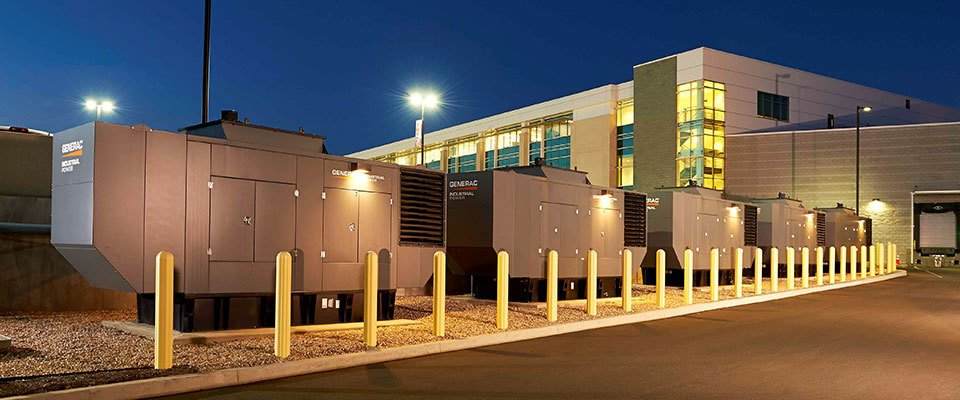
Emergency generators provide the reliability needed to protect patients, staff, and healthcare operations when utility power becomes unavailable. Their role is central to hospital resilience planning and disaster response strategies. Reliable emergency power protection supports continuous healthcare delivery.
Do Hospitals Have Backup Generators If the Power Goes Out?
Yes, hospitals are equipped with backup generators specifically designed to provide electricity during power outages. These generators automatically start when the main utility supply fails and deliver power to critical systems within seconds. Automatic emergency power activation ensures that essential medical services remain operational.
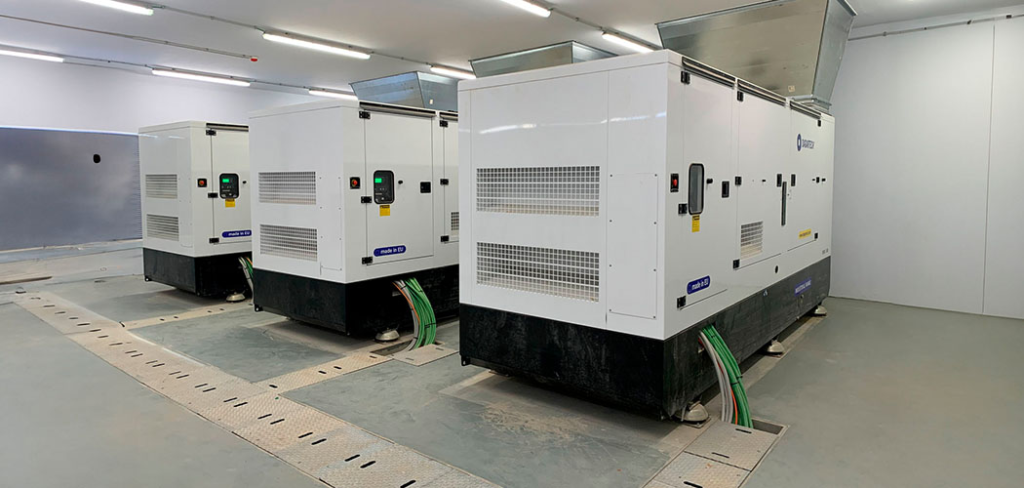
Hospital emergency generators are connected to priority electrical circuits that support intensive care units, operating rooms, emergency departments, communication systems, and emergency lighting. This allows critical patient care activities to continue without interruption. Priority power distribution systems help maintain healthcare operations during outages.
Most hospitals also use multiple layers of backup protection, including uninterruptible power supply (UPS) systems and battery backups. These systems provide immediate electricity while the generators are starting and stabilizing. A multi-layer backup power strategy improves reliability and reduces downtime risk.
To ensure readiness, hospitals regularly test and maintain their backup power infrastructure. Routine inspections and load testing help verify that generators will perform as expected during real emergencies. Emergency readiness verification programs are essential for maintaining dependable backup power.
How Long Does an Emergency Generator Last?
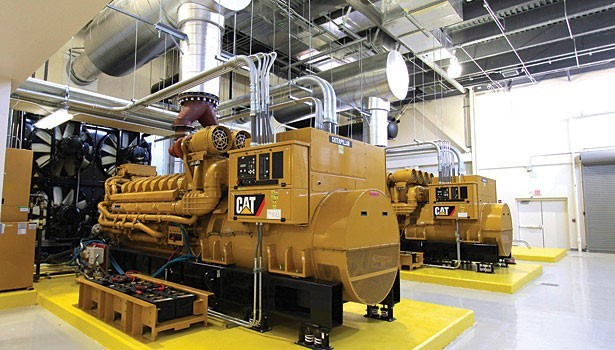
The lifespan of an emergency generator can be measured in two ways: how long it can operate continuously during an outage and how many years it can remain in service. Hospital-grade generators are built for demanding applications and can often run for several days without interruption, provided there is sufficient fuel and proper maintenance. Extended emergency runtime capability is one of the key advantages of industrial generator systems.
During a power outage, the actual runtime depends on factors such as fuel storage capacity, electrical load demand, engine efficiency, and environmental conditions. Hospitals typically maintain substantial fuel reserves and emergency refueling arrangements to support prolonged operation. Fuel availability management plays a major role in determining runtime.
In terms of service life, a well-maintained hospital emergency generator can remain operational for decades. Regular servicing, scheduled component replacement, and proper operating practices help maximize equipment longevity and reliability. Long-term equipment durability makes these systems a valuable investment for healthcare facilities.
Modern emergency generators are specifically engineered for high reliability and continuous standby readiness. When maintained according to manufacturer recommendations, they can provide dependable backup power throughout their operational lifespan. Reliable standby power performance supports long-term healthcare resilience.
Factors That Affect Hospital Emergency Generator Lifespan
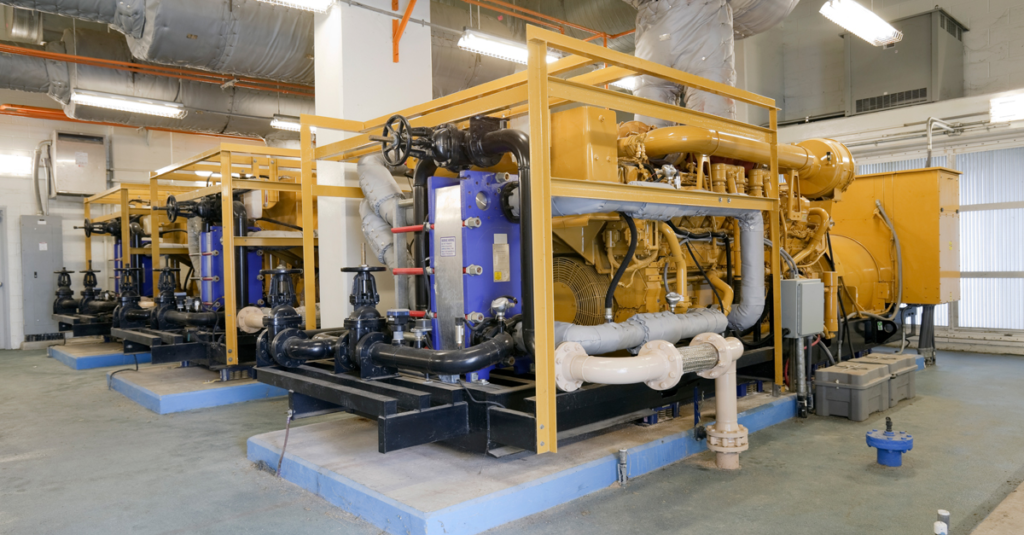
The lifespan of a hospital emergency generator depends on much more than its initial design. Fuel quality, maintenance practices, operating conditions, and regulatory compliance all influence how long the system can provide reliable service. Long-term generator reliability requires consistent attention to multiple operational factors.
Generator Design and Build Quality
Hospital generators are built to higher standards than many commercial backup systems because they support life-critical operations. These units use heavy-duty engines, durable components, and advanced control systems designed for long-term reliability. Industrial-grade equipment construction helps maximize service life and performance.
High-quality generators are also designed to handle frequent testing and extended emergency operation without significant wear. This makes them suitable for demanding healthcare environments. Healthcare-focused engineering standards improve operational durability.
Fuel System Management
Fuel quality has a direct impact on generator lifespan and performance. Contaminated or degraded diesel fuel can damage injectors, clog filters, and reduce engine efficiency over time. Proper fuel quality control helps maintain reliable operation and prevent avoidable failures.
Hospitals often implement fuel monitoring and storage programs to ensure diesel remains clean and usable for long periods. Regular inspections help identify potential issues before they affect performance. Fuel storage management practices support long-term generator health.
Load Management and Operating Conditions
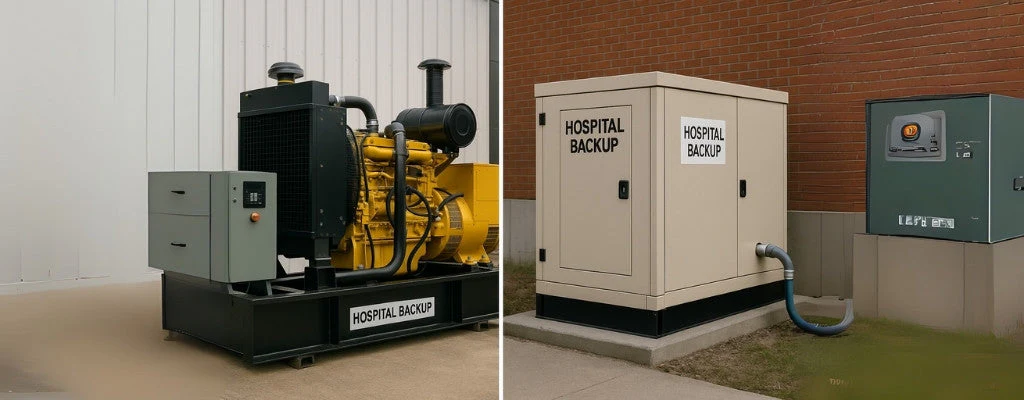
Operating a generator under excessive load can increase engine stress and accelerate component wear. Hospitals carefully balance electrical demand to ensure emergency systems operate within their intended capacity. Balanced load distribution strategy improves both efficiency and equipment longevity.
Conversely, generators that are consistently underutilized may also experience performance issues over time. Proper load planning helps maintain optimal operating conditions. Efficient operating load management contributes to long-term reliability.
Maintenance and Preventive Servicing
Routine maintenance is one of the most important factors affecting generator lifespan. Oil changes, filter replacements, cooling system inspections, and electrical checks help identify problems before they become serious failures. Preventive maintenance programs are essential for reliable emergency power performance.
Hospitals follow strict servicing schedules because generator failure during an outage is not an acceptable risk. Regular maintenance helps maximize equipment life while ensuring emergency readiness. Scheduled reliability inspections strengthen operational confidence.
Environmental Conditions
Temperature, humidity, dust, and ventilation conditions can all affect generator performance. Poor operating environments may increase wear on mechanical and electrical components over time. Environmental operating conditions play a significant role in equipment longevity.
Proper installation, ventilation, and equipment protection help reduce environmental stress and support efficient operation. Controlled equipment environment improves durability and reliability.
Testing and Regulatory Compliance
Hospitals conduct routine testing to verify that generators will perform correctly during emergencies. Load bank testing, performance inspections, and operational checks help identify weaknesses before an actual outage occurs. Routine performance verification supports dependable emergency operation.
Healthcare facilities must also comply with strict regulations regarding backup power readiness. These requirements encourage consistent maintenance and operational discipline. Regulatory compliance standards help ensure long-term system reliability and safety.
How Long Do Generators Last in Hospitals?
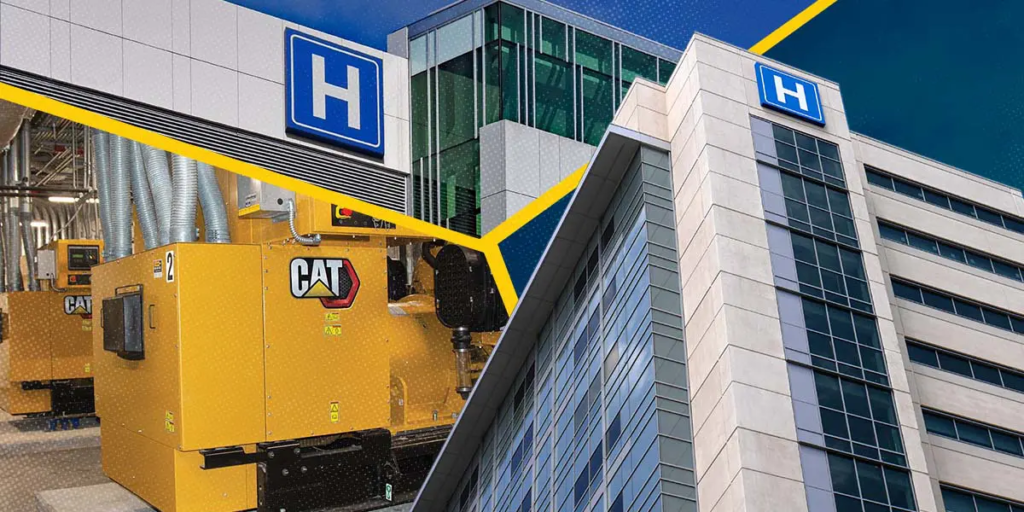
Hospital emergency generators are engineered for long-term, high-reliability operation and typically last between 20 and 30 years when properly maintained. These systems are not treated as short-term equipment but as core infrastructure that supports life-critical hospital operations. Long-term healthcare power reliability is a fundamental design requirement for these systems.
In addition to lifespan in years, hospital generators are also evaluated based on operational hours. Most high-quality diesel generators used in healthcare facilities are designed to handle thousands of running hours over their lifetime. Since they primarily operate during power outages, scheduled testing, and maintenance cycles, their actual runtime is carefully controlled to reduce unnecessary wear. Controlled operational lifecycle management helps preserve engine efficiency and performance.
Another important factor affecting lifespan is load behavior. Hospitals carefully manage electrical distribution so that generators are not consistently overloaded or underutilized. Proper load balancing ensures the engine runs within its optimal efficiency range, reducing stress on internal components. Balanced load performance control plays a major role in extending equipment life.
Long-term reliability is also heavily dependent on maintenance quality. Hospitals follow strict preventive maintenance schedules that include oil changes, filter replacements, cooling system inspections, battery checks, and load bank testing. These procedures help identify issues early and ensure that the generator is always ready for emergency operation. Preventive maintenance discipline is critical for uninterrupted performance.
Environmental conditions such as temperature, humidity, and ventilation also influence generator health. Poor operating conditions can accelerate wear and reduce efficiency over time, while controlled environments improve durability. Environmental protection management supports long-term stability.
Finally, hospitals implement proactive replacement planning strategies. Instead of waiting for failure, generators are often upgraded before reaching end-of-life risk thresholds. This ensures an uninterrupted emergency power supply and avoids operational disruptions in critical care environments. Strategic lifecycle replacement planning guarantees continuous patient safety and operational resilience.
What Is the 20-20-20 Rule for Generators?
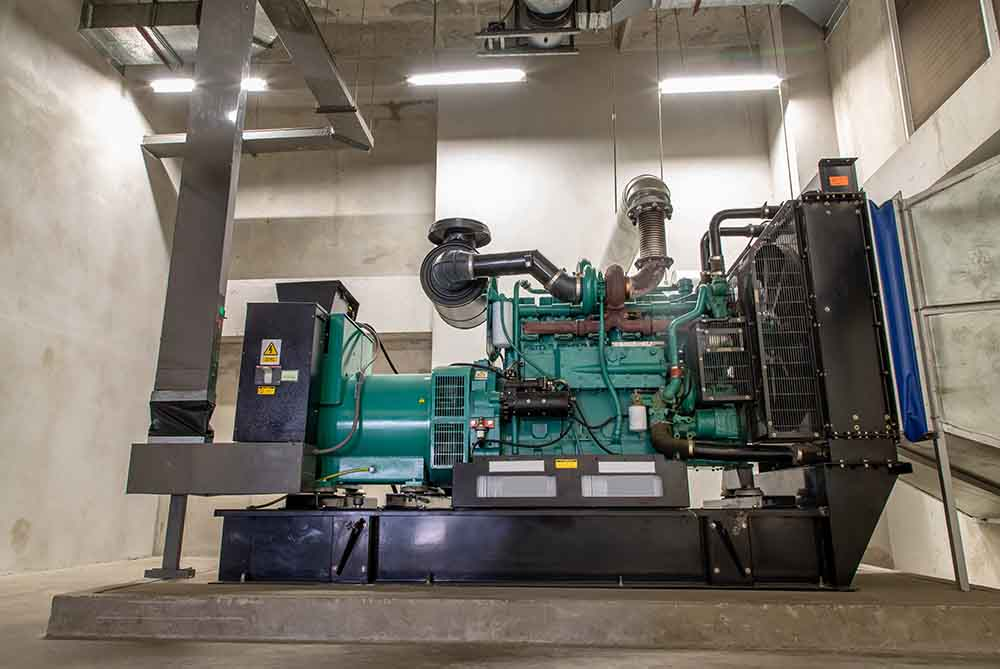
The 20-20-20 rule is a simple operational guideline used to maintain generator health by balancing load, allowing cooling time, and avoiding continuous heavy stress. Balanced operation principle improves long-term reliability.
It helps prevent overheating and reduces wear on engine components by encouraging controlled usage and monitoring during operation. Reduced engine stress supports better performance.
In hospital environments, this practice ensures emergency generators remain ready and reliable at all times. Emergency readiness focus is critical for healthcare systems.
Although not an official engineering standard, it is widely used as a preventive maintenance mindset for better generator performance. Preventive maintenance approach enhances durability.
What Does 2222 Mean in a Hospital?
The code “2222” is commonly used in some hospitals as an internal emergency communication code, often related to urgent response situations, depending on the facility’s protocol. Emergency communication coding helps staff respond quickly.
Hospital codes like 2222 are designed to avoid confusion and ensure staff can act immediately without delay or panic in public areas. Fast response coordination improves efficiency during emergencies.
It is part of a broader hospital alert system used for different types of medical or operational emergencies. Structured alert system supports organized response.
Each hospital may have slightly different code meanings, but the purpose remains rapid and clear communication during critical situations. Standardized emergency protocol enhances safety.
Challenges of Maintaining Hospital Backup Power Systems
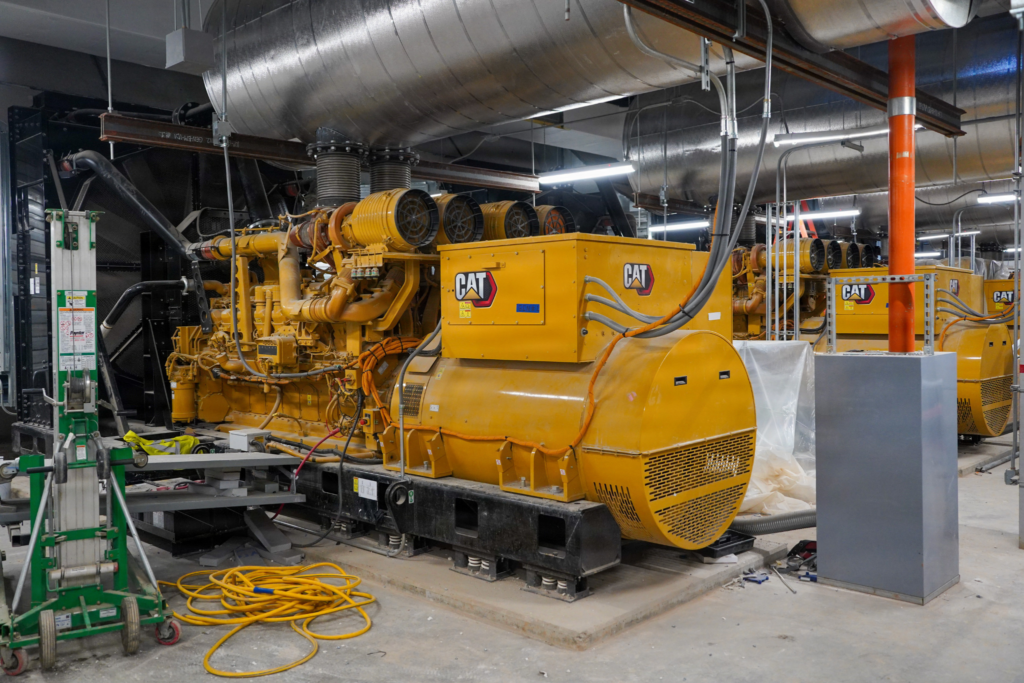
Hospital backup power systems must operate with extremely high reliability, which creates several operational challenges. One of the biggest issues is ensuring continuous fuel availability, especially during large-scale emergencies or disasters when supply chains may be disrupted. Emergency fuel management risk is a critical planning factor for hospitals.
Another challenge is maintaining generator readiness even when systems are not frequently used. Since hospital emergency generators may sit idle for long periods, issues like fuel degradation, battery wear, and component aging can occur without proper maintenance. Standby system reliability control is essential for consistent performance.
Hospitals also face strict regulatory requirements that demand regular inspections, load testing, and documentation. These compliance standards increase operational workload but are necessary to ensure safety and reliability. Healthcare compliance obligations strengthen system accountability.
Finally, high installation and maintenance costs make backup power systems a significant investment for healthcare facilities. However, this investment is necessary to guarantee uninterrupted patient care during outages. High infrastructure cost requirements reflect the importance of reliable emergency power.
Get Reliable Power Solutions For Hospitals – Connect With ALEO Today!
Hospital emergency generators are a vital part of healthcare infrastructure, ensuring an uninterrupted power supply for life-saving equipment, critical care units, and essential hospital operations. Their long lifespan, typically 20 to 30 years, reflects their robust engineering and importance in maintaining continuous patient care. Critical healthcare power reliability remains the foundation of hospital emergency systems.
These generators are designed not only for long-term durability but also for dependable performance during emergencies. With controlled operational hours, strict maintenance routines, and careful load management, hospitals ensure that their backup power systems remain fully functional whenever they are needed. Reliable emergency readiness systems support uninterrupted medical services.
ALEO delivers UL-certified generator solutions from the USA with direct shipment, on-site installation and debugging, and a 1-year warranty, ensuring dependable performance for hospitals and other critical facilities. Trusted industrial power solutions support continuous healthcare reliability.
Visit our website and connect with us to explore reliable generator systems built for long-term emergency power needs.