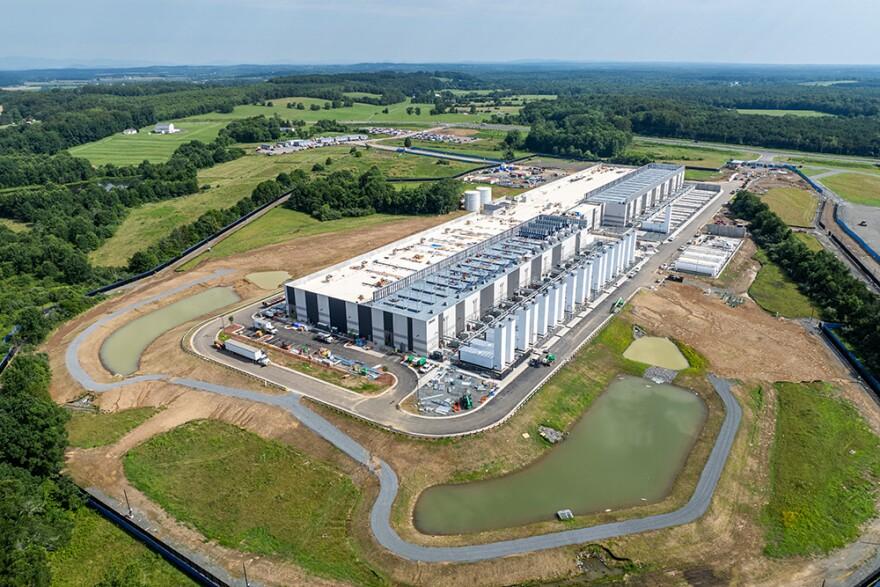
Data centers are the backbone of the modern digital economy, supporting everything from cloud computing and online banking to e-commerce platforms and business applications. Every second, millions of users rely on data centers to process, store, and transmit critical information. Because of this dependence, even a brief power interruption can result in service outages, financial losses, and operational disruptions. Continuous digital infrastructure availability is essential for maintaining reliable online services.
Power reliability has become one of the most important concerns for data center operators. Servers, networking equipment, cooling systems, and security infrastructure must remain operational around the clock to ensure uninterrupted performance. A loss of power can affect not only the facility itself but also the businesses and customers that depend on its services. Uninterrupted facility operations are critical to maintaining uptime and protecting data integrity.
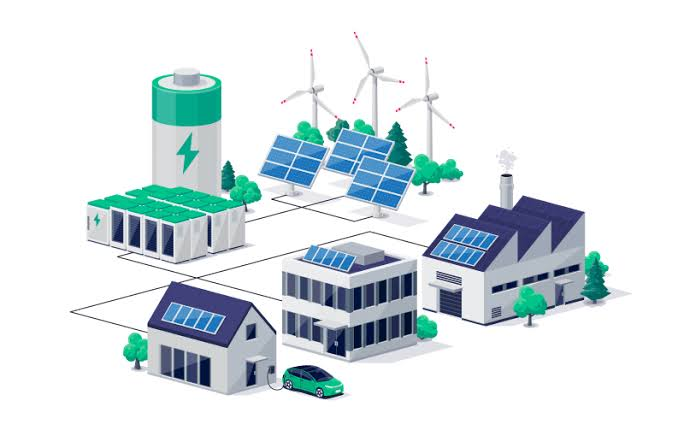
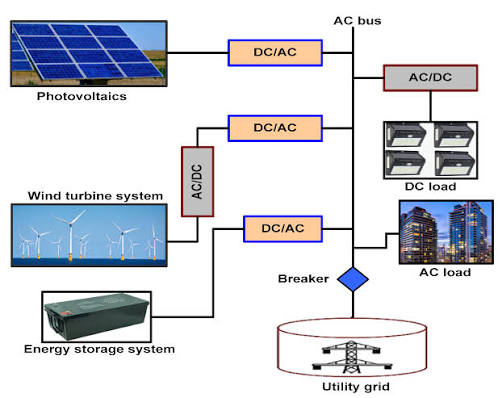
To address these risks, most facilities implement multiple layers of backup power protection. These systems include battery backups, uninterruptible power supplies, and a data center backup generator designed to provide electricity during utility failures. Together, these technologies help maintain service continuity and minimize the impact of unexpected outages. Multi-layer power redundancy forms the foundation of modern data center resilience.
As data demand continues to grow worldwide, the need for reliable emergency power solutions is increasingly important. Effective backup power planning helps data centers maintain performance, meet uptime commitments, and protect critical digital assets under all operating conditions. Reliable emergency power infrastructure supports long-term operational stability and business continuity.
In this article, we will discuss how data centers maintain power during outages, the types of generators they use, backup power strategies, operational challenges, and the role of data center backup generator systems in ensuring continuous uptime. So, keep reading:
Why Continuous Power Is Essential for Data Centers
Data centers operate 24 hours a day and rely on a constant power supply to support servers, storage systems, networking equipment, and security infrastructure. Unlike many other facilities, even a few seconds of downtime can disrupt services, interrupt transactions, and affect thousands of users simultaneously. Continuous uptime requirements make reliable power one of the highest priorities in data center operations.
Power interruptions can lead to data processing failures, application downtime, and potential loss of critical business information. Organizations that depend on cloud services, financial systems, and digital platforms expect uninterrupted access to their data at all times. Data availability protection is essential for maintaining customer trust and operational continuity.
Cooling systems also depend heavily on electricity. Servers generate significant heat during operation, and any interruption to cooling infrastructure can quickly create thermal risks for sensitive equipment. Critical cooling system support helps prevent overheating and hardware damage.
In addition to protecting equipment, continuous power ensures compliance with service-level agreements and uptime commitments. Many modern facilities are designed to achieve extremely high availability standards through redundant power infrastructure and emergency backup systems. High-availability infrastructure design supports reliable long-term performance.
Do Data Centers Have Backups?
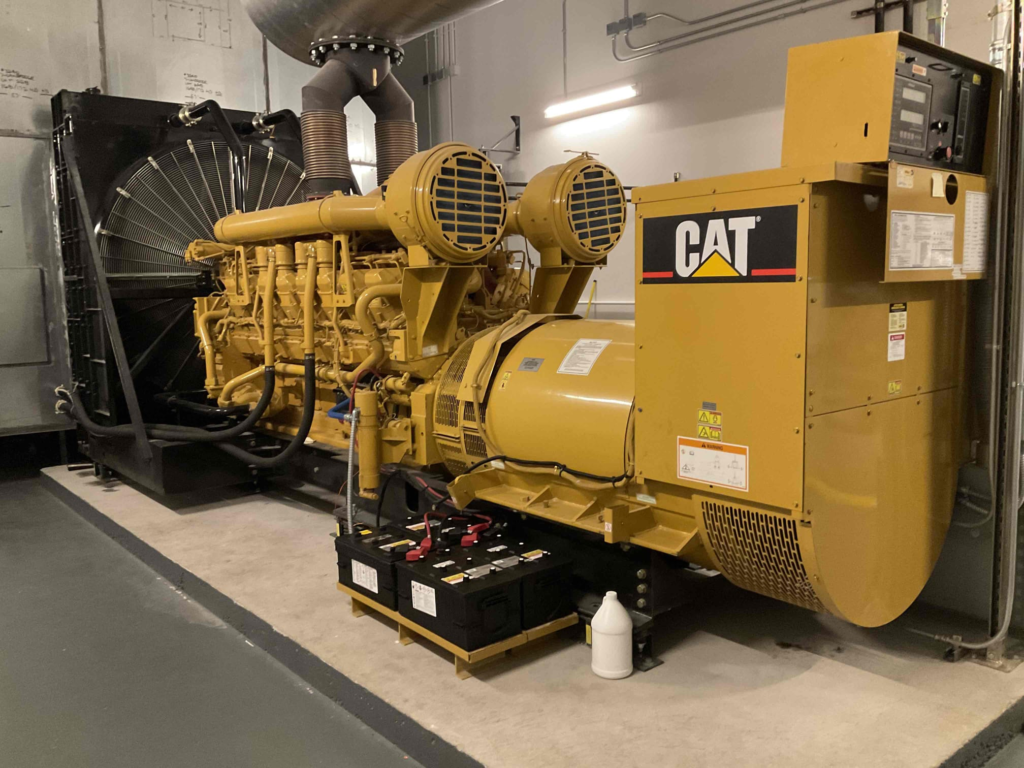
Yes, data centers use multiple backup systems to ensure operations continue even when utility power fails. Rather than relying on a single source of protection, facilities typically implement several layers of redundancy to minimize downtime risks. Multi-layer backup architecture is a standard feature of modern data centers.
The first layer often consists of uninterruptible power supply (UPS) systems that provide immediate electricity when a power interruption occurs. These battery-based systems keep critical equipment running while backup generators are starting up. Instant power continuity protection prevents service disruption during the transition period.
Many facilities also incorporate redundant electrical feeds, battery storage systems, and disaster recovery infrastructure. These measures help ensure that critical services remain available even during equipment failures or large-scale outages. Comprehensive resilience planning strengthens operational reliability.
In addition to on-site backup systems, organizations may maintain secondary data centers in different geographic locations. This allows workloads and applications to continue operating if one facility experiences a major disruption. The geographic redundancy strategy provides an additional layer of protection for critical digital services.
Do Data Centers Have Backup Generators?
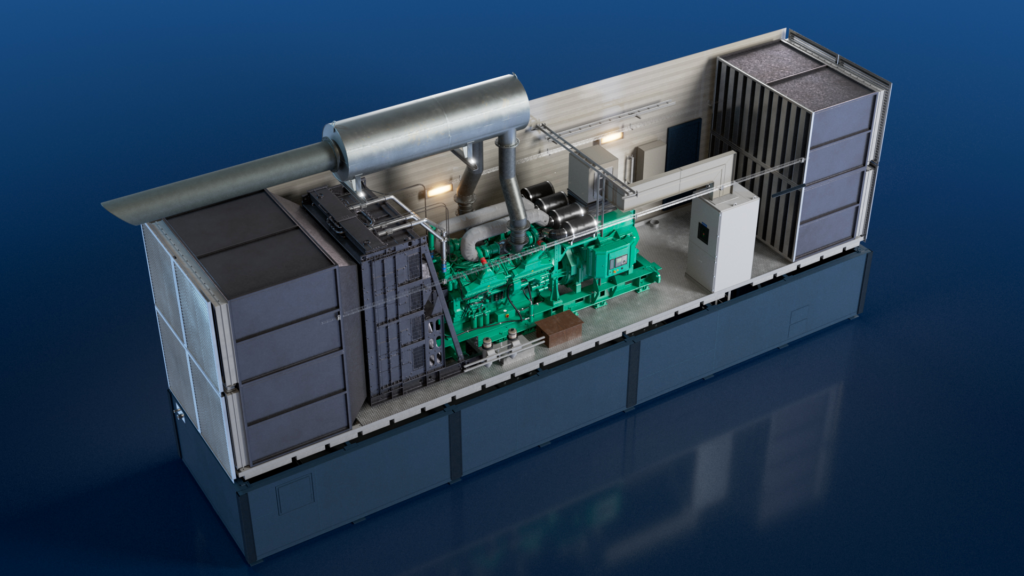
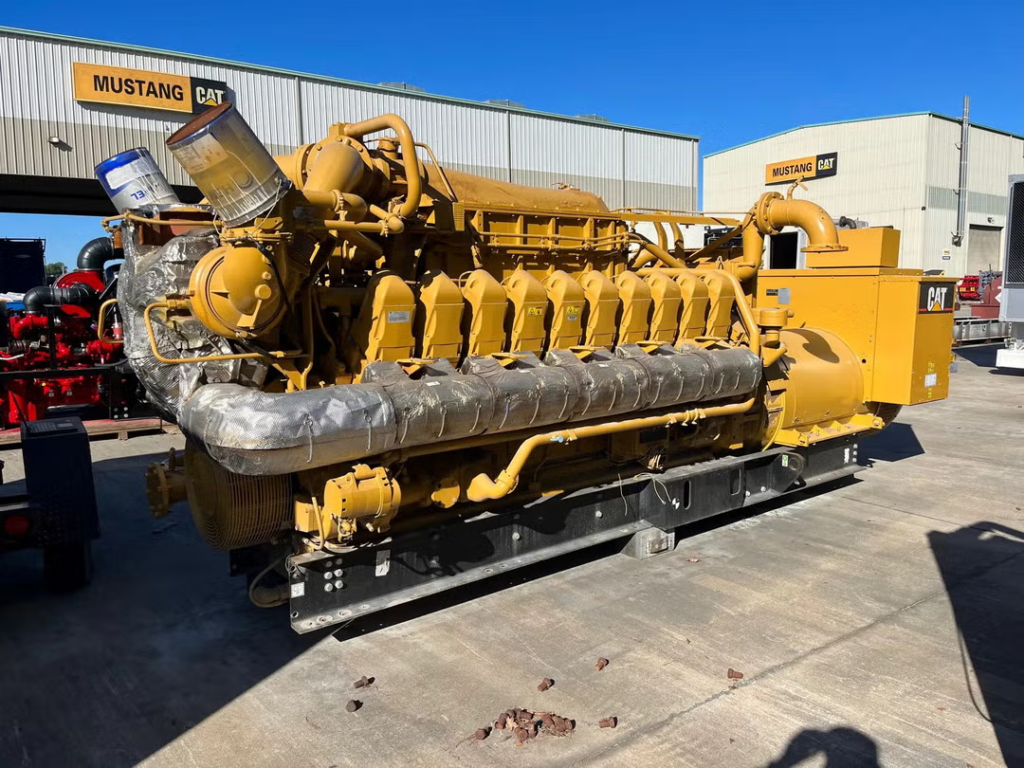
Yes, virtually all modern data centers use backup generators as a critical part of their emergency power infrastructure. When utility power fails, these generators automatically start and provide electricity to essential systems, helping maintain continuous operation. Emergency power generation systems are essential for meeting strict uptime requirements.
A data center backup generator works alongside UPS systems to create seamless power protection. While the UPS supplies instant power during the first few seconds of an outage, the generator starts and gradually takes over the electrical load. Coordinated backup power operation ensures uninterrupted service during power transitions.
These generators are designed to support servers, cooling systems, networking equipment, security infrastructure, and other mission-critical components. Depending on facility size, multiple generators may operate together to provide sufficient capacity and redundancy. Critical infrastructure power support helps maintain operational stability during emergencies.
Regular testing and maintenance are essential to ensure generators perform reliably when needed. Data centers conduct routine inspections, fuel checks, and load testing to verify emergency readiness. Operational readiness verification helps reduce the risk of unexpected failures.
How Data Center Backup Generator Systems Work
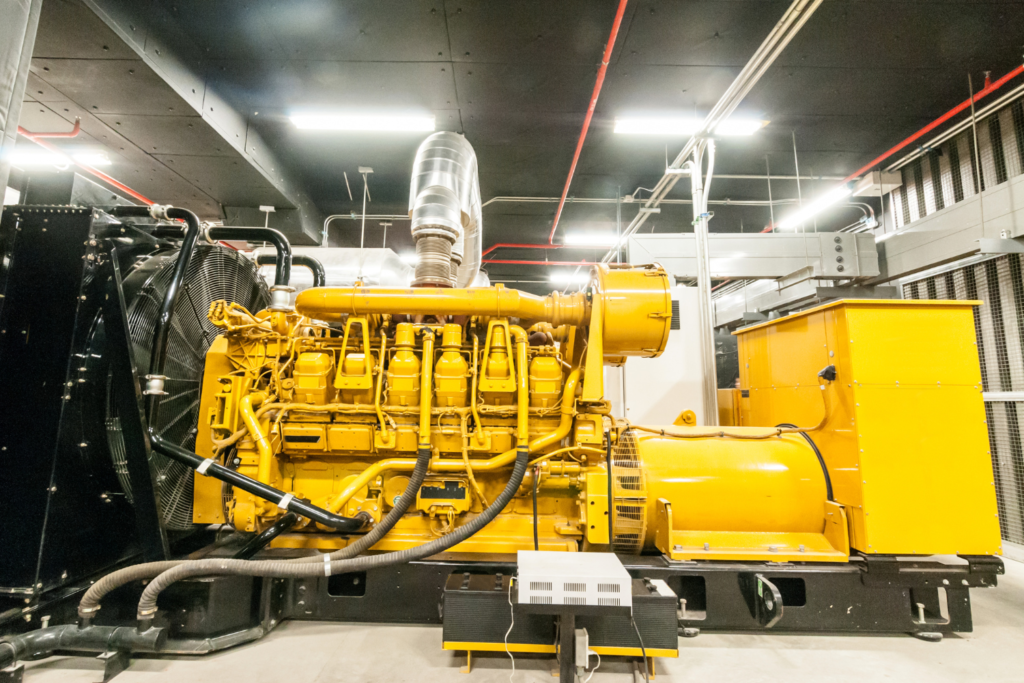
Data center backup power systems are engineered for one purpose only: zero tolerance for downtime. Even a few seconds of interruption can disrupt cloud services, banking systems, and global applications. Because of this, data center backup generator systems are designed with multiple automated layers that activate instantly when grid power fails. Mission-critical power architecture ensures uninterrupted digital operations.
Uninterruptible Power Supply (UPS) Integration
The UPS system is the first and fastest layer of protection in a data center power chain. It provides instant electrical energy the moment a power failure occurs, ensuring that servers, storage systems, and network switches never experience even a millisecond of downtime. Instant electrical continuity support is what keeps digital systems stable during transitions.
UPS systems are typically battery-based and designed to bridge the gap between utility failure and generator startup. This bridging period is extremely short, but it is critical because diesel generators require a few seconds to reach a stable output. During this time, UPS carries the full load without interruption. Zero-gap power transition design maintains uninterrupted service.
Automatic Transfer Switch Systems
The Automatic Transfer Switch (ATS) acts as the control intelligence of the backup system. It constantly monitors the incoming utility power and detects any irregularity, such as voltage drops, frequency instability, or complete power failure. Real-time power monitoring system ensures immediate response to grid issues.
Once a failure is detected, the ATS automatically sends a start signal to the backup generators. After the generator stabilizes its output, the ATS transfers the electrical load from the utility source to the generator supply. This entire process happens without human intervention. Fully automated load switching process improves reliability and reduces operational risk.
Generator Capacity Planning
One of the most critical aspects of data center design is accurate generator sizing. Engineers must calculate total IT load, cooling system requirements, lighting systems, security infrastructure, and future expansion capacity. Comprehensive load engineering analysis ensures correct power planning.
Unlike residential systems, data centers cannot afford under-sizing or even minor overload conditions. Most facilities design their systems using N+1 or even 2N redundancy models to ensure that backup power is always available, even if one generator fails. Redundancy-based power design strategy enhances system resilience.
Fuel Storage and Runtime Management
Backup generators in data centers are typically powered by diesel due to its energy density, stability, and suitability for long-duration operation. Facilities maintain large on-site fuel storage tanks capable of supporting critical loads for extended periods. High-capacity fuel resilience planning ensures long operational continuity.
In addition to on-site storage, many data centers have contracted fuel supply agreements with external vendors for emergency refueling during long outages. Fuel quality monitoring systems are also used to prevent degradation, contamination, or water buildup in stored diesel. Continuous fuel integrity management supports uninterrupted generator performance.
Redundancy and Failover Design
Data centers do not rely on a single generator. Instead, they use multiple backup generators configured in parallel or standby modes. If one unit fails, another automatically takes over without affecting operations. A multi-layer redundancy architecture eliminates single points of failure.
These systems are often built using N+1 or N+2 configurations, meaning there are always extra generators available beyond the required load. This ensures that even during maintenance or unexpected breakdowns, the power supply remains stable. Fail-safe operational design strengthens infrastructure reliability.
Maintenance and Testing Programs
Because data centers operate continuously, backup generators must be kept in perfect working condition at all times. Regular maintenance schedules include oil checks, filter replacements, cooling system inspections, and electronic diagnostics. Preventive maintenance strategy ensures maximum readiness.
Load bank testing is also performed to simulate real-world electrical demand and verify generator performance under full load conditions. This helps identify potential weaknesses before actual emergencies occur. Performance validation testing ensures emergency reliability under stress conditions.
What Kind of Generators Are Used in Data Centers?
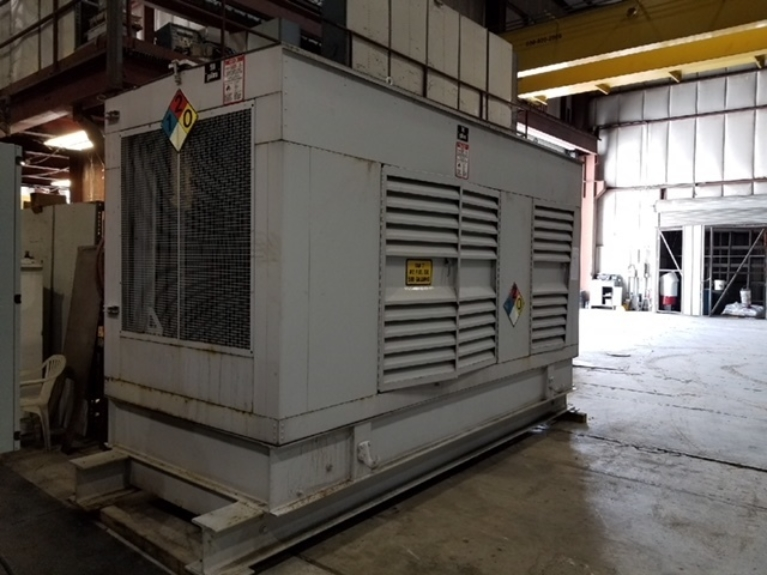
Data centers primarily use large-scale industrial diesel generators because they offer high reliability, fast response time, and strong performance under continuous heavy loads. These generators are specifically designed to start automatically within seconds of a power failure and carry massive electrical loads required by servers, cooling systems, and networking infrastructure. Industrial-grade power reliability is the main reason diesel is the preferred choice.
Diesel generators are favoured because diesel fuel has high energy density and can be stored safely on-site for long durations without significant degradation. This makes them ideal for emergency backup situations where power must be restored immediately and sustained for extended periods. High-efficiency fuel stability supports uninterrupted critical operations.
Some modern data centers also use natural gas generators, especially in regions where gas supply is stable and cost-effective. These systems are cleaner in terms of emissions but may depend on external pipeline infrastructure, which can be a limitation during large-scale emergencies. Alternative fuel backup systems provide operational flexibility.
In high-tier data centers, multiple generators are installed in parallel configurations to ensure redundancy and scalability. These systems are often designed to handle N+1 or even 2N redundancy models, ensuring that even if one generator fails, the remaining units can support full operational load. Redundant power configuration design eliminates single-point failure risk.
What Is the Biggest Issue With Data Centers?
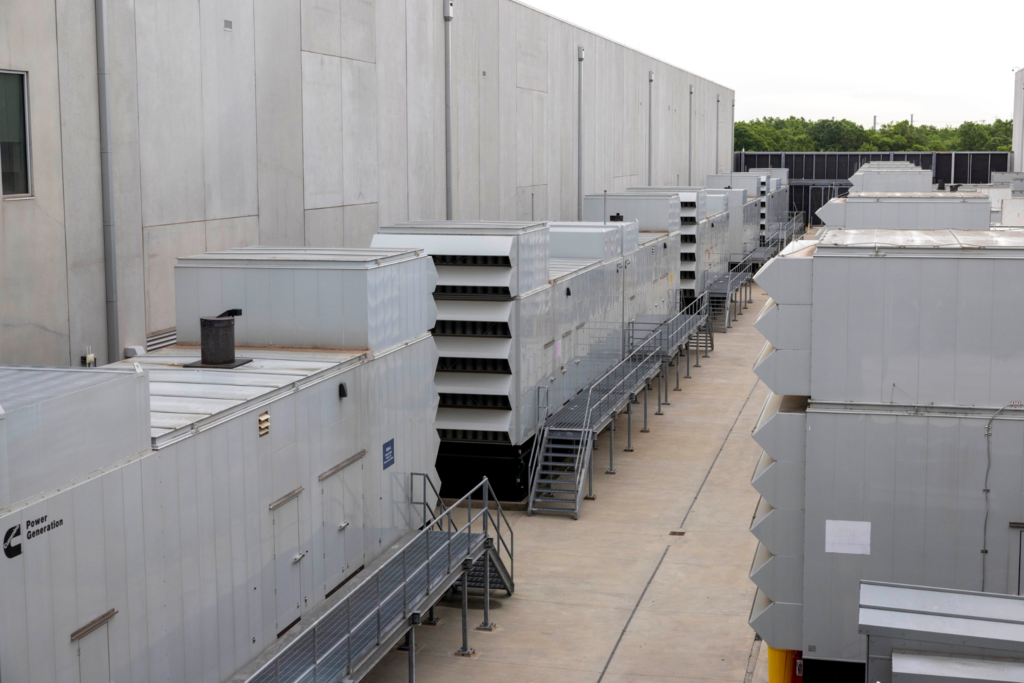
One of the biggest challenges in data centers is extremely high power consumption. Modern data centers require enormous amounts of electricity to run servers, storage systems, and networking infrastructure continuously. This creates significant operational and infrastructure demands. Massive energy consumption demand is the core operational challenge.
Cooling is another major issue because servers generate continuous heat during operation. Maintaining optimal temperature levels requires advanced HVAC systems that consume nearly as much energy as the IT equipment itself. High cooling load requirements increase overall energy usage significantly.
Downtime risk is also a critical concern because even a few seconds of service interruption can result in financial losses, service disruption, and damage to customer trust. This is why backup systems must be extremely reliable and always ready. Zero downtime expectation pressure defines operational standards.
Scalability is another challenge as data demands grow rapidly. Expanding infrastructure requires more space, more power, and more cooling capacity, which increases both cost and complexity. Infrastructure scalability limitation affects long-term planning.
Is It Hazardous to Live Near a Data Center?
Living near a data center is generally not considered hazardous, as these facilities are designed to meet strict safety and environmental standards. They do not produce harmful emissions under normal conditions in the way industrial plants or manufacturing units might. Controlled industrial environment design keeps operational impact on surrounding areas minimal.
One of the most noticeable factors for nearby residents is noise. Data centers use large cooling systems, ventilation fans, and backup generators that may produce sound during operation, especially when generators are tested or activated. However, modern facilities often use soundproof enclosures and acoustic barriers to reduce this impact. Noise mitigation engineering solutions help maintain acceptable living conditions.
Another concern sometimes raised is electromagnetic radiation, but data centers operate within regulated electrical safety limits, and the levels produced are not considered harmful in typical residential proximity. Regulated electrical safety compliance ensures operational safety for surrounding communities.
Environmental impact is also managed through strict regulations regarding fuel storage, emissions control, and emergency generator testing schedules. These systems are not continuously running, so their environmental footprint is controlled and limited. Environmental compliance management systems reduce long-term ecological impact.
Overall, while data centers are large and highly technical facilities, they are engineered to operate safely within urban and suburban environments without posing significant health risks to nearby residents. Safe infrastructure integration design supports coexistence with surrounding communities.
Get Reliable Power Solutions For Data Centers – Connect With ALEO Today!
Data centers are built on one core principle: uninterrupted availability of digital services. To achieve this, they rely heavily on advanced backup power systems, especially data center backup generator infrastructure that activates instantly during grid failures. Continuous digital uptime assurance is the foundation of modern data center design.
Although data centers consume significant energy and require complex infrastructure management, they are engineered to operate safely and with minimal environmental impact. Their backup systems are rigorously tested and maintained to guarantee performance under any condition. Engineered operational safety compliance strengthens long-term reliability.
ALEO provides UL-certified generator solutions from the USA with direct shipment, on-site installation and debugging, and a 1-year warranty to support high-performance industrial power needs. Trusted backup power expertise ensures dependable energy solutions for critical applications.
Visit our website and connect with us today to explore advanced generator systems designed for reliable industrial and data center power backup.