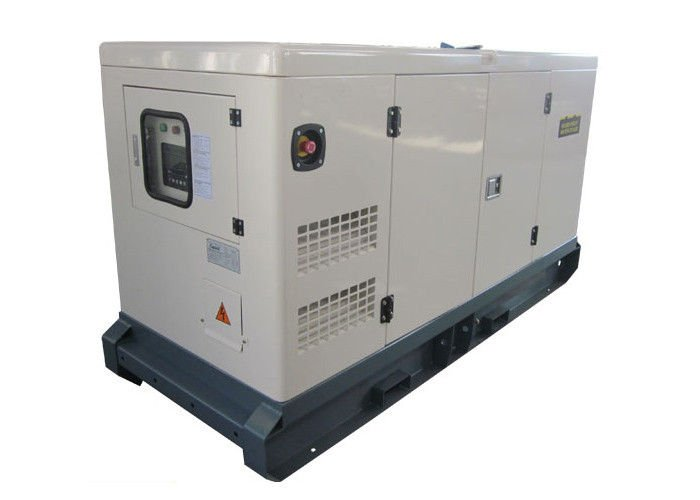
Industrial operations rely on continuous power, and interruptions can lead to significant productivity losses. Many facilities cannot install permanent power solutions due to space limitations, temporary project requirements, or remote locations. Portable diesel generators provide a practical solution that balances mobility with robust performance.
These generators allow teams to deliver electricity precisely where it is needed. From powering machinery at temporary construction sites to supporting backup systems in warehouses, they offer operational flexibility without compromising fuel efficiency or runtime. Modern diesel engines ensure longer operational life compared to other mobile power sources.
Reliability under demanding conditions is a crucial factor for industrial buyers. A high-quality portable diesel generator ensures consistent startup performance, stable fuel delivery, and reduced downtime, which protects sensitive equipment and maintains operational schedules.
Safety and maintenance are equally important. Proper fuel handling, ventilation, and adherence to routine maintenance schedules maximize generator lifespan while ensuring safe operations for personnel and equipment.
This guide goes beyond definitions to provide actionable insights. Industrial decision-makers will learn how portable diesel generators perform in real-world settings, what to look for when selecting a unit, and which manufacturers provide the most reliable solutions. By combining technical insights with buyer guidance, this article will help ensure efficiency, safety, and uninterrupted productivity. So, read on:
Understanding Portable Diesel Generators
Portable diesel generators are designed to combine mobility with industrial power, making them suitable for temporary or remote operations. Unlike stationary units, these generators can be transported to the exact location where electricity is required, ensuring uninterrupted power for industrial equipment, lighting, and backup systems.
One of the key advantages of portable diesel generators is their fuel efficiency under load. Diesel engines consume less fuel than gasoline alternatives while delivering longer operational hours, which reduces operating costs for industrial buyers. This efficiency is especially valuable in construction sites or remote facilities where refueling may be infrequent.
Maintenance is another critical aspect of portable diesel generators. Regular inspections, oil changes, and air filter cleaning help ensure long-term operational reliability. Units with simplified maintenance access allow engineers and technicians to perform tasks quickly without extensive downtime.
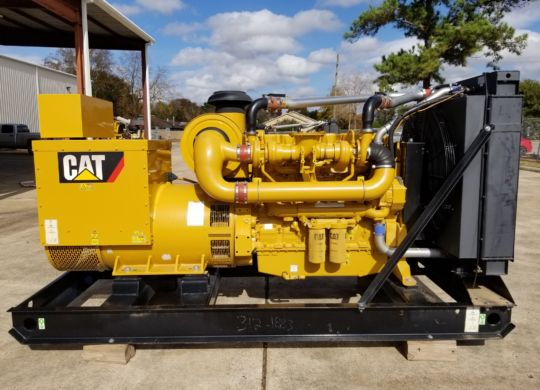
Modern portable diesel generators also provide versatile power outputs. Many models offer multiple voltage options and automatic voltage regulation, allowing them to power sensitive machinery or multiple devices simultaneously. Understanding these features helps buyers select a generator that aligns with their specific operational requirements.
Portable Diesel Generator vs Gasoline Generator Comparison
| Feature | Portable Diesel Generator | Gasoline Generator |
| Fuel efficiency | High | Moderate |
| Maintenance | Moderate | Low |
| Operational life | Longer | Shorter |
| Initial cost | Higher | Lower |
| Noise levels | Moderate | High |
Practical Reliability & Safety Considerations
Operational reliability is a critical factor when selecting a portable diesel generator. Industrial buyers cannot risk sudden downtime during projects, as this can halt machinery, delay schedules, and lead to financial losses. Diesel engines are generally more durable than gasoline counterparts, but factors like engine type, build quality, and fuel system design determine long-term performance. Understanding these aspects helps buyers choose a unit that consistently meets their power requirements.
One common issue in portable diesel generators is fuel-related problems. Contaminated diesel, clogged filters, or unstable fuel quality can prevent proper combustion, leading to engine misfires or failures. Industrial operators are advised to use clean diesel, maintain proper storage conditions, and perform fuel system checks regularly to minimize these risks. Preventive measures extend the generator’s life and maintain operational continuity.
Battery and startup reliability also play a major role. Standby generators may remain idle for weeks, causing batteries to weaken unnoticed. Checking battery voltage, ensuring proper connections, and following a scheduled testing protocol guarantees that the generator starts immediately when needed. For critical applications, some facilities install backup battery systems to further reduce the risk of startup failures.
Maintenance practices directly affect both reliability and safety. Industrial-grade portable diesel generators require regular oil changes, air filter cleaning, and inspection of spark plugs or glow plugs. Following a comprehensive maintenance routine ensures that engines operate efficiently, reduces wear and tear, and prevents unexpected breakdowns during high-demand periods.
Safety is another essential consideration. Portable diesel generators produce exhaust gases that can be harmful in confined spaces. Proper placement with adequate ventilation, along with grounding and secure fuel storage, prevents hazardous operational conditions. Using generators in compliance with local safety regulations protects personnel and equipment from accidents.
Noise and emissions are additional factors impacting safety and operational compliance. Selecting models with noise level management and modern emission controls ensures the unit can be operated in sensitive areas without disturbing workers or violating regulations. Industrial sites often benefit from insulated enclosures or remote placement to reduce sound exposure and maintain a safe work environment.
Finally, understanding the operational context is key. Generators used in harsh environments, such as dusty construction sites or coastal facilities, require extra care. Regular inspections of air intakes, cooling systems, and protective casings ensure that the portable diesel generator continues to deliver reliable power, even under challenging conditions.
Key Performance Metrics of Portable Diesel Generators
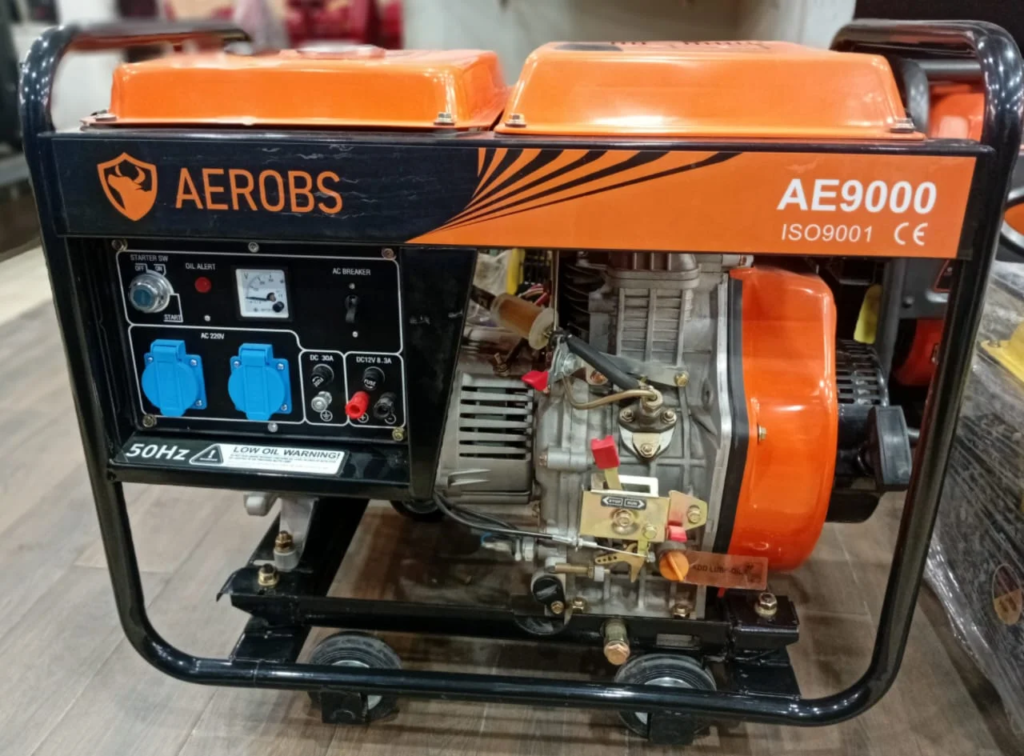
Selecting the right portable diesel generator goes beyond simply matching wattage requirements. Industrial buyers must consider multiple technical metrics, including engine performance, fuel efficiency, noise levels, and operational durability. These factors determine how the generator performs in real-world conditions, including remote sites, construction zones, and high-demand industrial environments. Evaluating these metrics thoroughly ensures operational continuity, reduces downtime, and improves cost efficiency over the generator’s lifespan.
Power Output and Sizing
Correct sizing is crucial to prevent generator overload and ensure reliable operation. Industrial machinery, lighting systems, and backup equipment often have varying power requirements. Underestimating peak loads can lead to frequent shutdowns, equipment damage, and lost productivity. For example, on a construction site operating multiple welders and compressors simultaneously, a generator that is even slightly undersized may trip repeatedly, causing project delays. Evaluating load demands—including surge and continuous operation—enables buyers to choose a generator with optimal output, matching equipment needs while maintaining energy efficiency.
Fuel Consumption and Efficiency
Diesel engines are inherently more fuel-efficient than gasoline alternatives, but consumption varies based on load, runtime, and engine design. Monitoring fuel consumption rates is essential for budgeting and operational planning. For long-term projects, a generator with higher efficiency can save thousands in fuel costs. At remote industrial sites, lower consumption reduces the need for frequent refueling trips, improving overall productivity. Additionally, understanding engine efficiency curves allows operators to schedule work in a way that maximizes runtime while minimizing fuel waste.
Noise Levels and Environmental Impact
Industrial regulations often impose strict limits on noise and emissions, especially in urban or residential-adjacent sites. Generators equipped with vibration dampeners, soundproof enclosures, and low-emission engines provide noise level management while remaining compliant. For instance, using such generators near hospital facilities or office complexes ensures uninterrupted operations without disturbing surrounding personnel. Modern diesel units also reduce harmful emissions, aligning operations with environmental standards and corporate sustainability goals.
Runtime and Operational Durability
A generator’s runtime depends on fuel capacity, load, and engine efficiency. Long-duration operations demand units with larger tanks or auxiliary fuel connections. Considering operational durability ensures that the generator can sustain continuous operation without overheating or engine fatigue. Proper monitoring, oil checks, and air filter maintenance are critical for extending engine life, especially in dusty or extreme temperature conditions. Durable generators withstand heavy-duty use, providing consistent power for industrial workflows.
Monitoring and Control Features
Advanced diesel generators feature digital dashboards, automatic voltage regulation, and remote monitoring systems. These allow operators to track fuel levels, load output, and engine health in real time. Implementing predictive maintenance decisions based on these readings prevents unexpected breakdowns and reduces downtime. Facilities operating multiple generators across different locations benefit from these features, as centralized monitoring ensures all units perform optimally, even without constant onsite supervision.
Load Handling and Surge Capacity
Industrial operations often involve machinery that requires sudden bursts of power at startup, such as compressors, welders, or pumps. A diesel generator must be able to handle these surge load demands without tripping or causing voltage drops. Evaluating surge capacity ensures that the generator can supply temporary peaks in electricity without compromising connected equipment. Properly matched surge capability also protects sensitive electronics from voltage fluctuations, reducing the risk of downtime or costly equipment repairs. Industrial buyers should always check both the continuous power rating and peak surge rating before selecting a generator, particularly for applications with heavy machinery or fluctuating load patterns.
Who Makes the Most Reliable Diesel Generators?
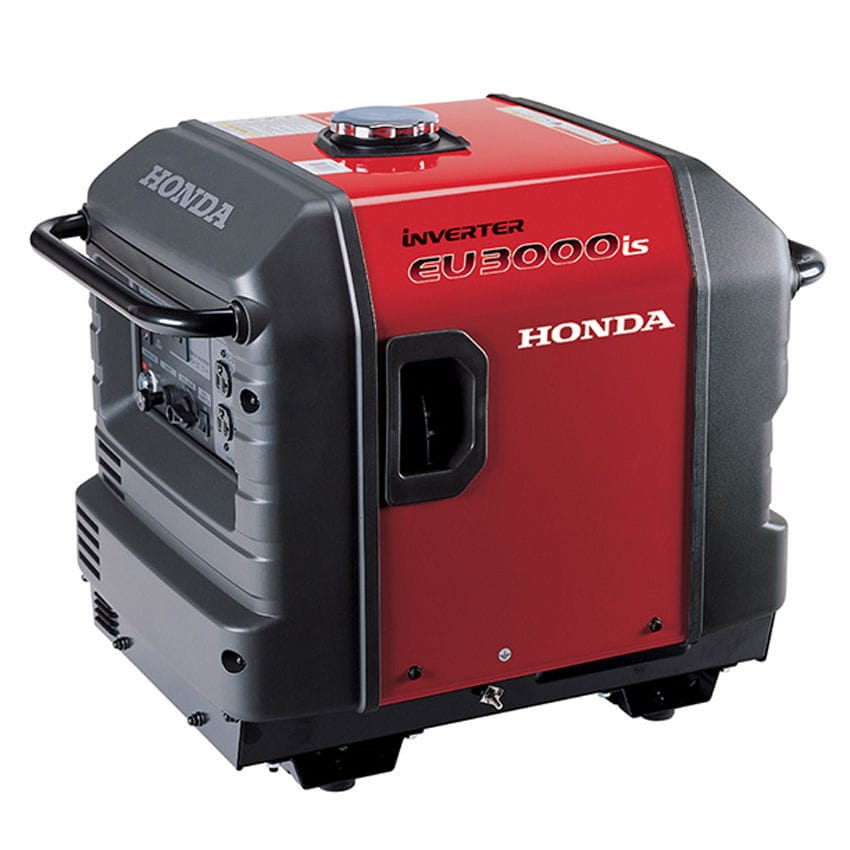
Industrial buyers looking for a trusted generator brand prioritize durability, consistent performance, and strong after-sales support. Reliability is not just about engine power; it also involves build quality, fuel efficiency, and the ability to operate in demanding environments. Choosing the right manufacturer ensures that your diesel generator delivers uninterrupted power for years.
Several global manufacturers have established reputations for producing high-performance diesel generators. Brands such as Caterpillar, Cummins, and Generac are recognized for engineering excellence, stringent quality control, and industrial-grade components. These companies also offer UL certification, warranty coverage, and direct support, giving buyers confidence in both performance and compliance with international standards.
In addition to global leaders, regional manufacturers may provide portable diesel generators optimized for local conditions, such as fuel quality, climate, or site requirements. Evaluating reviews, performance records, and maintenance support from both international and local providers helps buyers make informed purchasing decisions that match operational needs.
For industrial sites where reliability is critical, it is recommended to consider units with robust engines, standardized maintenance protocols, and readily available spare parts. Selecting a generator from a reputable manufacturer reduces the risk of downtime, ensures efficient power delivery, and simplifies long-term operational planning.
Buyer Guidance & Selection Tips
Selecting the right portable diesel generator requires a thorough evaluation of your operational needs. Industrial buyers should begin by calculating total load requirements, including both continuous and peak demands, to ensure the generator can handle all connected equipment without overloading. Proper sizing not only protects machinery but also improves fuel efficiency and overall performance.
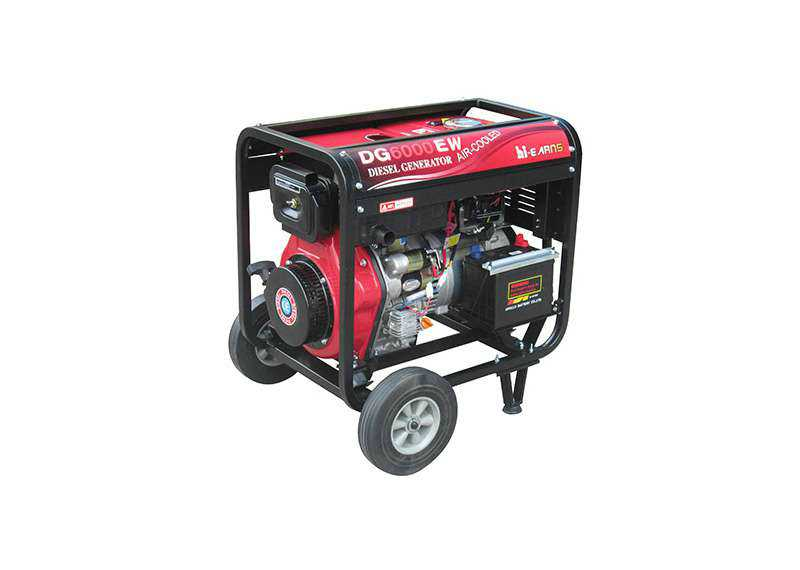
Portability is another critical consideration. Generators vary in weight, frame design, and ease of transportation. Choosing a unit with practical mobility features such as wheels, handles, or lifting points ensures that it can be repositioned quickly on construction sites, remote facilities, or temporary work areas without requiring heavy equipment.
Maintenance requirements should also influence buying decisions. Some models feature simplified access to oil filters, fuel systems, and air intakes, making it easier to follow routine maintenance schedules. Generators with accessible service points reduce downtime, extend engine life, and minimize operational risks.
Fuel efficiency is a key factor in long-term cost management. Comparing diesel consumption rates across models helps buyers select a generator that balances power output with lower fuel costs, especially for extended projects or sites where refueling may be challenging. Efficient generators reduce operational interruptions and ensure continuous power delivery.
Finally, consider the reputation of the manufacturer and the availability of support services. Units from well-known brands with UL certification, warranty coverage, and responsive technical assistance provide peace of mind. Making informed buying decisions based on reliability, operational requirements, and after-sales support ensures your portable diesel generator continues to perform optimally throughout its service life.
Installation & Operational Insights
Proper installation is essential for the safe and efficient operation of a portable diesel generator. Industrial buyers must ensure that the unit is placed on a stable, level surface with adequate clearance around it for airflow and maintenance access. This prevents overheating, improves performance, and reduces the risk of operational hazards.
Fuel storage and handling are critical for safe deployment. Storing diesel in approved containers and keeping it away from ignition sources minimizes fire risks. Regularly inspecting fuel lines and connections helps prevent leaks, while following safe refueling practices ensures uninterrupted operation during high-demand periods.
Electrical connections must be performed with care. Grounding the generator and using proper wiring ensures the protection of both the generator and connected equipment. For industrial applications, using certified power transfer systems can prevent electrical faults and safeguard sensitive machinery from voltage fluctuations.
Operational monitoring improves reliability and efficiency. Modern diesel generators often include digital displays, remote monitoring options, and alarms for low fuel, overheating, or overload conditions. Implementing a proactive monitoring routine allows operators to detect potential issues early, minimizing downtime and extending engine life.
Finally, consider environmental and workplace factors. Positioning the generator to reduce noise exposure, directing exhaust away from personnel, and complying with local emission regulations enhances workplace safety. Following these installation and operational guidelines ensures the generator delivers reliable power while maintaining a safe industrial environment.
Reliable Power Starts Today – Connect With ALEO Today!
At ALEO, our generator solutions are designed to provide long-term operational reliability for industrial applications. Each unit carries UL certification from the USA, ensuring compliance with international safety and performance standards while giving buyers confidence in their investment.
Direct shipment from the United States guarantees dependable delivery timelines, helping projects stay on schedule without compromising on quality. This allows industrial facilities to deploy generators quickly and efficiently, even in time-sensitive operations or remote locations.
Our team supports clients with on-site installation and debugging services, ensuring seamless integration, optimal performance, and minimal downtime from day one. Combined with a 1-year warranty, ALEO generators offer peace of mind and operational security for demanding environments.
Visit our website and connect with us to get high-quality equipment with structured maintenance planning and support like none other.