The energy industry is rapidly changing as businesses, communities, and homeowners look for more reliable and efficient ways to manage electricity. Traditional power systems that depend only on large centralised power plants are now being supported by advanced technologies that generate and store energy closer to users. These modern solutions are commonly known as DERs. Decentralised energy solutions are becoming an important part of the future power network.
DERs, or Distributed Energy Resources, include different technologies that help produce, store, and manage electricity at a local level. Instead of relying completely on distant power generation facilities, DER systems allow users to improve energy reliability, reduce transmission losses, and increase control over their power usage. Localised power generation systems support a more flexible energy structure.
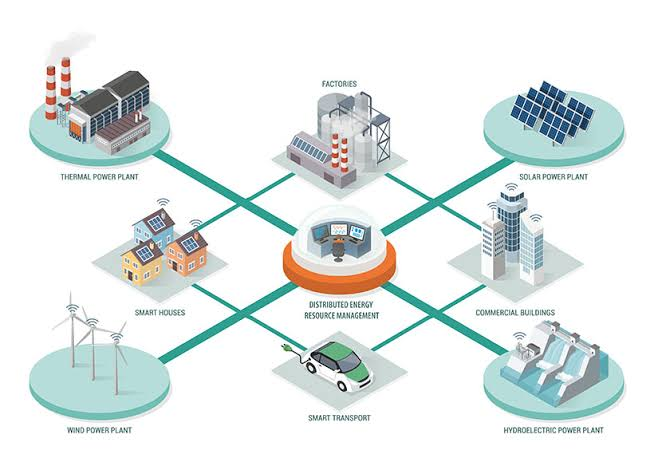
From solar panels and battery storage systems to backup generators and smart energy technologies, DERs are transforming how electricity is delivered and consumed. These resources can operate independently or work with the main grid to improve stability and efficiency. Modern energy management technologies help create smarter and more resilient power systems.
As renewable energy adoption grows and electricity demand increases, understanding DERs has become important for anyone interested in future energy solutions. Knowing their meaning, applications, and benefits helps users make better decisions about energy infrastructure. Future energy transformation depends on smarter and more adaptable systems.
In this article, we will discuss the meaning of DERs, their full form, common examples, practical applications, and their importance in modern energy systems.
What Does DERs Stand For?
DERs stand for Distributed Energy Resources, which refers to small-scale energy generation and storage technologies located close to where electricity is consumed. These systems are designed to support or supplement traditional power grids by producing energy at a local level. Distributed energy technology helps create a more flexible and reliable electricity network.
Unlike conventional energy systems that depend on large power plants and long transmission lines, DERs focus on decentralised electricity production. This means homes, businesses, and facilities can generate, store, or manage energy closer to their actual demand. Decentralised power generation reduces dependence on centralised infrastructure.
DERs play an important role in modern energy systems by supporting renewable energy integration, improving grid stability, and providing backup power during disruptions. Reliable energy infrastructure is one of the biggest advantages of adopting DER solutions.
What Is the Full Form of DERs?
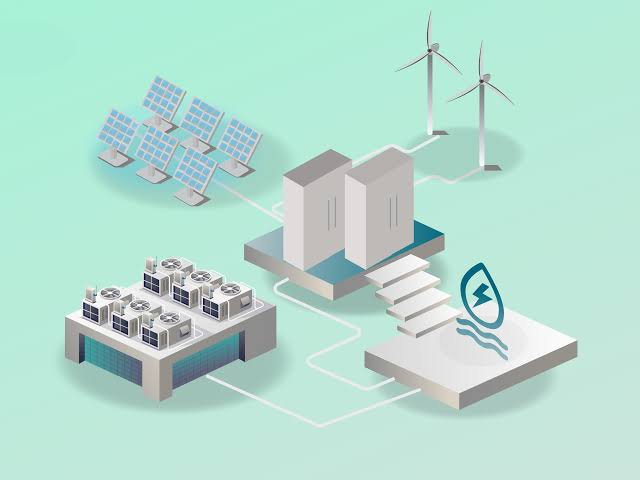
The full form of DERs is Distributed Energy Resources. In the energy industry, this term describes a wide range of technologies that provide electricity generation, storage, or demand management outside traditional centralised power plants. Energy resource distribution allows power systems to become more adaptable.
The term “distributed” highlights the idea that energy resources are spread across multiple locations instead of being produced from one large source. This approach improves energy availability and creates opportunities for cleaner power solutions. Flexible energy distribution supports modern grid development.
DERs have become increasingly important as industries move toward renewable energy, smart grids, and more efficient electricity management. These systems help create a balance between sustainability, reliability, and energy independence. Advanced power solutions are shaping the future of electricity.
What Is a DER?
A DER, or Distributed Energy Resource, refers to a small-scale energy system that generates, stores, or manages electricity near the location where it is used. These resources work alongside the traditional power grid or independently to improve energy reliability and efficiency. The LA local energy resource system provides greater control over electricity usage.
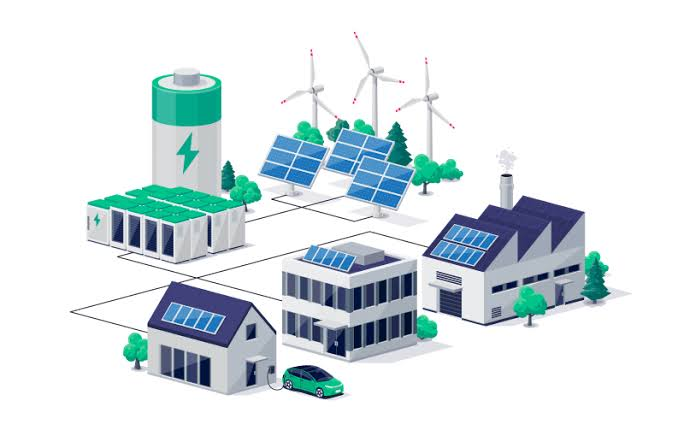
DERs include technologies such as solar power systems, batteries, generators, and smart energy devices that allow users to produce and manage their own power. Instead of depending entirely on centralised electricity production, DERs create a more flexible and responsive energy network. Decentralised electricity management supports modern energy demands.
One of the biggest advantages of DERs is their ability to provide backup power and reduce stress on the main grid during high-demand periods. They can automatically balance energy production, storage, and consumption for improved performance. Smart power optimisation helps maintain a stable electricity supply.
DERs are becoming increasingly important as industries and communities move toward cleaner energy, improved resilience, and more sustainable infrastructure. Future-ready energy systems rely on these technologies for long-term development.
Types and Examples of DERs
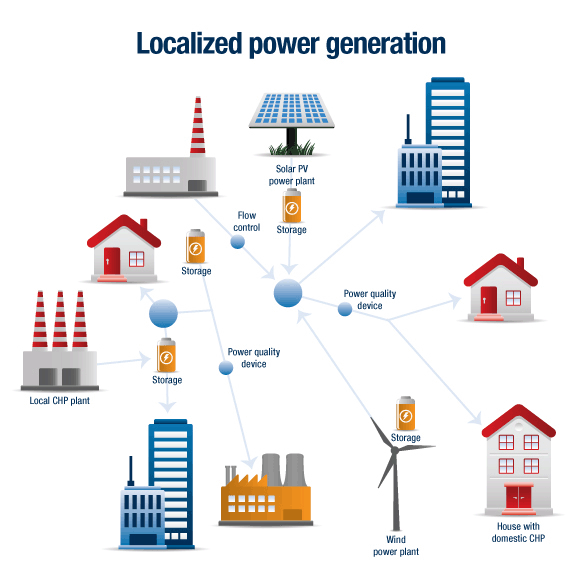
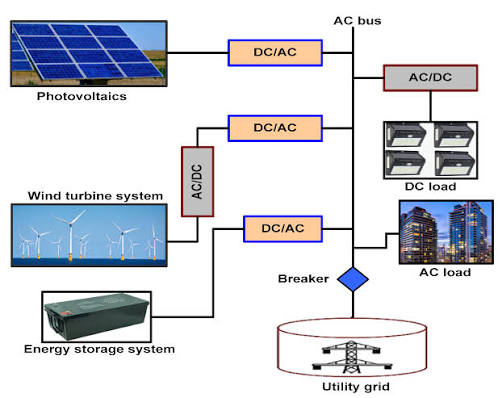
Distributed Energy Resources include several technologies designed to generate, store, and control electricity closer to the point of use. These systems work individually or together to improve energy flexibility, reliability, and efficiency. Integrated energy resource networks form the foundation of modern power systems.
Solar Power Systems
Solar energy is one of the most common examples of DERs. Rooftop panels and commercial solar installations convert sunlight into electricity that can be used directly by homes, businesses, and facilities. Renewable electricity generation makes solar a major part of distributed energy adoption.
When combined with storage systems, solar energy can provide power even when sunlight is unavailable, improving energy independence and reliability. Solar storage integration increases system flexibility.
Battery Energy Storage Systems
Battery storage systems capture and store electricity for later use. They allow users to save excess energy from renewable sources or the grid and use it when demand is higher. Stored power availability improves energy control.
These systems also provide backup electricity during outages and help stabilise the grid by balancing supply and demand. Energy stability support makes batteries an essential DER technology.
Wind Energy Systems
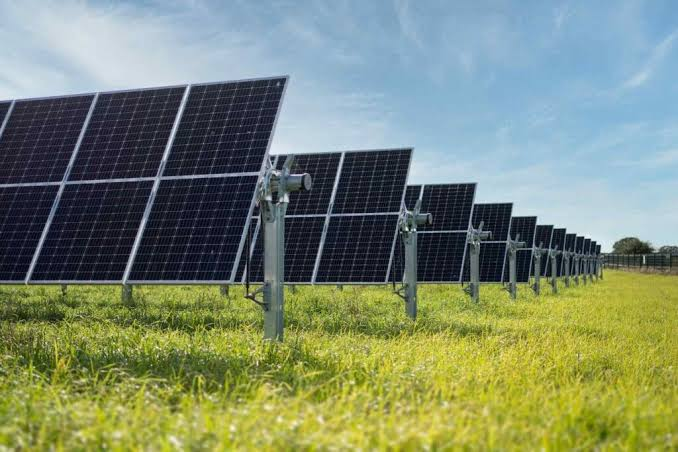
Small-scale wind turbines are another form of distributed energy generation. They use wind movement to create electricity locally, reducing reliance on traditional power sources. Clean wind energy production supports renewable energy goals.
Wind systems are often combined with solar or battery storage to create hybrid solutions with improved reliability. Hybrid renewable systems provide more consistent power availability.
Backup Generators
Backup generators are important DER components because they provide reliable electricity when the main grid is unavailable. They are widely used in hospitals, industries, commercial buildings, and critical facilities. Emergency power support ensures continuous operation.
Modern generator systems can also work alongside renewable energy and storage solutions to create flexible hybrid energy networks. Reliable backup integration strengthens overall energy resilience.
Microgrids
Microgrids combine multiple DER technologies into one controlled energy system. They can operate with the main grid or independently during outages, making them valuable for facilities requiring high reliability. Independent power networks improve energy security.
By combining solar, storage, generators, and smart controls, microgrids provide efficient and adaptable electricity management. Advanced energy coordination enhances overall performance.
Electric Vehicles and Smart Technologies
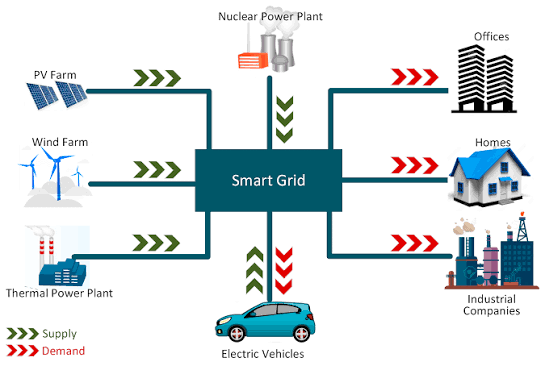
Electric vehicles are becoming part of distributed energy systems through technologies that allow batteries to store and return power when needed. Vehicle energy connection creates new opportunities for energy management.
Smart technologies further improve DER performance by monitoring usage patterns and automatically controlling electricity flow. Intelligent energy systems support future power development.
What Are Examples of DERs?
Examples of DERs include different technologies that generate, store, or manage electricity close to the point where energy is consumed. These systems are used across residential, commercial, and industrial applications to improve reliability and efficiency. Local energy technologies support a more flexible electricity network.
A common residential example is a rooftop solar system combined with battery storage. The solar panels generate electricity during the day, while batteries store excess energy for later use. Residential energy independence helps reduce reliance on the traditional grid supply.
Commercial and industrial DER examples include backup generators, microgrids, combined energy systems, and advanced energy management platforms. These solutions help facilities maintain operations during outages and optimize energy consumption. Commercial power reliability is a major benefit of DER adoption.
As technology continues to improve, more resources, such as electric vehicles and smart devices, are becoming part of distributed energy networks. Expanding energy innovation continues to increase DER applications.
What are DERs Used For?
DERs are used to improve the way electricity is produced, stored, and managed. Their main purpose is to create a more reliable energy system by allowing users to generate and control power closer to where it is needed. Efficient energy management is one of the primary uses of DER technology.
One important application of DERs is backup power support. During grid failures or emergencies, resources such as batteries and generators can provide electricity to keep essential systems running. Emergency power reliability improves operational continuity.
DERs also support renewable energy integration by making it easier to use solar, wind, and other clean energy sources. Stored energy can be managed efficiently to balance production and demand. Renewable energy optimisation helps create sustainable power systems.
Businesses and utilities also use DERs to reduce peak electricity demand, improve grid stability, and lower energy losses. Smart grid support makes DERs valuable in modern electricity infrastructure.
What Does DRS Stand For?
DRS can stand for different terms depending on the industry or context, and it should not be confused with DERs in the energy sector. While DERs refer to Distributed Energy Resources, DRS may have meanings in technology, business, healthcare, or other fields. Industry-specific abbreviations require proper context for accurate understanding.
For example, DRS may refer to systems related to data recovery, document management, or other specialised applications, depending on where the term is used. Unlike DERs, it does not specifically describe energy generation or storage technologies. Terminology difference clarification helps avoid confusion between similar abbreviations.
In power and energy discussions, DERs are the correct term used for decentralised resources such as solar panels, batteries, generators, and microgrids. Understanding the difference ensures accurate communication when discussing modern electricity systems. Correct energy terminology supports better technical understanding.
Benefits of DERs in Modern Energy Systems
DERs provide significant advantages by making electricity systems more flexible, efficient, and reliable. Instead of depending completely on centralised power plants, users can generate and manage energy closer to where it is consumed. Decentralised energy benefits improve overall power accessibility.
One major benefit is improved energy reliability. DER technologies such as battery storage and backup generators can provide power during outages, reducing the impact of grid failures. Reliable backup capability supports continuous operations.
DERs also help reduce transmission losses because electricity does not need to travel long distances before reaching users. This improves efficiency and reduces unnecessary energy waste. Efficient power delivery strengthens energy performance.
Another important advantage is renewable energy integration. Solar, wind, and storage systems allow users to adopt cleaner energy solutions while maintaining stable electricity availability. Sustainable energy adoption supports future energy goals.
Future Role of DERs
The future role of DERs is focused on creating smarter, more reliable, and more sustainable electricity systems. As global energy demand increases, distributed technologies will continue supporting the transition from traditional centralised grids to flexible energy networks. Modern power transformation is changing how electricity is produced and managed.
Renewable energy growth will be one of the biggest drivers of DER adoption. More homes, businesses, and industries are expected to use solar panels, wind systems, and energy storage solutions to improve efficiency and reduce dependence on conventional power sources. Clean energy expansion supports long-term sustainability.
Advancements in battery technology will also make DER systems more effective by increasing storage capacity, improving lifespan, and lowering overall costs. Better storage solutions allow users to manage energy supply more efficiently during changing demand conditions. Advanced storage innovation improves system flexibility.
Smart grid technologies will further strengthen DER performance through automation, real-time monitoring, and intelligent energy control. These improvements will allow energy systems to respond faster and operate more efficiently. Smart grid integration represents the next stage of energy development.
As these technologies continue evolving, DERs will play a major role in building resilient infrastructure that supports reliable, efficient, and environmentally responsible power systems. Future-ready energy networks will define the next generation of electricity management.
Reliable Power Solutions For All Your Needs – Connect With ALEO Today!
DERs are becoming an essential part of modern energy systems by changing how electricity is generated, stored, and managed. Instead of depending only on large centralised power plants, Distributed Energy Resources allow users to produce and control energy closer to where it is needed. Decentralised power development supports greater reliability and flexibility.
From solar systems and battery storage to backup generators, microgrids, and smart technologies, DERs provide practical solutions for improving energy efficiency and reducing grid dependency. These systems help residential, commercial, and industrial users achieve more stable power management. Reliable energy infrastructure solutions are becoming increasingly important for future energy demands.
As renewable energy adoption increases, DERs will continue to support cleaner electricity generation, smarter grid systems, and improved energy resilience. Choosing the right technologies and maintaining them properly ensures long-term performance and dependable operation. Sustainable energy advancement is shaping the future of power systems.
ALEO provides UL-certified energy solutions from the USA with direct shipment, on-site installation and debugging, and a 1-year warranty to support reliable and efficient energy infrastructure. Trusted power technology solutions help businesses and facilities build stronger energy systems.
Visit our website and connect with us to explore advanced energy solutions designed for reliability, efficiency, and future-ready power management. Our Experts can’t wait to help you choose the most reliable solutions for all your needs.