Power demand is rising across commercial and industrial sectors, yet many businesses continue to rely entirely on ageing centralised power grids that were not designed for today’s energy expectations. Grid congestion, transmission losses, outage risks, and rising electricity costs have pushed organisations to reconsider how power is generated and delivered. As a result, distributed power generation has emerged as a strategic solution for businesses seeking greater control over energy reliability and efficiency.
Rather than depending solely on large remote power plants, distributed power generation allows electricity to be produced closer to where it is actually consumed. This localised approach reduces reliance on long transmission networks and helps facilities maintain more stable, efficient, and resilient energy access. It also gives organisations greater flexibility in managing energy distribution systems for daily operations and peak demand periods.
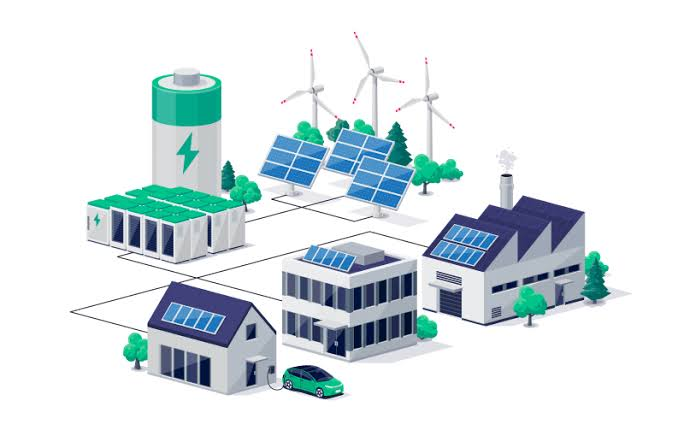
The growing adoption of solar systems, battery storage, on-site generators, and hybrid microgrids has accelerated the shift toward decentralised infrastructure. Businesses are increasingly investing in distributed power generation not only to improve reliability but also to lower peak energy costs and strengthen operational resilience during grid instability events.
Understanding how distributed power generation works, how it differs from centralised generation, and where it fits into modern energy strategy is essential for businesses evaluating future-ready power infrastructure. This guide explores the concept in detail and explains why distributed systems are becoming a core part of modern energy planning strategies across industrial and commercial sectors.
What Is Distributed Generation in Power?
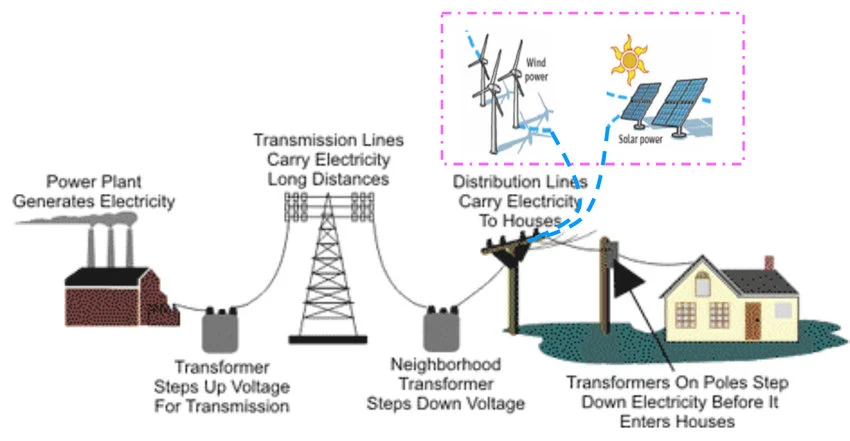
Distributed generation refers to a system where electricity is produced at or near the point of consumption rather than being generated at a distant central power plant. In this model, energy is supplied through multiple small-scale sources that work independently or in coordination with the main grid. This approach is a key part of modern distributed power generation systems designed to improve efficiency and reliability.
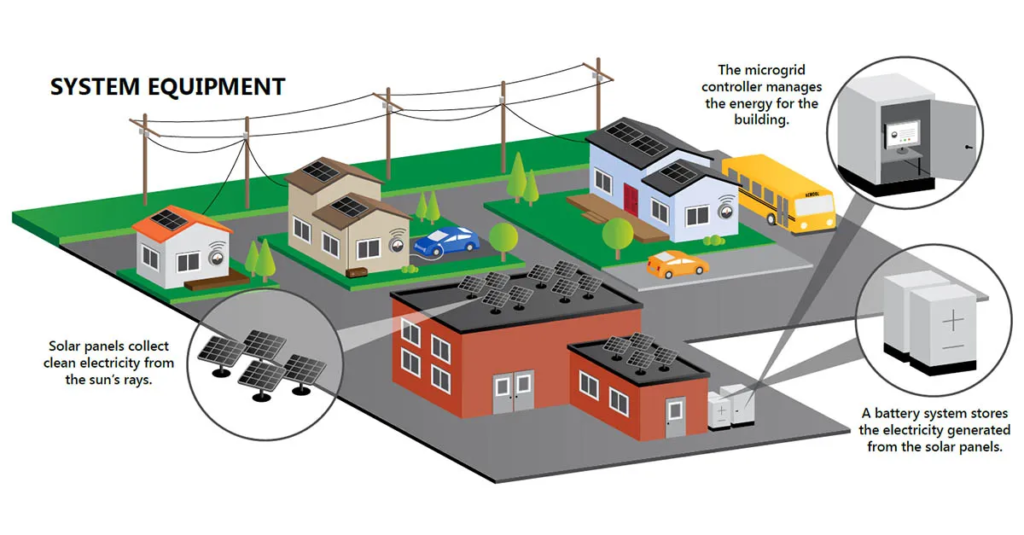
Instead of relying on a single large facility, distributed generation uses localized energy sources such as solar panels, wind turbines, gas engines, or small-scale generators. These systems can operate individually or be combined into hybrid setups depending on demand requirements. By producing power closer to the end user, energy losses during transmission are significantly reduced, improving overall system performance and supporting localized energy efficiency.
One of the main advantages of distributed generation is flexibility. It allows businesses, industrial sites, and remote facilities to scale power production based on their actual consumption patterns. This makes it especially useful for locations with fluctuating demand or unreliable grid access, where on-site energy production becomes critical for operational continuity.
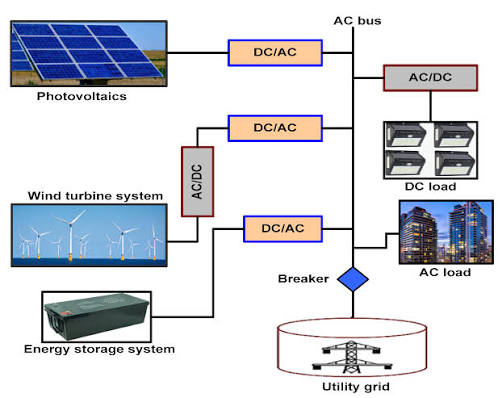
Distributed generation can function both in grid-connected and off-grid modes. In grid-connected systems, excess power can be fed back into the utility network, while off-grid systems operate independently to ensure complete energy autonomy. This adaptability is a key reason why distributed power generation models are becoming more widely adopted across commercial sectors.
Overall, distributed generation represents a shift away from traditional centralized dependency toward a more flexible, resilient, and efficient energy structure that better aligns with modern industrial and commercial power needs.
Why Distributed Power Generation Is Becoming More Important
The importance of distributed energy systems has increased significantly due to rising energy demand, infrastructure limitations, and the need for more resilient power networks. Traditional centralized grids are often strained by peak loads, aging infrastructure, and long-distance transmission losses, making distributed power generation solutions a more practical alternative for modern energy planning.
One of the primary drivers of this shift is energy reliability. Power outages and grid instability can cause major financial and operational disruptions, especially in industrial and commercial environments. Distributed systems provide localized backup and generation capability, ensuring that critical operations continue even when the main grid fails, improving energy security and uptime reliability.
Another key factor is cost efficiency. Businesses are increasingly looking to reduce electricity expenses caused by peak demand charges and transmission inefficiencies. Distributed systems allow organizations to generate power during high-cost periods and reduce reliance on grid electricity, resulting in more controlled and predictable energy cost management.
Sustainability goals also play a major role. Many organisations are adopting renewable-based distributed systems such as solar and hybrid microgrids to reduce carbon emissions and comply with environmental regulations. This transition supports long-term clean energy integration strategies while maintaining operational performance.
In addition, technological advancements in energy storage, smart monitoring, and automation have made distributed systems more efficient and easier to manage. These improvements are accelerating the adoption of decentralised energy infrastructure across both developed and emerging markets.
How Distributed Power Generation Systems Work
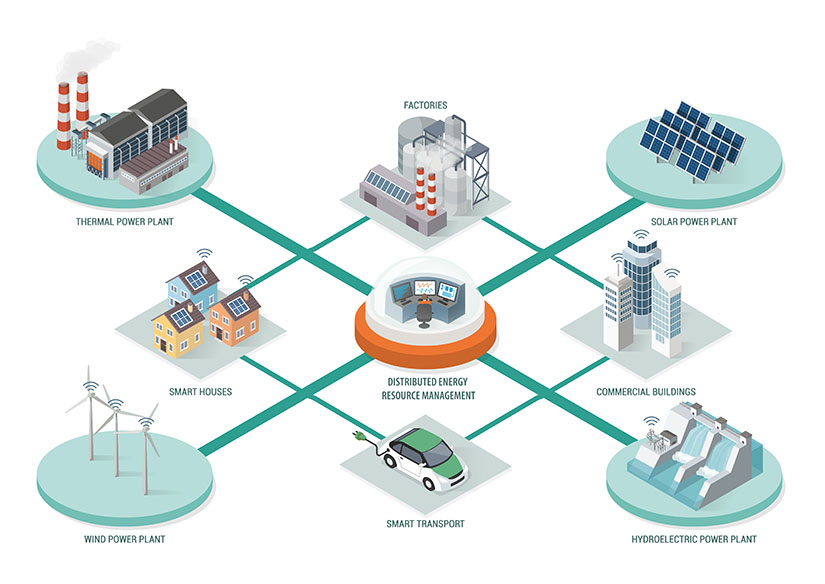
Distributed power generation systems operate by producing electricity closer to the point of use instead of relying on a distant centralised plant. This setup allows energy to be generated, managed, and consumed locally, improving efficiency and reducing transmission losses. Modern distributed power generation systems often combine multiple technologies to ensure a stable and adaptable energy supply for varying load conditions.
On-Site Energy Production
At the core of these systems is on-site energy production, where electricity is generated directly at the facility using sources such as solar panels, gas engines, or small-scale turbines. This reduces dependence on external grids and ensures faster response to demand changes, improving local energy independence and operational stability.
Grid-Connected vs Off-Grid Configuration
Distributed systems can operate in two main modes. In grid-connected setups, excess energy can be exported to the utility grid, improving overall efficiency. In off-grid configurations, the system operates independently to provide complete power autonomy. Both models support flexible energy architecture depending on site requirements.
Energy Storage Integration
Battery storage plays a crucial role by storing excess energy for later use. This ensures a continuous supply during peak demand or when primary generation sources are unavailable. Storage integration improves system reliability and supports load-balancing efficiency across fluctuating demand cycles.
Smart Controls and Load Management
Advanced control systems monitor energy production and consumption in real time. These systems automatically adjust output based on demand, ensuring optimal performance and minimising waste. Smart automation enhances operational energy optimisation across all connected sources.
Renewable and Conventional Fuel Sources
Distributed systems can combine renewable energy sources like solar and wind with conventional options such as diesel or gas generators. This hybrid approach improves reliability while supporting diversified energy sourcing strategies for different operational environments.
System Scalability and Redundancy
These systems are designed to scale easily by adding additional generation or storage units as demand increases. Built-in redundancy ensures that failure in one component does not disrupt the entire system, maintaining continuous power reliability in critical operations.
What Is the Difference Between Distributed and Centralised Power Generation Systems?
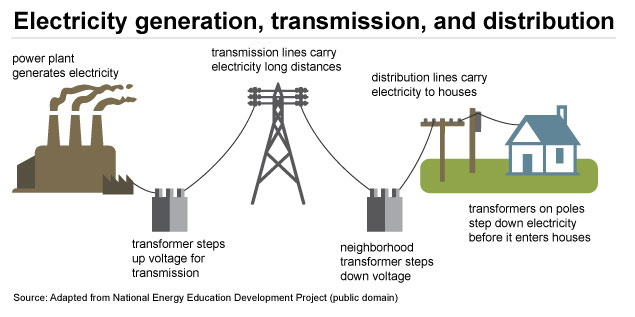
The key difference between distributed and centralized power generation lies in where and how electricity is produced and delivered. In centralized systems, power is generated at large plants and transmitted over long distances, whereas distributed systems generate electricity closer to the end user through multiple smaller sources, forming a decentralized energy network.
Centralized systems typically rely on large-scale infrastructure such as coal, gas, or nuclear plants. While they can produce massive amounts of electricity efficiently at scale, they suffer from transmission losses as power travels long distances. In contrast, distributed power generation reduces these losses by producing energy locally, improving overall system efficiency.
Reliability is another major difference. Centralized grids are vulnerable to widespread outages if a single major source or transmission line fails. Distributed systems, however, are more resilient because multiple independent sources can continue operating even if one unit fails, ensuring improved energy security.
From a scalability perspective, centralized systems require large capital investment and long construction timelines. Distributed systems, on the other hand, are modular and can be expanded gradually based on demand, offering greater flexibility for incremental energy expansion.
In terms of control, centralised systems are managed by utility providers, while distributed systems allow end users to manage and optimise their own energy production and consumption. This shift enables better cost control and more responsive energy management strategies for businesses and facilities.
| Feature | Distributed Power Generation | Centralised Power Generation |
| Location | Near users | Remote plants |
| Losses | Low | High |
| Reliability | High resilience | Grid dependent |
| Control | Local systems | Utility control |
What Runs Your Electric Bill Up the Most?
Electricity costs for commercial and residential users are not driven by a single factor but by a combination of high-demand systems and inefficient energy usage patterns. In most cases, the biggest contributors to rising bills are systems that operate continuously or draw high power during peak hours, making energy consumption patterns a key cost driver.
Heating, ventilation, and air conditioning systems are often the largest contributors to electricity usage. These systems run for long hours and consume significant power during temperature extremes. Poor insulation, outdated equipment, or inefficient settings can further increase consumption, leading to higher operating costs and greater reliance on high-load electrical systems.
Industrial machinery and heavy equipment also play a major role in increasing electricity bills. Motors, compressors, and production lines often require large amounts of energy, especially during startup phases. When multiple machines operate simultaneously, peak demand charges increase, which significantly impacts commercial energy expenses over time.
Another major factor is peak-hour electricity usage. Utility companies often charge higher rates during periods of high demand. Businesses that operate during these hours without load management strategies end up paying significantly more. This makes peak demand optimisation an important consideration for cost control.
Lighting systems, especially in large commercial facilities, also contribute to energy consumption when inefficient technologies are used. Older lighting solutions tend to consume more power compared to modern energy-efficient alternatives, increasing overall operational costs.
Finally, standby losses from always-on equipment such as servers, security systems, and idle machinery can quietly increase electricity bills. These constant loads may seem small individually, but collectively contribute to continuous energy drain, especially in large facilities.
What Is the 33% Rule in Solar Panels?
The 33% rule in solar energy systems refers to the design principle of oversizing or capacity buffering to ensure consistent energy output under real-world conditions. Solar panels rarely operate at their maximum rated capacity due to environmental factors, system losses, and fluctuating sunlight conditions. This makes solar system efficiency planning essential for reliable performance.
In practical terms, the rule suggests that system designers should account for potential energy losses of up to one-third of total rated capacity. These losses can occur due to shading, temperature variations, dust accumulation, inverter inefficiencies, and seasonal changes in sunlight intensity. By factoring in this buffer, solar installations can maintain more stable output under real operating conditions.
This principle is especially important when integrating solar into distributed power generation systems, where consistent energy delivery is critical for supporting both on-grid and off-grid applications. Without proper oversizing, systems may fail to meet demand during low-production periods, leading to reliance on backup sources.
The 33% rule also helps in designing hybrid systems that combine solar with batteries or conventional generators. By anticipating energy variability, engineers can ensure smoother transitions between energy sources and reduce the risk of power shortages during peak demand periods.
Overall, the 33% rule is not a strict limitation but a practical guideline for improving system reliability and ensuring that solar installations deliver consistent performance under real-world conditions, especially within renewable energy integration strategies.
Key Benefits of Distributed Power Generation for Businesses
Distributed systems provide several operational advantages, especially for commercial and industrial users. One of the main benefits is reduced transmission losses, since power is generated close to consumption points. This improves overall efficiency and lowers wastage. Another major advantage is energy reliability improvement, as multiple small sources reduce dependency on a single grid. Businesses also benefit from better control over peak demand costs and improved sustainability through renewable integration. Overall, distributed systems support long-term energy stability while reducing operational risks in modern energy environments.
Challenges and Considerations Before Deployment
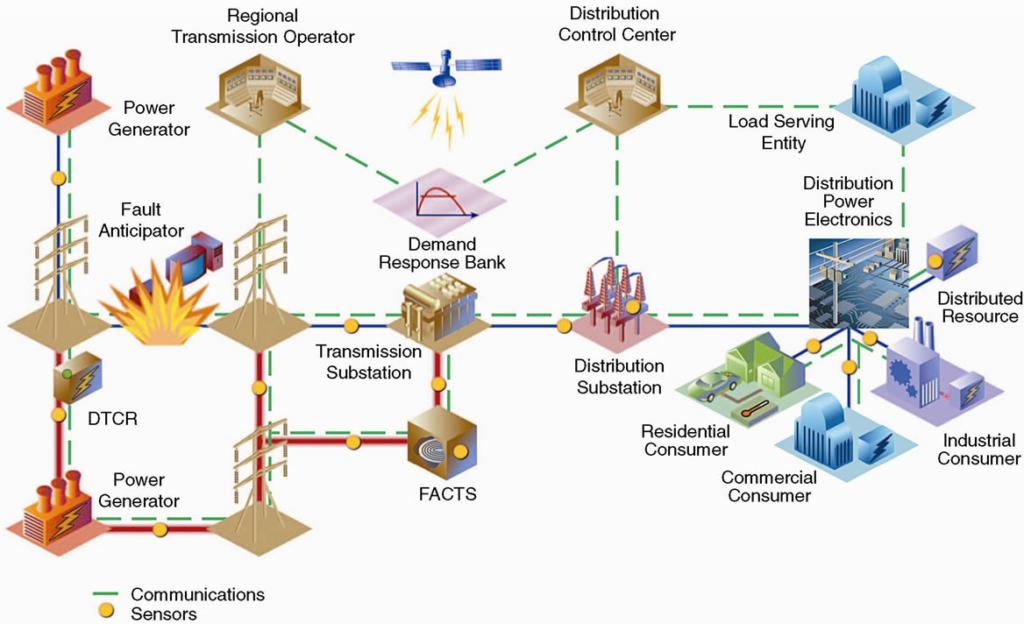
While distributed systems offer many advantages, there are important challenges to consider before implementation. The biggest factor is the high initial investment cost, especially for hybrid or renewable setups. Integration complexity is another issue, as combining multiple energy sources requires advanced control systems.
Maintenance planning is also critical because different components may require specialised servicing. Regulatory compliance and grid interconnection rules can further complicate deployment. Lastly, businesses must evaluate space availability and infrastructure readiness before adopting distributed power generation systems for long-term operations.
Building Smarter Energy Infrastructure – Connect With ALEO
As distributed power generation continues to reshape modern energy infrastructure, the focus for businesses is shifting toward systems that deliver long-term reliability, efficiency, and operational control. Instead of depending entirely on centralised grids, industries are now adopting more flexible and resilient energy models that can support continuous operations, reduce downtime risks, and adapt to changing load demands. The most effective solutions are those that combine engineering precision with real-world performance requirements.
At ALEO, our industrial generator systems are designed specifically for demanding commercial and off-grid applications where consistent performance is critical. Each unit carries UL certification from the USA, ensuring compliance with international safety and quality standards while providing confidence in durability and operational reliability.
With direct USA shipment, businesses benefit from reliable and timely delivery that supports project schedules and remote deployments without unnecessary delays. Our team also provides on-site installation and debugging support, ensuring proper setup, seamless integration, and optimised performance from the very beginning of operation.
Backed by a 1-year warranty, ALEO solutions help organisations achieve stable and dependable power output, reduced operational interruptions, and long-term energy confidence in critical environments. Visit our website and connect with us to begin your journey towards stabilised power generation today!