Choosing the right power solution is a critical investment for businesses that depend on reliable electricity. Industrial facilities, mining operations, commercial campuses, and remote sites often compare the cost of building a microgrid with the expense of relying on diesel generators. While diesel generators have traditionally been the preferred option for backup and off-grid power, rising fuel prices, maintenance costs, and sustainability goals have encouraged many organisations to consider alternative energy solutions.
At first glance, diesel generators may appear to be the more affordable choice because of their lower upfront purchase cost. However, the true cost of a power system extends far beyond the initial investment. Fuel consumption, routine maintenance, equipment lifespan, operational efficiency, and future expansion all influence the total cost of ownership over time. Evaluating these factors provides a more accurate picture of the long-term financial impact of each solution and supports better investment decisions.
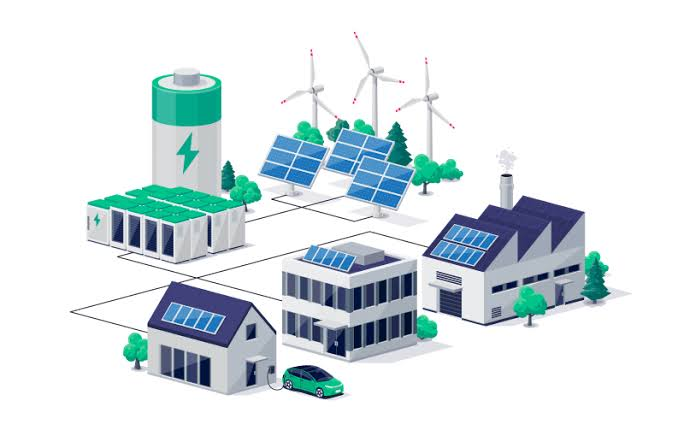
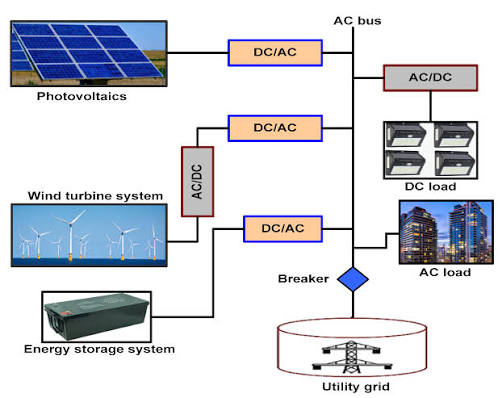
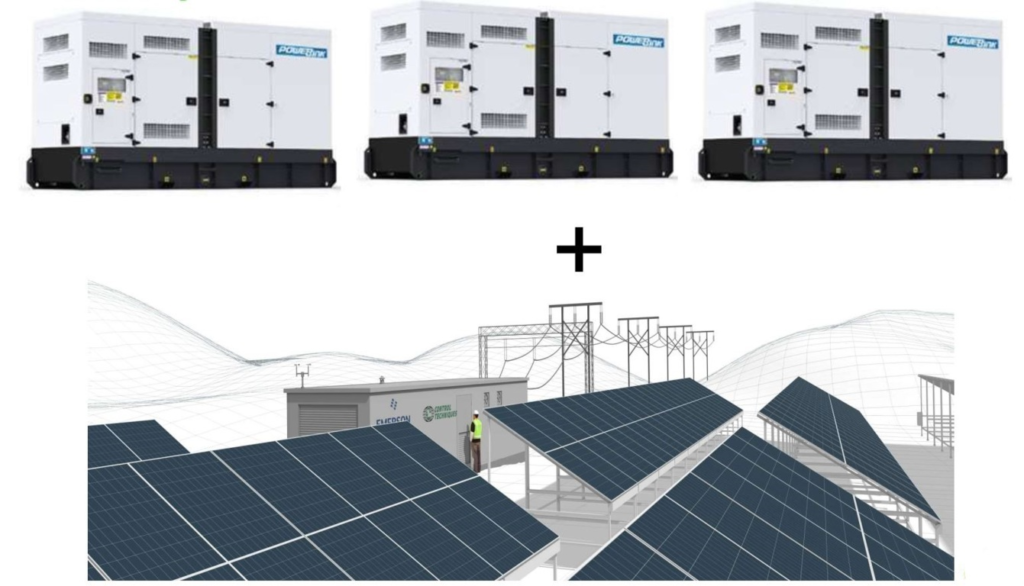
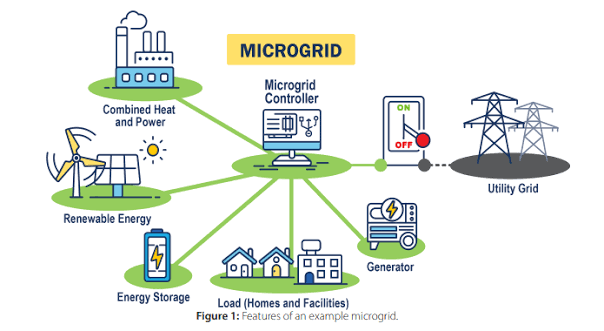
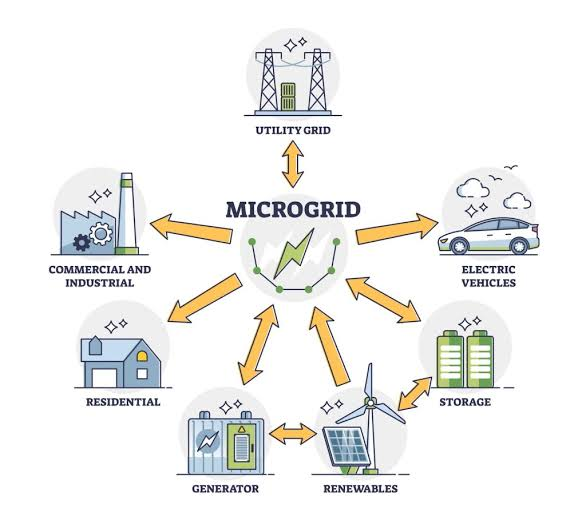
Modern microgrids combine generators, renewable energy resources, Battery Energy Storage Systems (BESS), and intelligent controllers into a single coordinated system. This approach improves energy efficiency, reduces fuel dependence, and allows businesses to manage electricity more effectively under changing operating conditions. Although building a microgrid generally requires a larger initial investment, it can deliver significant operational and financial benefits throughout the project’s lifecycle.
This article compares the costs of building a microgrid and using diesel generators by examining initial investment, fuel expenses, maintenance, scalability, reliability, and long-term value. It also highlights the key factors businesses should evaluate before investing in a cost-efficient energy solution.
Understanding the Cost Comparison
Comparing the cost of building a microgrid with using diesel generators requires more than looking at the purchase price. A power system operates for many years, making fuel expenses, maintenance, equipment replacement, and operational efficiency just as important as the initial investment. Businesses should evaluate the total cost of ownership to understand which solution delivers better long-term value.
The right choice also depends on the application. A temporary construction site may have different requirements from a mining operation, manufacturing facility, or remote industrial plant that requires continuous electricity. Factors such as daily energy demand, operating hours, fuel availability, and future expansion plans all influence the overall cost of the project.
While diesel generators usually require a lower upfront investment, microgrids can reduce operating expenses through renewable energy integration, battery storage, and intelligent energy management. Looking at both short-term and long-term costs helps businesses select a solution that aligns with their operational goals and supports a future-ready energy infrastructure.
Initial Investment: Microgrid vs Diesel Generators
The initial investment is often the first factor businesses compare when selecting a power solution. Diesel generators generally cost less to purchase and install because they consist of fewer system components and require relatively simple electrical infrastructure. This lower capital investment makes them an attractive option for projects with limited budgets or short operational timelines.
Building a microgrid typically involves a higher upfront cost because it combines multiple technologies into one integrated system. Depending on the project, this may include generators, solar panels or other renewable energy sources, Battery Energy Storage Systems (BESS), microgrid controllers, switchgear, protection equipment, and communication systems. Additional engineering, installation, and commissioning services also contribute to the overall project cost.
Although the initial investment is higher, businesses should consider what that investment includes. A microgrid provides greater operational flexibility, supports future expansion, and can reduce long-term fuel and maintenance expenses. For facilities planning to operate for many years, the higher upfront cost may be offset by lower operating costs and improved energy efficiency, creating a smart power management framework.
Fuel Costs Over the Long Term
Fuel is often the largest ongoing expense for diesel-based power systems. In remote locations, transportation and storage can further increase costs, especially when fuel deliveries are affected by weather, distance, or supply chain disruptions. As diesel prices fluctuate, businesses may find it difficult to predict long-term operating expenses, making fuel management an important consideration when evaluating power solutions.
In comparison, building a microgrid allows organisations to reduce fuel consumption by integrating renewable energy sources and Battery Energy Storage Systems (BESS). Solar or wind energy can supply a significant portion of daily electricity demand, while batteries store excess energy for later use. Diesel generators operate only when additional power is required, reducing fuel use and lowering operating costs over time.
For projects with long operating lifespans, these savings can be substantial. Reduced fuel dependence not only lowers expenses but also improves energy security by minimising reliance on continuous fuel deliveries. This creates a more predictable operating budget and contributes to a cost-efficient energy solution.
Maintenance and Equipment Lifecycle
Maintenance requirements have a direct impact on the overall cost of any power system. Diesel generators require routine servicing, including oil changes, filter replacements, cooling system inspections, and engine maintenance. The more frequently a generator operates, the greater the maintenance requirements and the higher the service costs over its lifetime.
A microgrid distributes the workload across multiple energy resources instead of relying entirely on generators. Renewable energy systems have relatively few moving parts, while Battery Energy Storage Systems (BESS) require less routine maintenance than conventional engines. Intelligent controllers also help optimise equipment operation, reducing unnecessary generator runtime and extending component life.
Although microgrids include more system components, proper energy management can reduce wear on individual assets and improve overall reliability. Lower maintenance requirements, longer equipment lifespan, and reduced downtime often help offset the higher initial investment, making microgrids a practical long-term option for organisations seeking a reliable industrial energy solution.
Operational Efficiency and Energy Management
Operational efficiency plays a major role in determining the long-term value of any power solution. While diesel generators are designed to provide dependable electricity, they typically operate at fixed settings and may consume more fuel during periods of low demand. This can reduce overall efficiency and increase operating costs over time. Effective energy utilisation is therefore an important factor when comparing different power systems.
Intelligent Energy Optimisation
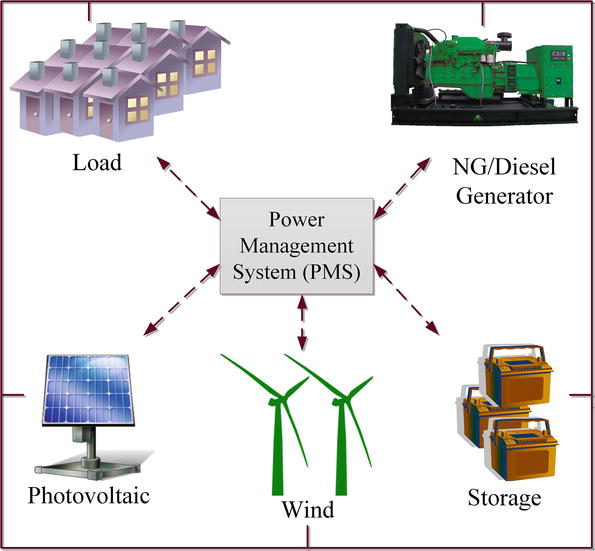
When building a microgrid, intelligent controllers continuously monitor electricity demand, battery status, renewable generation, and generator performance. Instead of relying on a single power source, the system automatically determines the most efficient combination of available resources. This allows businesses to reduce unnecessary fuel consumption while maintaining stable and reliable power.
Reducing Energy Waste
Microgrids can prioritise renewable generation, store excess electricity in Battery Energy Storage Systems (BESS), and operate generators only when required. This coordinated approach minimises wasted energy and improves overall system efficiency. By making better use of available resources, businesses can lower operating costs while building a smart power management framework.
Scalability and Future Expansion
Power requirements often change as businesses grow, making scalability an important consideration when selecting an energy solution. Industrial facilities may install additional production lines, expand operations, or increase electrical loads over time. Choosing a system that can adapt to these changes helps protect the initial investment and reduces future upgrade costs.
Expanding Diesel-Based Systems
Increasing the capacity of a diesel-based power system often requires purchasing additional generators, upgrading electrical infrastructure, and expanding fuel storage facilities. These modifications can increase project costs and may require temporary operational interruptions. As demand continues to grow, managing multiple standalone generators can also become more complex.
Growing a Microgrid Over Time
One of the key advantages of building a microgrid is its modular design. Additional solar panels, Battery Energy Storage Systems (BESS), generators, and electrical loads can usually be integrated without redesigning the entire power network. This flexibility allows organisations to expand gradually while maintaining reliable performance and supporting a future-ready energy infrastructure.
Reliability During Power Interruptions
Power interruptions can result in production losses, equipment damage, and safety concerns, particularly in industries that depend on continuous electricity. While diesel generators provide dependable backup power, they generally operate as standalone systems that start only after a utility failure is detected. This approach can meet emergency power needs but may offer limited operational flexibility during changing energy conditions.
Diesel Generator Performance
Diesel generators are well-suited for short-term backup applications and can supply large electrical loads when fuel is readily available. However, prolonged outages require continuous fuel deliveries and regular maintenance to ensure reliable operation. Any disruption to fuel supply can affect the system’s ability to provide uninterrupted power.
Hybrid Microgrid Resilience
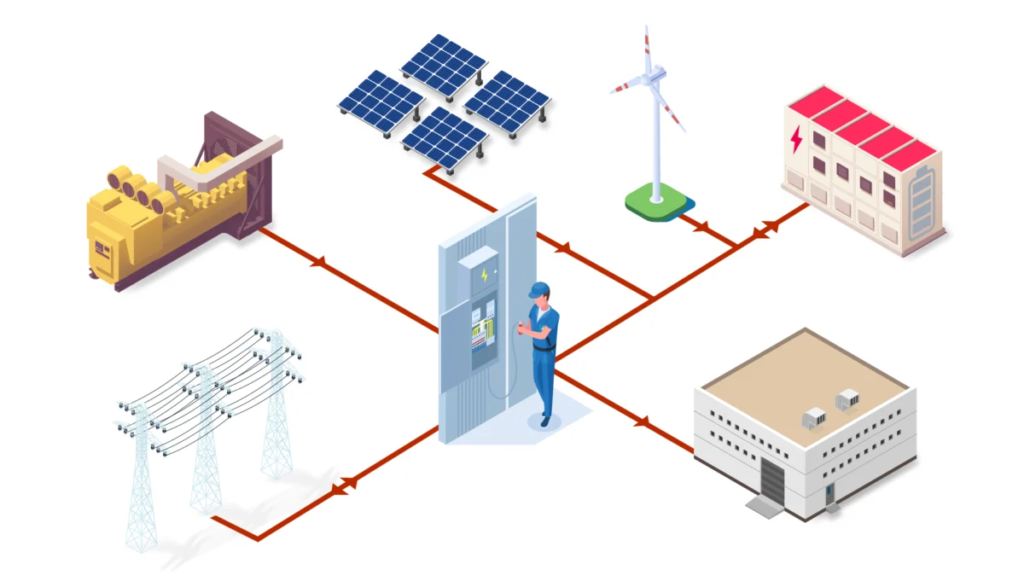
When building a microgrid, multiple energy resources work together to maintain an electricity supply. Solar generation, Battery Energy Storage Systems (BESS), and backup generators are coordinated through intelligent controllers that automatically balance available resources. This integrated approach improves system resilience, reduces dependence on a single power source, and helps businesses maintain critical operations during extended outages, supporting a reliable power ecosystem.
Total Cost of Ownership
Although purchase price is often the first comparison businesses make, the true cost of a power system is measured over its entire operating life. Fuel consumption, maintenance, equipment replacement, downtime, and operational efficiency all contribute to the total cost of ownership. Evaluating these factors provides a more accurate comparison than considering upfront investment alone.
| Cost Factor | Building a Microgrid | Diesel Generators |
| Initial Investment | Higher | Lower |
| Fuel Costs | Lower over time | High and ongoing |
| Maintenance | Moderate | Higher due to frequent servicing |
| Scalability | Easy to expand | Requires additional generators |
| Energy Efficiency | High with intelligent controls | Depends on the generator operation |
| Long-Term Operating Cost | Lower | Higher |
| Power Resilience | Multiple energy sources | Primarily generator-dependent |
For organisations planning long-term operations, building a microgrid often delivers better lifecycle value despite the higher initial investment. Lower fuel expenses, improved efficiency, and reduced maintenance can offset capital costs while providing greater flexibility and creating a cost-efficient energy solution.
When Is Building a Microgrid the Better Choice?
The decision to invest in building a microgrid depends on a project’s operational requirements, budget, and long-term energy goals. For facilities with short project durations or occasional backup power needs, diesel generators may provide a practical solution. However, organisations that operate continuously or expect increasing energy demand often benefit more from a microgrid’s long-term advantages. Making the right investment decision requires evaluating both current and future energy requirements.
Microgrids are particularly suitable for mining operations, manufacturing facilities, commercial campuses, healthcare institutions, remote industrial sites, and communities with limited grid access. These environments often require continuous electricity, high system reliability, and the flexibility to integrate renewable energy and energy storage over time.
Businesses pursuing sustainability goals or looking to reduce fuel dependence may also find microgrids to be a more cost-effective solution over the system’s lifecycle. Their ability to improve efficiency while supporting future expansion makes them a valuable option for organisations building a future-ready energy infrastructure.
Key Factors to Evaluate Before Investing
Every project has unique energy requirements, so businesses should carefully assess technical and financial considerations before selecting a power solution. Electricity demand, operating hours, site conditions, and available energy resources all influence the overall project design. A detailed energy assessment helps determine whether a diesel-based system or a microgrid offers better long-term value.
Organisations should also evaluate fuel availability, future expansion plans, maintenance capabilities, and sustainability objectives. For remote locations, transportation costs and supply chain reliability may significantly affect the total cost of ownership. Considering these factors early in the planning process helps reduce project risks and improve long-term performance.
Working with an experienced solution provider can simplify equipment selection, system integration, and project implementation. A well-planned investment not only reduces operating costs but also ensures the energy system can support future business growth, contributing to a reliable industrial energy solution.
Why Long-Term Value Matters More Than Initial Cost
When comparing power solutions, focusing only on the purchase price can lead to costly decisions in the future. While diesel generators generally require a lower upfront investment, ongoing fuel expenses, routine maintenance, and equipment wear can significantly increase operating costs over time. In contrast, building a microgrid requires a greater initial investment but offers opportunities to reduce fuel consumption, improve energy efficiency, and support future expansion.
The right solution depends on each project’s energy demand, operating environment, budget, and long-term objectives. Evaluating the complete lifecycle cost rather than the initial purchase price helps businesses select a power system that delivers better reliability, flexibility, and financial value. Taking a long-term perspective enables organisations to invest in infrastructure that supports sustainable growth and operational resilience.
Build Cost-Effective Power Infrastructure with ALEO
Choosing between building a microgrid and relying on diesel generators requires balancing immediate costs with long-term operational value. For many industrial and remote applications, a well-designed microgrid can reduce fuel expenses, improve energy efficiency, and provide greater resilience throughout the system’s lifecycle.
ALEO delivers advanced microgrid and industrial power solutions tailored to the needs of commercial, industrial, and remote projects. With UL-certified products from the USA, direct shipment from the United States, professional on-site installation and debugging support, and a 1-year warranty, ALEO helps businesses deploy dependable energy infrastructure with confidence.
Whether you’re planning a new project or upgrading an existing power system, ALEO can help you develop a reliable, scalable, and future-ready energy infrastructure that delivers lasting value.
Visit our website and connect with us to explore reliable solutions that help you save money efficiently.