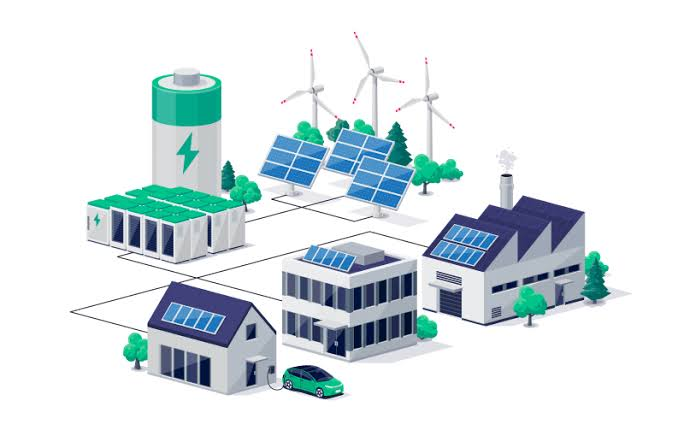
Electricity powers almost every part of modern life, yet the systems behind that supply often go unnoticed until a failure occurs. Industries stop production, hospitals face operational risks, and entire cities experience disruption when power generation is interrupted. This shows how essential large-scale electricity production is for economic stability, public safety, and everyday convenience. Reliable energy supply is not just a utility service, but a critical infrastructure necessity for modern development.
Power plants are the backbone of this system, converting different energy sources into usable electricity for homes, businesses, and industrial operations. Whether the source is coal, flowing water, nuclear fuel, or solar energy, each plant is designed to meet specific energy demands based on location, cost, and efficiency requirements. Understanding how these systems function is where power plant engineering plays a major role in ensuring reliable and efficient performance.
Different industries require different power generation strategies. A manufacturing facility may depend on thermal power for continuous heavy loads, while remote areas may benefit more from hydro or solar-based systems. This creates a site-specific energy strategy where selecting the right plant type becomes a major engineering and financial decision.
For engineers, project planners, and industrial decision-makers, knowing the major types of power plants is more than technical knowledge. It supports better investment planning, stronger operational efficiency, and long-term energy reliability through effective applications of power plant engineering. In this article, we will explore the four main types of power plants, their major components, and how power plant engineering helps improve performance across different industries. So, read on:
What Are Power Plants and Their Types?
A power plant is a facility designed to generate electricity by converting different forms of energy into usable electrical power. These facilities supply energy to homes, industries, commercial buildings, and public infrastructure on a large scale. Without them, modern operations would face serious interruptions, making power plants a foundation of energy supply in every economy.
The type of power plant depends mainly on the source of energy being used. Some plants generate electricity using coal, oil, or natural gas, while others rely on flowing water, sunlight, wind, or nuclear fuel. Each source has different advantages, costs, and environmental impacts, which is why choosing the right system requires careful planning in power plant engineering.
Power plants are generally classified based on fuel type, generation method, and application. Thermal, hydroelectric, nuclear, and solar plants are considered the most common large-scale systems, while wind, diesel, and gas turbine plants are also widely used depending on location and operational demand. This creates a source-based plant classification for different energy requirements.
Different industries also require different types of plants depending on load demand and reliability expectations. Manufacturing sectors often need continuous high-capacity output, while remote locations may prioritize renewable or mobile systems. This makes power plant engineering essential for selecting the most practical and efficient solution for each use case.
Understanding the Role of Power Plant Engineering
Power plant engineering focuses on the design, operation, maintenance, and optimization of systems used for large-scale electricity generation. It ensures that power plants work efficiently, safely, and reliably while meeting energy demands across different industries. This creates a technical performance framework for stable and sustainable power generation.
Engineering decisions affect every part of a power plant, from fuel selection and turbine design to cooling systems and power distribution. A poorly planned system may increase fuel waste, reduce output, or create operational risks. Strong power plant engineering helps prevent these issues by improving efficiency and system performance from the beginning.
Safety is another major responsibility in power plant operations. High temperatures, pressure systems, fuel handling, and electrical transmission all require strict monitoring and control. Proper engineering design supports a safe operational environment that protects both equipment and personnel during daily operations.
System integration is equally important because power generation depends on multiple components working together without failure. Boilers, turbines, generators, control panels, and transmission systems must operate in coordination for consistent output. Effective power plant engineering ensures this balance and improves long-term operational reliability.
What Are the Four Types of Power Plants?
Power plants are designed to generate electricity using different energy sources, and each type serves a specific purpose depending on demand, fuel availability, environmental impact, and operational scale. While there are many variations of power generation systems, four major types are most commonly used in industrial and national infrastructure: thermal, hydroelectric, nuclear, and solar power plants. Understanding these systems is a core concept in power plant engineering because selecting the right type directly affects efficiency, reliability, and long-term operating cost.
Each power plant works on the same basic principle of converting one form of energy into electrical power, but the source of that energy changes the design, maintenance needs, and overall performance of the plant. Some systems are built for continuous heavy industrial loads, while others focus on renewable and sustainable generation. This creates a source-driven plant strategy that engineers must evaluate carefully before project development.
The choice between these four types depends on location, fuel access, infrastructure cost, and environmental regulations. For example, a country with strong water resources may prefer hydroelectric generation, while regions with great industrial demand often rely on thermal systems. This is where power plant engineering becomes critical for balancing technical feasibility with long-term operational success.
- Thermal Power Plants
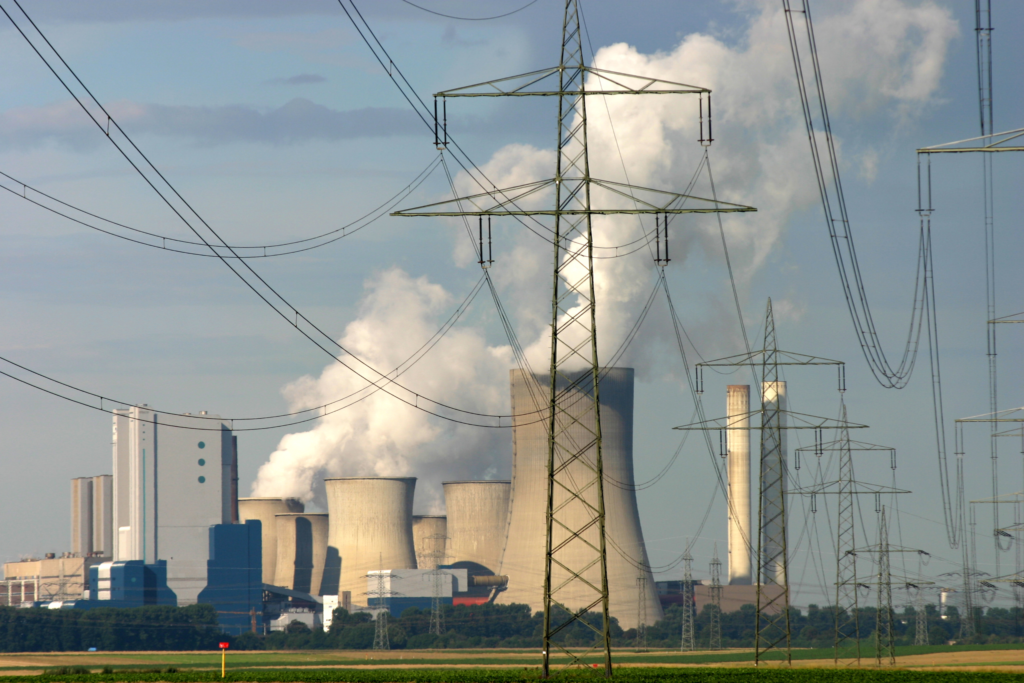
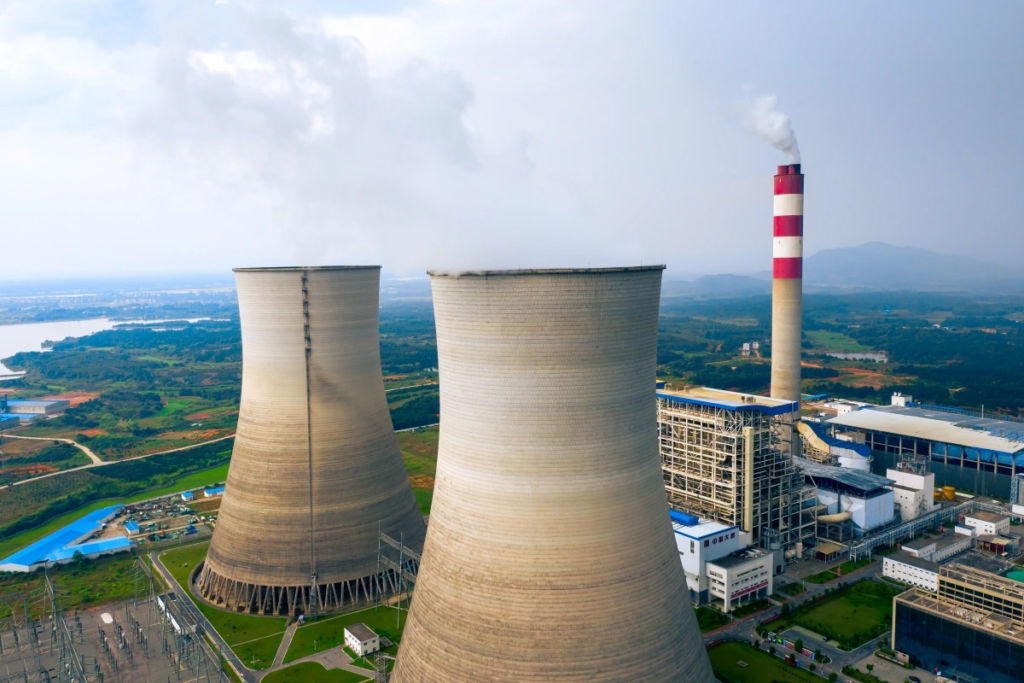
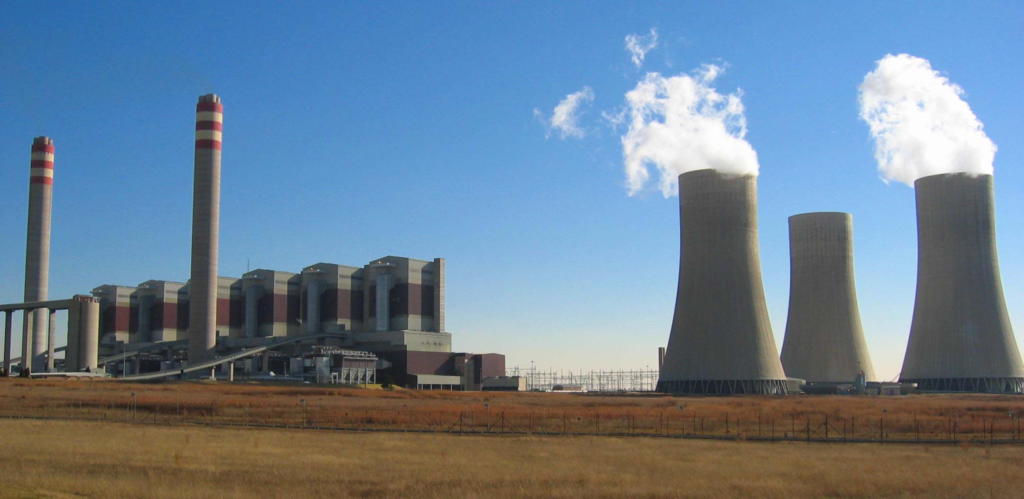
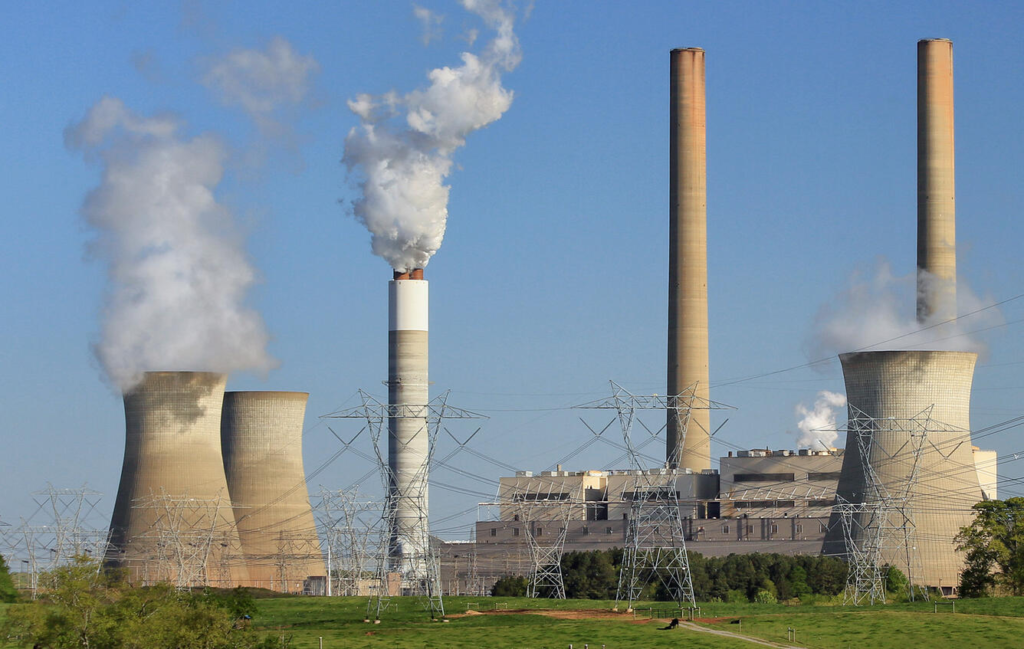
Thermal power plants are the most widely used type of power generation system in many parts of the world. They produce electricity by burning fuels such as coal, oil, or natural gas to create heat. This heat converts water into high-pressure steam, which drives turbines connected to generators. Their ability to deliver continuous large-scale output makes them a high-demand industrial solution for factories, cities, and utility networks.
One of the main reasons thermal plants remain popular is the availability of fuel and the maturity of the technology. Industries that require stable and uninterrupted electricity often depend on thermal systems because they can support large loads consistently. However, fuel cost fluctuations and environmental emissions remain major concerns when designing such plants through power plant engineering.
Maintenance is also a significant factor because boilers, turbines, and fuel systems require constant monitoring to maintain safe and efficient operation. Emission control systems are necessary to reduce pollution and comply with environmental regulations. This makes thermal plants highly effective but also operationally intensive.
- Hydroelectric Power Plants
Hydroelectric power plants generate electricity by using the force of flowing or falling water to rotate turbines. The mechanical energy from the moving water is converted into electrical energy through generators. Since water is a renewable resource, these systems are considered one of the cleanest large-scale power generation methods. This creates a renewable energy advantage for countries with strong river systems and dam infrastructure.
Hydroelectric plants are highly efficient and often have lower operating costs after installation because they do not rely on fuel combustion. They are especially valuable for long-term national energy planning because of their stability and sustainability. In power plant engineering, hydro systems are often preferred where geography supports reliable water flow.
The main challenge is the high initial investment required for dam construction and infrastructure development. Environmental and land impact must also be considered carefully before project approval. Despite these limitations, hydroelectric plants remain one of the strongest options for large-scale renewable generation.
- Nuclear Power Plants
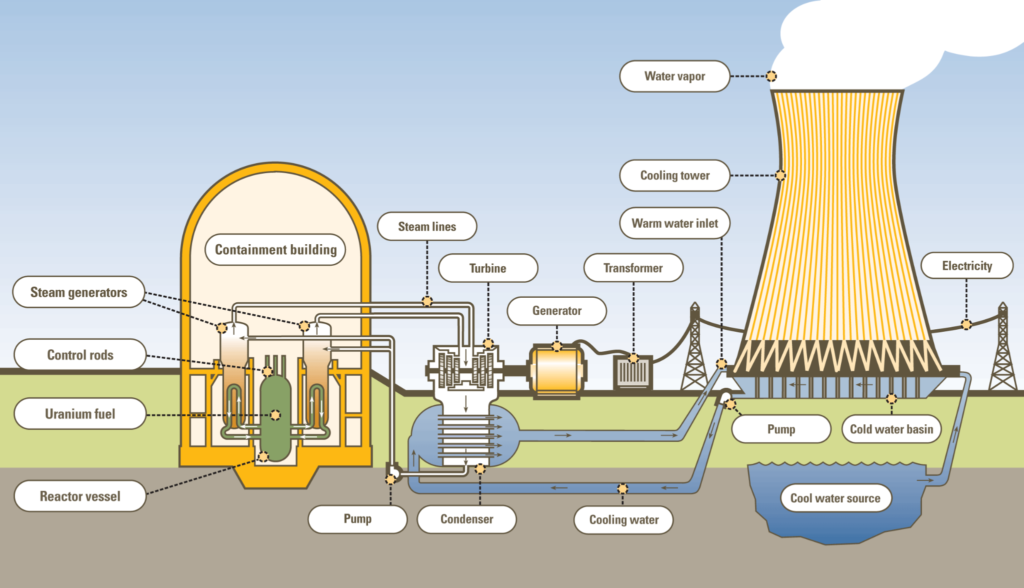
Nuclear power plants generate electricity using heat produced by nuclear reactions inside a reactor. This heat is used to produce steam, which turns turbines and drives generators in a similar way to thermal plants. Their ability to produce extremely large amounts of electricity continuously makes them a high-capacity base load source for national grids and major industrial networks.
One of the biggest advantages of nuclear plants is that they provide strong energy output with very low direct carbon emissions. They are highly efficient for countries that require a constant supply without depending heavily on fossil fuels. This makes nuclear systems one of the most advanced areas of power plant engineering and long-term infrastructure planning.
However, nuclear plants require strict safety systems, highly trained personnel, and significant capital investment. Waste management and regulatory compliance are also major concerns that make these facilities more complex than other power generation systems. Their reliability is strong, but their design demands the highest engineering standards.
- Solar Power Plants
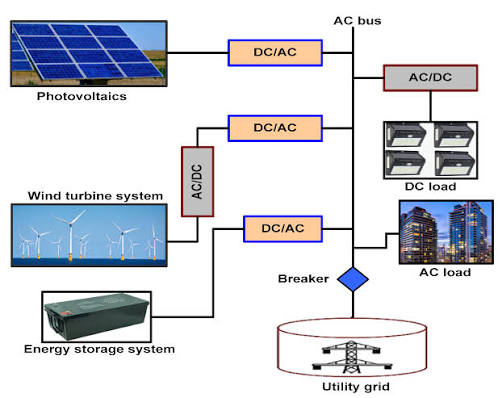
Solar power plants generate electricity by converting sunlight into usable electrical energy through photovoltaic panels or concentrated solar systems. As solar technology continues to improve, these plants have become an important part of modern energy planning. This provides a sustainable energy generation method for both industrial and commercial operations looking to reduce dependence on conventional fuels.
Unlike thermal or nuclear systems, solar plants do not require fuel combustion, which significantly reduces emissions and operating costs. Their clean energy profile makes them attractive to governments and businesses focused on sustainability goals. In power plant engineering, solar systems are increasingly integrated into hybrid power models for better efficiency and flexibility.
The main limitation of solar power is that output depends on sunlight availability and weather conditions. Energy storage systems or backup support are often needed to maintain a continuous supply during low-generation periods. Despite this challenge, solar plants continue to grow rapidly because of their scalability and long-term environmental benefits.
What Are the Six Types of Power Plants?
While thermal, hydroelectric, nuclear, and solar plants are considered the four major types, there are additional systems that play an important role in power generation across different industries and locations. Expanding the list to six helps create a broader energy generation view for practical applications and planning.
The first four include thermal, hydroelectric, nuclear, and solar plants, each serving different operational and environmental needs. These systems are commonly used for large-scale electricity production and form the foundation of most national power networks. Their selection depends heavily on fuel access, geography, and long-term efficiency goals in power plant engineering.
The fifth type is wind power plants, which use wind turbines to convert moving air into electricity. Like solar and hydro systems, wind energy supports renewable generation and reduces dependence on fossil fuels. This creates a clean energy expansion opportunity for regions with strong wind resources.
The sixth type includes diesel or gas turbine power plants, often used for backup power, remote operations, and fast-response energy supply. These systems are valuable where rapid startup and flexible operation are needed. Their role supports both emergency operations and specialized industrial demands within power plant engineering planning.
What Are the Four Major Components of a Power Plant?
Every power plant, regardless of type, is built around four major components that work together to generate and distribute electricity efficiently. These components form the backbone of energy conversion systems and are essential in all applications of power plant engineering.
The first component is the energy source or boiler system, where fuel or natural resources are converted into heat energy. This stage initiates the entire power generation process and determines overall system efficiency and output capacity.
The second component is the turbine, which converts thermal or kinetic energy into mechanical energy. This rotating motion is essential for driving the generator and is a critical part of energy conversion in all power plants.
The third component is the generator, which converts mechanical energy into electrical energy. This is the stage where usable electricity is produced and prepared for transmission through the power grid.
The fourth component is the control and distribution system, which manages voltage regulation, safety monitoring, and electricity transmission. It ensures stable output and protects the system from overload or faults, making it a key focus area in power plant engineering design and operation.
How Different Power Plants Serve Different Industries
Different industries have different power needs, which is why each type of power plant is chosen based on load demand, reliability, and operating conditions. This makes power plant engineering an important factor in matching the right system with the right application.
Heavy industries such as manufacturing, steel, and cement plants usually depend on thermal or gas-based systems because they can handle continuous high-load operations. These systems provide stable output for demanding industrial environments and support uninterrupted production. This creates a high-load industrial requirement.
Renewable systems like hydro and solar are commonly used by utility providers and regions focused on sustainability. They help reduce fuel dependency while supporting long-term energy planning. In modern power plant engineering, these systems are essential for cleaner and more efficient energy networks.
Critical facilities such as hospitals, data centers, and commercial buildings often use a combination of grid supply and backup systems like diesel generators to ensure continuous operation. This creates a reliability-focused power model for essential services.
Remote areas typically rely on diesel or hybrid systems where large-scale infrastructure is not available, ensuring basic and dependable electricity supply in isolated locations.
Investment Worthy Power Generation Systems – Connect ALEO Today
In power plant engineering, generators are widely used as reliable backup and support systems where uninterrupted electricity is critical. They help maintain operations during grid failures and play an important role in emergency power continuity for industrial and commercial setups.
At ALEO, we provide UL-certified generator solutions designed for industrial environments with a focus on durability and performance. Each unit is selected to meet real engineering requirements within modern power plant engineering applications.
We also offer direct shipment from the United States, along with on-site installation and debugging support to ensure smooth integration and safe operation. This ensures efficient system deployment for critical applications.
Visit our website and connect with us to explore reliable solutions backed by technical support and a 1-year warranty for long-term operational confidence.